Bluetooth vs Wired Audio: Which is Better for Audiophiles?
16 January 2026
Let’s be honest — if you’re an audiophile, chances are you’ve already formed some pretty strong opinions about how your music should sound. Maybe you're the type who swears by your vintage vinyl setup and balks at anything wireless. Or maybe you're embracing the convenience of the wireless era and believe we're finally in a time where Bluetooth can stand toe-to-toe with wired audio. Either way, the debate rages on.
So, what's really better — Bluetooth or wired audio? Let’s go beyond the marketing fluff and dig deep into what matters most: sound quality, convenience, reliability, and the overall listening experience.
The Audiophile's Dilemma: Sound Quality Above All
If there’s one thing audiophiles can agree on, it’s this: sound quality reigns supreme. You want the music to transport you, make you feel like you’re sitting in the studio or front row at a live concert. It’s not just about bass or clarity, but about warmth, detail, and the nuance that makes your skin tingle.🎧 Wired Audio: The Purist’s Pick
Wired audio has long been the gold standard for audiophiles — and for good reason. Here’s why:- Lossless Transmission: Wired connections transmit audio without compression, preserving every detail of the sound. You get what the artist intended, pure and unfiltered.
- High Impedance Support: High-end headphones often require more power to drive — something Bluetooth just can’t handle well. Wired amps and DACs (digital-to-analog converters) deliver the juice needed for those heavy-duty cans.
- Zero Latency: There's virtually no delay in audio playback with wired connections, which is crucial for gaming, movie syncing, or studio work.
- No Interference or Compression: Unlike Bluetooth, there's no risk of signal dropouts, compression artifacts, or interference from other wireless devices.
In short, wired audio gets you as close to perfect reproduction as current tech allows.
📶 Bluetooth Audio: Convenience with a Catch
Let’s not dismiss Bluetooth audio entirely, though. The tech has come a long way, and for casual listeners — and even some discerning ears — the difference may no longer be dealbreaking.- Modern Codecs Are Game-Changers: With advanced Bluetooth codecs like aptX HD, LDAC, and AAC, Bluetooth sound quality has improved considerably. Still, even the best codecs use some level of compression, which means a compromise for purists.
- Freedom of Movement: No cables. No tangles. You can listen to music while doing chores, walking around the house, or commuting — without being tethered to a device.
- Smart Integration: Many Bluetooth headphones come with noise cancellation, touch controls, mics for calls, and integration with voice assistants. That's something you don’t get with most wired headphones off the shelf.
That said, if you're trying to catch every breath a singer takes or every tap of a cymbal, Bluetooth may still fall slightly short, depending on your setup.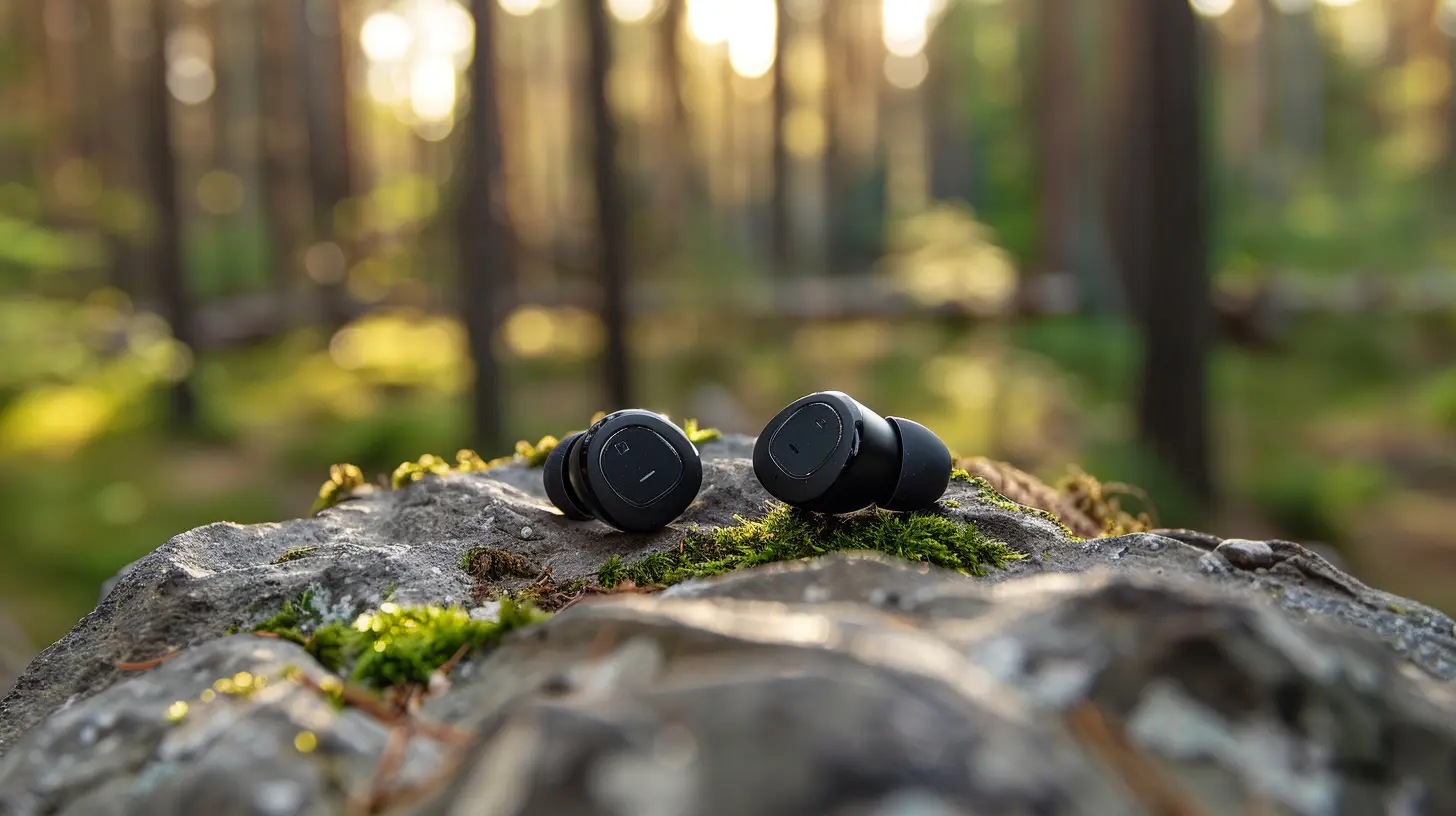
The Role of Codecs: Not All Bluetooth is Created Equal
Let’s talk codecs — the unsung heroes (or villains) behind Bluetooth audio.Bluetooth audio splits into different codecs — think of them as different roads to get to the same destination. Some are scenic routes filled with lossless beauty, others are bumpy highways that butcher your favorite high-res track.
🔍 Popular Bluetooth Codecs:
- SBC (Subband Codec): The default codec for Bluetooth. It works, but it’s basic and compressed. Audiophiles? Avoid.- AAC (Advanced Audio Codec): Apple’s go-to. Better than SBC but still lossy. Not high-res.
- aptX & aptX HD: Designed for improved sound quality. aptX HD supports 24-bit audio for higher fidelity.
- LDAC: Developed by Sony. Can transmit up to 990 kbps. That’s near lossless territory, which makes it a real contender.
However, it’s not just about the codec — both the sending and receiving devices must support it. Got aptX HD headphones but a phone that only supports SBC? Well, guess what: everything drops down to the lowest common denominator.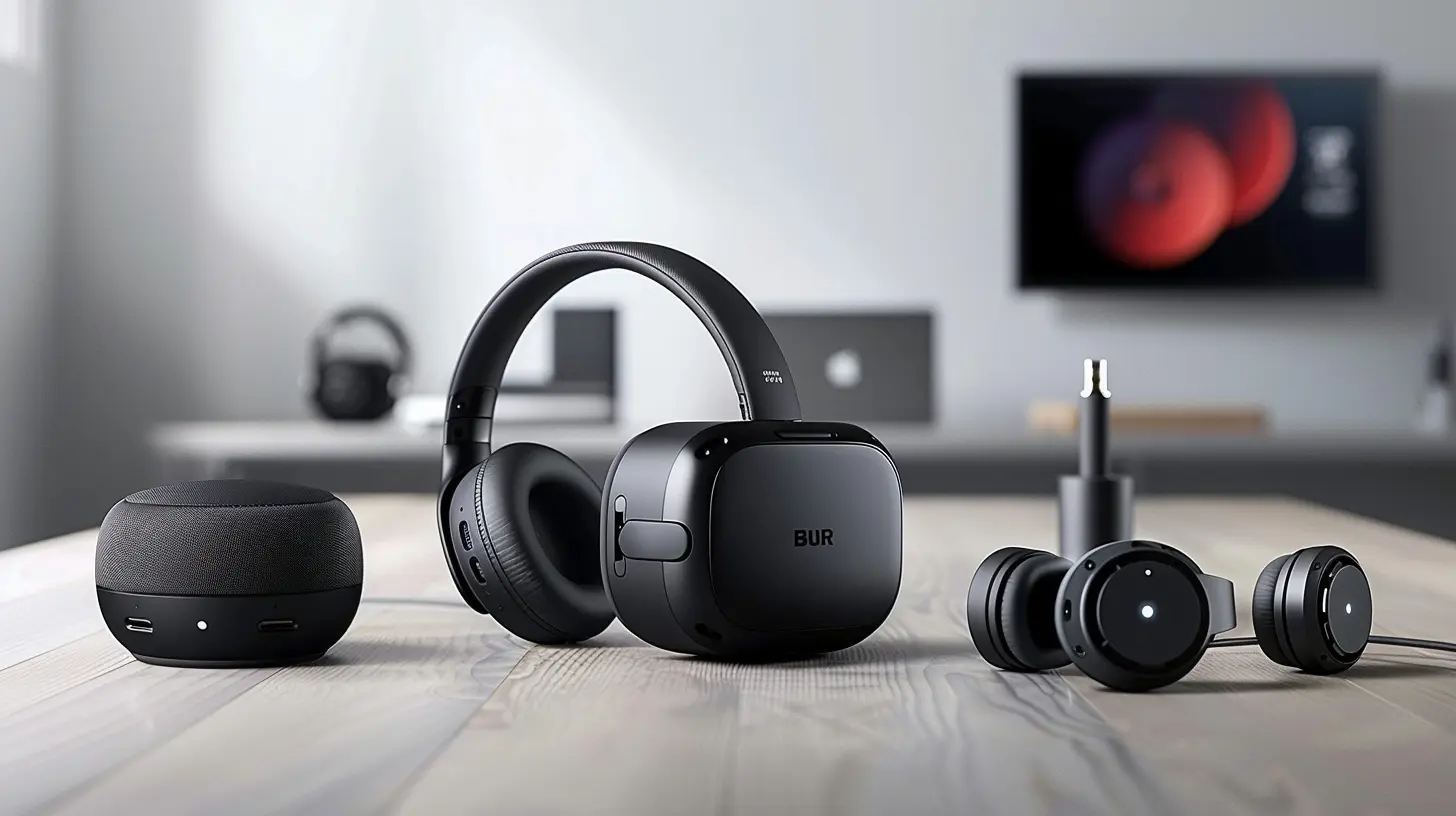
The Hardware Factor: It's Not Just the Connection
Whether you’re wired or wireless, the gear you use makes all the difference. A pair of $1,000 wired headphones will obviously outperform $50 Bluetooth earbuds — but comparing equally priced sets? That's when things get interesting.⚙️ Wired Setups: Built for Customization
Audiophiles love control, and wired setups deliver:- External DACs and Amps: You can pair high-quality digital audio converters and amps to shape the sound to your taste.
- Modular Components: Want to swap a cable, upgrade an amp, or change ear pads? Go ahead!
- Lossless Playback: With wired setups, you can listen to high-res FLAC files or even DSD audio without a hitch.
🎧 Bluetooth Setups: All-In-One Convenience
Bluetooth headphones often come with built-in DACs and amps — which in a way, limits your ability to tweak. But it also means you’re getting a plug-and-play experience.- Tuned by Brands: Many Bluetooth headphones are tuned by professional audio engineers for specific use cases: bass-heavy for commuters, balanced for casual listeners, etc.
- Portability First: Most Bluetooth setups are designed to go wherever you go — and they do so, effortlessly.
Battery Life vs. Uninterrupted Playback
Here’s something you won’t have to worry about with wired headphones: running out of juice. That’s a real bonus. Just plug in and go — no charging station required.Bluetooth devices, on the other hand, need regular charging. Forget your charger on a trip? You’re stuck in silence. Or worse, with the tinny speakers on your phone.
That little voice whispering “battery low” mid-song? It’s the audiophile’s version of nails on a chalkboard.
Practicality and Use-Case: It's All About Context
Let’s face it — not every moment in life is an audiophile moment. Sometimes, convenience just wins.- Commuting? Bluetooth takes the gold. You don’t want wires tangling while you’re elbow-deep in a crowded train.
- Critical Listening? Wired, all the way. Sit down, close your eyes, and let the sound soak in.
- Traveling? Bluetooth’s noise-cancelling features are absolute game-changers on planes.
- Studio Work? Wired. You need accuracy, low latency, and absolutely zero interference.
You don’t have to pick a side for life. Many audiophiles juggle both, depending on the setting.
Future Outlook: Is Bluetooth Catching Up?
Every year, Bluetooth closes the performance gap — just a little more. With the arrival of Bluetooth 5.3 and improvements in LE Audio and LC3 codec, the wireless revolution is quietly marching on.We’re close to a future where wireless audio might actually be indistinguishable from wired… at least to the average ear.
But here’s the catch: audiophiles aren’t the average ear.
Sure, we’re seeing wireless earbuds that can handle hi-res audio, adapt to your hearing profile, and deliver stunning soundstages — but high-end wired gear is evolving too, just like it always has.
Environmental and Portability Considerations
🔋 Sustainability Talk
Ever think about the environmental impact? Bluetooth devices rely on batteries — usually lithium-ion — which have a limited lifespan. Once the battery dies or starts degrading, your expensive wireless headphones may be doomed.Wired headphones? They last for decades. Replace a cable. Solder a new jack. Boom, good as new.
🎒 Portability Trade-Offs
There's no denying Bluetooth wins on portability. You can toss wireless buds in your pocket and hit the road. Wired gear? It can get bulky, especially if you’re carrying amps or DACs.But portability doesn’t always mean better. It just depends on what you’re looking for — quick listening or deep dives.
So, Which is Better for Audiophiles?
Drumroll, please… The answer is: _it depends_. (Yeah, we hate that answer too — but hear us out.)If you're chasing absolute sound fidelity, zero latency, and complete control over your listening experience, wired audio is still your best bet. There’s nothing quite like the warmth and precision of a high-end DAC paired with an elite set of wired headphones.
But if you value freedom of movement, smart features, and a slick, cable-free lifestyle — and you're okay with sacrificing a bit of quality — high-end Bluetooth audio is more viable now than ever before.
Let’s be real though — most audiophiles will always favor wired. Because when it comes to purity of sound, every element matters. And nothing gets between you and your music like a compressed signal.
Final Verdict
At the end of the day, it's not about Bluetooth vs. wired; it's about context and what kind of listener you are.Want to dive into an orchestral piece and pick out the violins from the violas? Go wired.
Want to clean your apartment while jamming to your favorite playlist without dragging a cable behind you? Bluetooth’s your best friend.
A true audiophile knows the right tool for the job — and sometimes, that means having both.
all images in this post were generated using AI tools
Category:
Bluetooth DevicesAuthor:

Ugo Coleman
Discussion
rate this article
2 comments
Macey McDowney
Great article! It’s fascinating to see the ongoing debate between Bluetooth and wired audio. As technology evolves, I wonder how advancements in Bluetooth quality, like aptX and LDAC, will impact audiophile preferences. Can a wireless connection truly rival the richness of wired sound? Excited to explore this further!
February 10, 2026 at 1:48 PM
Ugo Coleman
Thanks for your comment! The evolution of Bluetooth tech is indeed intriguing. While some audiophiles may always favor wired sound, advancements are definitely narrowing the gap. Excited to see where it all leads!
Finn McCracken
In the age of convenience, audiophiles face a pivotal choice: Bluetooth or wired audio. Embrace the evolution of sound; each option has its merits. Ultimately, it’s about personal preference and the passion for music. Let your ears lead the way to sonic bliss!
January 19, 2026 at 2:07 PM
Ugo Coleman
Thank you for your thoughtful comment! Indeed, the choice between Bluetooth and wired audio is ultimately about personal preference and the pursuit of an enjoyable listening experience. Each has unique advantages, catering to different audiophile needs.