Building a Seamless Smart Home Ecosystem in 2026
28 April 2026
You know that feeling when you walk into your house, arms full of groceries, and you have to fumble for the light switch, kick off your shoes, and then hunt for the remote? It’s like a tiny obstacle course every single day. Now, imagine stepping through your front door in 2026, and your home knows you’re there. The lights gently warm to a soft amber, your favorite playlist starts playing from the speakers you forgot were even there, and the thermostat adjusts to the exact temperature you love—all before you’ve even set down the milk. That’s not science fiction; that’s the promise of a truly seamless smart home ecosystem. And let’s be honest, we’ve all been burned by “smart” gadgets that felt more like a chaotic puzzle than a convenience. But 2026? This is the year it all clicks.
Why 2026 Is the Year of the Smarter Home
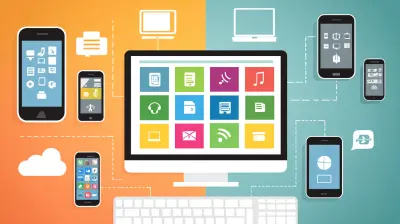
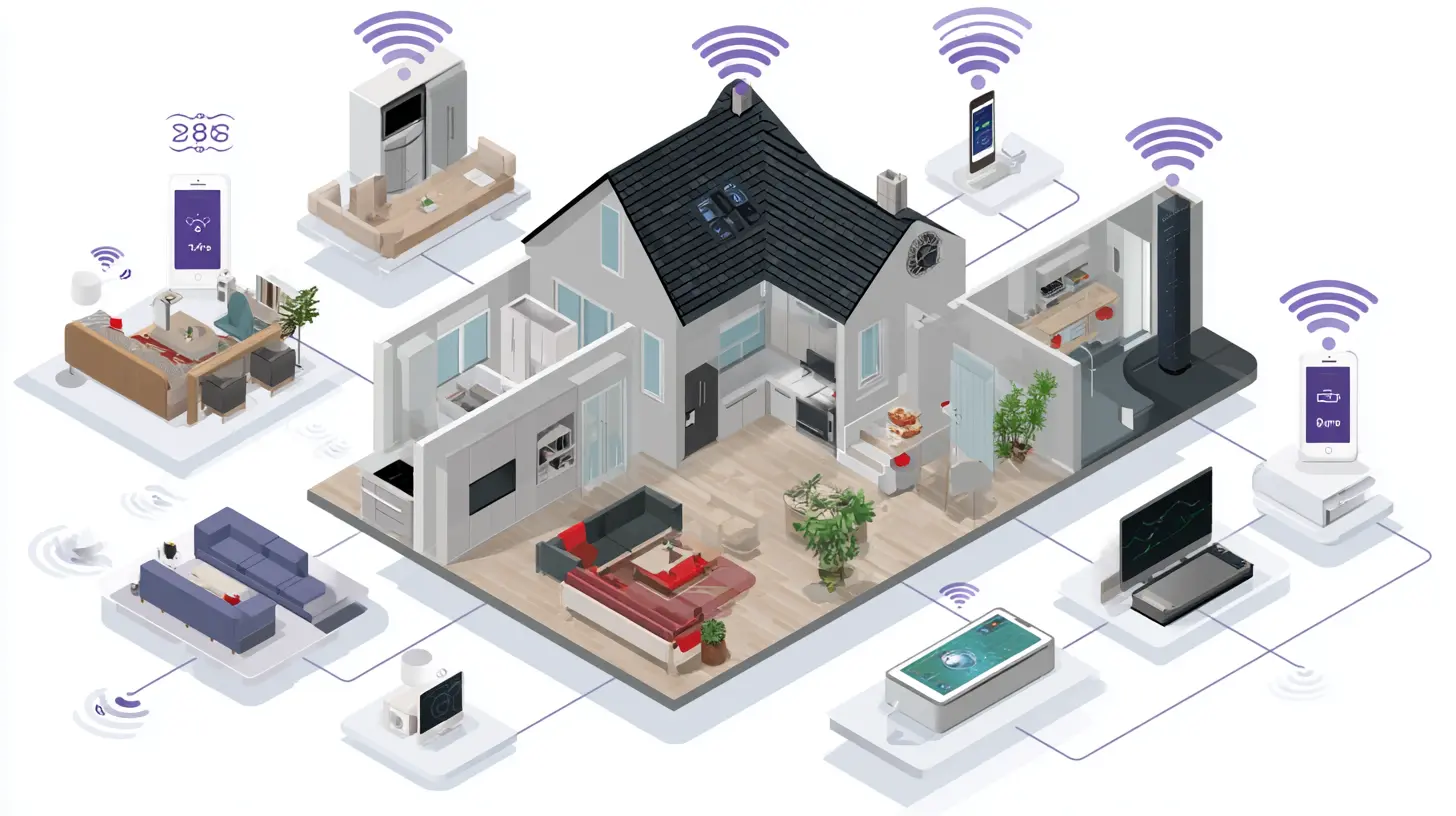
Let’s pause for a second. Haven’t we been hearing about “the smart home of the future” for, like, a decade? You might be rolling your eyes, thinking, “Yeah, right. I still have three different apps just to turn on a lamp.” I feel you. The early smart home era was a mess—like trying to build a Lego castle with pieces from four different sets. Every device spoke its own language, and you were the frustrated translator.But 2026 is different. Why? Because the technology has finally matured. We’ve moved past the era of “smart for the sake of being smart.” Now, it’s about intelligence, empathy, and—most importantly—interoperability. Think of it like the internet in the late 90s versus today. Back then, you had dial-up, AOL CDs, and websites that took forever to load. Now, it’s instantaneous, connected, and almost invisible. Your smart home in 2026 should feel the same way: it’s not about the gadgets; it’s about the experience. The pieces of the puzzle finally fit together, thanks to universal standards like Matter 2.0 and Thread, which act like a universal translator for your devices.
The Foundation: What Makes an Ecosystem “Seamless”?
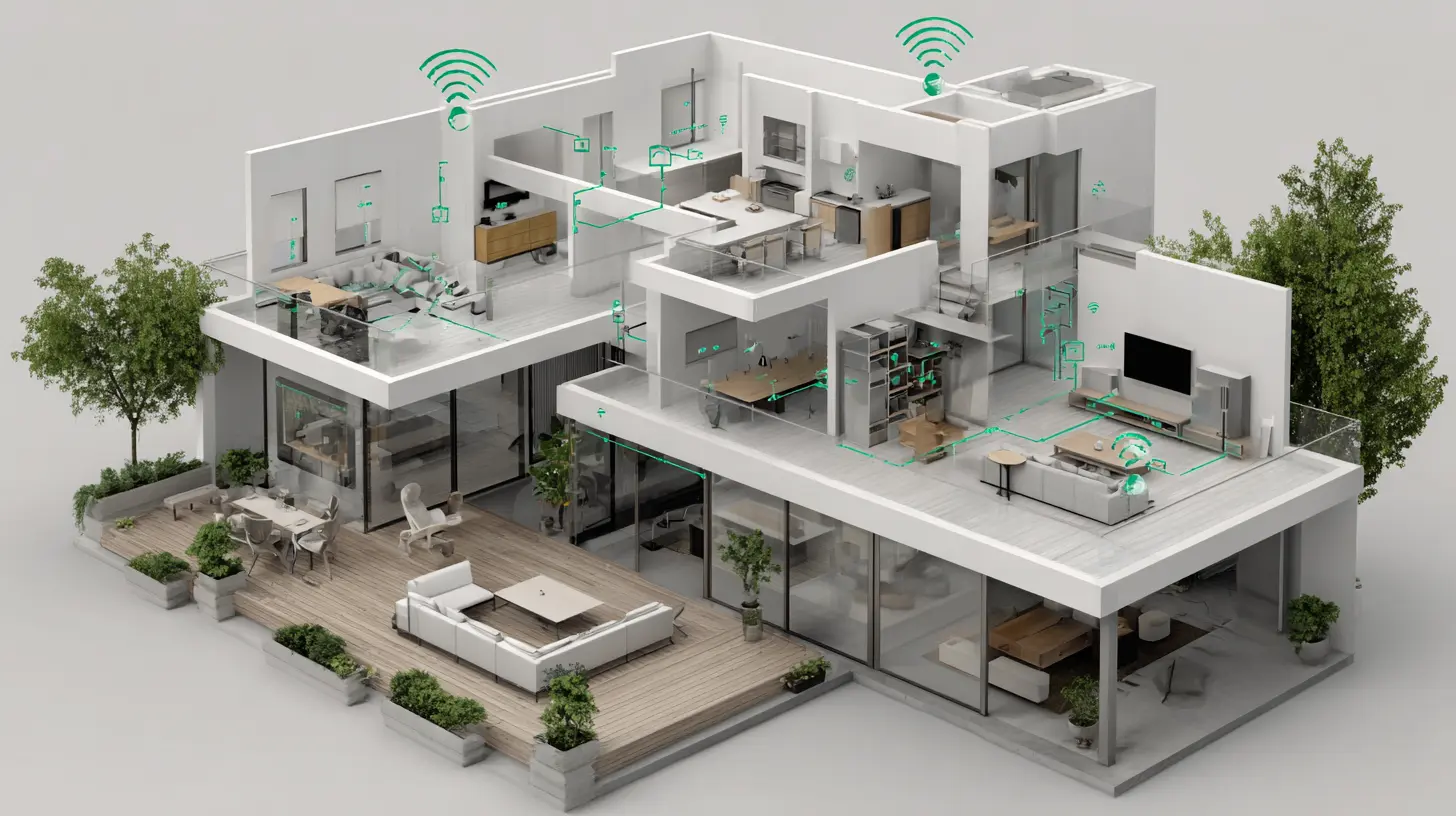
Before we dive into the fun stuff—the lights, the locks, the robot vacuum that knows when you’re having a bad day—we need to talk about the foundation. A seamless smart home isn’t about having the most expensive gear. It’s about harmony. Imagine your home as a symphony orchestra. You don’t want the trumpets blaring while the violins are still tuning up. You want a conductor—a central hub, if you will—that brings everything together.In 2026, the best ecosystems are built on three pillars: reliability, context, and simplicity.
- Reliability means your lights don’t randomly disconnect when you’re about to watch a movie. It means your door lock doesn’t glitch out when you’re running late for work. This isn’t a “nice to have”; it’s a must. In 2026, local processing (where your hub does the thinking, not the cloud) is the gold standard. No more waiting for a server in another country to decide if your porch light should turn on.
- Context is where the magic happens. Your home doesn’t just react to commands; it understands your patterns. It knows you usually dim the lights at 9 PM on weekdays, and it anticipates that. It’s like having a butler who remembers you prefer Earl Grey, not chamomile, after dinner.
- Simplicity is the secret sauce. You shouldn’t need a degree in computer science to set up a routine. In 2026, voice assistants are smarter, but the real heroes are automation. You set it once, and you forget it. The ecosystem just works.
The Heart of the Home: Choosing Your Central Hub
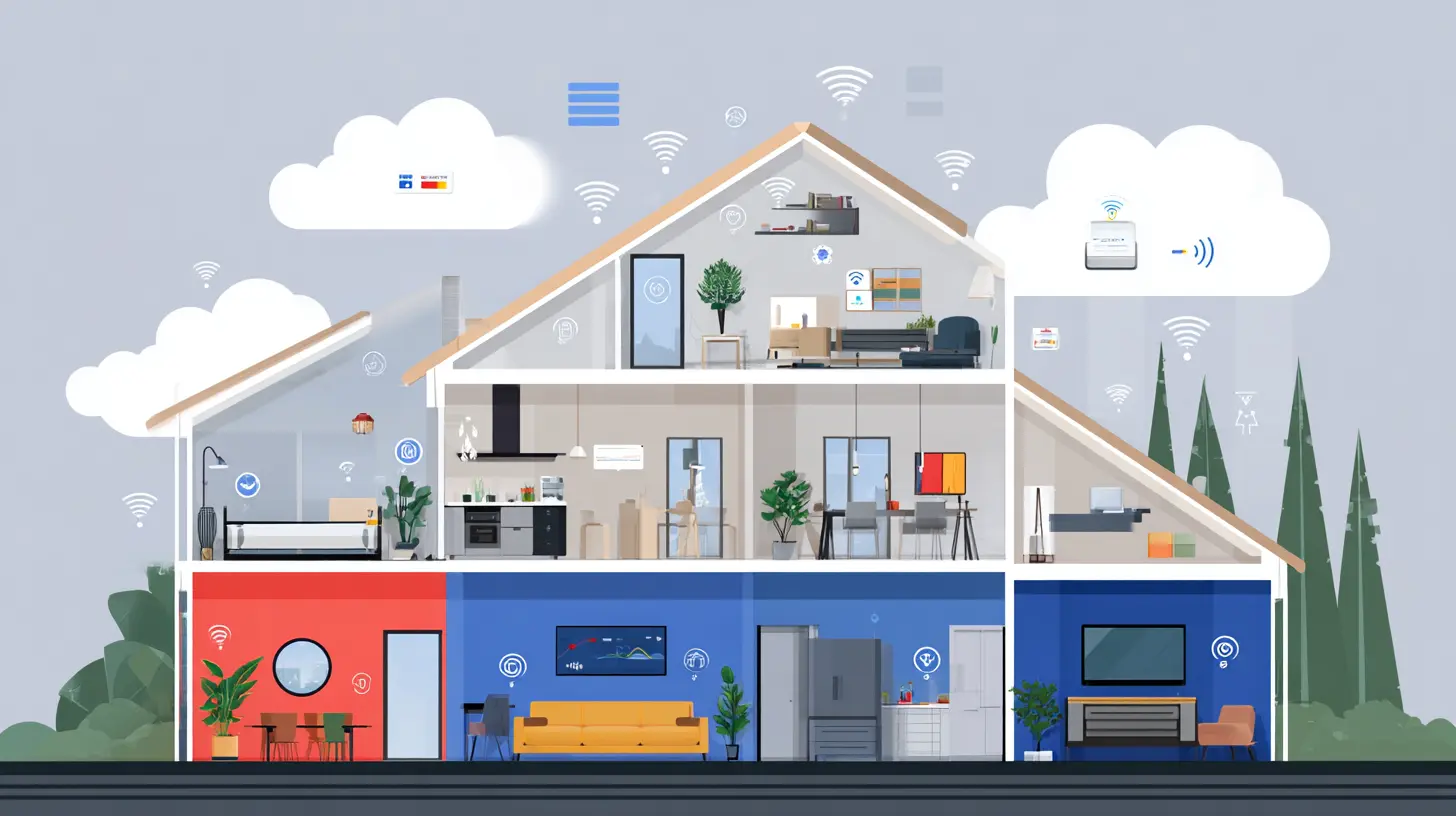
Let’s be real—you can’t have a seamless ecosystem without a strong heart. This is your central hub, the brain that connects everything. In 2026, the hub is no longer a bulky box hidden in a closet. It’s often built into your smart speaker, your router, or even your TV. Think of it as the captain of your ship.So, which one should you choose? It depends on your tribe. If you’re an Apple household, the HomePod mini (or its 2026 successor) is your best bet. It’s like the cool, quiet friend who just gets things done. If you’re a Google family, the Nest Hub Max is your visual command center, showing you your camera feeds and calendar at a glance. And for the open-source enthusiasts, Home Assistant (running on a Raspberry Pi or a dedicated box) is the ultimate DIY playground—like building your own starship from spare parts.
But here’s the golden rule for 2026: pick one hub and stick with it. Don’t mix Apple, Google, and Amazon hubs unless you want a digital Tower of Babel. A single ecosystem ensures your routines fire off without a hitch. It’s like choosing one language for your family dinner conversation—much less confusing.
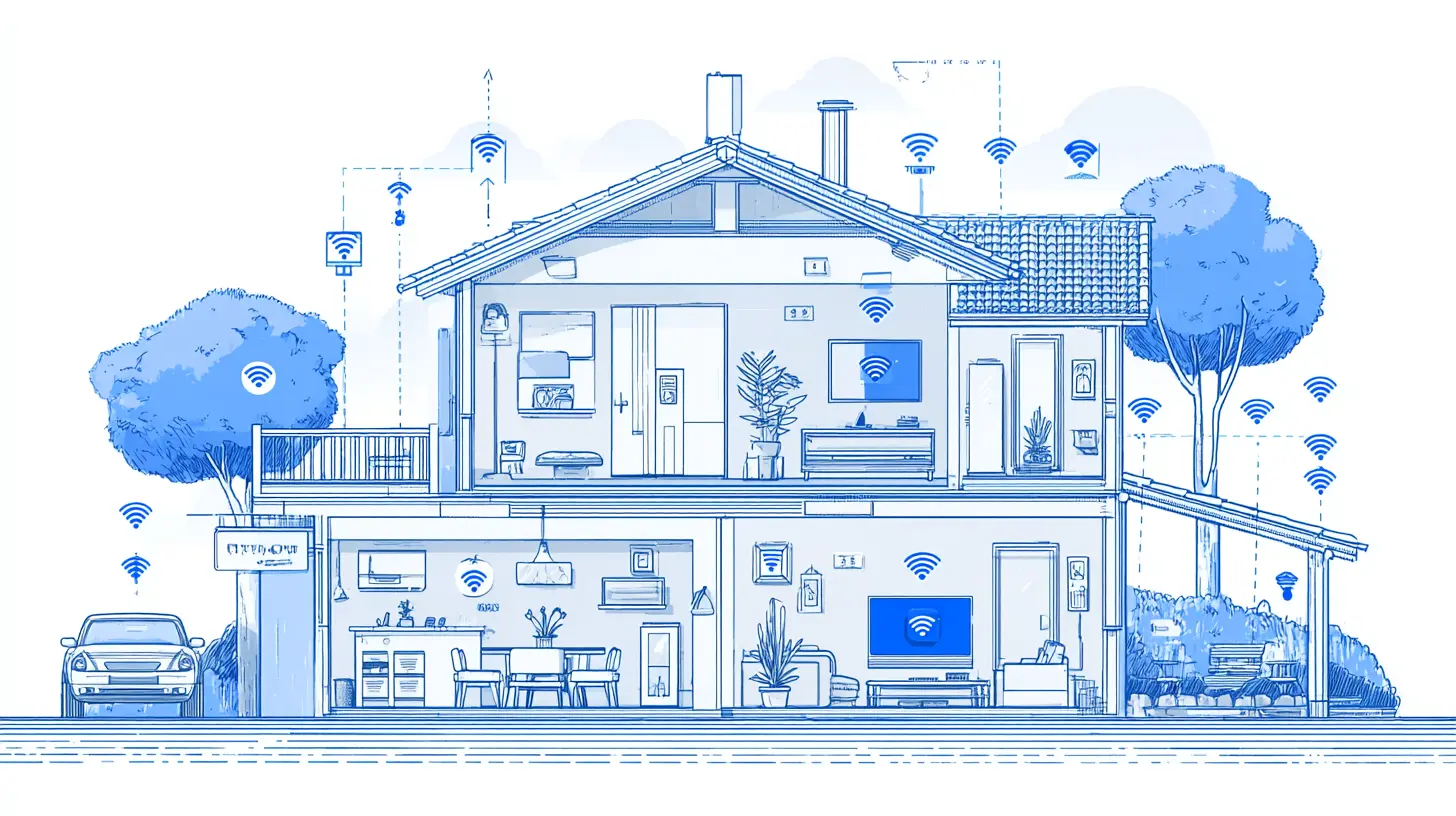
Lighting That Listens (and Adapts)
Now, let’s talk about the most impactful upgrade you can make: smart lighting. In 2026, lighting isn’t just about turning on and off. It’s about mood and health. You’ve probably heard of circadian rhythm lighting—lights that adjust their color temperature throughout the day to mimic the sun. In the morning, they’re cool and bright to wake you up. In the evening, they shift to a warm, amber glow to help you wind down. It’s like having a personal sunrise and sunset inside your home.But here’s the kicker: in a seamless ecosystem, your lights don’t just run on a timer. They talk to your other devices. For example, when your smart alarm clock (or your phone’s sleep tracking app) detects you’re waking up, the bedroom lights slowly brighten over 15 minutes, mimicking dawn. No more jarring alarm bells. When your smart doorbell detects you’re leaving for work, the lights turn off automatically. And when you’re watching a movie, the lights dim to 10% brightness, syncing with your TV’s content. It’s not just convenient; it’s almost poetic.
Climate Control: The Invisible Comfort
Heating and cooling are the unsung heroes of a comfortable home. In 2026, smart thermostats are old news, but they’re smarter than ever. The real innovation is in zoned climate control and energy awareness. Imagine this: you have a smart thermostat in the living room, a sensor in the bedroom, and another in the home office. Instead of heating the whole house to the same temperature, your system learns which rooms you use and when.If you’re working from home, the office stays toasty, while the guest room stays cool. At night, the bedroom gets a gentle pre-heat, while the living room drops a few degrees. It’s like having a personal weather system for each room. And here’s the best part: your energy bill goes down because you’re not wasting heat or AC on empty spaces. In 2026, smart blinds also join the party. They automatically close on hot summer afternoons to keep the house cool, and open on sunny winter days to let in free solar heat. Your home becomes a living, breathing organism that adapts to the environment.
Security That Cares, Not Creeps
Let’s address the elephant in the room: security. I know, the idea of cameras in your home can feel invasive. But a seamless smart home ecosystem in 2026 prioritizes privacy and context over paranoia. Gone are the days of grainy, always-recording cameras that upload everything to the cloud. Now, we have on-device AI and privacy zones.Your doorbell camera, for example, uses AI to distinguish between a package delivery, a neighbor, and a stranger. It doesn’t send you a notification for every leaf that blows by. It only alerts you when it matters. And the footage is processed locally on the device, not sent to some distant server. You have full control over what gets recorded and for how long.
Smart locks are also more intuitive. You can set temporary codes for guests or cleaners that expire after a few hours. Your garage door knows when you’re pulling into the driveway and opens automatically—no remote needed. And the best part? Your security system integrates with your lights. If a motion sensor detects movement at night, the lights in that area turn on to scare off any potential intruders. It’s not about being watched; it’s about being protected.
Entertainment That Follows You
Remember the hassle of switching inputs on your TV, or trying to cast music from your phone to a speaker in another room? In 2026, that’s a distant memory. A seamless ecosystem means your media follows you. You start a podcast in the kitchen while making breakfast, and as you walk to the living room, the audio seamlessly transfers to the speakers there. It’s like your music has legs.Multi-room audio is a given, but the real star is contextual playback. Your system knows you’re in the kitchen cooking dinner, so it plays your “Cooking Vibes” playlist. When you sit down to eat, it lowers the volume and switches to a relaxing jazz station. When you say, “Movie time,” the blinds close, the lights dim, and the TV turns on to your favorite streaming service—all from one voice command or a single tap on your phone.
And let’s not forget about smart displays. They’re not just for video calls anymore. They show you your calendar, weather, and camera feeds at a glance. They can even act as digital picture frames when idle. In 2026, your smart display is the family hub—a place to leave notes, see who’s at the door, or control the whole house.
The Kitchen: Where Smart Meets Savory
The kitchen is the heart of many homes, and in 2026, it’s getting a brain. Smart appliances have come a long way. Your oven can preheat itself based on a recipe you found online. Your fridge knows when you’re running low on milk and adds it to your shopping list. Your coffee maker starts brewing when your alarm goes off.But the real magic is in the integration. Imagine this: you’re following a recipe on your smart display. It tells you to preheat the oven to 350°F. With a single tap, the oven starts preheating. It tells you to set a timer for 20 minutes, and the oven timer is automatically set. When the timer goes off, your smart lights flash gently to get your attention, and your smart speaker announces, “Dinner’s ready!” It’s like having a sous-chef who never complains.
And for the health-conscious, smart appliances can track your eating habits and suggest recipes based on what’s in your fridge. It’s not about being controlled by your kitchen; it’s about having a helpful assistant that makes cooking easier and less stressful.
The Emotional Side: Why This Matters
Okay, let’s get real for a moment. All this talk about hubs, routines, and sensors can feel a bit cold, right? But here’s the thing: a seamless smart home isn’t about the tech. It’s about you. It’s about coming home after a long, exhausting day and feeling your shoulders drop because your house has already taken care of the little things.It’s about not having to argue with your partner about who left the lights on. It’s about feeling safe when you’re traveling, knowing you can check your cameras and lock the doors from your phone. It’s about saving money on energy bills without even thinking about it. It’s about having more time for the people and things you actually love, instead of fiddling with switches and remotes.
Think of your smart home as a supportive friend. It doesn’t judge you for leaving the garage door open. It doesn’t get annoyed when you ask it to play the same song three times. It just quietly makes your life a little easier. And in a world that feels increasingly chaotic, that quiet support is priceless.
Common Pitfalls (And How to Avoid Them)
I’d be lying if I said building a seamless ecosystem is always easy. There are traps you can fall into. First, don’t buy everything at once. Start with one room—maybe the living room—and get it working perfectly before expanding. It’s like cooking a complex meal; you don’t throw all the ingredients in at once.Second, avoid cheap, no-name devices. They might save you $20 now, but they’ll cause headaches later when they don’t connect properly or lose support. Stick with brands that are part of the Matter alliance. It’s like buying a car from a reputable manufacturer versus a kit car you built in your garage.
Third, keep your Wi-Fi strong. A seamless ecosystem relies on a solid network. Invest in a mesh Wi-Fi system if you have a large home. Dead zones are the enemy of automation.
Finally, don’t over-automate. It’s tempting to create a routine for everything, but sometimes you just want to flip a switch manually. Give yourself the option to override. A smart home should serve you, not the other way around.
Looking Ahead: The Future Beyond 2026
We’ve covered a lot, but the journey doesn’t end here. Beyond 2026, we’ll see even more integration with AI that learns your habits over weeks, not days. We’ll see homes that can predict maintenance issues—like a leaky pipe—before they happen. We’ll see energy grids that talk to your home to optimize usage during peak hours.But for now, 2026 is the sweet spot. The technology is mature enough to be reliable, but still new enough to be exciting. Building a seamless smart home ecosystem isn’t about being on the cutting edge. It’s about crafting a space that supports you, anticipates your needs, and fades into the background when you don’t need it.
So, are you ready to take the plunge? Start small. Pick your hub. Add a light bulb. See how it feels. Because once you experience a home that works with you instead of against you, you’ll wonder how you ever lived any other way.
all images in this post were generated using AI tools
Category:
Smart Home TechnologyAuthor:

Ugo Coleman
Discussion
rate this article
2 comments
Galina McDermott
This article offers a solid roadmap for creating a cohesive smart home. Emphasizing integration and user experience is key. I'm curious how emerging technologies will further enhance connectivity and security in our homes over the next few years.
June 2, 2026 at 2:24 AM
Ugo Coleman
Thanks for your insights! I agree, emerging technologies will play a pivotal role in shaping smarter and more secure homes in the near future. Exciting times ahead!
Soliel Johnson
Great insights on smart home integration! As more devices become interconnected, prioritizing user-friendly interfaces and robust security will be crucial for enhancing overall user experience in 2026.
April 29, 2026 at 3:35 AM
Ugo Coleman
Thank you! Absolutely—2026 will be defined by how invisibly and securely these layers connect.