Building the Future of Space Stations: From Modularity to Sustainability
14 February 2026
Space isn’t the final frontier anymore—it’s starting to look more like the next neighborhood over. The once-distant dream of orbiting habitats and commercial space hubs is inching towards reality faster than we imagined. But here’s the kicker: building the future of space stations isn’t just about launching a few metal cans into orbit. We’re talking about a total reimagination—something straight out of sci-fi. Think modular living, green tech, autonomous bots, and even bioregenerative life systems.
But how exactly do you build the future... in space?
Let’s unpack this exciting journey, from the concept of modularity to the wild world of sustainability in zero-gravity.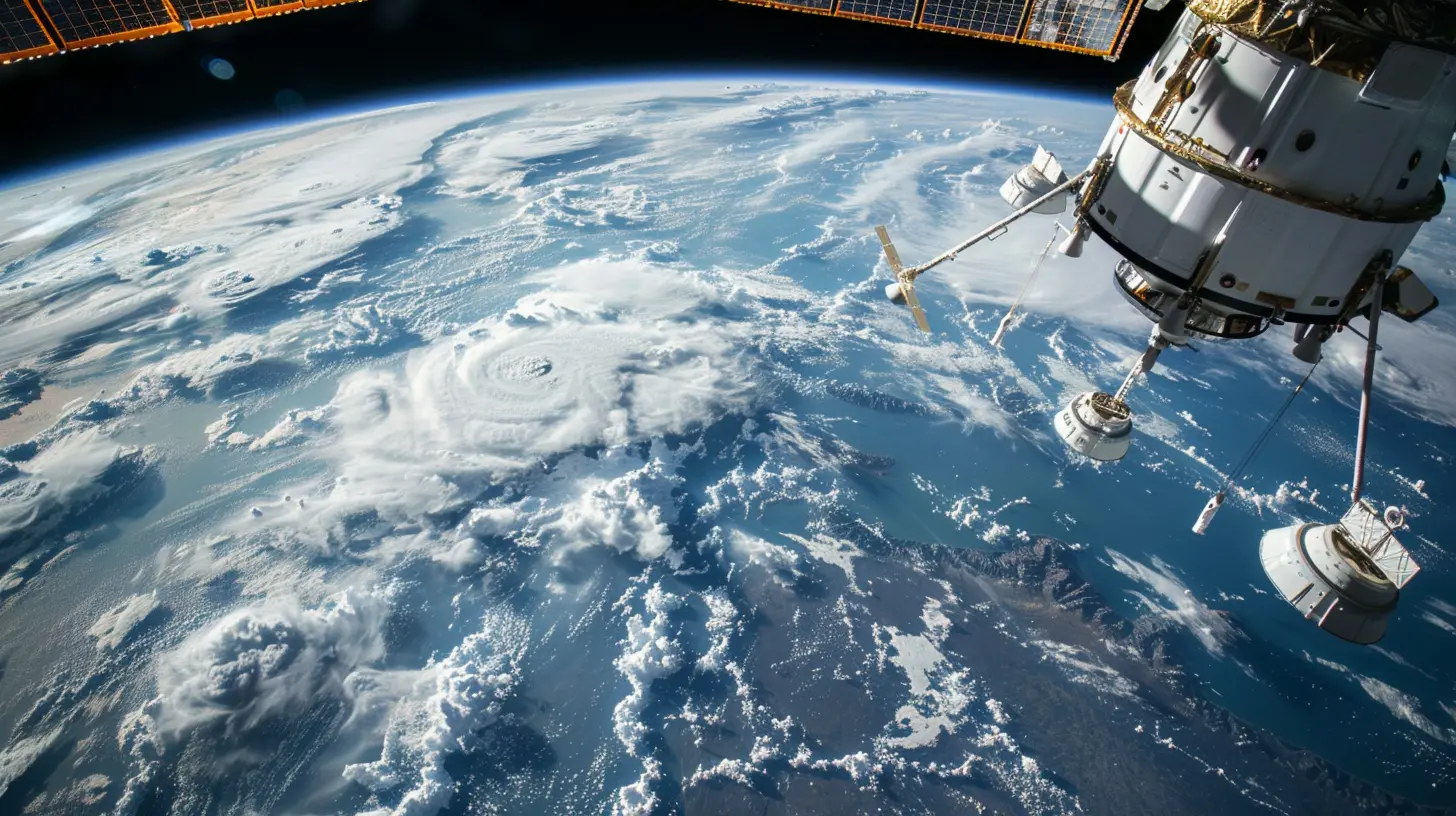
The Evolution of Space Habitats: From Mir to Tomorrow
To figure out where we’re going, let’s take a quick peek in the rearview mirror.Remember Mir, the Russian space station from back in the day? It was a beast in its time, cobbled together over years in a modular fashion. Then came the International Space Station (ISS), a global powerhouse of collaboration that’s been orbiting Earth since 1998. The ISS showed us it's possible for countries to work together more than 250 miles above Earth—even if some of them don’t get along down here.
But there’s a catch...
The ISS is aging. Fast. It’s expensive, and its time is almost up. That means we’re on the brink of a new era—and the blueprints are already in the works.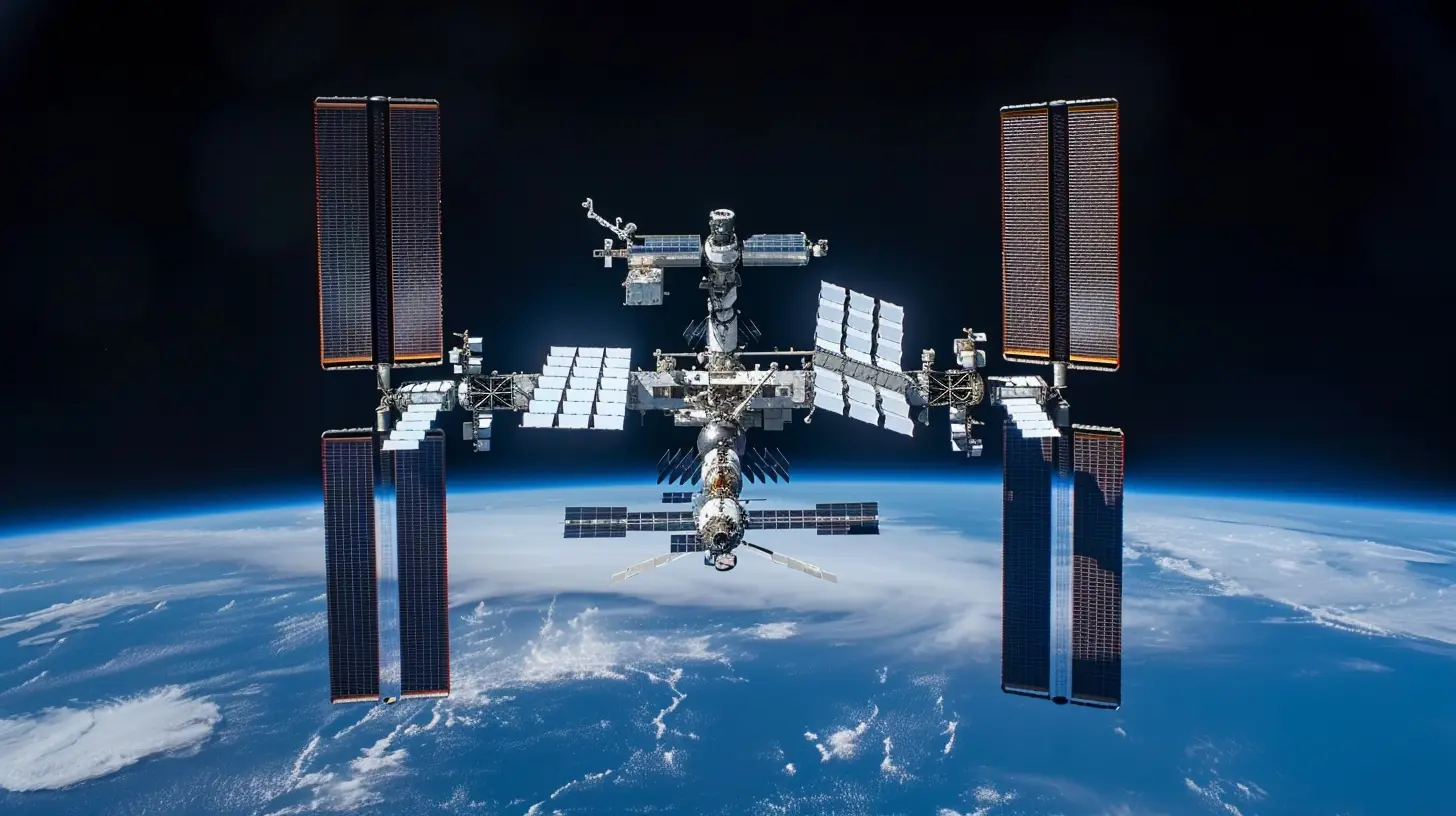
Why Modularity is the Backbone of Future Space Stations
Alright, let’s get into modularity. What even is that?Imagine LEGO bricks. That's modularity in action. Instead of building one giant structure and launching it all at once (which would be ridiculously costly and risky), you send up smaller pieces—modules—that can be snapped together in orbit.
But it's not just about convenience. Modularity brings a ton of benefits:
- Flexibility: You can start small and scale up. Want an extra lab? Just plug it in.
- Redundancy: If one piece breaks, you’re not toast. You just swap in a new one.
- Customization: Different modules can serve different purposes—labs, living quarters, greenhouses—whatever you need.
Pretty neat, right?
NASA, SpaceX, Blue Origin, and a bunch of other players are already designing modular stations. Take Axiom Station, for instance—it’s like the Airbnb of space, planning to plug into the ISS first, then go fully independent.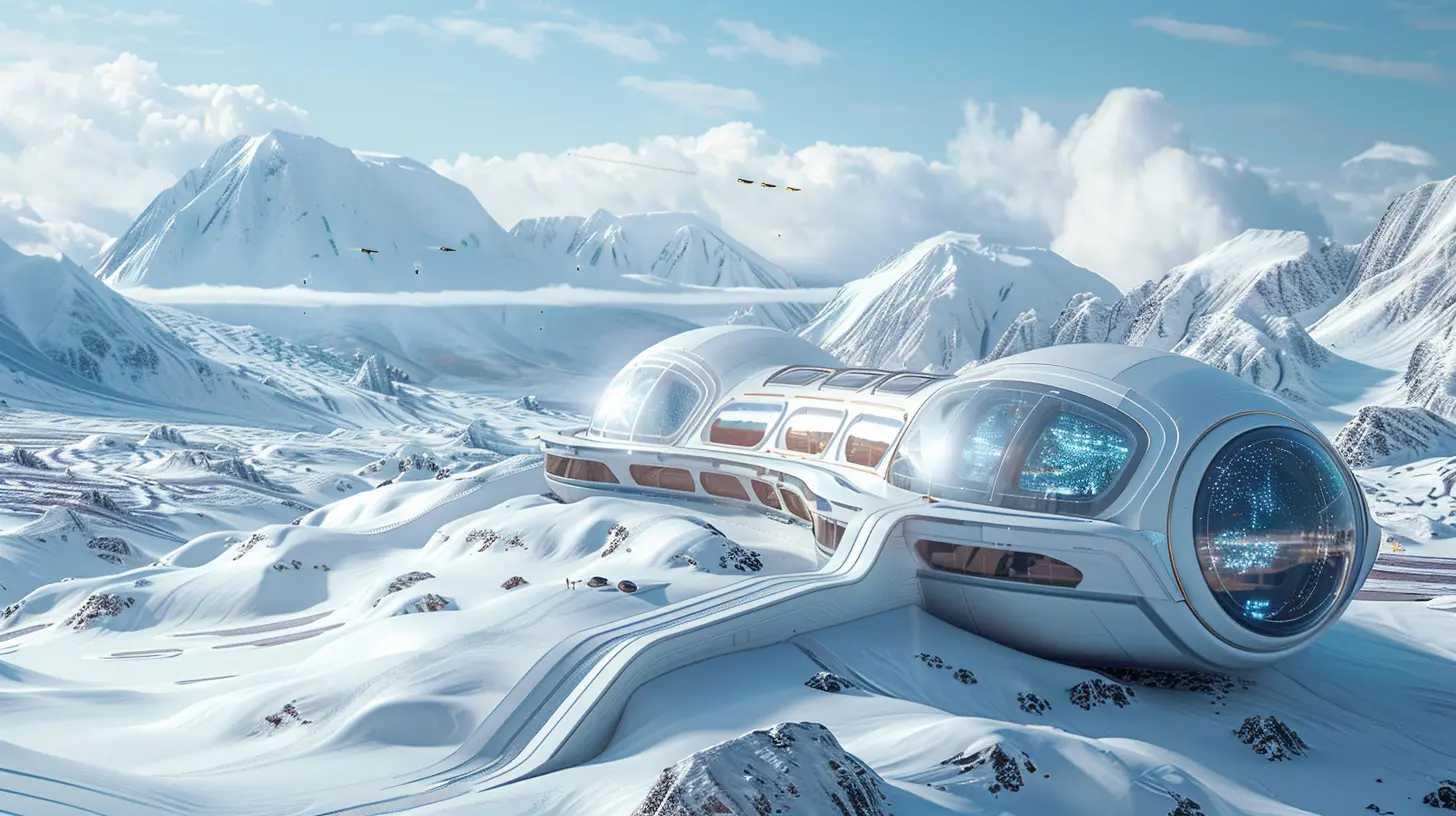
Enter the Private Space Race: The Commercialization of Orbit
The future of space isn’t just government-funded anymore.Companies are launching into the game with full throttle. Literally.
We're seeing the rise of commercial space stations that aim to serve as hotels, research labs, manufacturing hubs, and even film studios (yes, movies in space are becoming a thing).
Here’s why this matters:
- Reduced Costs: Private companies are innovating faster and cheaper.
- Increased Innovation: Competition brings creativity—think inflatable habitats and robotic construction arms.
- Mass Accessibility: The dream is to make space "normal" for researchers, tourists, and maybe even you someday.
Sounds insane? Maybe. But history is full of insane ideas that became reality. Smartphones, driverless cars, and virtual assistants—all nuts once upon a time.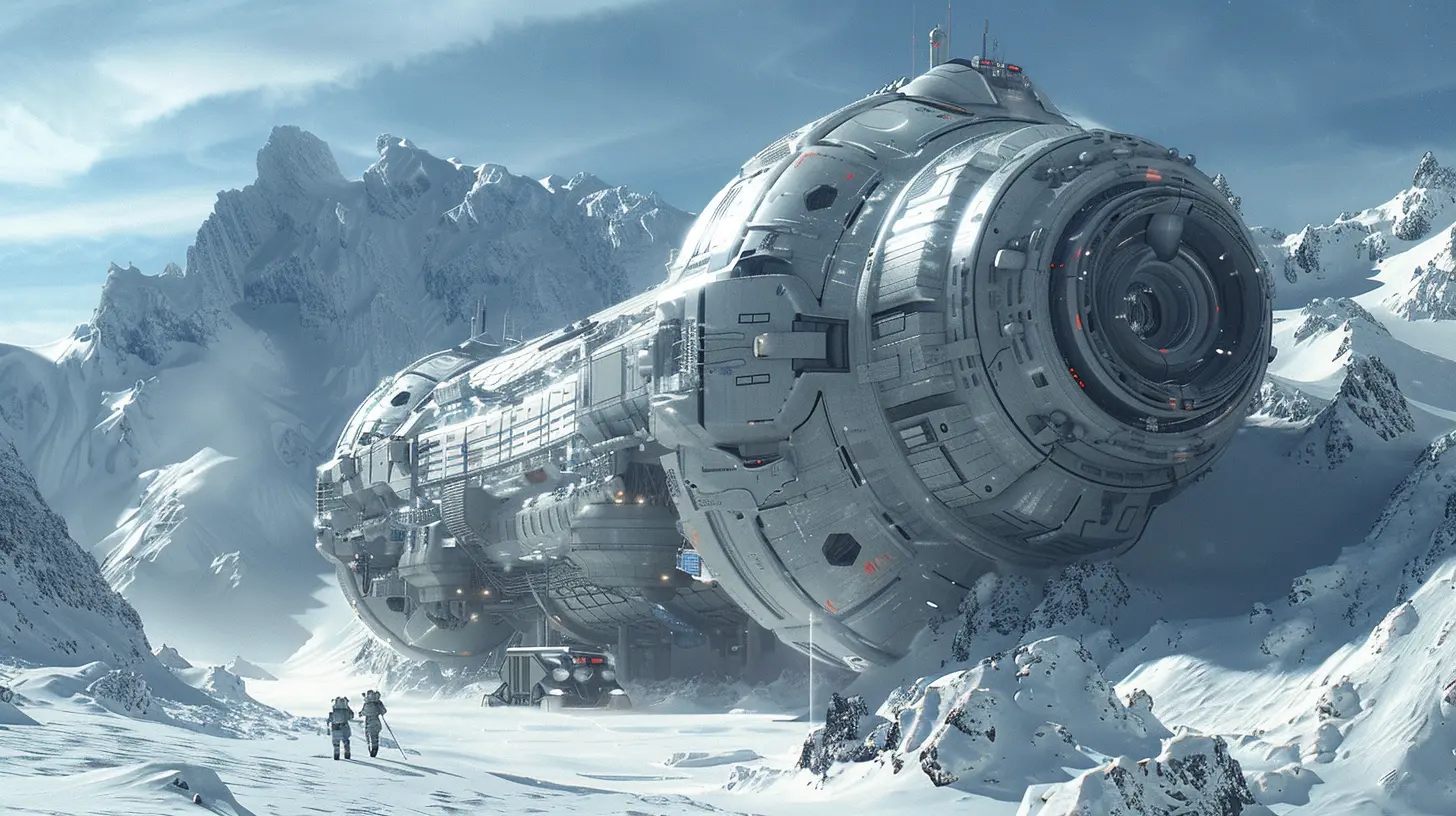
Sustainability in Space? Yep, It’s Happening.
Now here’s where things get really interesting.We’re not just building bigger and more modular stations—we’re building smarter. And by smarter, I mean sustainable.
Sustainability in space? Sounds like a paradox. After all, the void of space isn’t exactly eco-friendly. But here’s the deal...
Every pound launched into space costs thousands of dollars. Resources like water, oxygen, and food are precious. Tossing things away like we do on Earth? No chance.
So what's the solution?
Closed-Loop Systems
Imagine living in a sealed ecosystem where absolutely nothing is wasted. That’s what space stations are aiming for. Pee gets recycled into drinking water. Air is scrubbed and reused. Food waste? Compost or repurposed into energy.Weird? Maybe. But brilliant.
Renewable Energy Sources
Solar is the star of the show here—pun intended.Space stations are designed to sip energy from the Sun like an eternal power bank. With modern solar arrays and energy storage systems, stations can operate more independently than ever before.
In-Situ Resource Utilization (ISRU)
This one’s a bit sci-fi but hang tight.Rather than launching everything from Earth, what if you could gather materials from space? Like mining the Moon for raw stuff or collecting ice from asteroids?
That's ISRU in a nutshell. And while we haven’t nailed it yet, it’s on the radar. Once we master this, building and maintaining space stations becomes way more efficient.
Autonomous Maintenance and AI: Letting Robots Do the Dirty Work
Let’s face it: space is dangerous.Micrometeorites, radiation, and plain ol' mechanical failures can turn a dream mission into a nightmare. That’s why automation and AI are becoming critical.
Picture this: a swarm of mini-robots scuttling around a station, fixing leaks, checking systems, and even doing construction without human help. Sounds wild, but that’s the goal.
AI will also help manage life support, communications, and logistics. It’s like having a super-intelligent building manager that never sleeps.
And here’s the kicker—this tech won’t just stay in space. The same AI systems could improve smart buildings and tech systems right here on Earth.
Designing for Human Life: It’s More Than Just Oxygen and Walls
People aren't machines. We need more than air and food. We need comfort, connectivity, and mental stimulation. So, future space stations are being designed with human psychology in mind.We’re talking:
- Natural lighting simulations to mimic Earth’s day-night cycle.
- Private pods for downtime and personal space.
- Virtual reality environments to reduce isolation.
- Green spaces with actual plants to provide a calming, Earth-like vibe.
Living in space could feel less like surviving—and more like thriving.
The "Space Station of Tomorrow": What Will It Really Look Like?
So, what’s the Space Station 2.0 gonna be?Honestly? Think bigger. Think bolder.
- Modular and expandable like giant LEGO sets.
- Powered by clean energy, mostly from the Sun.
- Sustainably managed with zero-waste systems and eco-tech.
- Autonomously maintained thanks to robots and AI.
- Commercially operated, not just government-run.
- Designed for people, with comfort, privacy, and well-being in mind.
And hopefully, accessible to more than just astronauts and billionaires. Maybe even college students doing research. Or one day... your grandkids on a field trip to low-Earth orbit?
Challenges Ahead: It’s Not All Smooth Sailing
We can't wrap this up without facing the hard truths.- Radiation: Earth’s magnetic field protects us from cosmic rays. Space? Not so much.
- Debris: Space junk is a legit threat—one collision could be catastrophic.
- Economic viability: Will space stations actually make money, or burn it?
- International regulations: Who owns what in orbit? It’s still a legal mess.
But you know what? We’ve overcome worse. Humans are annoyingly good at finding solutions when our backs are against the cosmic wall.
What Does All This Mean for Us?
Building the future of space stations isn’t just about exploring space. It’s about redefining what it means to live, work, and survive off the planet.It’s about using imagination and cutting-edge tech to build floating cities in the sky. It's about creating ecosystems where every drop of water and breath of air is recycled. It’s about designing for humans—messy, emotional, curious humans—in a place where nature never intended us to be.
In a way, space stations are more than labs or habitats. They’re symbols of what we can do when we push the limits. When we think beyond “possible.”
And hey, maybe the next launch you watch won’t just be another payload delivery.
Maybe it’ll be the first bricks of humanity’s second home.
all images in this post were generated using AI tools
Category:
Space TechnologyAuthor:

Ugo Coleman
Discussion
rate this article
2 comments
Inez McMeekin
Great article! It’s exciting to see how modular designs and sustainable technologies are shaping the future of space stations. Innovations like these will not only enhance exploration but also inspire new ways of living on Earth!
March 1, 2026 at 4:36 AM
Ugo Coleman
Thank you! I'm glad you found the article exciting. Modular designs and sustainable technologies truly have the potential to transform both space exploration and life on Earth.
Stacey McKenzie
As humanity ventures deeper into space, modular and sustainable designs for space stations will redefine our approach to exploration. They symbolize not just technological advancement but a profound commitment to harmony with nature, ultimately reflecting our values and priorities as a civilization.
February 18, 2026 at 5:57 AM
Ugo Coleman
Thank you for your thoughtful comment! I completely agree that modular and sustainable designs are crucial for the future of space exploration, reflecting our values and commitment to both innovation and environmental harmony.