Can Tech Innovation Solve the Global Water Crisis?
24 May 2026
Let’s face it—water is kind of a big deal. It’s the lifeblood of everything we do. From brushing your teeth in the morning to growing the food on your plate, water is the unsung hero of our everyday lives. But here’s the kicker: despite being surrounded by oceans, rivers, and glistening lakes, over 2 billion people globally still struggle to access safe, clean water.
Yeah, that’s not just a drop in the bucket. That’s a flood of problems.
And as climate change turns up the heat and populations continue to surge, things aren’t exactly going to get any easier. But here’s the silver lining—technology. Yup, the same tech that brought us cat filters, self-driving cars, and smart fridges might just hold the key to solving the global water crisis.
So let's dive in (pun totally intended) and see how tech is stepping up to make sure our future isn’t high and dry.
The Global Water Crisis: What’s Actually Going On?
Before we get starry-eyed over futuristic water tech, it’s crucial to understand the depth of the issue.Picture this: despite Earth being 70% water, only about 2.5% of that is freshwater. And here’s the zinger—less than 1% of that freshwater is accessible. The rest is frozen or buried deep underground.
Now add pollution, overuse, inefficient infrastructure, and climate change into the mix, and you’ve got a recipe for some serious water woes.
In plain English? We're in trouble.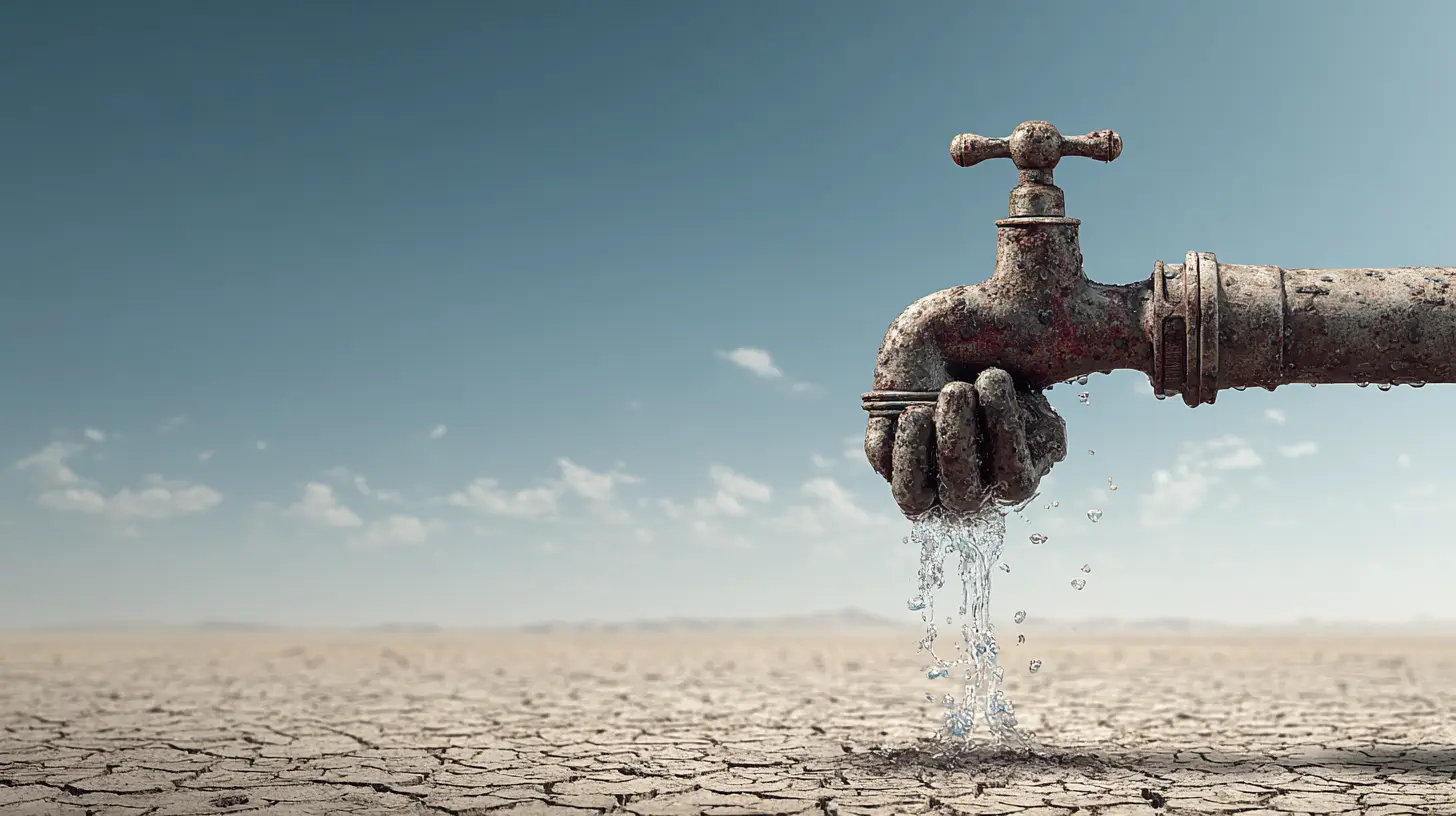
So, Can Tech Save Us?
Short answer: Maybe.Long answer: It depends on how fast we can develop, deploy, and scale the tech—plus whether everyone gets to benefit from it.
Let’s cruise through some of the exciting, jaw-dropping, sometimes weird-but-genius innovations that are making waves in the water sector.
1. Desalination: Turning Saltwater into a Sip
Ever tried drinking seawater? Don’t. It’s gross and dangerous.But with desalination technology, turning salty ocean water into fresh drinking water is no longer just sci-fi stuff—it’s happening right now.
? How It Works
Desalination typically works through a process called reverse osmosis, which uses a semi-permeable membrane to filter out salt and other nasties from seawater. Think of it like a super picky coffee filter that only lets fresh H₂O through.? The Pros and Cons
- Pros: It’s a dependable source, especially for coastal cities. Israel and Saudi Arabia are already rocking this tech big time.- Cons: It’s energy-hungry, expensive, and the leftover brine (super salty water) can hurt marine ecosystems if not disposed of properly.
But wait—solar-powered desalination plants are changing the game by reducing energy costs and environmental harm. That’s a tech move in the right direction.
2. Water from Thin Air: Atmospheric Water Generators (AWGs)
This one sounds like magic, but it's real science. Atmospheric water generators literally pull water out of thin air. Yep, air contains water vapor, and these devices capture and condense it into drinkable water.? Real-World Use
Companies like Watergen and Zero Mass Water have already rolled out these devices in places like Africa, India, and remote US towns where water access is tough.Bonus? They can run on solar power. Take that, water shortage!
3. Smart Irrigation Systems: Making Every Drop Count
Agriculture guzzles up nearly 70% of all freshwater used by humans. Shocking, right? And a lot of that water goes to waste due to outdated irrigation methods.Enter smart irrigation systems.
? What’s So Smart About It?
Using sensors, weather forecasts, and AI, these systems deliver just the right amount of water to crops—no more, no less. It’s like giving plants a perfectly tailored hydration diet.Farmers save water, crops get optimal nourishment, and the planet breathes a little easier. Win-win-win.
4. Leak Detection Tech: Stop the Drip, Save the Drop
Let’s talk leaks. Not the "someone spilled the tea" kind, but the kind that costs cities billions of gallons of water every year. Aging pipes and poor maintenance are massive culprits.? Enter IoT and AI
With the help of Internet of Things (IoT) sensors, smart meters, and AI analytics, utilities can now track water flow in real time and catch even the tiniest leaks before they become geysers. Think of it as having a virtual plumber on 24/7 standby.5. Wastewater Recycling: Not Gross, Just Genius
Okay, okay. The idea of drinking recycled wastewater (aka “toilet to tap”) might make you cringe a little. But when done right, it's perfectly safe—and more importantly, incredibly smart.? How It Works
Advanced purification systems clean wastewater through multiple stages—filtration, chemical treatment, and UV light—until it meets or even exceeds drinking water standards.Cities like Singapore and even drought-stricken Orange County, California are already using recycled water for drinking, farming, and industrial use. It's like life giving itself a second chance.
6. AI and Big Data: The Water Brainiacs
Sometimes, the solution isn’t about building something new—it’s about understanding what we already have.Cue AI and big data, the power couple of modern tech. They process mind-boggling amounts of information to help us forecast water demand, monitor pollution, manage resources, and respond quickly to emergencies like floods or droughts.
Think of them as water wizards, casting predictive spells to make water systems smarter and more efficient.
7. Blockchain Tech: Making Water Transparent (Literally)
You’ve probably heard of blockchain in relation to crypto, but it’s also being applied to water management.How? By ensuring transparency and accountability in water distribution. With blockchain, every drop can be tracked, and every transaction is recorded immutably. This can help prevent water theft (yes, that’s a thing), corruption, and mismanagement—especially in regions where water is scarce and valuable like liquid gold.
The Challenges: Why Tech Alone Isn’t Enough
Alright, before we start throwing a tech parade, let’s get real for a sec.Even the coolest water tech won’t solve the crisis unless we also tackle:
- Affordability — Many of these technologies are still pricey and out of reach for developing nations.
- Policy and Governance — Without solid laws and enforcement, technology can’t work its magic.
- Infrastructure — Some places don’t even have clean pipes, let alone smart sensors.
- Public Awareness — People need to know how to conserve water and why it matters.
In short, tech is the tool, not the whole toolbox.
The Future Is Liquid (and Bright?)
So, can tech innovation solve the global water crisis? If it were a yes-or-no exam, the answer would probably be a cautious "yes—with help."What’s clear is that technology holds massive potential to reshape how we source, use, and reuse water. But to turn potential into reality, we need collaboration—between governments, private sectors, innovators, and everyday people.
That means you too. Whether it’s by fixing that leaky faucet, supporting water-friendly tech startups, or simply spreading awareness, every drop of effort counts.
Because when it comes to water, we’re all in the same boat. And with the wind of technology in our sails, we might just steer toward a hydrated, hopeful future.
Final Thoughts: A Wave of Change
We’ve got 99 problems, but water shouldn’t be one of them. With the right mix of innovation, collaboration, and good ol' common sense, we can ensure clean water isn’t a luxury but a basic human right for everyone, everywhere.And hey—if we can build apps that recognize our face, predict traffic, and deliver pizza faster than we can blink, surely we can crack the water crisis. So here’s to hoping that the next big tech breakthrough isn’t just buzzy—it’s a drink of life.
all images in this post were generated using AI tools
Category:
Tech NewsAuthor:

Ugo Coleman
Discussion
rate this article
2 comments
Rachael Stewart
The intersection of tech innovation and the water crisis is promising yet complex. Solutions like smart irrigation and desalination present potential, but scalability and sustainability remain concerns. collaboration between tech developers, governments, and communities will be crucial to ensure these innovations truly address the multifaceted nature of water scarcity.
September 7, 2026 at 4:41 AM
Ugo Coleman
You're absolutely right. While tech innovations like smart irrigation and desalination hold promise, their success hinges on effective collaboration and sustainable implementation. Addressing water scarcity requires a holistic approach that balances technology, policy, and community needs.
Blaine McCabe
Tech innovation holds promise for addressing the global water crisis, but it's not a silver bullet. Sustainable practices, community involvement, and policy changes must complement technological solutions. Only through a multifaceted approach can we hope to secure clean water for future generations.
May 29, 2026 at 4:13 AM
Ugo Coleman
You make a great point. While tech can help, it's clear we need a holistic approach that includes community efforts and smart policies to truly tackle the water crisis.