Exploring the Moon: Why Lunar Bases are Closer Than Ever
14 March 2026
For decades, the idea of humans living on the Moon seemed like something out of a sci-fi movie. But now? It’s starting to look a lot more like reality.
With advancements in space technology, artificial intelligence, and international collaborations, setting up a permanent lunar base isn't just wishful thinking—it's an achievable goal.
But why all this sudden excitement around the Moon? And more importantly, what makes a lunar base possible today when it wasn’t feasible just a few decades ago? Let’s dive into it. 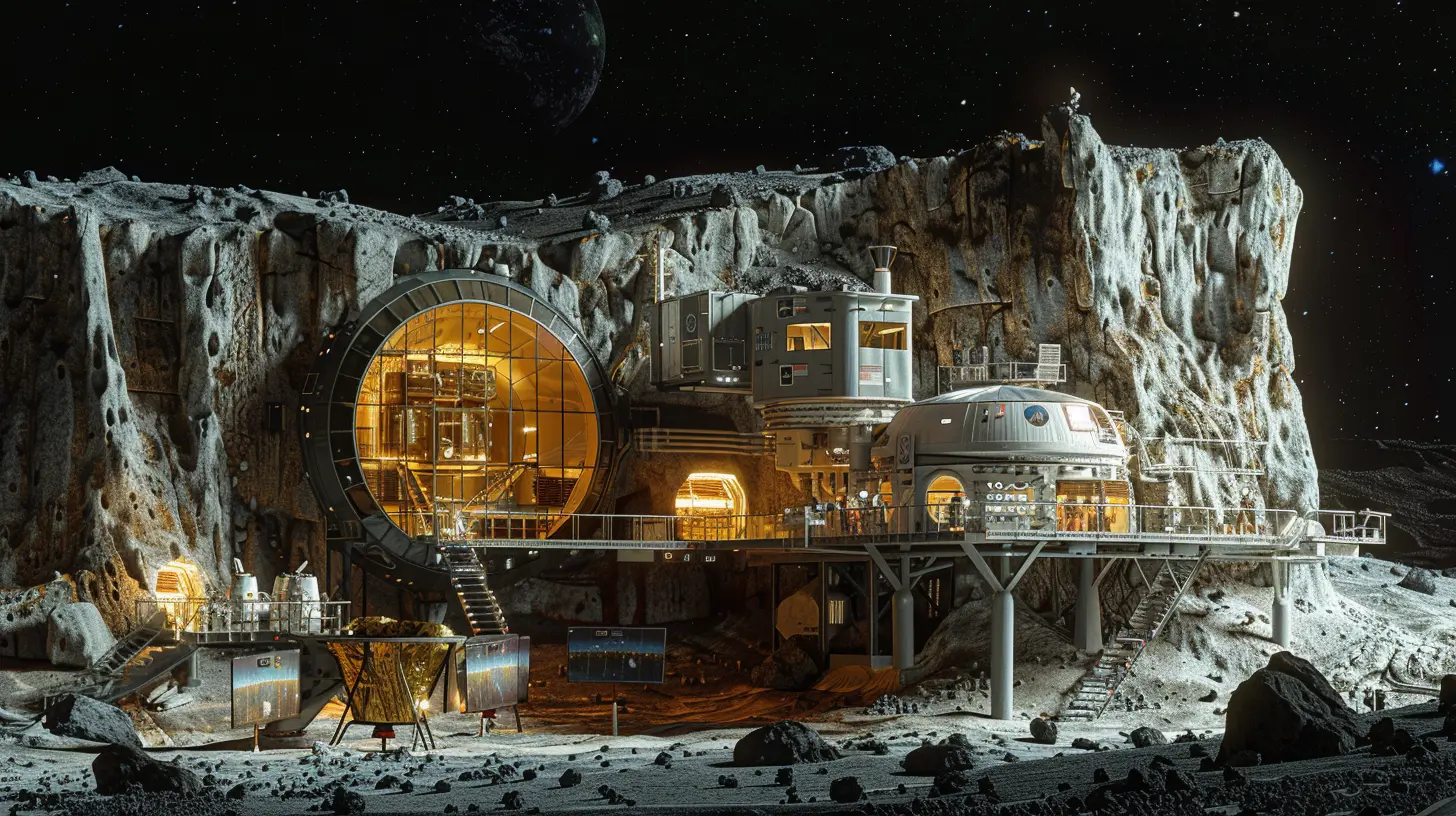
Why the Moon?
Before we get into the how, let’s talk about the why. Why are space agencies so eager to establish a lunar base?1. A Stepping Stone to Mars
If we want to colonize Mars in the future, the Moon is the perfect testing ground. It's close enough (just three days away) to allow for trial and error, yet far enough to simulate the challenges of deep space exploration.2. Resource Availability
The Moon isn’t just a dry rock floating in space—it holds essential resources like water ice, which could be used for drinking water, oxygen production, and even rocket fuel. That means future astronauts might not have to haul everything from Earth, making Moon missions more sustainable.3. Scientific Exploration
The Moon has billions of years of history recorded on its surface. Studying it can reveal secrets about the early solar system, including how Earth and other planets formed.4. Economic Potential
Believe it or not, the Moon might become a goldmine—literally. It has rare minerals like Helium-3, which could be used for future fusion energy, and other valuable metals that industries on Earth might one day need.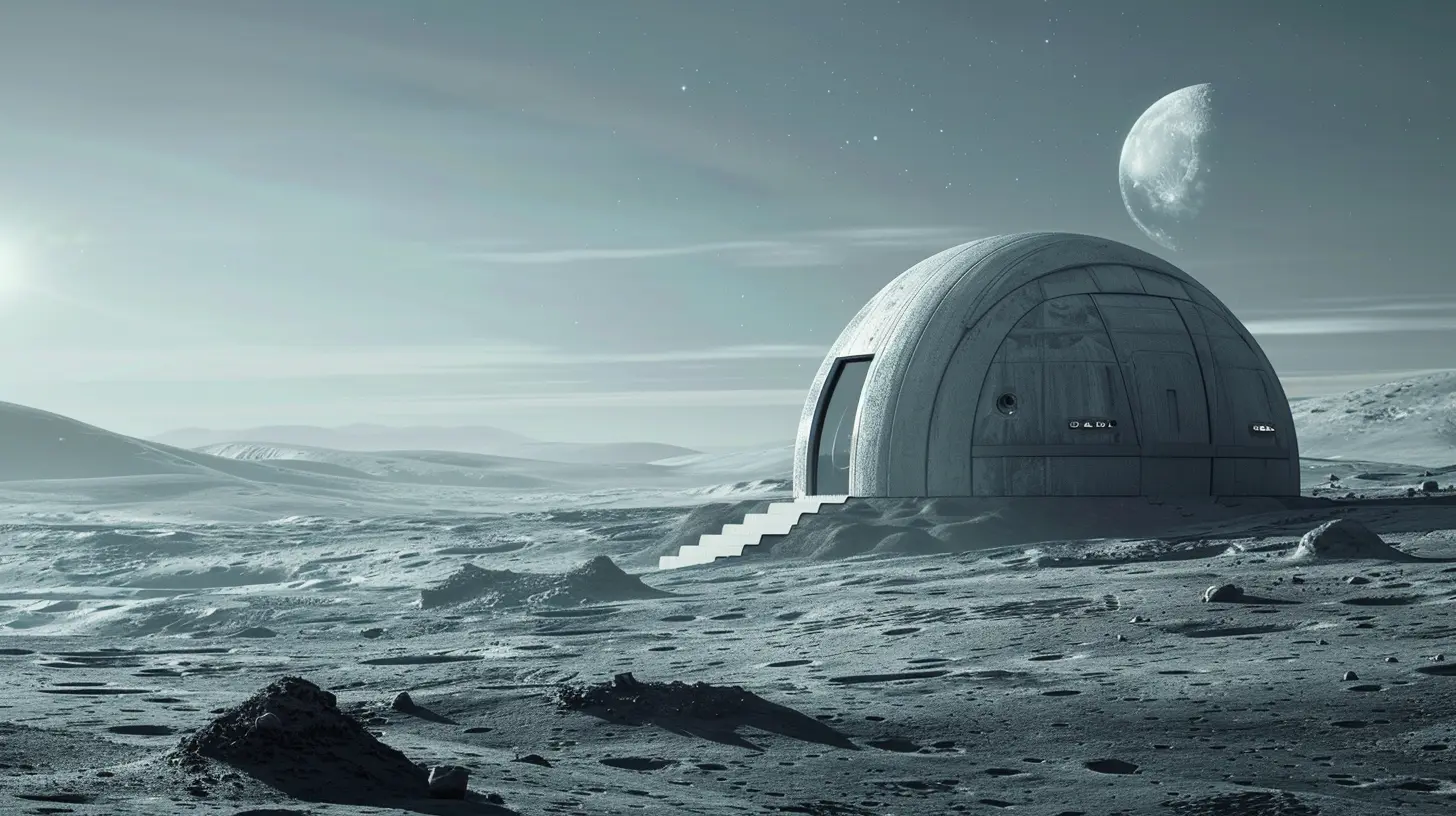
What’s Making Lunar Bases Possible Now?
We’ve been to the Moon before, so why haven’t we built a base already? Well, things are different today. The technology, economics, and global interest have all aligned to make this dream a real possibility.1. Advances in Spacecraft Technology
Space travel is getting cheaper and more efficient. Companies like SpaceX, Blue Origin, and NASA have designed reusable rockets that significantly lower mission costs. The Artemis program, led by NASA, is also working on a new generation of powerful rockets designed to carry astronauts and cargo to the Moon.2. In-Situ Resource Utilization (ISRU)
This is a fancy way of saying "using what’s already there." Instead of sending enormous amounts of supplies from Earth, we’re figuring out how to use the Moon’s resources—like extracting water from lunar ice or building structures with moon dust (regolith).3. International Collaboration
Unlike the Cold War-era space race, today’s missions are more global. The Artemis Accords have brought together multiple nations to help establish a lunar base, sharing knowledge and resources to make it happen.4. Artificial Intelligence & Robotics
AI and robotics are playing a crucial role. Autonomous rovers and robotic arms can explore, mine resources, and even assist in constructing habitats—reducing the risks for human astronauts.5. Private Spaceflight & Commercial Interests
NASA isn’t the only player in the game anymore. Private companies like SpaceX, Blue Origin, and Astrobotic are developing landers, habitats, and infrastructure that could make lunar living a reality sooner than expected.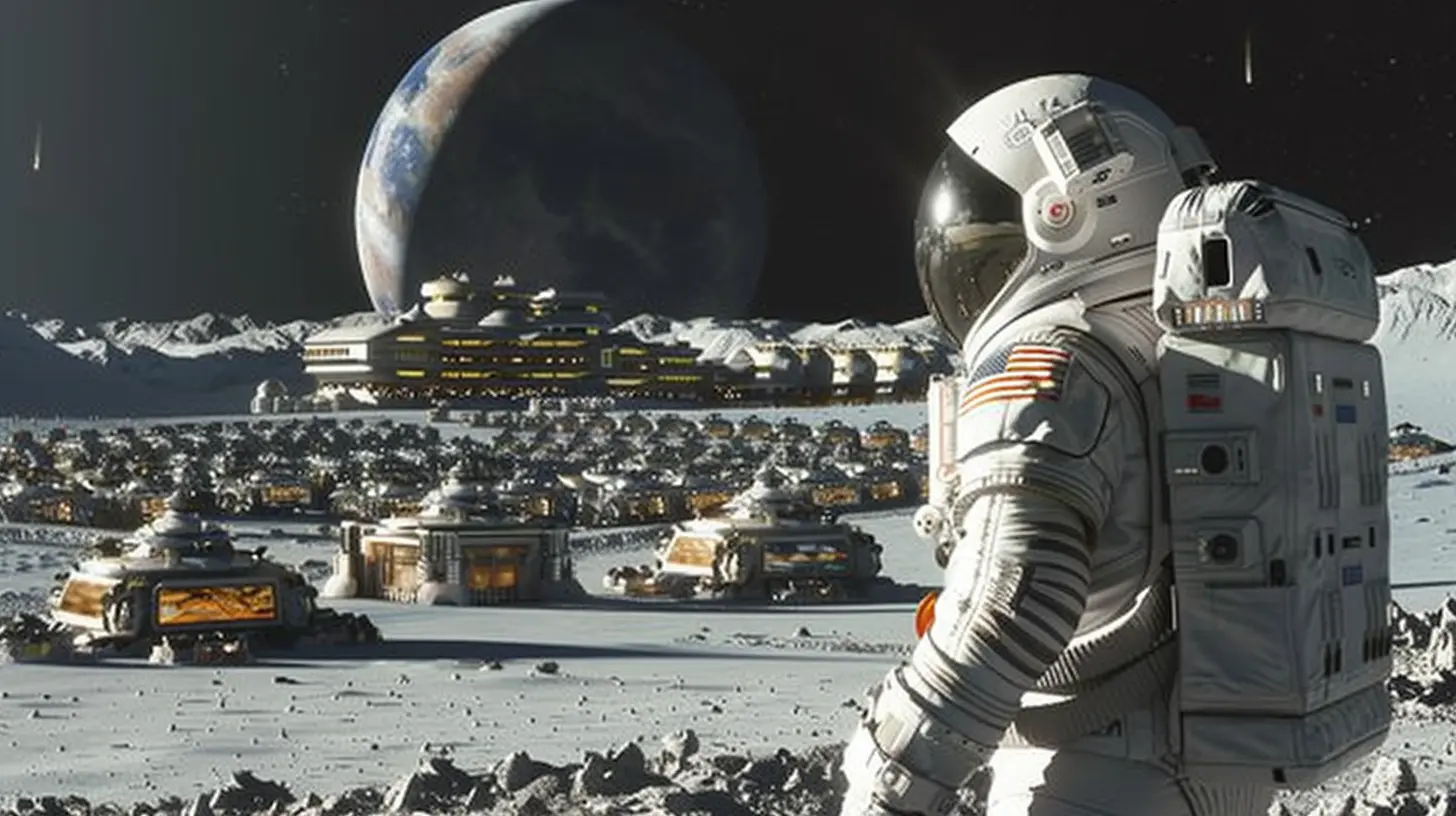
Challenges of a Lunar Base
Of course, building a lunar base won’t be easy. Here are some of the biggest hurdles we need to overcome.1. Extreme Temperatures
The Moon has no atmosphere to regulate temperature, which means it swings between -250°F (-157°C) at night and 250°F (121°C) during the day. That’s a serious challenge for both humans and equipment.2. Radiation Exposure
Earth’s atmosphere protects us from harmful space radiation, but the Moon offers no such shield. Long-term exposure could be hazardous to astronauts, so protective habitats will be essential.3. Lunar Dust
Believe it or not, Moon dust is a huge problem. It’s abrasive, sticks to everything, and can damage equipment and even human lungs. Engineers are working on solutions, but it remains a tricky obstacle.4. Transportation & Logistics
Even though Moon travel is becoming more affordable, sending supplies and people is still incredibly expensive and complex. Efficient supply chains, resource utilization, and smart planning will be key to success.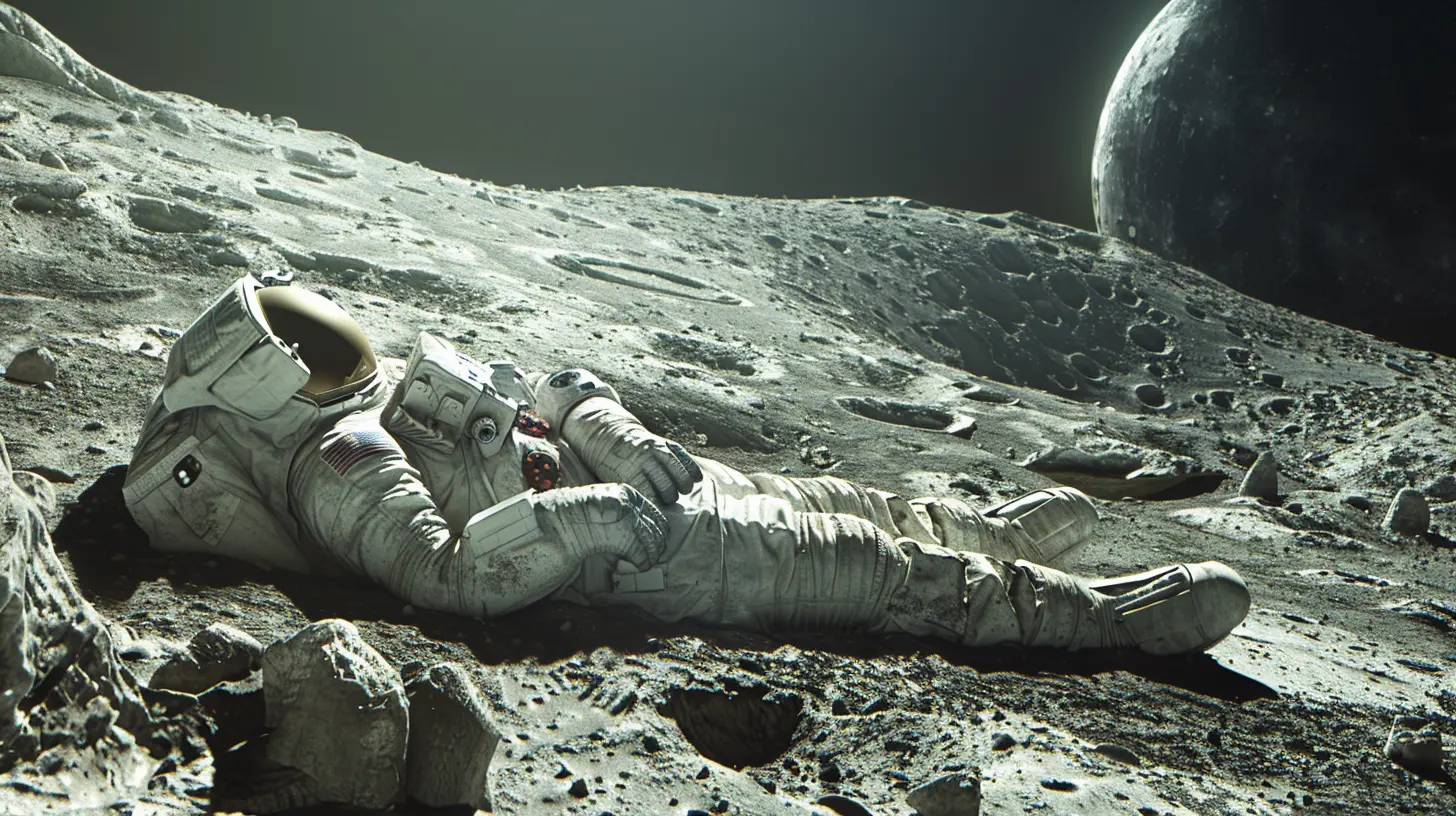
The Race to Build the First Moon Base
Now that we know what's possible, who's leading the charge to make a lunar base happen?NASA’s Artemis Program
NASA is aiming to return humans to the Moon by 2025 with Artemis III. Their long-term goal? A sustainable lunar outpost called the Lunar Gateway, which will act as a staging point for surface missions and deep space exploration.China’s Lunar Ambitions
China has made extraordinary progress with its Chang’e missions and has partnered with Russia to develop an International Lunar Research Station (ILRS). They’re planning missions throughout the 2030s to establish their own base.ESA & Other International Partners
The European Space Agency (ESA) has plans for a Moon Village, a collaborative project that would bring countries and private industries together to create a permanent presence on the Moon.SpaceX & Private Companies
Elon Musk’s SpaceX is focused on getting humans to Mars, but a lunar base aligns perfectly with that mission. Their Starship rocket could play a pivotal role in ferrying supplies and astronauts to the Moon.What Comes Next?
So, what’s the timeline? When can we actually expect humans to call the Moon home?- 2025-2030: The first Artemis crewed missions will land and begin setting up infrastructure. Robotic missions will continue to map and test resource extraction.
- 2030-2040: Permanent outposts should be operational, supporting long-term human stays and scientific research.
- Beyond 2040: Fully built-out lunar habitats, possibly even self-sustaining colonies with industry and tourism.
It’s safe to say that within the next two decades, we’ll likely see humans living on the Moon in some capacity.
Final Thoughts
A lunar base is no longer just a wild dream—it’s becoming an inevitable reality. With technology advancing at breakneck speed, international collaborations growing stronger, and private companies pushing the boundaries of space travel, a permanent human presence on the Moon is closer than ever.It won’t be easy, but history has shown us that the greatest achievements come from pushing beyond what seems possible. The Moon is calling, and this time, we’re going to stay.
all images in this post were generated using AI tools
Category:
Space TechnologyAuthor:

Ugo Coleman
Discussion
rate this article
2 comments
Storm McGuire
Lunar bases aren't just a dream—they're an imminent reality. With advancements in tech and international collaboration, we're not just exploring the Moon; we're establishing humanity's next frontier. Let's go!
March 16, 2026 at 4:16 AM
Ugo Coleman
Absolutely. The pieces are finally in place. This isn't science fiction anymore—it's engineering and logistics. Let's build it.
Myles McCool
Exciting advancements, yet ethical considerations and sustainability must be prioritized.
March 15, 2026 at 9:04 PM
Ugo Coleman
Absolutely! Balancing innovation with ethical and sustainable practices is crucial as we venture into lunar exploration. Thank you for highlighting this important aspect!