How AI Will Transform Virtual Collaboration by 2027
16 May 2026
Let me paint you a picture. It's late 2026, and you're sitting in your home office. Your calendar pings for a 10 AM stand-up. You click a link, and suddenly you're not staring at a grid of tired faces and frozen video feeds. You're inside a shared digital space that feels more like a real room than any Zoom call ever did. The whiteboard isn't a static image you can't edit. It's a living, breathing surface where AI sketches out your ideas before you finish typing them. Your colleague from Tokyo speaks in Japanese, and you hear it in English with their real tone intact. No weird dubbing. No awkward pauses.
This isn't science fiction. It's the reality we're barreling toward by 2027. Virtual collaboration today still feels like duct-taping a bunch of separate tools together. Slack for chat. Zoom for meetings. Notion for docs. Trello for tasks. It works, but barely. The friction is real. AI is about to rip that duct tape off and replace it with something seamless. Something that actually understands what you're trying to do, not just what you type.
Think back to the last time you spent fifteen minutes hunting for a file someone shared in a chat thread from three weeks ago. Or the time you sat through a thirty-minute meeting that could have been an email. Or the time you had to explain the same project status to three different stakeholders because nobody bothered to read the updates. That's the old world. By 2027, AI will make those frustrations look like dial-up internet.
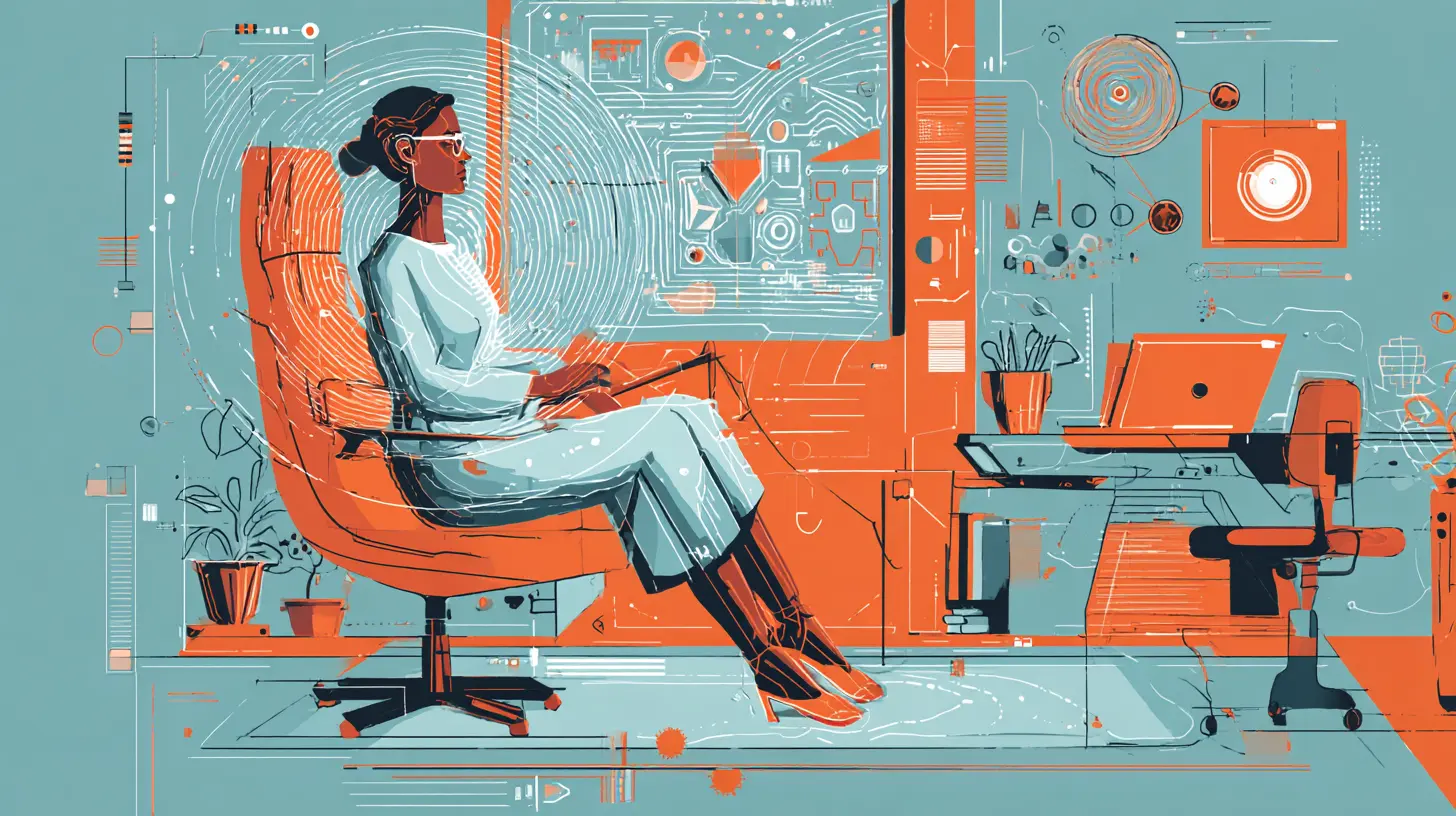
The Death of the Static Meeting
Let's start with the biggest pain point: meetings. We all hate them, but we can't live without them. The problem is that most virtual meetings are just bad radio with video. One person talks, everyone else pretends to listen, and the real work happens in the chat sidebar or not at all.By 2027, AI will transform meetings into something closer to a collaborative jam session. Imagine an AI assistant that listens to the entire conversation in real-time. It doesn't just transcribe words. It understands context, intent, and emotion. When someone says "we need to rethink the onboarding flow," the AI doesn't just log that sentence. It pulls up the current onboarding flow from your project management tool, highlights the bottlenecks, and suggests three alternatives based on what worked in other teams.
That's just the start. The same AI will also handle the boring stuff. It will automatically generate action items, assign them to the right people, and pop them into your task tracker before the meeting ends. No more "I'll send out the notes later." The notes are already sent. The tasks are already assigned. The deadline is already on your calendar. You just need to do the work.
And here's the kicker: asynchronous collaboration will get a massive upgrade too. If you miss a meeting, the AI will generate a personalized recap that focuses on what matters to you. It knows your role, your current projects, and your priorities. It won't dump the entire transcript on you. It will say something like "Hey, Sarah talked about changing the API endpoint. You should check slide 12. Also, Mike agreed to review your pull request by Friday." That's the difference between drowning in information and actually knowing what to do.

Language Barriers? What Language Barriers?
One of the biggest hidden costs of virtual collaboration is language. Even in companies where everyone speaks English, there are always nuances that get lost. A joke falls flat. A technical term gets mistranslated. A colleague hesitates because they're not confident in their second language. That hesitation costs ideas, and ideas cost money.By 2027, real-time AI translation will be so good that you won't even notice it's happening. Not the clunky "translate this paragraph" button we have now. I'm talking about seamless, voice-preserving translation that keeps the speaker's tone, emphasis, and emotion intact. If a teammate in Brazil cracks a joke in Portuguese, you'll hear it in English with the same timing and inflection. If a developer in Germany explains a complex bug in German, you'll hear it in English with the technical terms correctly mapped.
This isn't just about convenience. It's about inclusion. When everyone can speak their native language without fear of being misunderstood, the quality of collaboration goes up. The quiet voices get heard. The global team actually feels like a team, not a collection of silos separated by language.
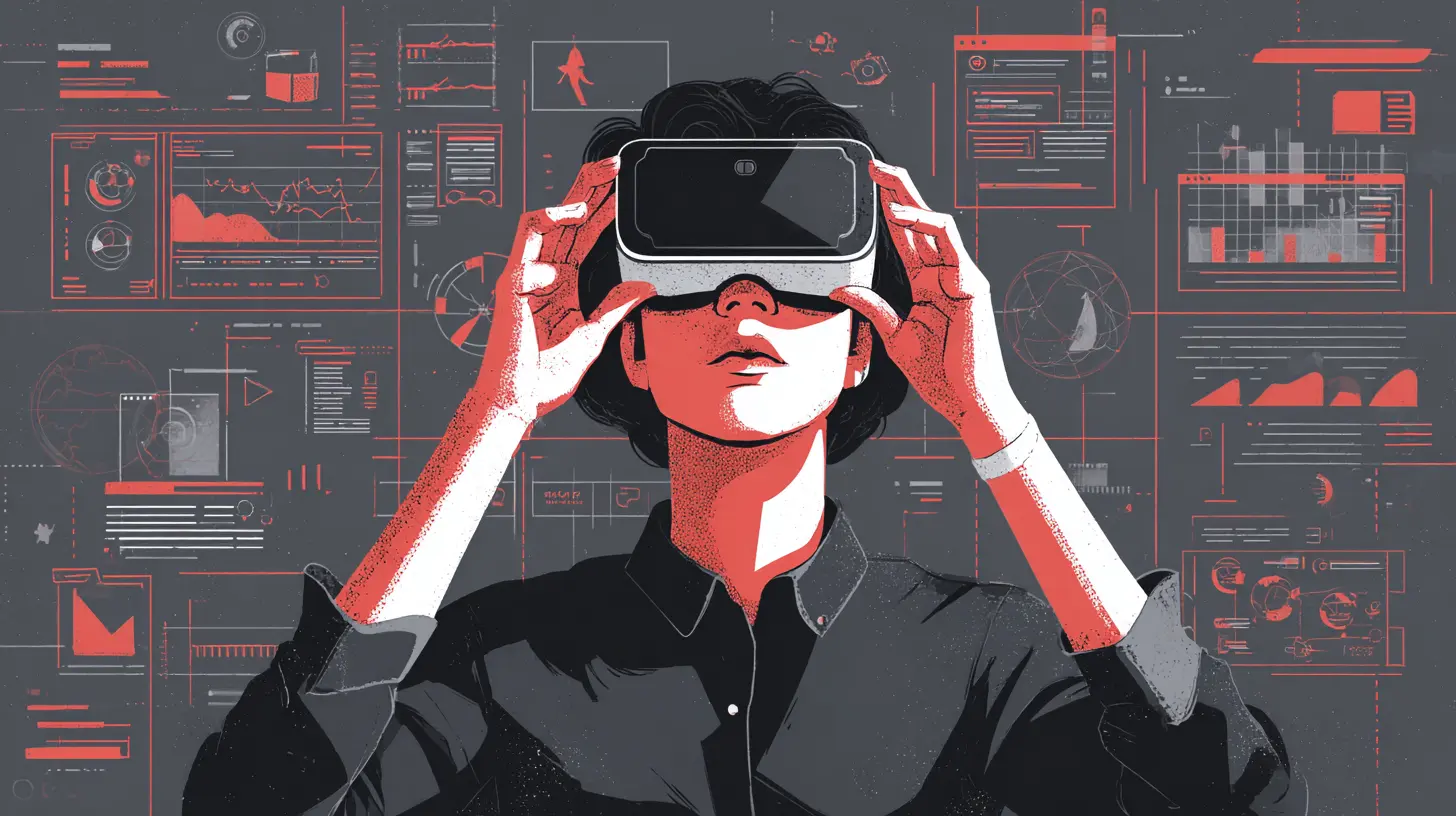
The Whiteboard That Thinks
Visual collaboration is another area that's ripe for disruption. Right now, digital whiteboards are basically fancy drawing pads. You draw a box, you type some text, you connect them with arrows. It's better than a physical whiteboard because you can save and share, but it's still manual. You have to do all the thinking.By 2027, AI will turn those whiteboards into co-creators. You start sketching out a flowchart for a new feature, and the AI recognizes the pattern. It says "Hey, that looks like the authentication flow you designed last quarter. Do you want me to pull in the user research from that project?" Or you're brainstorming ideas, and the AI generates visual variations based on your rough sketches. You draw a circle, it suggests three different ways to represent a user journey.
This goes beyond just drawing. The AI will understand the relationships between elements on the board. It will know that a box labeled "database" is connected to a box labeled "API endpoint." If you change the database, the AI will flag the downstream effects. It will ask "Do you want to update the API documentation too?" It becomes a thinking partner, not just a tool.
And for those of us who are terrible at drawing (guilty), the AI will clean up our messy scribbles into professional diagrams. You can sketch something that looks like a toddler's art, and the AI will transform it into a polished flowchart, wireframe, or mind map. That's a superpower for anyone who has ideas but lacks the design skills to communicate them visually.
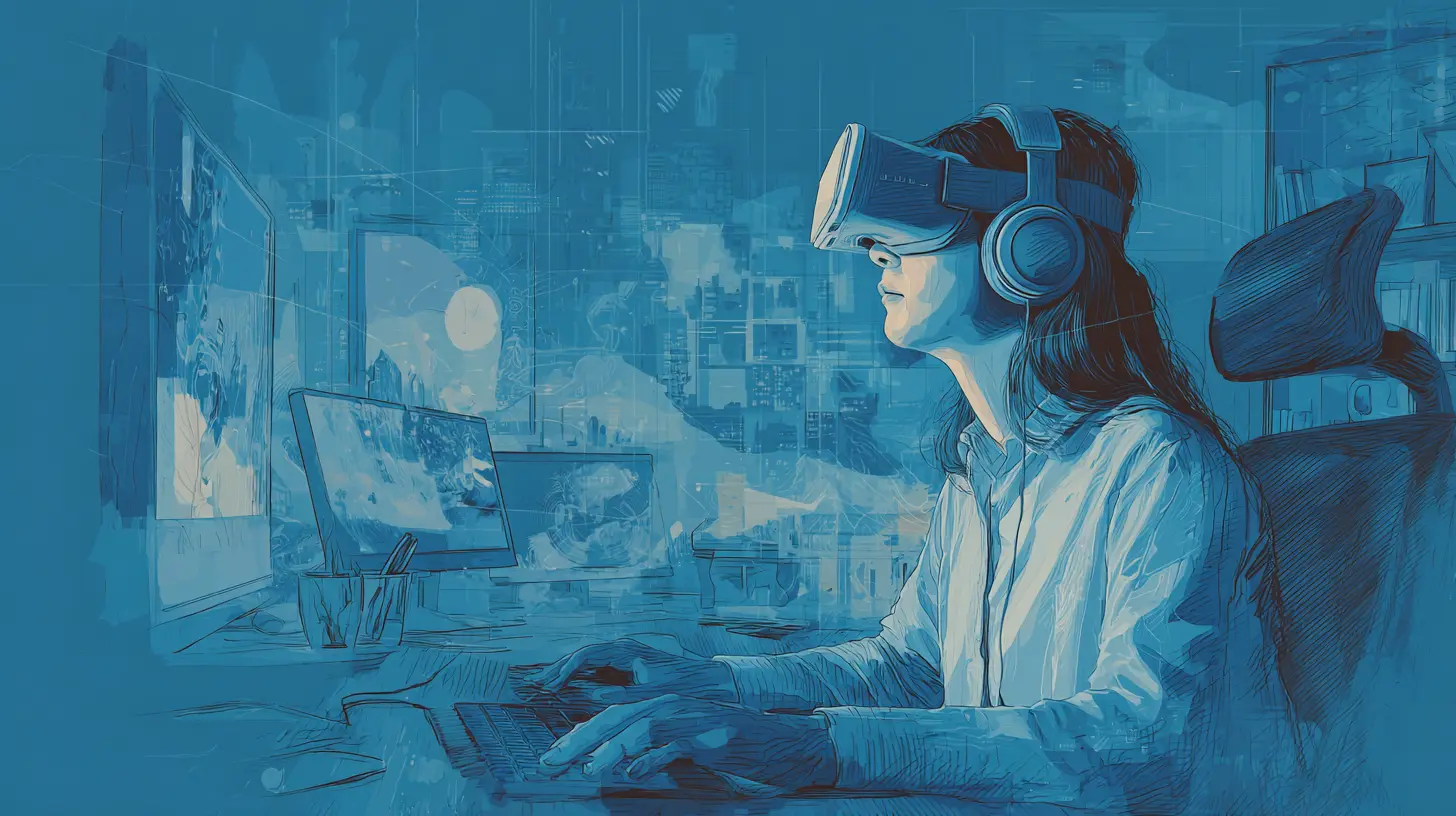
Context Is King, and AI Is the Kingmaker
The biggest problem with virtual collaboration today is context switching. You jump from Slack to Notion to Zoom to Jira to email, and each time you land in a new tool, you have to remember what you were doing. Your brain spends more energy on context recovery than on actual work. It's exhausting.By 2027, AI will unify all those tools into a single context layer. You won't need to switch between apps. You'll work inside a collaborative environment where the AI knows everything that's happening across your projects. When you open a document, the AI will highlight recent changes made by your teammates, flag comments that need your response, and suggest relevant files from other projects.
Think of it like a personal assistant who never sleeps. You ask "What's the status of the beta launch?" and the AI gives you a one-paragraph summary, not a list of twenty Slack messages. You ask "Who worked on the pricing model last month?" and it tells you exactly who, what they changed, and why. No more digging through version history. No more asking "Does anyone remember..."
This context awareness also changes how we onboard new team members. Right now, onboarding is a firehose of information. Read this doc. Watch this video. Talk to these five people. It takes weeks to get up to speed. By 2027, AI will create a personalized onboarding flow for each new hire. It will analyze their role, their background, and the current project state, then generate a tailored learning path. It will answer their questions in real-time, pull up relevant past decisions, and connect them with the right people without needing a human to coordinate.
The End of "Reply All" Chaos
Asynchronous communication is a blessing and a curse. We love that we don't have to be online at the same time. We hate the endless threads, the missed messages, and the "I didn't see that" moments.AI will fix this by becoming the perfect filter. It will prioritize your messages based on urgency, relevance, and your current workload. If you're deep in a coding session, the AI will hold non-urgent messages until you're ready. If a message requires immediate attention, it will interrupt you with a clear, concise summary. No more "Can you check Slack?" panic.
The AI will also summarize long threads for you. Imagine a Slack channel with 200 messages about a server migration. Instead of scrolling through all of them, you ask the AI "What's the decision on the migration timeline?" and it tells you "The team decided to move it to next Thursday at 2 AM. Maria will handle the database backup. Jake will monitor the logs." That's it. One sentence that saves you twenty minutes of reading.
And for the love of productivity, the AI will handle the "reply all" problem. It will detect when a message is relevant to the whole team versus just a few people. It will suggest splitting the thread. It will even draft responses for common questions. "Did anyone see the updated design?" gets an auto-generated reply pointing to the exact file with a timestamp. You don't even have to type.
Privacy, Trust, and the Human Element
Now, I have to be honest. All this AI transformation comes with a big question mark around privacy. If an AI is listening to every meeting, reading every message, and tracking every document change, who controls that data? What happens when the AI makes a mistake? What about bias in translation or summarization?These are real concerns, and by 2027, we'll see a lot of debate around them. Smart companies will build trust by giving users control. You'll be able to tell the AI "Don't record this meeting." Or "Don't summarize this thread." Or "Delete my conversation history after 30 days." The best AI tools will be transparent about what they know and why they know it. They'll let you audit their decisions. They'll let you override their suggestions.
But here's the thing. The human element won't disappear. AI will handle the grunt work, the coordination, the context recovery, and the translation. But it won't replace the human connections that make collaboration meaningful. The moment when a teammate shares a personal struggle. The creative spark when two people riff off each other's ideas. The trust that builds over time through shared experiences. AI can facilitate all of that, but it can't fake it.
So by 2027, the best virtual collaboration tools will be the ones that make you forget you're using AI. They'll feel like an extension of your brain. They'll anticipate your needs without being creepy. They'll handle the boring stuff so you can focus on the interesting stuff. And they'll make distance feel irrelevant.
Is that a utopian vision? Maybe. But the pieces are already falling into place. Real-time translation is getting better every month. AI assistants are writing emails and scheduling meetings. Context-aware tools are starting to appear. The acceleration is real. By 2027, the way we work virtually will look nothing like it does today.
And honestly? That's a good thing. Because if we're going to spend a third of our lives collaborating with other people, we deserve tools that don't make us want to throw our laptops out the window. We deserve tools that actually help us work together, not just tools that let us broadcast at each other.
The future of virtual collaboration isn't about more features. It's about fewer barriers. It's about making the distance between people disappear. And AI, for all its flaws and risks, is the best shot we have at making that happen.
So here's my question for you: Are you ready to stop fighting your tools and start letting them fight for you?
all images in this post were generated using AI tools
Category:
Tech For Remote WorkAuthor:

Ugo Coleman
Discussion
rate this article
2 comments
Will Wilcox
This article offers an intriguing glimpse into the future of virtual collaboration. It's fascinating to consider how AI might reshape our interactions and workflows by 2027. I wonder what new tools and platforms will emerge, and how they will impact creativity and communication in remote teams. Exciting times ahead!
August 24, 2026 at 3:15 AM
Ugo Coleman
Thanks for your thoughts! The future of virtual collaboration is definitely exciting, and I can't wait to see what innovative tools emerge to enhance our teamwork and creativity.
Zephyrine McKellar
The future of virtual collaboration is bright with AI at the helm. By 2027, we'll see unprecedented levels of efficiency and creativity as technology breaks down barriers. Embrace this change and get ready for a new era where ideas can soar like never before.
May 21, 2026 at 4:08 AM
Ugo Coleman
I appreciate your optimism! With AI leading the way, it's exciting to think about the new possibilities for collaboration ahead. Let's embrace these changes and see where they take us.