How Augmented Reality Mobile Apps Are Changing Our World
6 January 2026
Let’s just come right out and say it—Augmented Reality (AR) used to sound like something straight out of a sci-fi movie. You know, floating holograms, glasses that tell you everything about the person across the room, or 3D dragons popping up in your living room to say hi. But guess what? That future is happening right now... and it’s in your pocket.
AR mobile apps are no longer just nerdy tech demos or fancy gimmicks. They’re changing the way we shop, work, learn, and even date. (Yup, AR dating is a thing. Don’t worry, we’ll get to that.) So grab your phone, stretch those thumbs, and let’s dive into how AR apps are literally altering the world around us—one pixel at a time.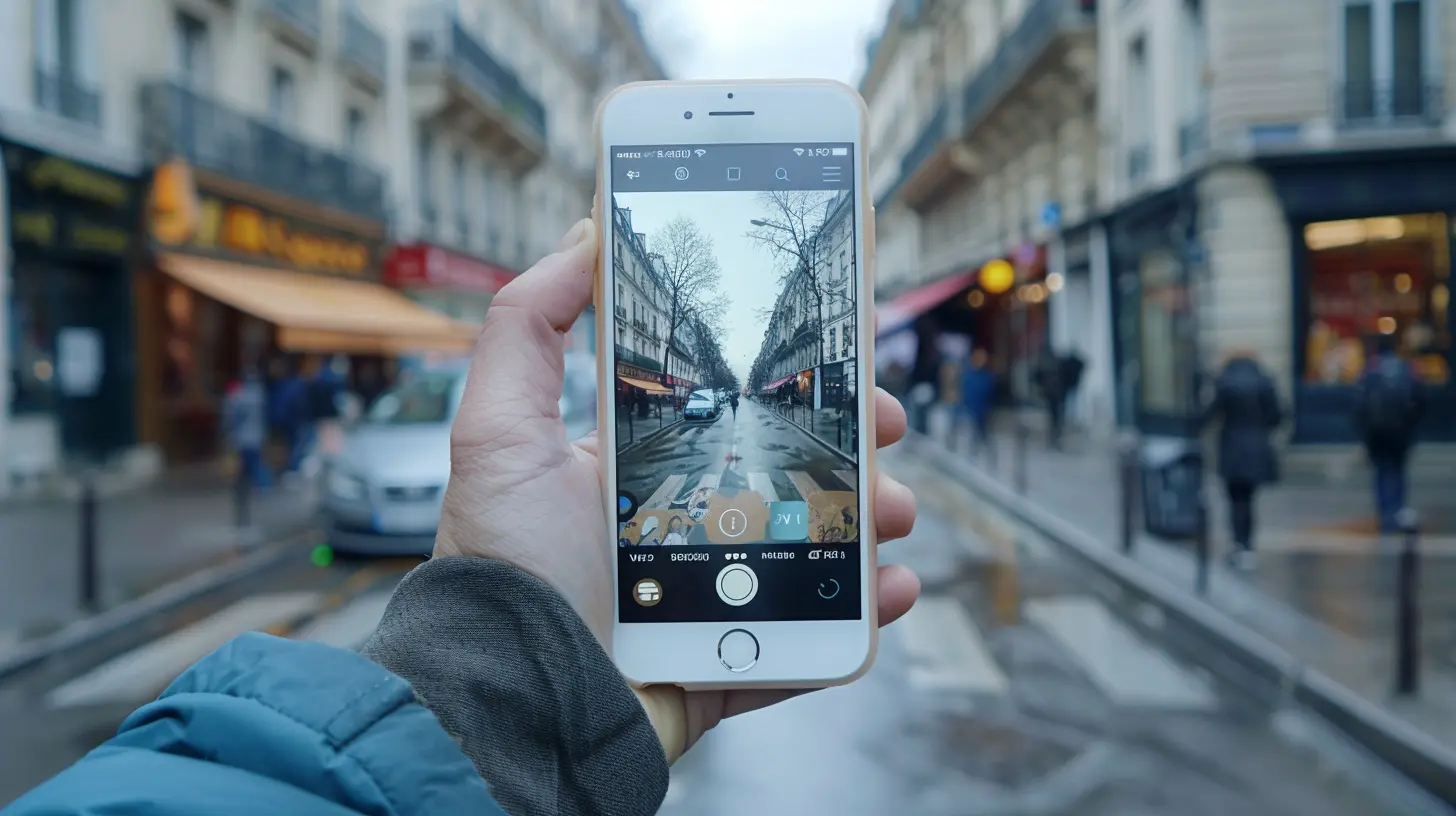
What Even Is Augmented Reality, Anyway?
Okay, before we get carried away: what is AR?Augmented Reality (AR) is when virtual stuff (images, data, animations) gets overlaid onto the real world through your screen. So instead of escaping reality (like in Virtual Reality), AR brings digital magic into your actual surroundings.
In English? Imagine pointing your phone at your living room, and suddenly there’s a dancing unicorn next to your coffee table. That’s AR in action.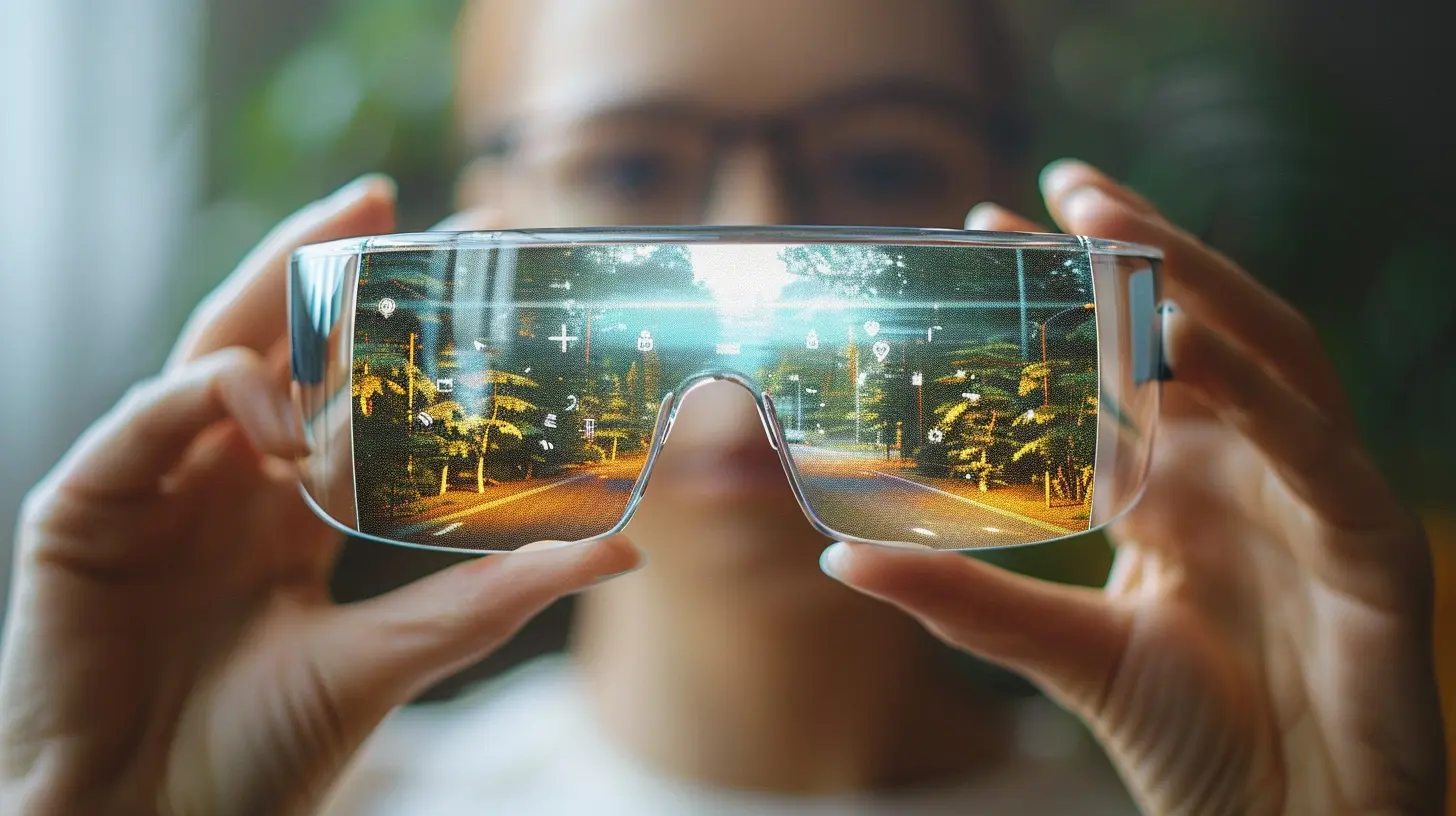
The Big Players: Who’s Driving the AR Revolution?
We all like to pretend it’s some indie developer working out of a garage with a dream and a coffee addiction. And while those stories are awesome, the truth is some tech giants are pushing AR into the mainstream in a big way:- Apple: Apple’s ARKit is turning iPhones into AR powerhouses. Rumor has it they’re working on AR glasses too (hello, future!).
- Google: From Google Lens to ARCore, Big G is all in.
- Snapchat & Instagram: Those selfie filters that give you puppy ears or laser eyes? That’s AR, baby.
- Meta (formerly Facebook): Yep, Zuck wants your entire life to be augmented—who’s surprised?
But it’s not just tech behemoths. Start-ups, indie devs, and even your local museum might be dabbling in AR. It’s everywhere.
AR Mobile Apps in Real Life: How They’re Changing the Game
So yeah, AR is cool and all. But how is it actually useful? Let’s check out some real-world examples that might just blow your mind.1. Shopping Just Got a Lot Cooler (and Lazier)
Ever tried to imagine how that IKEA couch will look in your living room? You could tape out the dimensions or, you know, just use the IKEA Place app and see it in 3D via AR.Same goes for trying on clothes, shoes, or makeup. Apps like Sephora Virtual Artist or Nike Fit let you test stuff without leaving your house—or your pajamas.
Seriously, online shopping just got Amazon-Prime-on-caffeine-levels of awesome.
2. Learning Got a Glow-Up
Remember boring textbooks? (Of course you do. Yawn.) Now imagine learning about the solar system, and suddenly Pluto floats in front of your face. AR apps for education, like JigSpace or WWF Free Rivers, make learning super interactive—and way more fun.Even biology students can dissect a virtual frog without needing a scalpel (or making their classroom smell weird).
3. Navigation for the Directionally Challenged
Google Maps now lets you use AR for walking directions. Instead of trying to figure out where "north" is, just point your phone and see arrows pop up on the street like a real-life video game.You’ll never awkwardly walk the wrong way again—unless you’re just that talented.
4. AR in Healthcare: Not Just Playing Doctor
Doctors are using AR to visualize organs, plan surgeries, and even train without needing a live patient. Want to talk about life-saving apps? This is it.Nurses can even find veins more easily using AR-guided scanners. Magic? Nope. Just sweet, sweet tech.
5. Gaming: Because Who Doesn’t Want Zombies in Their Backyard?
Let’s not pretend Pokémon GO didn’t kick off the AR craze back in 2016. That game had people literally running into traffic to catch a Charizard.Since then, AR gaming has exploded. From sneaky zombie apocalypses in your backyard to real-time multiplayer AR battles, mobile gaming just leveled up—hard.
6. Social Media Filters: The Gateway Drug
You’ve probably already used AR without realizing it.Face filters, virtual backgrounds, dancing avatars doing the cha-cha in your kitchen—that’s AR. Apps like TikTok and Instagram use it to keep things viral and hilarious. Because if you haven’t yet turned your face into a slice of pizza, do you even internet?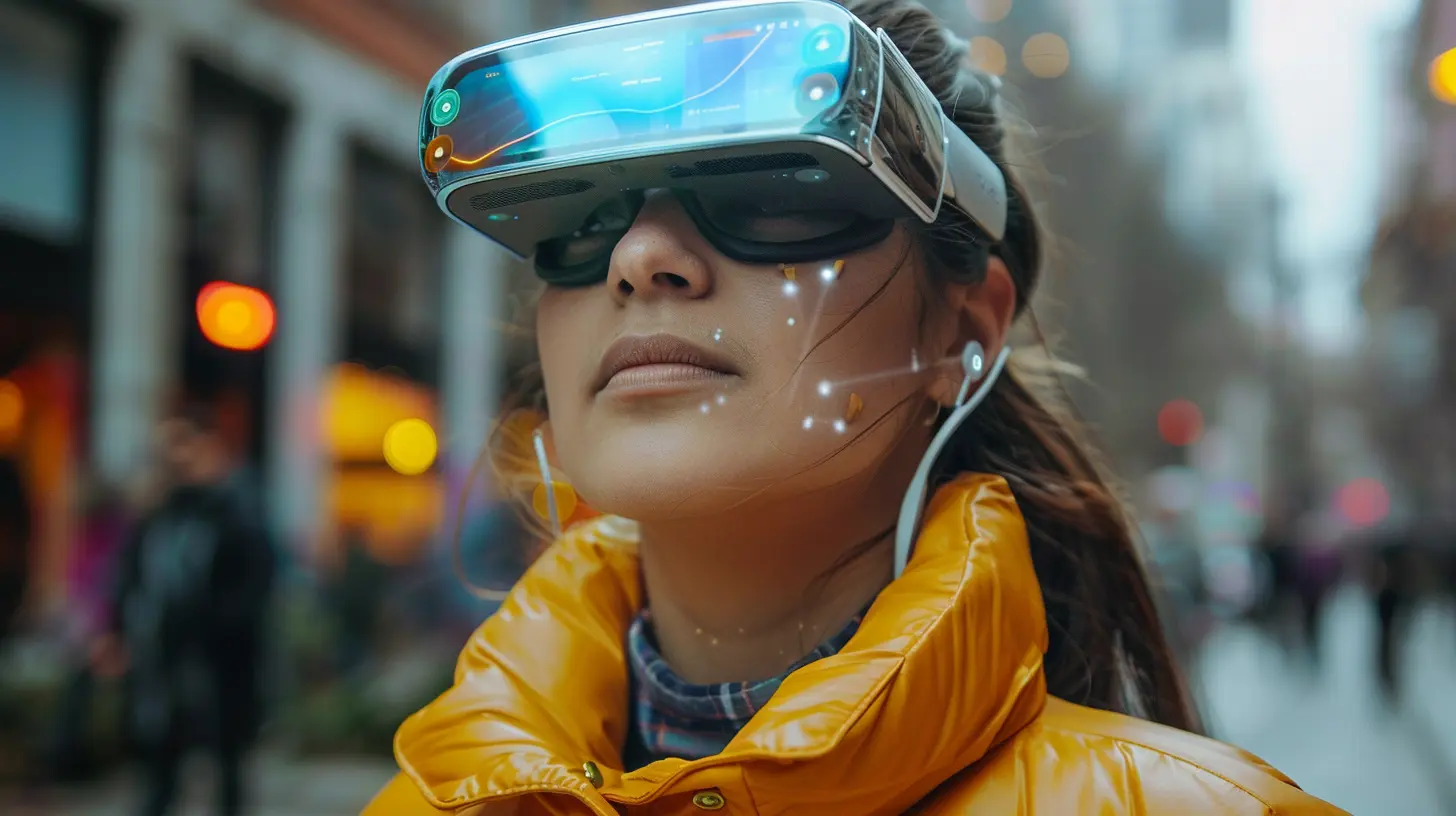
The Unexpected (and Wild) Uses of AR Mobile Apps
AR isn’t just helping us shop, learn, or find our way. It’s showing up in places you’d never expect.Real Estate: Walk Through Homes Without Leaving Yours
Instead of going to 42 open houses and pretending you love exposed pipes, now you can take virtual home tours with AR. Walk around a house like you’re there, all while eating chips on your couch. That’s the dream.Dating Apps: Love, Augmented
Some dating apps are tinkering with AR for virtual dates. Imagine meeting someone’s 3D avatar across a table at a virtual café before swiping right. It’s like Tinder meets Star Trek.(Just don’t ghost someone in AR. That’s cold.)
Museums and Art: Culture, But Make It Techy
Point your phone at a dusty statue and get a full backstory, animations, or even AR reenactments. Now museums are more than quiet halls—they’re interactive adventure zones for your brain.The Dark Side: Not Everything Is Rosie and Rainbows
Look, we won’t pretend AR is all sunshine and unicorns. There’s some stuff to think about:- Privacy concerns: Apps can collect a lot of data about where you are and what you’re doing.
- Overstimulation: Do we really need AR ads everywhere? Imagine your morning walk being attacked by floating coupons.
- Tech overload: Not everyone wants to live in a world where everything is enhanced, animated, and essentially one big hologram.
So yeah, with great power comes great responsibility… and possibly some serious screen fatigue.
What’s Next? The Future of AR Is Basically Sci-Fi
Let’s go full futuristic for a sec. Here’s what’s coming:- AR Glasses: Wearables like Apple Vision Pro or Snap Spectacles are trying to make it cool to wear smart glasses again. (We’re looking at you, Google Glass. RIP.)
- Hyper-Personalization: Apps might scan your room, your face, your mood (??) and give you AR tailored just for you.
- Haptic Feedback: Feel what you see—AR you can touch. Imagine high-fiving a virtual panda. Just imagine it.
Basically, the line between real and digital is going to get reeeally blurry.
Should You Care? (Short Answer: Heck Yes)
Even if you’re not a tech fan, AR is creeping into everyday life. Whether you’re trying on shoes, helping your kid with homework, or navigating downtown, AR is there—making things smoother, cooler, and more ridiculous (in a good way).And if you’re a business owner? AR might just be your secret weapon. From boosting engagement to wowing customers, those digital overlays can turn heads—and open wallets.
Final Thoughts: Let’s Keep It Real (But Augmented)
AR mobile apps aren’t a fad. They’re not the next 3D TV. They’re here, they’re useful, they’re fun, and they’re only getting better.So whether you’re catching Pokémons, positioning that virtual couch, or using an app to learn how the human heart works, you’re part of a tech revolution that’s making our real world extra in the best ways.
Just try not to walk into a lamp post while staring at your phone. (We’ve all been there.
all images in this post were generated using AI tools
Category:
Mobile AppsAuthor:

Ugo Coleman
Discussion
rate this article
2 comments
Ryder Butler
Augmented reality reshapes our perception, bridging digital and real.
January 30, 2026 at 12:24 PM
Ugo Coleman
Absolutely! Augmented reality enhances our interaction with the real world, seamlessly integrating digital elements to enrich our experiences and perceptions.
Carrie Morris
Augmented reality: the coolest way to turn your boring commute into a sci-fi adventure!
January 9, 2026 at 4:48 AM
Ugo Coleman
Thank you! Augmented reality truly transforms everyday experiences, making even mundane moments like commutes feel exciting and immersive.