How Fiber Optics Are Revolutionizing High-Speed Internet
3 December 2025
The way we connect to the internet has come a long way from the noisy dial-up days. Remember that screechy connection sound? Well, that’s ancient history now. These days, we binge-watch shows in 4K, smash high-score online games without lag, and hop on Zoom calls without worrying about frozen faces. At the heart of this transformation? Fiber optics.
Let’s unpack how fiber optics are revolutionizing high-speed internet and why this technology is changing the game for everything we do online.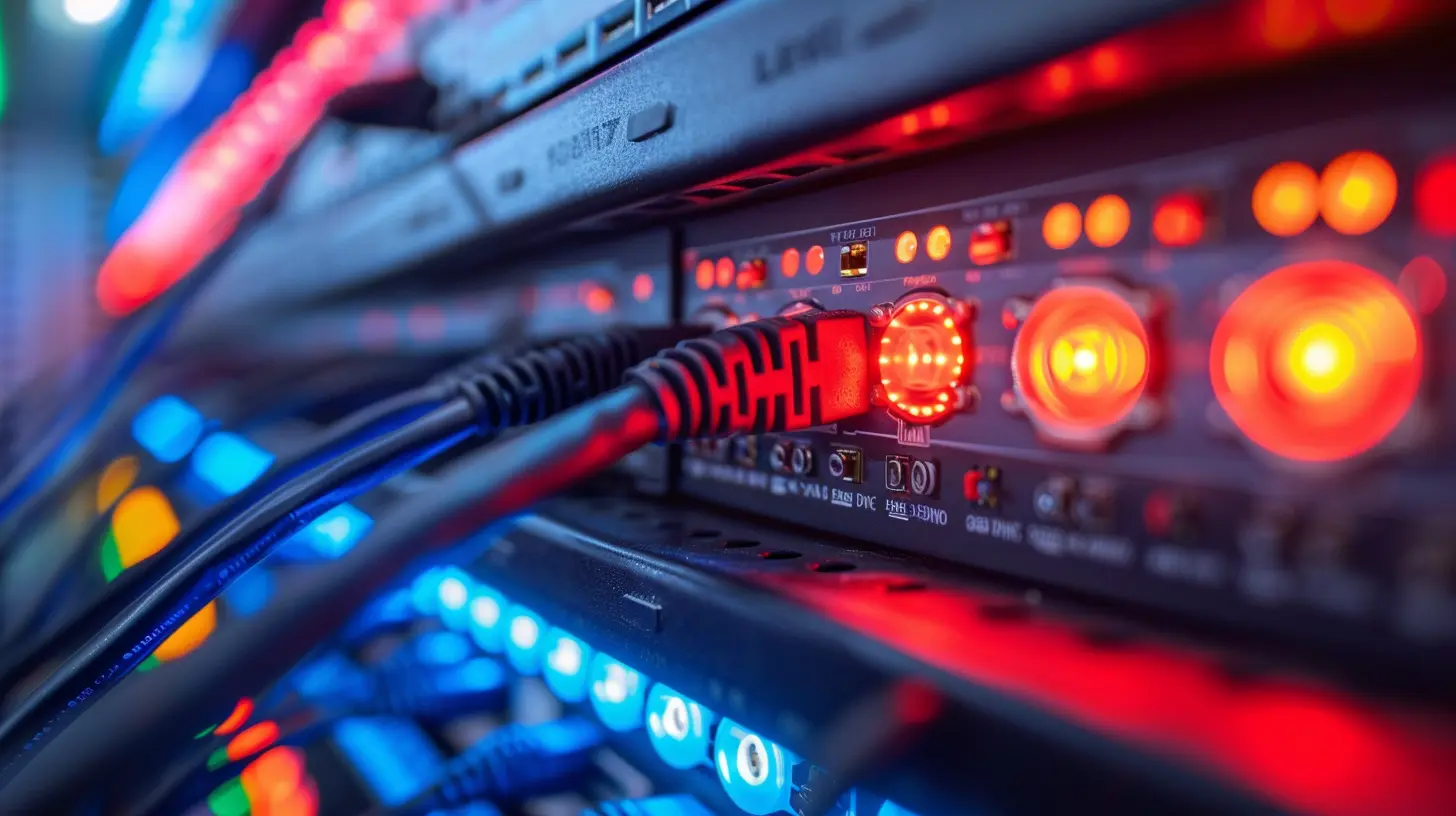
What Is Fiber Optic Internet Anyway?
Let’s start at the basics. Fiber optic internet uses strands of glass or plastic—thinner than a human hair—to transmit data using light. Yep, actual light beams are carrying your Netflix stream to your TV. Wild, right?Unlike traditional copper cables (used in DSL or cable internet), fiber optics transmit data at the speed of light. That’s not just a cool marketing line—it’s literal. This means faster download and upload speeds, higher bandwidth, and more reliable connections.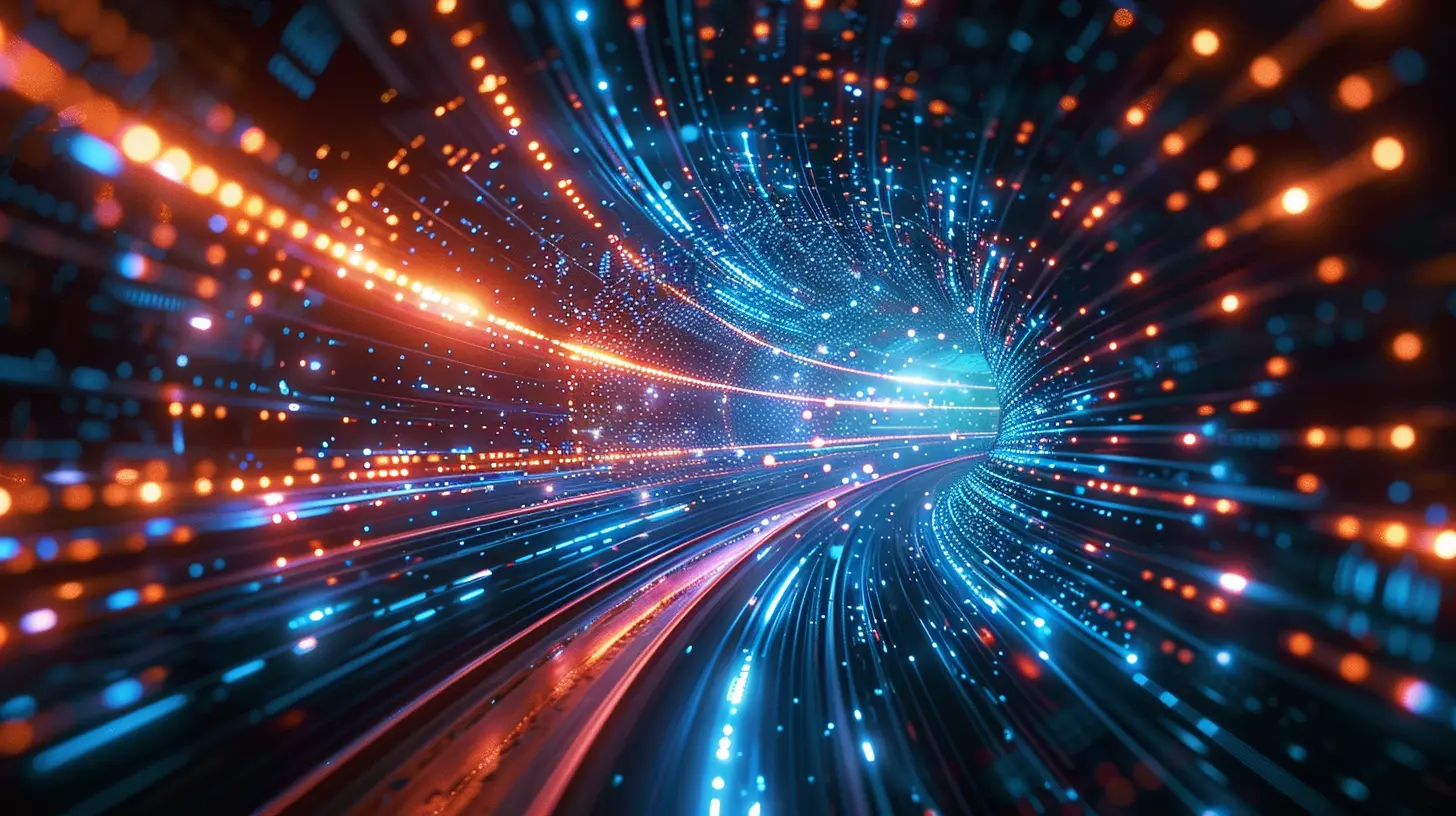
How Fiber Beats Copper (And Why That Matters)
So, what makes fiber optics such a game-changer compared to the old copper wires?1. Speed That Leaves Everything Else in the Dust
With fiber optics, speeds up to 1 Gbps (and even higher) are becoming more common in residential areas. To put that in perspective, you could download a full HD movie in just a few seconds. Copper cables? They’ll still be warming up while you’re already watching your movie.2. Symmetrical Upload and Download Speeds
Most of us focus on download speeds, but upload speed is just as important—especially if you're into video calls, streaming, gaming, or work-from-home setups. Fiber gives you symmetrical speeds, meaning your uploads are as fast as your downloads. Say goodbye to laggy Zoom meetings.3. Less Signal Loss Over Long Distances
Ever notice how your connection weakens the further you are from your provider? That’s because copper lines lose strength over distance. Fiber optics? Not so much. Light signals can travel much farther without degrading, making long-distance, high-speed internet a real possibility.4. More Reliable (Even During Bad Weather)
Copper cables are sensitive to electromagnetic interference and changes in temperature. That means storms or local interference can mess with your connection. But fiber optics are immune to these disturbances. Rain or shine, you’re good to go.
The Backbone of Modern Internet Infrastructure
It’s not just about home internet. Fiber optic cables are now the backbone of global communication. Undersea fiber-optic cables connect continents, carrying over 99% of international internet traffic. Without them, the internet as we know it wouldn’t exist.Think of the internet as a massive highway system. Fiber optics are the multi-lane expressways allowing massive traffic to flow smoothly. Other connections? They’re the narrow side roads that get clogged during rush hour.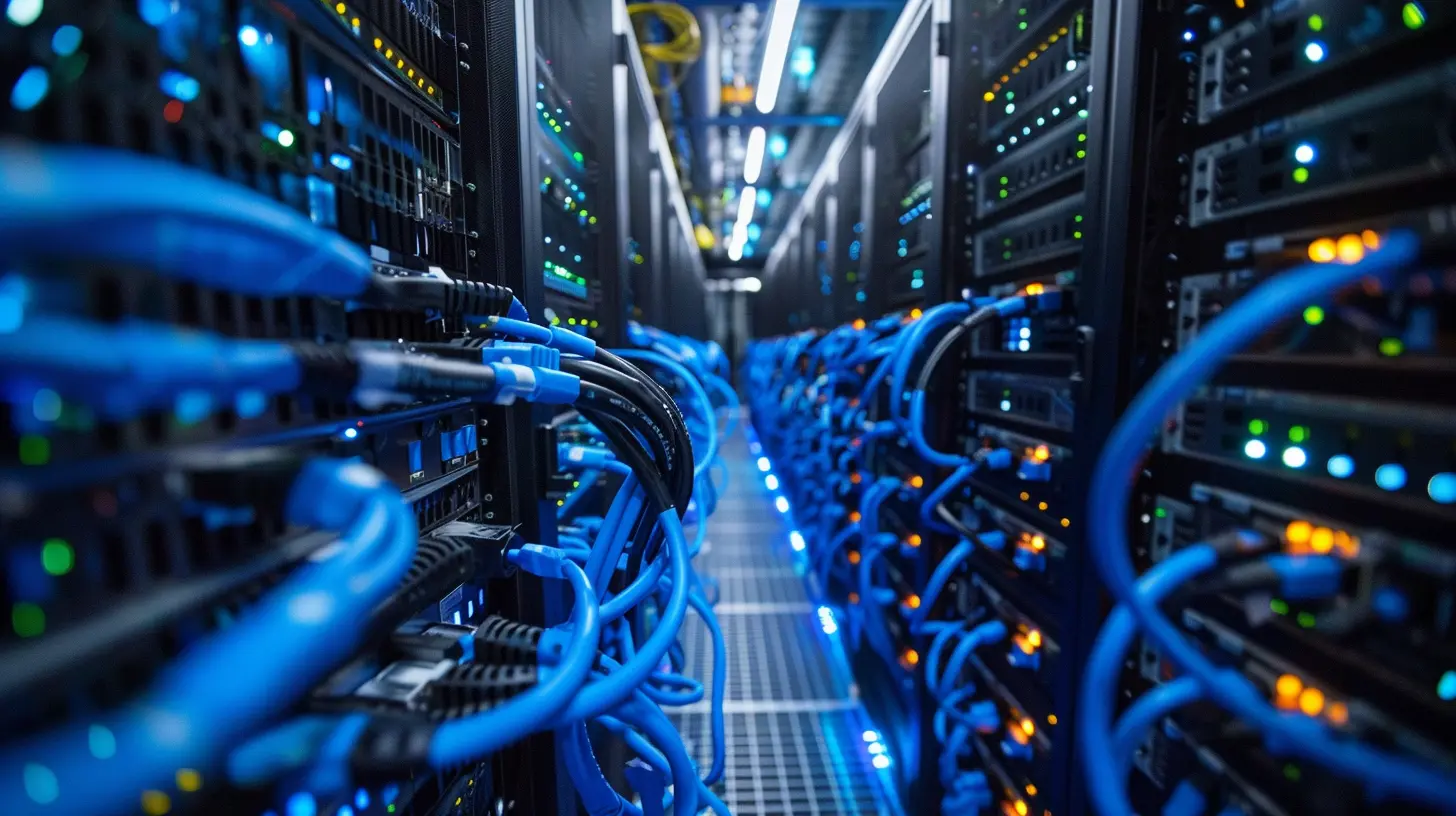
Why Businesses Are Jumping on the Fiber Bandwagon
You're not the only one who loves blazing speeds. Businesses are going all-in on fiber for some pretty compelling reasons:1. Better Cloud Access
From Google Drive to Salesforce, everything's in the cloud. Fiber makes accessing those services seamless and quick, especially when large files and daily backups are involved.2. Improved Collaboration Tools
With fiber, video conferencing tools like Microsoft Teams or Zoom run without lag or grainy video. That means more productive meetings and fewer “Can you hear me now?” moments.3. Future-Proofing for Growth
As businesses grow and data needs explode, fiber gives them the headroom to scale without needing to upgrade their infrastructure constantly. It’s like laying down tracks for a high-speed train when you’re only running a scooter today—you’re prepping for the future.How Fiber Optics Are Changing the Way We Live
The impact of fiber optics isn’t just technical—it’s deeply personal. It’s changing how we live, work, learn, and relax. Here’s how:1. Remote Work Revolution
The pandemic showed us that remote work isn’t just possible—it’s often better. But it only works well if your internet does. Fiber makes remote work feel like being at the office, minus the commute.2. Learning From Home is Easier
Whether it’s online college classes, coding boot camps, or Khan Academy for your kid, fiber keeps online learning smooth and uninterrupted.3. Entertainment Without Buffering
We’ve come to expect instant streaming, lag-free gaming, and smart homes that respond instantly. Fiber makes that possible. It’s like turning your home into a digital playground.The Role of Fiber in Emerging Technologies
Fiber optic internet isn’t just keeping up with today’s demands—it’s paving the way for tomorrow’s tech. Here's how:1. 5G Networks
Yes, 5G is wireless, but guess what powers those cell towers? Fiber. It connects the towers back to the core networks, making your super-fast mobile data possible.2. Internet of Things (IoT)
Smart homes, smart cities, self-driving cars—it’s all part of the IoT revolution. Fiber provides the speed and reliability needed for these devices to communicate in real time.3. Augmented and Virtual Reality
Entering virtual worlds and blending digital with reality takes serious bandwidth and low latency. Fiber is what makes these immersive experiences seamless and believable.Challenges in Fiber Optic Expansion
Now, it’s not all sunshine and rainbows. Rolling out fiber optic infrastructure comes with its own set of challenges:1. High Installation Costs
Laying fiber isn’t cheap. It involves digging, permits, materials, labor—it adds up. That’s part of why some rural areas still don’t have access to fiber.2. Time-Consuming Deployment
Installing fiber can be a bit like replacing all the pipes in your house. It takes time, causes disruption, and isn’t always straightforward—especially in older cities with legacy infrastructure.3. Limited Availability in Rural Areas
Urban areas get priority because of the sheer number of users. Meanwhile, rural communities can get left behind, stuck with spotty DSL or satellite options. The digital divide is real.What’s the Future of Fiber Optics?
So where’s all this heading? Good news—it’s only getting better.1. Even Faster Speeds
With technologies like Dense Wavelength Division Multiplexing (DWDM), a single fiber can carry multiple light wavelengths. That means even more data over the same line. We’re talking multi-gigabit speeds.2. Wider Coverage
Governments and private companies are investing big to expand fiber networks, especially in underserved areas. Starry deals, federal grants, public-private partnerships—they’re all fueling rapid growth.3. Smarter Homes and Cities
As fiber expands, we’re looking at enhanced smart homes, smarter city grids, and real-time data analytics that will make everything from traffic to trash collection more efficient.Should You Switch to Fiber?
If it’s available in your area and you can afford it? Absolutely.Fiber isn’t just a step forward—it’s a full-blown leap. Whether you’re streaming, gaming, working, or just browsing, the difference is noticeable. You’ll wonder how you ever put up with anything less.
Even if it’s not in your area yet, keep an eye out. Chances are, it's coming sooner than you think.
Final Thoughts
Fiber optics are more than just buzz—they’re the real deal when it comes to high-speed, reliable internet. As our world becomes more connected, the need for speed, stability, and scalability continues to grow. Fiber is the foundation that supports this new digital era.So the next time your movie starts streaming instantly or your Zoom call is crystal clear, just remember—there’s a tiny thread of glass, pulsing with light, making it all possible.
all images in this post were generated using AI tools
Category:
TelecommunicationAuthor:

Ugo Coleman
Discussion
rate this article
2 comments
Esther Velez
This article highlights the transformative impact of fiber optics on high-speed internet. As someone who relies on fast connectivity for work and leisure, it’s exciting to see how this technology enhances our online experiences and fosters innovation in countless industries.
December 6, 2025 at 5:20 AM
Ugo Coleman
Thank you for your insights! I'm glad you found the article informative and appreciate the significance of fiber optics in enhancing our connectivity and driving innovation.
Raven Cruz
Fiber optics are not just transforming internet speeds; they are reshaping connectivity itself. By enabling faster, more reliable communication, they bridge digital divides, empower remote work, and foster innovation. As we embrace this technology, we unlock new possibilities for our increasingly interconnected world.
December 3, 2025 at 5:14 AM
Ugo Coleman
Thank you for your insightful comment! Fiber optics truly are a game changer, enhancing connectivity and driving innovation in our digital landscape.