How Government Regulation Could Redefine Tech by 2027
17 April 2026
Let’s be honest for a second. For the last two decades, the tech industry has largely operated like the Wild West. A land of boundless opportunity, rapid-fire innovation, and a "move fast and break things" mentality that reshaped our world. But if you’ve been paying attention, you can hear the distant sound of approaching footsteps. They’re not from a rival startup; they’re from Capitol Hill, Brussels, and other halls of power worldwide. By 2027, the relationship between technology and government will be fundamentally rewritten. We’re not just talking about a few new rules—we’re on the cusp of a complete architectural overhaul. The very DNA of how tech companies build, deploy, and profit from their creations is being scrutinized, dissected, and prepared for regulation.
Think of it this way: the internet grew up as a teenager—experimental, rebellious, and full of chaotic energy. By 2027, it will be entering sober adulthood, with a mortgage, responsibilities, and a thick stack of legal documents defining what it can and cannot do. This isn't necessarily about stifling innovation; it's about installing guardrails on a highway where the cars are now driving themselves. The question is no longer if regulation will redefine tech, but how profoundly it will do so. Let’s dive into the key battlegrounds.
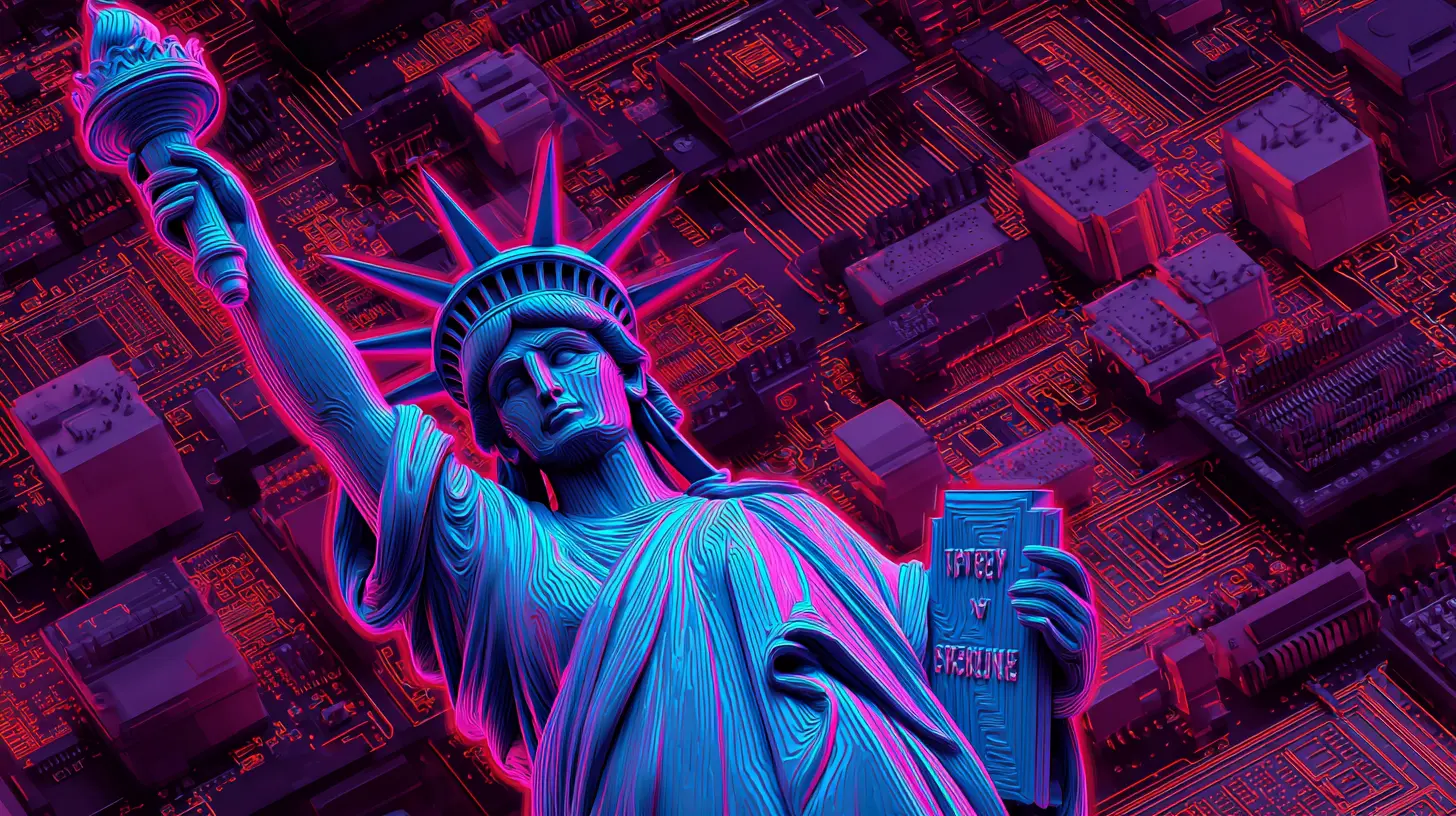
The Great Data Reckoning: Privacy as a Default, Not a Premium
For years, our personal data has been the currency that fuels the free internet. We traded snippets of our lives for convenience, connection, and cat videos. But the bill for that trade is coming due, and the concept of "informed consent" is being exposed as a flimsy facade. How many times have you blindly clicked "agree" on a terms-of-service document longer than War and Peace?By 2027, this model is poised for a seismic shift, driven by regulations like Europe’s GDPR and its evolving successors, like the proposed AI Act, and California’s CCPA. The trajectory is clear: data minimization and privacy by design will move from lofty ideals to legal requirements. This means:
* The End of the Surveillance Economy (As We Know It): The practice of hoovering up every conceivable data point "just in case" it might be useful for ad targeting will become legally perilous and economically unsustainable. Companies will need to justify every piece of data they collect, for a specific purpose, for a limited time. It’s the difference between a librarian keeping a record of the books you borrow versus a stranger following you around a mall noting down every store window you glance at.
Algorithmic Transparency & The "Right to Explanation": Imagine being denied a loan, a job, or even seeing a specific news feed because of a black-box algorithm. Regulations are building towards giving you the right to know why*. This won't mean getting a copy of the source code, but receiving a meaningful, plain-language explanation of the key factors in an automated decision. This forces a move from opaque machine learning models to more interpretable AI—a huge technical and philosophical challenge.
* The Rise of Privacy-First Business Models: When you can’t rely on monetizing user data indiscriminately, you have to find new value propositions. We’ll see a significant growth in subscription models, premium feature tiers, and services that compete explicitly on their privacy credentials. Trust becomes a marketable feature, not a compliance cost.

Antitrust in the Age of Platforms: Breaking Up the "Walled Gardens"
The dominant tech giants aren't just companies; they are ecosystems—walled gardens with immense control over markets, from app stores and cloud services to advertising and social connectivity. Their power is often described as being both the referee and the star player on their own field. Can you truly compete fairly when your competitor also controls the marketplace, the payment system, and the rules of the game?By 2027, antitrust regulation will have evolved far beyond its 20th-century focus on consumer prices (after all, Google and Facebook are "free"). The new focus is on market structure, fairness, and interoperability. Key changes will include:
* Self-Preferencing Bans: Laws will explicitly prevent a platform from unfairly favoring its own services over those of competitors. Think of Apple being barred from ranking its own apps higher in the App Store search results, or Amazon being unable to use third-party seller data to launch its own competing products.
* Interoperability and Data Portability Mandates: The walls of the garden will have mandated doors. Regulations could force major messaging platforms (like WhatsApp, iMessage, Signal) to interoperate with each other, so you can message anyone from any app. Similarly, true data portability would let you take your social graph or purchase history from one service to a rival with ease, lowering switching costs and boosting competition.
* Proactive Merger Scrutiny: The era of tech giants snapping up potential rivals in their infancy (the "kill zone" strategy) will face much tougher regulatory hurdles. Authorities will be looking at acquisitions not just for their current market share, but for their potential to snuff out future innovation and competition.

Taming the Algorithm: Content, Bias, and Societal Responsibility
This is perhaps the most complex and emotionally charged arena. Social media algorithms, optimized for engagement, have been accused of amplifying misinformation, deepening societal polarization, and harming mental health. Who is responsible when an algorithm goes rogue? Is a platform a neutral conduit, like a telephone line, or a publisher with editorial control?By 2027, the concept of platform liability will be firmly established, but its shape is still being forged. The days of blanket immunity under laws like Section 230 in the U.S. are numbered, at least in its current form. The regulatory framework will likely involve:
* Duty of Care Obligations: Platforms, especially the largest ones, will be legally required to implement "reasonably practicable" systems to identify and mitigate defined categories of systemic risk. This isn't about policing every single post, but about having transparent, auditable processes to deal with, for example, coordinated disinformation campaigns or the proliferation of child sexual abuse material.
* Auditable Algorithmic Systems: Regulators may demand access to audit the core algorithms that govern content ranking and recommendation. This "inspection under the hood" would check for systemic bias, manipulation, and adherence to the platform's own published policies. It’s like a financial audit, but for code that influences public discourse.
* User Sovereignty Tools: Regulation will likely mandate that users have far more granular control over their algorithmic experience. Imagine sliders that let you choose between "chronological," "high-engagement," or "balanced" feeds, or the ability to opt out of certain recommendation categories entirely. The algorithm becomes a tool you configure, not a force that acts upon you.

The Green Code: Sustainability and Ethical Supply Chains
Tech’s environmental impact is no longer a side note in corporate social responsibility reports. From the colossal energy appetite of data centers and Bitcoin mining to the mountains of e-waste generated by our upgrade cycles, the industry is a significant contributor to the climate crisis. By 2027, regulation will force this issue from the server room to the boardroom.We’ll see mandatory sustainability disclosures and right-to-repair laws become global norms. This means:
* Carbon Accounting for Digital Services: Just as food has calorie labels, digital products and cloud services may have to disclose their estimated carbon footprint per user or per transaction. This would allow consumers and businesses to make environmentally conscious choices and drive competition based on efficiency.
* Designing for Longevity, Not Obsolescence: Regulations will push manufacturers to make devices that are easier to repair, upgrade, and recycle. Standardized parts, available repair manuals, and guaranteed software update periods (say, 7 years for a smartphone) could become law. The "throwaway culture" in tech will face direct legal challenges.
* Clean Cloud Mandates: Governments may require that a certain percentage of the power for data centers servicing their populations comes from renewable sources, accelerating the green energy transition for the entire sector.
Conclusion: Navigating the New Landscape
The path to 2027 won't be smooth. There will be fierce lobbying, unintended consequences, and a constant tug-of-war between innovation and protection. Some fear overregulation will handcuff tech and cede leadership to less-regulated regions. Others argue that clear, smart rules provide the stability and public trust necessary for long-term, sustainable innovation.One thing is certain: the "break things" era is closing. The new mantra will be "build responsibly." The most successful tech companies of 2027 won't be those that merely comply with regulations grudgingly. They will be those that embraced these constraints as a design challenge, baking ethics, privacy, fairness, and sustainability into their products from the first line of code. They will understand that in this new world, trust is the ultimate competitive advantage. The redefinition is already underway. The only choice is whether to fight it or to lead it.
all images in this post were generated using AI tools
Category:
Tech IndustryAuthor:

Ugo Coleman
Discussion
rate this article
2 comments
Pierce Dorsey
Government regulation isn’t just red tape; it's necessary for accountability and innovation. If tech giants want to play in the big leagues, they need to embrace smart regulations. By 2027, it's time for a fairer, more responsible tech landscape.
April 20, 2026 at 11:11 AM
Ugo Coleman
I completely agree. Smart regulations can drive innovation while ensuring accountability. A balanced approach will definitely lead to a healthier tech environment by 2027.
Zephyris McIlroy
This article compellingly outlines how impending government regulations may reshape the tech landscape by 2027, impacting innovation, privacy, and competition. By examining potential policies and their implications, it offers valuable insights for industry stakeholders and consumers navigating this evolving digital environment.
April 17, 2026 at 4:43 AM
Ugo Coleman
Thank you for your thoughts! I appreciate your insights on the potential impact of regulations on innovation and competition in the tech industry. It's definitely a crucial topic for all of us to consider.