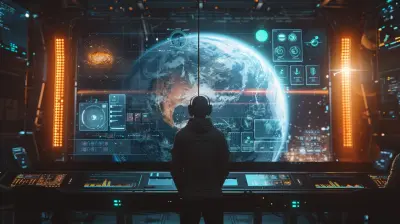
How Holographic Displays Could Guide Future Astronauts in Space
9 March 2026
Space exploration is one of humanity's greatest endeavors. It’s a high-stakes game where even the smallest mistake can have catastrophic consequences. Navigating the vast expanse of space, operating complex machinery, and staying alive in an environment that’s actively trying to kill you are just a few of the challenges astronauts face. But what if there was a way to make their lives easier, more intuitive, and even a little futuristic? Enter holographic displays.
You’ve probably seen holograms in movies like Star Wars or Iron Man, where characters interact with 3D images floating in mid-air. It’s the kind of tech that makes you think, "Wow, we’re definitely living in the future!" But what if I told you holographic displays aren’t just science fiction anymore? In fact, they could play a crucial role in guiding astronauts in space.
Intrigued? Let’s dive into how holographic displays could revolutionize space travel and make life in the cosmos a bit more manageable.
The Growing Complexity of Space Missions
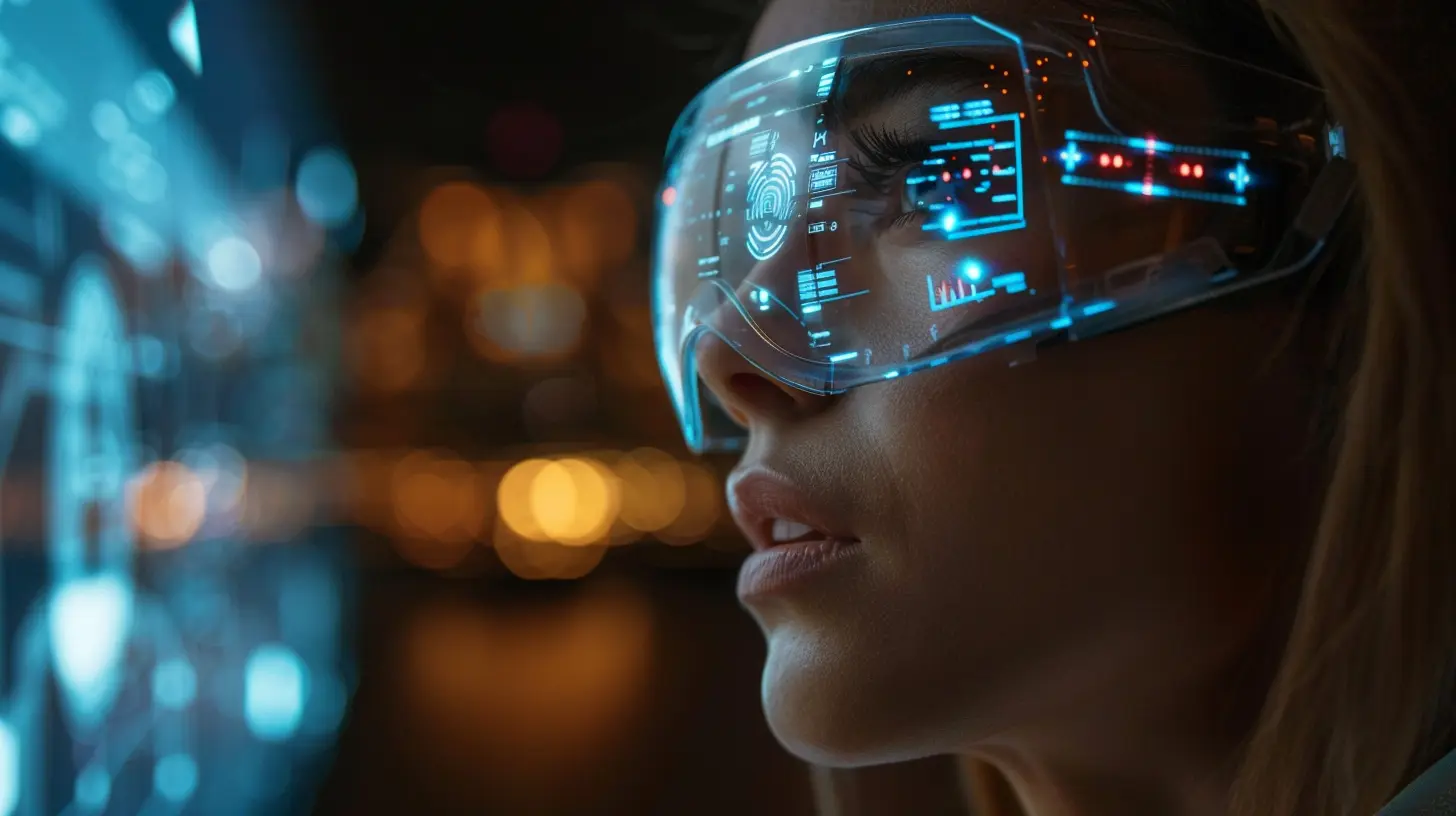
Space missions aren’t getting any simpler. With agencies like NASA, SpaceX, and others setting their sights on Mars, deep space, and beyond, the technology needed to support these missions is becoming more complex.Astronauts must monitor an overwhelming amount of data — from spacecraft systems, navigation, health metrics, to the status of experiments. Imagine having to manage all of that information on traditional screens with buttons and touch interfaces. It’s like trying to read an encyclopedia on a tiny smartphone screen. Not ideal, right?
This is where holographic displays could step in, making that flood of data much more digestible and interactive. Instead of scrolling through endless menus or flipping through manuals, astronauts could visualize and manipulate 3D holograms in real-time.
Why Traditional Interfaces Are Limited
Let’s face it—flat screens and touch interfaces have their limits. On Earth, they’re functional and get the job done, but in space, they’re far from perfect. Screens are bulky, take up precious real estate in a spacecraft, and can be hard to navigate quickly in time-sensitive situations.Not to mention, space suits aren’t exactly touchscreen-friendly. Have you ever tried using your smartphone with gloves on? It’s frustrating. Now imagine trying to operate a spacecraft with thick astronaut gloves. You see the problem.
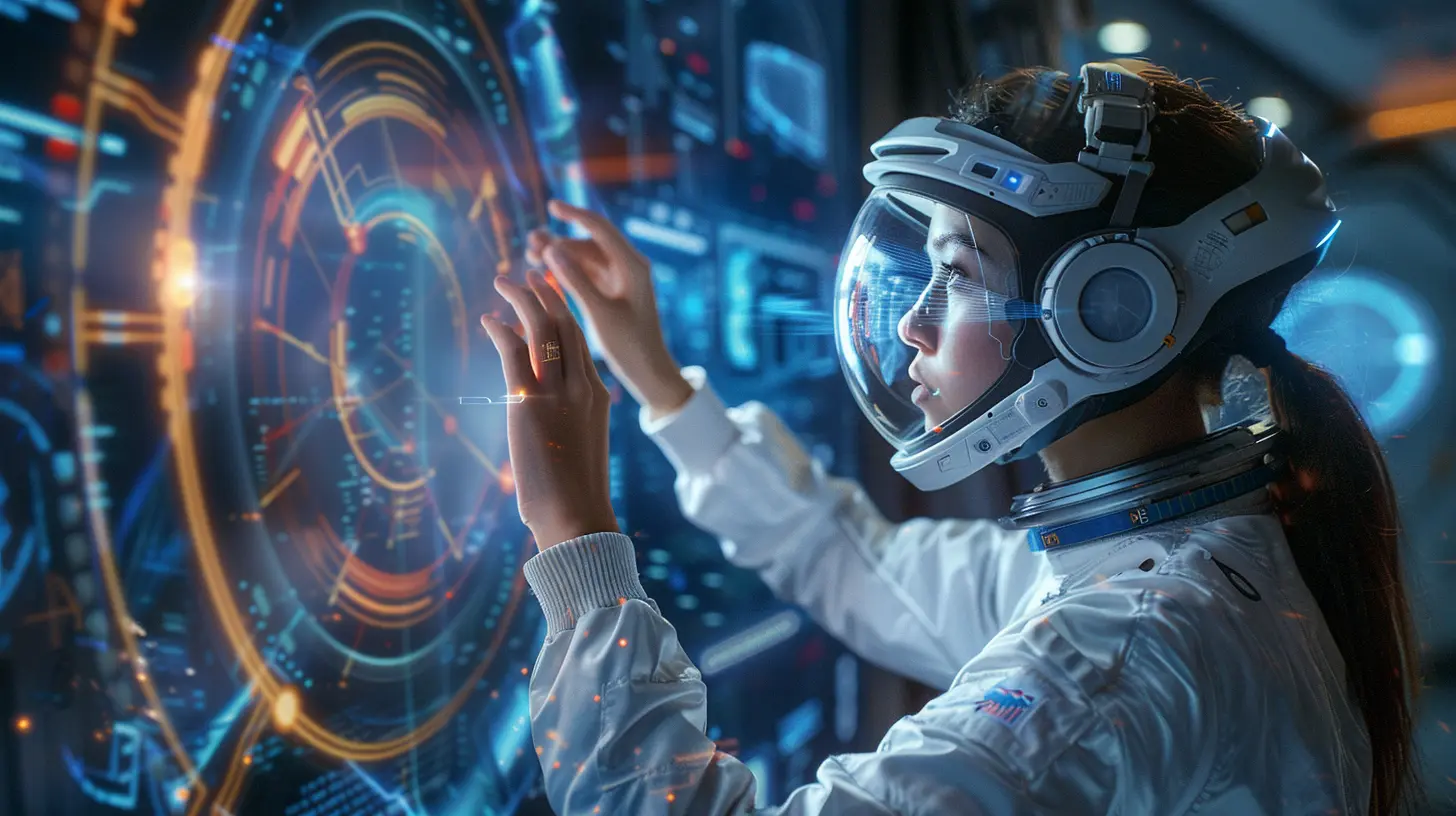
With holographic displays, astronauts wouldn’t need to rely on touchscreens or physical buttons. They could use hand gestures or even voice commands to interact with floating, 3D images. It’s a much more natural and intuitive way to work, especially in an environment as unforgiving as space.
What Are Holographic Displays, Really?
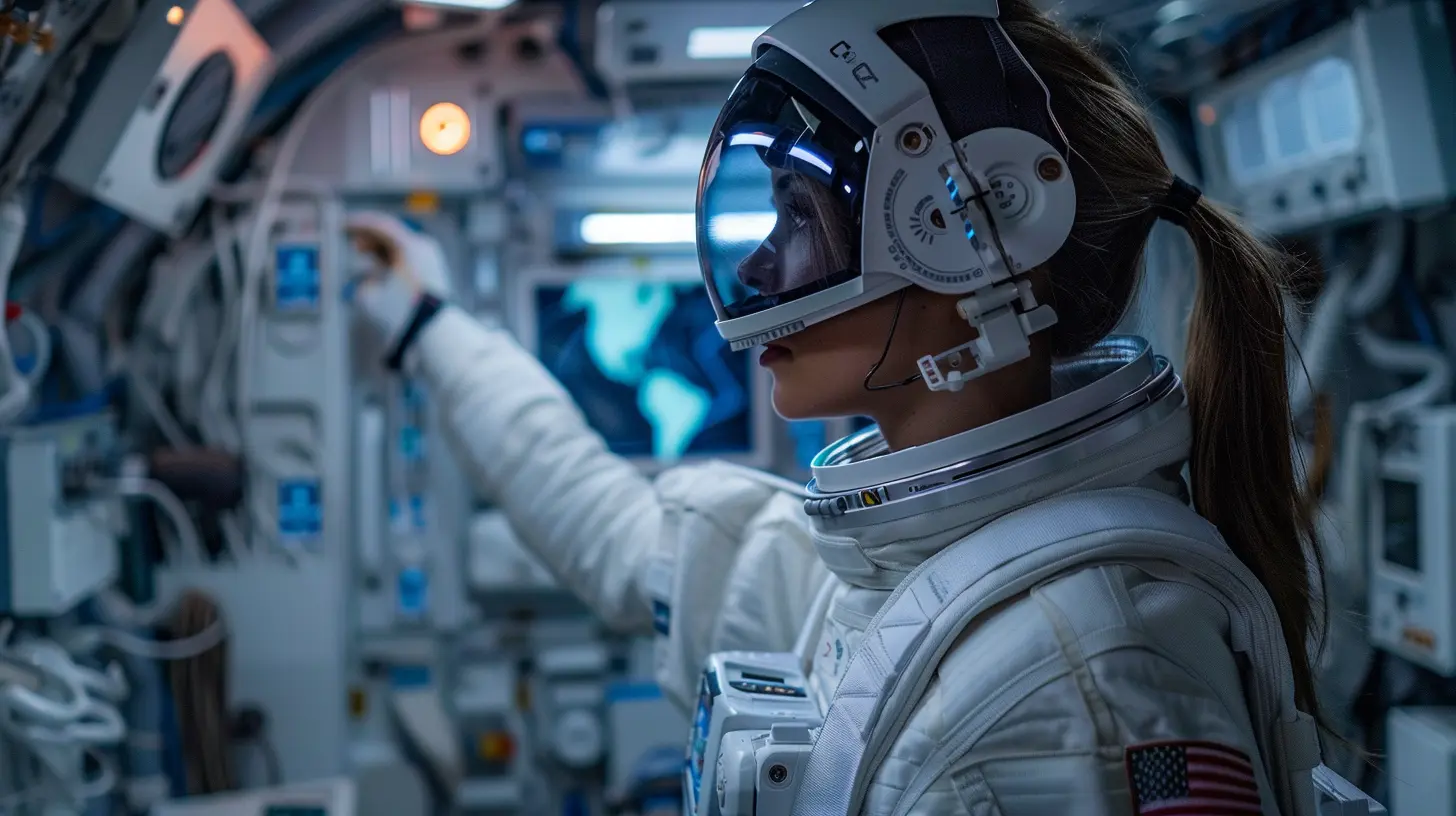
Before we go any further, let’s clear up what we mean by "holographic displays." These aren’t the full-blown, sci-fi holograms you might be picturing. We’re not quite at the stage where we can project Princess Leia into thin air (yet).Instead, current holographic displays use a mix of light, optics, and lasers to create the illusion of 3D images. These displays can be seen from different angles, giving them a sense of depth and realism that flat screens just can’t match. While they may not be perfect 3D projections floating in space, they’re still a significant step forward in how we interact with digital information.
One of the most promising forms of this technology is called "augmented reality" (AR). AR overlays digital information onto the real world, allowing users to interact with holographic images as if they were part of their physical environment. Think of it like a heads-up display in a video game, but way cooler and far more advanced.
How Holographic Displays Could Be Used in Space
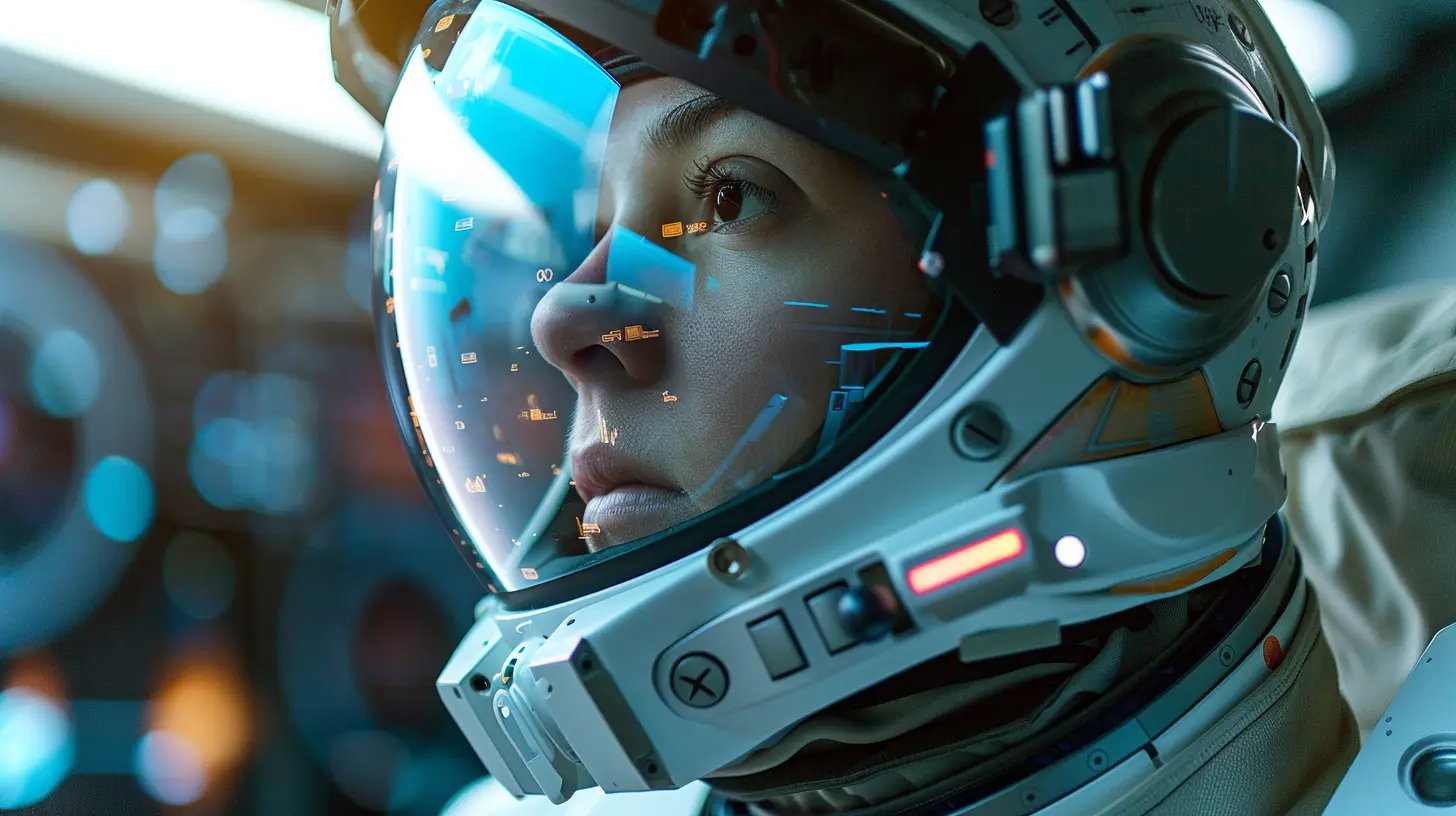
So, how exactly could holographic displays help astronauts? Let’s break down a few key areas where they could be game-changers.1. Navigation and Spacecraft Control
Navigating through the vastness of space isn’t like driving a car. There are no roads, no landmarks, and certainly no GPS. Astronauts rely on a combination of sensors, star charts, and complex calculations to plot their course.With holographic displays, this process could become far more intuitive. Imagine a 3D map of the solar system projected right in front of you, showing your spacecraft’s position in real-time. You could zoom in, rotate the view, and even "grab" different celestial bodies to get a better understanding of your trajectory. It’s like Google Maps... but for the entire universe.
Astronauts could also use holograms to control their spacecraft more efficiently. Instead of punching in coordinates or flipping switches, they could point at a destination in a holographic display and let the onboard computer handle the rest. It’s a far more interactive and engaging way to navigate through space.
2. Mission Planning and Collaboration
When astronauts are in the middle of a mission, time is of the essence. They can’t afford to waste valuable minutes scrolling through documents or waiting for instructions from mission control.Holographic displays could allow astronauts to visualize their mission objectives in 3D, right in front of them. Instead of reading a list of instructions, they could see a hologram of the spacecraft, the planets, or the equipment they’re working with. This would make it easier to understand complex tasks and reduce the risk of mistakes.
And it’s not just about individual astronauts. Holographic displays could also enhance collaboration between crew members. Multiple astronauts could view and interact with the same hologram, making teamwork more seamless and efficient. It’s like having a shared whiteboard in space, but way cooler.
3. Remote Assistance from Earth
Even with all the training in the world, astronauts can’t be experts in everything. Sometimes, they need help from the ground (Earth, that is). Currently, mission control communicates with astronauts through video calls and data transmissions, but there’s often a delay, especially on long-distance missions.Holographic displays could bridge that gap. Imagine an engineer on Earth projecting a hologram of a broken piece of equipment, showing an astronaut exactly how to fix it. The astronaut could follow along with the 3D visualization, making repairs faster and more accurate.
It’s like having a YouTube tutorial, but instead of watching a video, you’re interacting with a hologram in real-time.
4. Medical Assistance
Astronauts are tough, but they’re not invincible. Injuries and medical emergencies can happen, even in space. But here’s the thing: there’s no hospital nearby, and the closest doctor might be millions of miles away.Holographic displays could provide real-time medical assistance to astronauts. A 3D hologram of the human body could help them diagnose injuries or illnesses. They could even project holographic instructions for performing medical procedures, like stitching up a wound or administering an IV. It’s like having a virtual doctor on board.
The Challenges of Holographic Displays in Space
Of course, no technology is without its challenges, and holographic displays are no exception. While they hold a lot of promise, there are still a few hurdles to overcome before we can fully implement them in space missions.1. Power Consumption
Holographic displays require a significant amount of power to operate, especially when projecting complex 3D images. In space, energy is a precious resource, and every watt counts. Engineers will need to find ways to make these displays more energy-efficient before they can be used regularly in space missions.2. Durability and Reliability
Space is an incredibly harsh environment. There’s zero gravity, extreme temperatures, and constant radiation. Any technology used in space needs to be incredibly durable and reliable. Holographic displays will need to be tested rigorously to ensure they can withstand the rigors of space travel.3. User-Friendliness
While holographic displays sound amazing, they need to be easy to use. Astronauts already have a lot on their plates, and the last thing they need is a complicated new system to learn. Engineers will need to design holographic interfaces that are intuitive and user-friendly, even for people wearing bulky space suits.The Future of Holographic Displays in Space
Despite these challenges, the future of holographic displays in space looks bright. Companies like Microsoft, with their HoloLens, are already experimenting with AR technology in space. In fact, NASA has been using the HoloLens on the International Space Station for years, allowing astronauts to interact with holographic images while performing maintenance and research tasks.As technology continues to advance, we can expect holographic displays to become an integral part of future space missions. They could help astronauts navigate through space, perform complex tasks, and even stay connected with Earth. It’s not just about making space travel more efficient—it’s about making it more human.
So, the next time you watch a sci-fi movie and see astronauts interacting with holograms, remember: that future isn’t as far off as you might think.
all images in this post were generated using AI tools
Category:
Space TechnologyAuthor:

Ugo Coleman
Discussion
rate this article
2 comments
Clarissa Garcia
Cool, but can we also get holographic pizza in space? Astronauts need fuel, not just fancy tech! Priorities, folks!" 🍕✨
March 12, 2026 at 4:23 AM
Ugo Coleman
Holographic pizza sounds amazing! Fueling astronauts with fun ideas like that can inspire new tech and keep morale high in space. Who knows, maybe one day we'll see it happen!
Skylar Whitley
Holographic displays represent a groundbreaking leap in astronaut technology, transforming how we navigate and explore the cosmos. By providing real-time, immersive guidance, they could revolutionize space missions, empower our explorers, and illuminate the vastness of space like never before. The future of astronautics is dazzling!
March 9, 2026 at 7:34 PM
Ugo Coleman
Thank you for your insightful comment! Indeed, holographic displays have the potential to revolutionize space exploration, offering unprecedented guidance and immersive experiences for astronauts as they navigate the cosmos.