How Machine Learning is Enabling the Next Generation of Virtual Assistants
19 February 2026
Virtual assistants have come a long way from the early days of clunky voice recognition systems that barely understood our commands. Today, they can schedule meetings, send text messages, control smart home devices, and even hold basic conversations. But have you ever stopped to wonder how these digital helpers have become so smart? The answer to that question lies in the magic of machine learning.
Machine learning is the unsung hero behind the intelligence of virtual assistants like Siri, Alexa, and Google Assistant. It’s what allows them to understand our speech, learn from our preferences, and even anticipate what we want before we ask. But how exactly does machine learning enable these futuristic helpers to function so smoothly? Let’s dive into the nuts and bolts of it.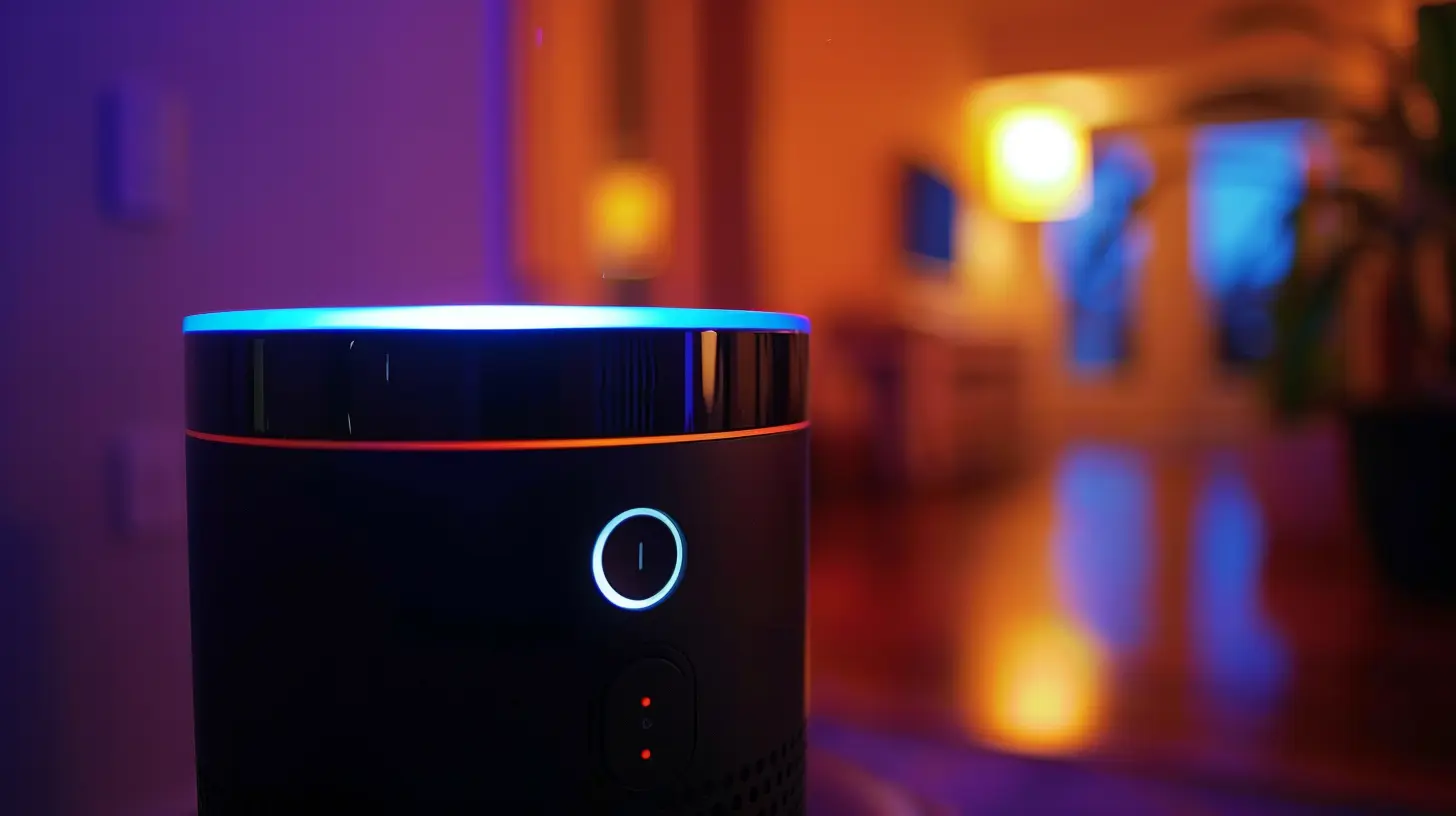
What Is Machine Learning?
Before we get into how machine learning is transforming virtual assistants, let’s break down what machine learning actually is. In simple terms, machine learning is a type of artificial intelligence (AI) that allows computers to learn and improve from experience without being explicitly programmed. Think of it like teaching a dog new tricks, only instead of rewarding the dog with treats, you reward the computer with data. The more data it gets, the better it gets at recognizing patterns and making decisions.Unlike traditional computer programs, which follow a set of fixed rules, machine learning algorithms can adapt and evolve. Instead of telling the computer exactly what to do, we feed it lots of data and let it figure out the best way to perform a task on its own. It’s like giving your assistant a bunch of puzzle pieces and letting them figure out how to put it together. The end result? Smarter, more intuitive virtual assistants that can do things we never thought possible.
The Role of Machine Learning in Virtual Assistants
Now that we’ve covered the basics of machine learning, let’s look at how it’s specifically used in virtual assistants. When it comes to virtual assistants, machine learning is responsible for several key functions: speech recognition, natural language processing (NLP), context awareness, and personalization. Each of these functions plays a crucial role in making virtual assistants as responsive and helpful as they are today.1. Speech Recognition: Turning Your Voice Into Data
Imagine you ask your virtual assistant to "play some music." The first job of your assistant is to understand what you just said. This is where speech recognition comes in.Speech recognition is the process of converting spoken language into text or commands that a machine can understand. Machine learning algorithms are trained on vast amounts of voice data to recognize different accents, tones, and ways of speaking. This is why your virtual assistant can understand you whether you have a thick accent or are mumbling under your breath.
In the past, voice recognition systems relied on predefined rules to understand speech, which made them prone to errors. But with machine learning, virtual assistants can improve over time by learning from their mistakes. For example, if you frequently ask for "upbeat music" and then skip a song when it starts playing, the assistant can learn from this behavior and adjust its future responses.
2. Natural Language Processing (NLP): Understanding What You Mean
Once the virtual assistant has recognized your words, the next big job is understanding what you mean. This is where natural language processing, or NLP, steps in. NLP allows the assistant to interpret human language in all its complexity—slang, idioms, and all.For example, let’s say you ask your assistant, "Can you turn on the lights?" The phrase itself might be simple, but think about all the variables. What if you have multiple rooms with smart lights? Which lights are you referring to? Are you asking for brighter lights, or just turning them on? NLP is what allows the assistant to understand the context and intent behind your words.
By using machine learning models, virtual assistants can learn the nuances of language over time. They can understand not just the literal meaning of your words but the intent behind them. This is why you can ask the same question in several different ways, and your assistant will still get it right.
3. Context Awareness: Understanding the Bigger Picture
Context is everything, right? You wouldn’t want your assistant turning on the lights in your kitchen when you’re clearly sitting in the living room. Context awareness allows virtual assistants to take into account your surroundings, past behavior, and preferences to give more accurate responses.Machine learning enables virtual assistants to gather data from multiple sources—your location, calendar, previous interactions, and even the time of day—to make smarter decisions. For example, if you always play relaxing music at night, your assistant might suggest your favorite playlist when it notices it's bedtime. Or, if you ask "How’s the weather?" while you're getting ready for a trip, it will give you the weather forecast for your destination rather than your current location.
4. Personalization: Making It All About You
One of the coolest things about modern virtual assistants is how personalized they’ve become. It’s not just about understanding generic commands anymore; it’s about recognizing you specifically and tailoring responses to your preferences.Machine learning plays a huge role in this personalization. By analyzing your past interactions, behavior, and preferences, your virtual assistant can learn to anticipate your needs. If you regularly ask for traffic updates before leaving for work, your assistant might start offering that information without you even asking. Or, if you frequently order the same coffee through an app, your assistant will remember your order and suggest it next time.
This ability to learn and adapt to individual users makes virtual assistants feel a lot more human. They’re not just following commands—they’re learning to understand you on a deeper level.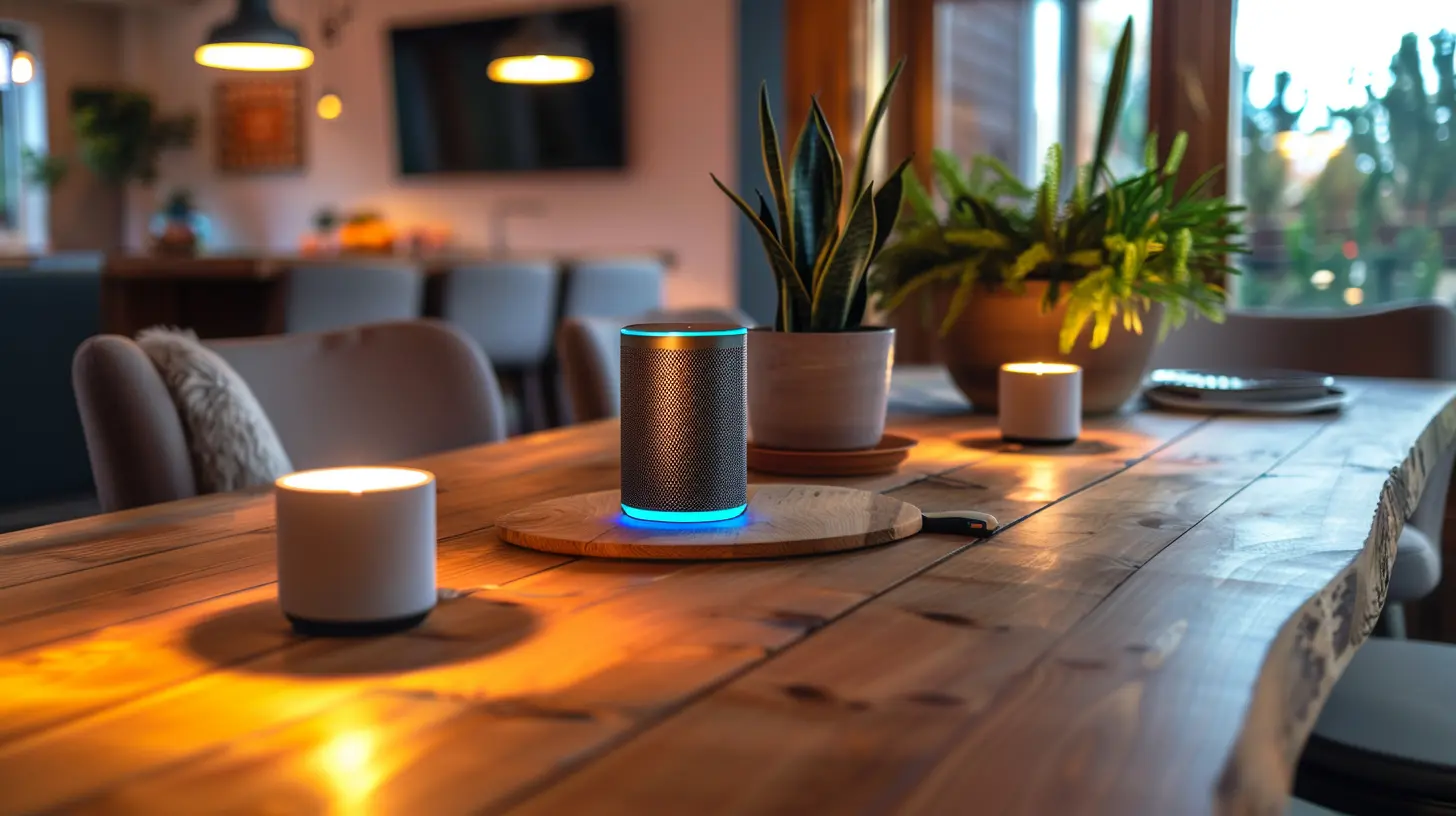
The Future of Virtual Assistants: What’s Next?
Okay, so machine learning is already making virtual assistants smarter, but what’s on the horizon? How will machine learning continue to push the boundaries of what these virtual helpers can do? Let’s take a look at a few exciting possibilities.1. Emotional Intelligence
Ever wish your virtual assistant could sense your mood? Well, that might not be as far off as you think. By combining machine learning with emotion detection technology, future virtual assistants could become emotionally intelligent. Imagine if your assistant could detect stress in your voice and suggest relaxing activities or calming music. Emotional intelligence could make virtual assistants more empathetic and responsive to our needs.2. More Natural Conversations
Right now, most virtual assistants still feel a little robotic in their responses. But in the future, machine learning will allow them to engage in much more natural, fluid conversations. Instead of just answering questions, they could hold full conversations, ask follow-up questions, and even maintain context over long periods of time. This would make interactions feel more like chatting with a human than talking to a machine.3. Multi-Modal Understanding
Today’s virtual assistants are mainly voice-based, but in the future, they could integrate multiple forms of input—voice, text, gestures, and even facial expressions. Imagine a virtual assistant that can read your body language or facial cues to understand what you want. Machine learning is making it possible for virtual assistants to process and interpret all these different forms of input seamlessly.4. Predictive Assistance
We’re already seeing the beginnings of predictive assistance, but it’s about to get way more advanced. In the future, virtual assistants could anticipate your needs before you even realize you have them. Machine learning models could analyze everything from your daily routine to your health data to predict when you might need a reminder to take a break, drink water, or get up and move around.
Challenges and Ethical Considerations
As amazing as these advancements are, they also come with their fair share of challenges. One major concern is data privacy. Virtual assistants rely on vast amounts of personal data to function effectively, and there’s always the risk that this data could be misused or hacked.Another challenge is bias in machine learning algorithms. Since these algorithms are trained on existing data, they can sometimes inherit the biases present in that data. This can lead to virtual assistants making decisions that are unintentionally biased or unfair.
There’s also the question of job displacement. As virtual assistants become more capable, there’s a concern that they could replace human workers in certain roles, especially in customer service or administrative positions. However, many experts believe that virtual assistants will complement human workers rather than replace them entirely.
Final Thoughts
Machine learning is undeniably revolutionizing virtual assistants, turning them from simple tools into powerful, intuitive helpers. From improving speech recognition to understanding the context of your requests, machine learning is the driving force behind many of the advancements we’ve seen in virtual assistants over the past few years.As machine learning technology continues to evolve, we can expect virtual assistants to become even more intelligent, personalized, and capable. Who knows? In the not-so-distant future, your virtual assistant might know you better than you know yourself!
all images in this post were generated using AI tools
Category:
Machine LearningAuthor:

Ugo Coleman
Discussion
rate this article
2 comments
Lexi McCabe
As machine learning evolves, virtual assistants are becoming more intuitive and personalized, blurring the lines between technology and companionship, ultimately prompting us to reconsider what it means to communicate.
March 1, 2026 at 7:26 PM
Ugo Coleman
Thank you for your insightful comment! Indeed, the evolution of machine learning is transforming virtual assistants into more relatable companions, challenging our understanding of communication and connection with technology.
Jillian Coffey
Empowering future innovation: Machine learning transforms our assistants!
February 22, 2026 at 6:05 AM
Ugo Coleman
Thank you! Indeed, machine learning is revolutionizing virtual assistants, enhancing their ability to learn, adapt, and assist us more effectively.