How Machine Learning is Personalizing Healthcare Treatments
5 February 2026
Healthcare is undergoing a remarkable transformation, and at the heart of it lies machine learning (ML). Think about how Netflix suggests movies or how Amazon predicts what you might buy next—now imagine that same level of personalization applied to healthcare treatments. Sounds incredible, right? Well, it's happening.
Machine learning is reshaping the way doctors diagnose diseases, recommend treatments, and even predict potential health risks before they become serious. But how exactly does it work, and what does it mean for the future of medicine? Let’s break it down in a way that makes sense without the complicated jargon. 
What is Machine Learning in Healthcare?
Machine learning is a subset of artificial intelligence (AI) that enables computers to learn patterns from data and make predictions or decisions without being explicitly programmed. In healthcare, this means ML algorithms can analyze vast amounts of patient data to improve diagnoses, treatment plans, and even drug discovery.Think of ML as a super-smart assistant that can sift through millions of medical records in seconds, spotting patterns that would take humans years to identify. This ability to process and interpret massive datasets is transforming healthcare on multiple fronts. 
How Machine Learning is Revolutionizing Personalized Healthcare
One-size-fits-all treatment plans are slowly becoming a thing of the past. Machine learning is enabling precision medicine, where treatments are tailored specifically to an individual's genetic makeup, lifestyle, and medical history. Here's how it’s making healthcare more personalized:1. Predicting Diseases Before They Occur
What if doctors could detect diseases before you even show symptoms? With machine learning, that's becoming a reality. Advanced algorithms can analyze patient history, genetics, and lifestyle factors to predict the likelihood of developing conditions like diabetes, heart disease, or cancer.For instance, Google's DeepMind has already developed an AI that predicts acute kidney injury days before doctors typically recognize it. This early detection helps prevent severe complications and saves lives.
2. Tailoring Treatments Based on Genetic Data
Every person's body responds differently to medications. Some drugs might work wonders for one patient but have little to no effect on another. Machine learning is refining pharmacogenomics, a field that studies how genes influence drug responses.By analyzing a person's genetic data, ML can recommend the most effective drugs with the least side effects. This personalized approach not only increases treatment success but also reduces trial-and-error prescriptions that can be costly and time-consuming.
Take cancer treatment, for example. ML-powered genetic sequencing helps oncologists determine which therapy will be most effective for a specific type of tumor, leading to better outcomes.
3. Enhancing Medical Imaging for Faster Diagnoses
Medical imaging—like X-rays, MRIs, and CT scans—plays a vital role in diagnosing diseases. However, interpreting these images can be time-consuming and prone to human error. Machine learning changes the game by making radiology more accurate and efficient.AI-powered systems, such as those developed by IBM's Watson and Google's AI research, can scan medical images, detect anomalies, and flag potential concerns faster than human radiologists. This means quicker diagnoses, faster treatments, and improved patient care.
4. Smart Wearables for Continuous Health Monitoring
Many people already use smartwatches and fitness trackers, but did you know these devices are becoming powerful health monitoring tools? Thanks to machine learning, wearables can track real-time data and detect irregular heart rhythms, sleep disorders, and even early signs of diseases.For example, Apple's Watch can detect atrial fibrillation—a condition that increases the risk of stroke. Such early warnings allow patients to seek medical care before things get serious.
Imagine a smartwatch acting as your personal health assistant, tracking your vitals and alerting you to potential issues before you even notice them. That’s the future machine learning is building.
5. Virtual Health Assistants for Better Patient Engagement
Ever wished you had a doctor on call 24/7? Machine learning makes that possible with AI-powered chatbots and virtual assistants. These smart tools can:- Answer medical questions
- Remind patients to take medications
- Schedule doctor appointments
- Offer basic health advice
Companies like Babylon Health and Ada Health have already developed AI-driven chatbots that help millions of patients worldwide. While they don’t replace doctors, they ensure better access to healthcare, especially in remote areas.
6. Revolutionizing Drug Discovery and Development
Developing new drugs is a time-consuming and expensive process, often taking more than a decade and billions of dollars. Machine learning is drastically speeding up this process by analyzing biological data and identifying potential drug compounds much faster.In fact, during the COVID-19 pandemic, ML played a crucial role in identifying potential treatments by analyzing thousands of medical research papers in record time. This approach accelerates drug development and reduces costs, making life-saving medications more accessible. 
Challenges and Ethical Concerns
While machine learning in healthcare is exciting, it comes with its fair share of challenges. Some of the key concerns include:1. Data Privacy and Security
Healthcare data is incredibly sensitive, and protecting patient confidentiality is crucial. Any misuse or breach of medical records could have severe consequences.2. Algorithm Bias
If a machine learning model is trained on biased data, it could lead to inaccurate or unfair recommendations, disproportionately affecting certain groups of patients.3. Doctor-Patient Trust
AI can assist doctors, but it cannot replace human intuition and empathy. Some patients may feel uncomfortable relying on ML-driven diagnoses and treatments.Despite these challenges, researchers and healthcare professionals are working hard to fine-tune AI models, ensuring they are ethical, unbiased, and, most importantly, beneficial for all patients. 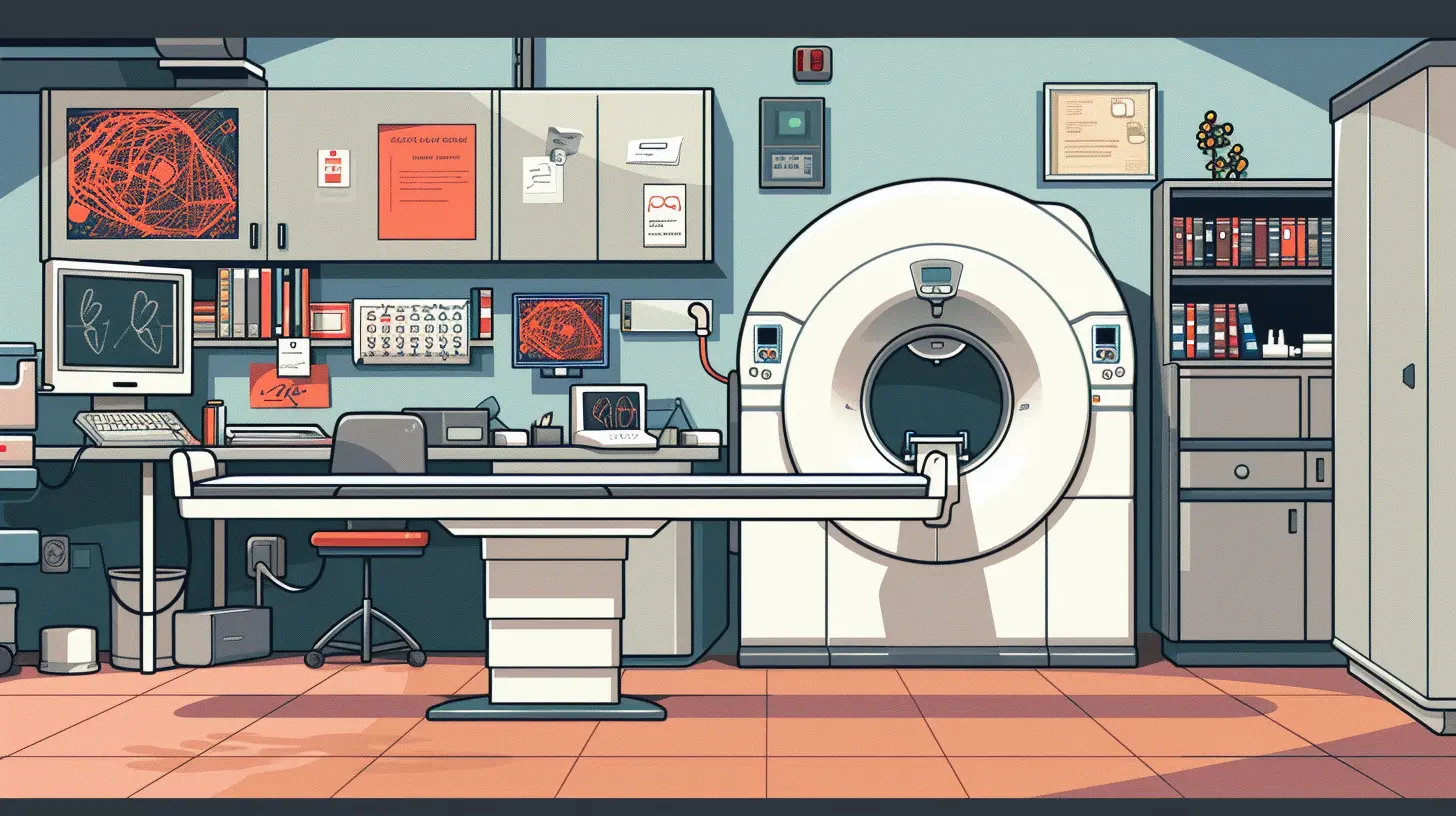
The Future of Personalized Healthcare with Machine Learning
The future of healthcare is data-driven, personalized, and proactive—thanks to machine learning. Instead of treating diseases after they appear, ML is leading us towards preventive medicine by detecting risks and recommending early interventions.Imagine a world where hospitals predict and prevent heart attacks before they happen, where cancer treatments are based on a patient’s unique genetic profile, and where wearable devices track vital signs in real-time, alerting doctors at the first sign of trouble.
This isn’t science fiction—it’s the future we’re stepping into. Machine learning is not just changing healthcare; it’s saving lives.
Are we ready for a world where medicine is customized just for you? It’s coming faster than we think.
Final Thoughts
Machine learning is revolutionizing healthcare in ways we never thought possible. By making treatments more personalized, efficient, and proactive, it’s improving patient outcomes and transforming the medical industry as we know it.While challenges remain, the potential benefits far outweigh the risks. With continued advancements, machine learning will ensure that healthcare is no longer a generalized approach but a tailored experience designed for every individual.
The era of personalized medicine is here—and machine learning is leading the charge.
all images in this post were generated using AI tools
Category:
Machine LearningAuthor:

Ugo Coleman
Discussion
rate this article
2 comments
Harper Russell
Finally, your doctor might know you better than your mother—thanks to machine learning!
February 27, 2026 at 1:59 PM
Ugo Coleman
That's an interesting perspective! Machine learning really does help us understand patients on a deeper level.
Edith Valentine
Machine learning is revolutionizing healthcare by delivering personalized treatments that cater to individual patient needs. Embracing this technology not only enhances treatment efficacy but also empowers patients, leading to better outcomes and a more efficient healthcare system overall.
February 15, 2026 at 5:55 AM
Ugo Coleman
Thank you for your insightful comment! I completely agree—machine learning is indeed transforming healthcare by enabling tailored treatments that significantly improve patient care and outcomes.