How Open Source is Empowering Developing Nations
19 March 2026
Introduction
Ever wondered how some of the world's poorest nations are making technological leaps without spending a fortune? The answer lies in open-source software. This revolutionary approach to technology is reshaping how developing nations access, use, and innovate with digital solutions.
Unlike proprietary software, which requires expensive licenses and strict compliance, open source is free, flexible, and community-driven. Governments, startups, and individuals in developing nations are leveraging it to overcome economic and infrastructure barriers. But how exactly does open source empower these nations? Let’s dive in.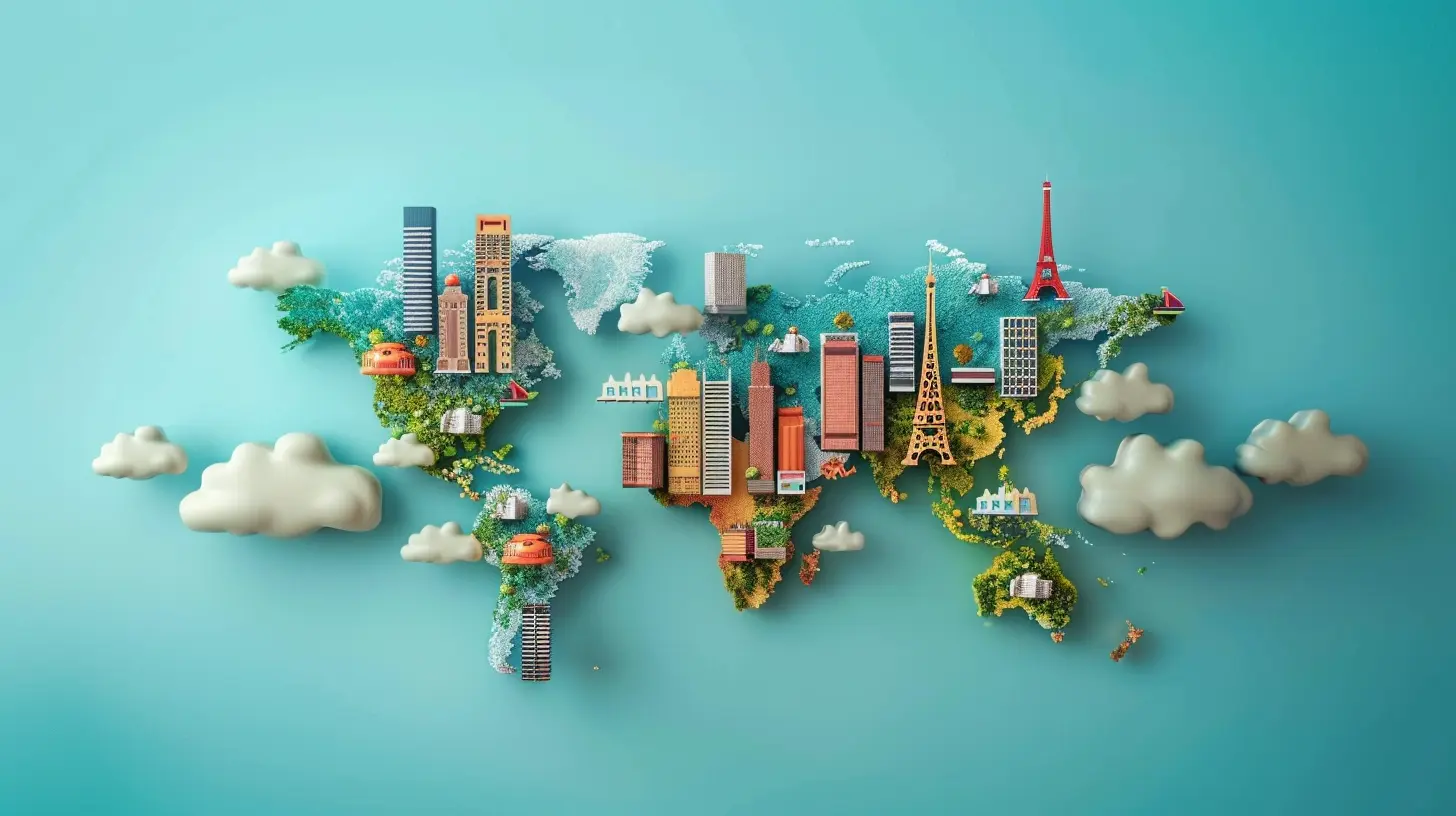
What is Open Source?
Before we unpack its impact, let's break down what open source actually means.Open-source software is software with a publicly available source code. This means anyone can view, modify, and distribute it. Think of it like a recipe shared with the world—anyone can tweak it to suit their needs or improve it for others.
Open Source vs. Proprietary Software
| Feature | Open Source | Proprietary Software ||-------------------|--------------------------------|------------------------------|
| Cost | Free or low-cost | Expensive licenses |
| Customization | Fully customizable | Limited or none |
| Vendor Lock-in | No lock-in, complete freedom | Locked to a single vendor |
| Security | Transparent, community-monitored | Security controlled by one company |
| Accessibility | Available to anyone, anywhere | Restricted access, costly |
Now that we understand open source, let’s see how it is driving transformation in developing nations.
Cost-Effective Solutions for Struggling Economies
One of the biggest hurdles for developing nations is budget constraints. Proprietary software often comes with hefty price tags, making it inaccessible for governments, schools, and businesses that operate on tight budgets.With open source, organizations can deploy powerful technology at minimal cost. Governments can run entire cities using open-source operating systems like Linux, businesses can manage finances with GNUCash, and hospitals can digitize patient records using tools like OpenMRS—all without spending millions on software licenses.
Imagine a small town needing a dependable IT infrastructure but lacking funds. Instead of purchasing costly software, they can set up Ubuntu-based servers, LibreOffice for productivity, and GIMP for graphic design—all without paying a dime.
Bridging the Digital Divide
Access to technology isn’t just about affordability; it’s also about availability. Many developing regions lack proper IT infrastructure, and proprietary software giants often ignore these markets due to low profitability.Open source eliminates these barriers by making high-quality software available to anyone with an internet connection. Whether it’s students learning to code, businesses managing inventory, or journalists fighting for free speech, open source provides digital tools that are otherwise unattainable.
Take Kenya’s e-government initiative, for instance. By using open-source platforms, the government has built digital services that allow citizens to file taxes, register businesses, and access legal documents without needing expensive software solutions.
Enabling Local Innovation and Entrepreneurship
When software is proprietary, users are limited to the features provided by the company. But with open-source software, anyone can modify and enhance it to meet local demands.This fosters a culture of innovation and creativity. Developers in Nigeria, for example, are building customized fintech solutions using open-source blockchain technology. These solutions empower unbanked communities by enabling secure digital transactions without relying on expensive corporate banking infrastructure.
Additionally, open source supports local entrepreneurship. Instead of importing expensive foreign software, businesses can develop and distribute local solutions, keeping wealth and expertise within their countries.
Enhancing Education and Workforce Development
Education is one of the most affected sectors in developing nations. Textbooks, software, and training programs can be expensive, limiting access to essential skills.Open-source technologies bridge this gap by providing free learning resources. Schools and universities can use platforms like Moodle for online classes, Scratch for teaching programming, and Apache OpenOffice as an alternative to Microsoft Office.
Furthermore, students and professionals can access vast repositories of free programming courses, software documentation, and online coding platforms, helping them build in-demand skills without needing costly certifications.
Strengthening Cybersecurity and Digital Sovereignty
Cybersecurity is a growing concern, especially for nations that lack the budget for expensive security defenses. Proprietary software often hides its internal workings, making it hard to detect vulnerabilities. Open-source software, however, is transparent and community-audited. This means that security flaws are often identified and patched faster than in proprietary alternatives.For example, the Indian government has encouraged the use of BOSS Linux, an open-source operating system tailored for national security. By relying on open-source solutions, developing nations reduce dependence on foreign technology providers, ensuring greater digital sovereignty.
Open Source in Government and Public Services
Public services in many developing nations suffer from inefficiencies, corruption, and lack of transparency. Open-source software can streamline government operations, making them more efficient, accountable, and cost-effective.Several developing nations have already integrated open source into their governance models:
- Brazil uses open-source platforms to manage elections, ensuring transparency.
- South Africa has adopted open-source software for education and public services.
- Mexico utilizes open-source tools for digital governance initiatives, improving accessibility for citizens.
These initiatives increase public trust by making systems open, auditable, and less prone to corruption.
Overcoming Challenges: The Road Ahead
While open source provides countless benefits, developing nations still face challenges in fully adopting it:1. Lack of Awareness – Many institutions remain unaware of open-source options.
2. Limited Technical Expertise – Skilled professionals to maintain and customize open-source software are needed.
3. Internet Accessibility – Some rural areas lack the connectivity needed to access and contribute to open-source projects.
However, organizations like the Free Software Foundation and Open Source Initiative are actively working to spread awareness, provide training, and promote policies that encourage open-source adoption in underdeveloped regions.
Conclusion
Open-source software is more than just free code—it's a powerful tool reshaping how developing nations interact with technology. By removing financial barriers, fostering local innovation, and making education more accessible, open-source solutions empower developing countries in ways that proprietary software simply can't.As these nations continue to harness the power of open source, they gain greater digital independence, stronger economies, and more skilled workforces. And if there's one thing we've learned, it's that technology should be a right, not a privilege.
Wouldn't it be exciting to see how open source shapes the future? One thing’s for sure—it’s just getting started.
all images in this post were generated using AI tools
Category:
Open SourceAuthor:

Ugo Coleman
Discussion
rate this article
2 comments
Cooper Hill
What an inspiring read! It's incredible to see how open source is unlocking opportunities for developing nations, boosting innovation, and enabling communities to thrive. The power of collaboration and shared knowledge is truly transformative. Excited to witness how this movement continues to uplift and empower! Keep up the fantastic work! 🌍✨
March 23, 2026 at 4:19 AM
Ugo Coleman
Thank you! I'm glad you found it inspiring. The impact of open source truly is transformative, and I’m excited to see how it continues to empower communities. Your support means a lot! 🌍✨
Hugo Webster
This article insightfully highlights the transformative role of open source in developing nations, fostering innovation and accessibility. By democratizing technology, it empowers local communities to address specific challenges, enhances educational opportunities, and promotes economic growth. However, sustainable support and infrastructure are crucial to fully realize open source's potential in these regions.
March 20, 2026 at 4:55 AM
Ugo Coleman
Thank you for your thoughtful comment! I completely agree that sustainable support and infrastructure are vital for maximizing the impact of open source in developing nations.