Machine Learning in Agriculture: Optimizing Crop Yield and Sustainability
12 February 2026
If someone had told a farmer 50 years ago that their future crop yields would be predicted not just by the weather but by smart algorithms and data models, they probably would’ve raised an eyebrow. Fast forward to today, and this futuristic idea has become reality. Machine learning (ML)—a subset of artificial intelligence—is now plowing its way across farms, optimizing not only how much we grow but how we grow it.
In this article, we’re going to roll up our sleeves and dig deep into how machine learning is transforming agriculture. We’ll talk about how it improves crop yields, supports sustainable farming, and helps farmers make better, faster decisions. Whether you’re a tech geek, a farmer, or just someone curious about food production in the 21st century, there’s something here for you.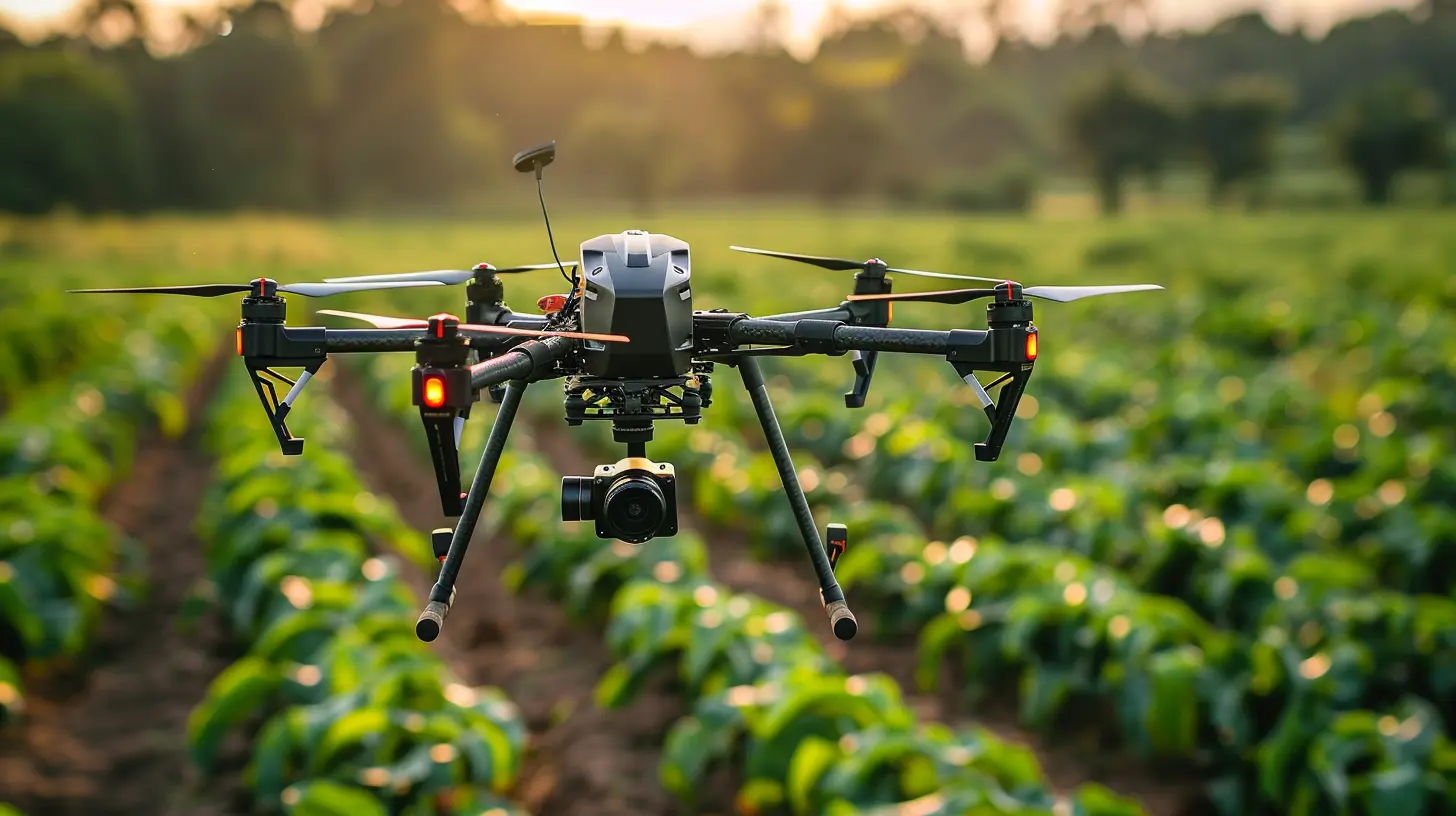
What is Machine Learning, Really?
Before we dive into the field (pun totally intended), let’s break down what machine learning actually is. Simply put, ML involves teaching computers to learn patterns from data. These algorithms "train" on massive datasets to make predictions or decisions without being explicitly programmed to do so.Imagine giving a computer thousands of images of healthy and diseased plants. Over time, it learns which visible patterns correlate with disease. Eventually, it can identify a sick plant just by glancing at a new photo—just like a seasoned farmer.
Why Agriculture Needs Machine Learning
You might be thinking: farming has worked for thousands of years, why change it now?Well, the global population is expected to hit nearly 10 billion by 2050. That’s a lot of mouths to feed. Add on the pressures of climate change, resource scarcity, and economic challenges, and it’s clear: the way we farm has to evolve.
Machine learning helps solve key agricultural problems:
- Predicting crop yield with insane accuracy
- Detecting diseases early
- Reducing pesticide and fertilizer use
- Conserving water through better irrigation methods
- Managing labor and machinery efficiently
In short, ML helps farmers work smarter, not harder.
Key Applications of Machine Learning in Agriculture
Let’s dig into the nitty-gritty details. Here’s how machine learning is being used on modern farms.1. Precision Farming
Precision farming is all about using data to treat different parts of a farm uniquely rather than uniformly. ML algorithms analyze data from drones, satellites, and sensors to generate insights about soil quality, moisture levels, plant health, and more.So instead of giving the entire field the same amount of water or fertilizer, farmers can apply just the right amount in the right area. This not only boosts yield but also saves resources and reduces environmental impact.
Think of it like a doctor giving a custom prescription instead of generic meds—it’s just smarter.
2. Predictive Analytics for Crop Yield
One of the coolest uses of machine learning is forecasting crop production. By analyzing historical data, weather patterns, satellite images, and soil conditions, ML models can predict how much yield a farmer can expect down to a surprisingly precise level.This kind of predictive power helps farmers make better decisions—like how much to plant, when to harvest, and how to price their produce.
It’s like having a crystal ball, but way more scientific.
3. Pest and Disease Detection
Pests and diseases can wreak havoc on crops, often without warning. But ML is changing the game here too.Using image recognition and neural networks, ML algorithms can scan photos of plants and immediately identify early signs of disease or pest infestations—even before the human eye spots it. This early warning system allows for quick intervention, saving the crop and potentially the season.
Some systems even use drones to fly over fields, capturing real-time images to assess plant health.
It’s basically plant CSI, but on a farm.
4. Automated Weed Detection
Weeds might be small, but they’re mighty destructive. Traditional farming often involves spraying herbicides over entire fields. But with ML, smart robots can detect and target only the weeds, minimizing chemical usage and costs.These AI-powered machines scan the field in real-time, identify unwanted plants, and zap them with laser beams or micro-doses of herbicide.
Yes—laser-firing farming bots really exist. Welcome to the future.
5. Soil Health Monitoring
Healthy soil = healthy crops. But how do you monitor soil on massive farms?Enter machine learning. By using sensors embedded in the ground along with satellite data, ML models can constantly evaluate soil pH, moisture, temperature, and nutrient levels. When something’s off, the farmer gets an alert.
It’s kind of like having a Fitbit for your farm's soil.
The Rise of Smart Farming Tools
There’s been an explosion of tools and platforms built around machine learning for agriculture. Here are a few that are making waves:- John Deere’s See & Spray™ technology: Uses computer vision to selectively target weeds.
- Blue River Technology: Their machines use ML to scan and treat each plant individually.
- Climate FieldView: Helps farmers make data-driven decisions by collecting and analyzing field data.
- Plantix: A mobile app that diagnoses plant diseases using your smartphone camera.
These tools are putting cutting-edge AI directly into the hands of everyday farmers. It's no longer just for big corporations—small farms are getting smart too.
How ML Supports Sustainable Agriculture
Machine learning isn’t just helping farmers grow more—it’s helping them grow better. Sustainability in farming means using resources wisely while protecting the environment.Here’s how ML helps:
- Reduces chemical use: By targeting only areas that need treatment.
- Conserves water: Through optimized irrigation schedules.
- Reduces waste: By predicting exactly how much to plant and when.
- Improves biodiversity: By encouraging practices that reduce monoculture dependency.
That’s a big win not just for farmers, but for all of us. After all, we all eat.
The Human Side of the Equation
Let’s not forget—behind every machine learning model is a human decision-maker. ML doesn’t replace the farmer; it empowers them.It gives them better insights, takes the guesswork out of planning, and lets them focus on what truly matters. And let’s be real—tech is great, but nothing beats good old farming instinct.
The best outcomes come when human experience meets sky-high computing power.
Challenges and Roadblocks
As promising as it is, machine learning in agriculture isn’t without challenges:- Data Quality: ML needs good data. Poor or inconsistent data leads to bad predictions.
- Cost: High-tech tools can be pricey for small-scale farmers.
- Connectivity: Many rural areas lack the internet speeds required for real-time analytics.
- Learning Curve: Not every farmer is tech-savvy. There’s a big need for training and support.
The good news? Tech is becoming cheaper, more accessible, and more intuitive. We’re headed in the right direction.
What's Next for ML in Agriculture?
Looking ahead, the future’s looking fertile for machine learning.We’re talking:
- Autonomous farming equipment: Tractors and harvesters that drive themselves.
- Real-time field analysis via drones and satellites
- Blockchain for secure data sharing among farmers and researchers
- Enhanced weather prediction models tailored to specific crops
As technology continues to mature, expect machine learning to become a standard tool in every farmer’s toolkit.
Final Thoughts
At the end of the day, machine learning in agriculture isn’t just about cool gadgets and shiny tech. It’s about solving real-world problems. It’s about helping farmers feed more people with fewer resources. And it’s about making farming smarter, more sustainable, and more resilient.We're entering an era where data is just as valuable as soil, and algorithms are just as essential as water.
And honestly? That’s not just clever—it’s revolutionary.
all images in this post were generated using AI tools
Category:
Machine LearningAuthor:

Ugo Coleman
Discussion
rate this article
2 comments
Ariana Green
Machine learning is revolutionizing agriculture by enabling precise crop monitoring and data analysis. This technology optimizes yield while promoting sustainable practices, ultimately benefiting farmers and the environment. Embracing these innovations is essential for the future of food production.
February 28, 2026 at 5:30 AM
Ugo Coleman
Thank you for highlighting the transformative impact of machine learning in agriculture. It's exciting to see how these innovations can optimize yields and promote sustainability, paving the way for a more resilient food system.
Liv McGuire
This is such an exciting read! It’s amazing how machine learning can transform agriculture, boosting crop yields while promoting sustainability. Tech and nature, perfectly paired!
February 15, 2026 at 5:55 AM
Ugo Coleman
Thank you! I'm glad you enjoyed the article. It's exciting to see how technology can enhance sustainable practices in agriculture!