Quantum Communication: The Next Leap for Spacecraft Connectivity
29 June 2026
Space travel has always been about pushing boundaries, and as we set our sights on deep space missions, the need for advanced communication technology becomes crucial. Imagine trying to have a conversation with someone across the galaxy, but the delay makes it nearly impossible. This is where quantum communication comes in—a revolutionary approach that could change how spacecraft connect with Earth and each other.
But what is quantum communication? And why is it such a game-changer for space? Buckle up because we’re diving deep into the world of quantum mechanics and its incredible potential for spacecraft connectivity. 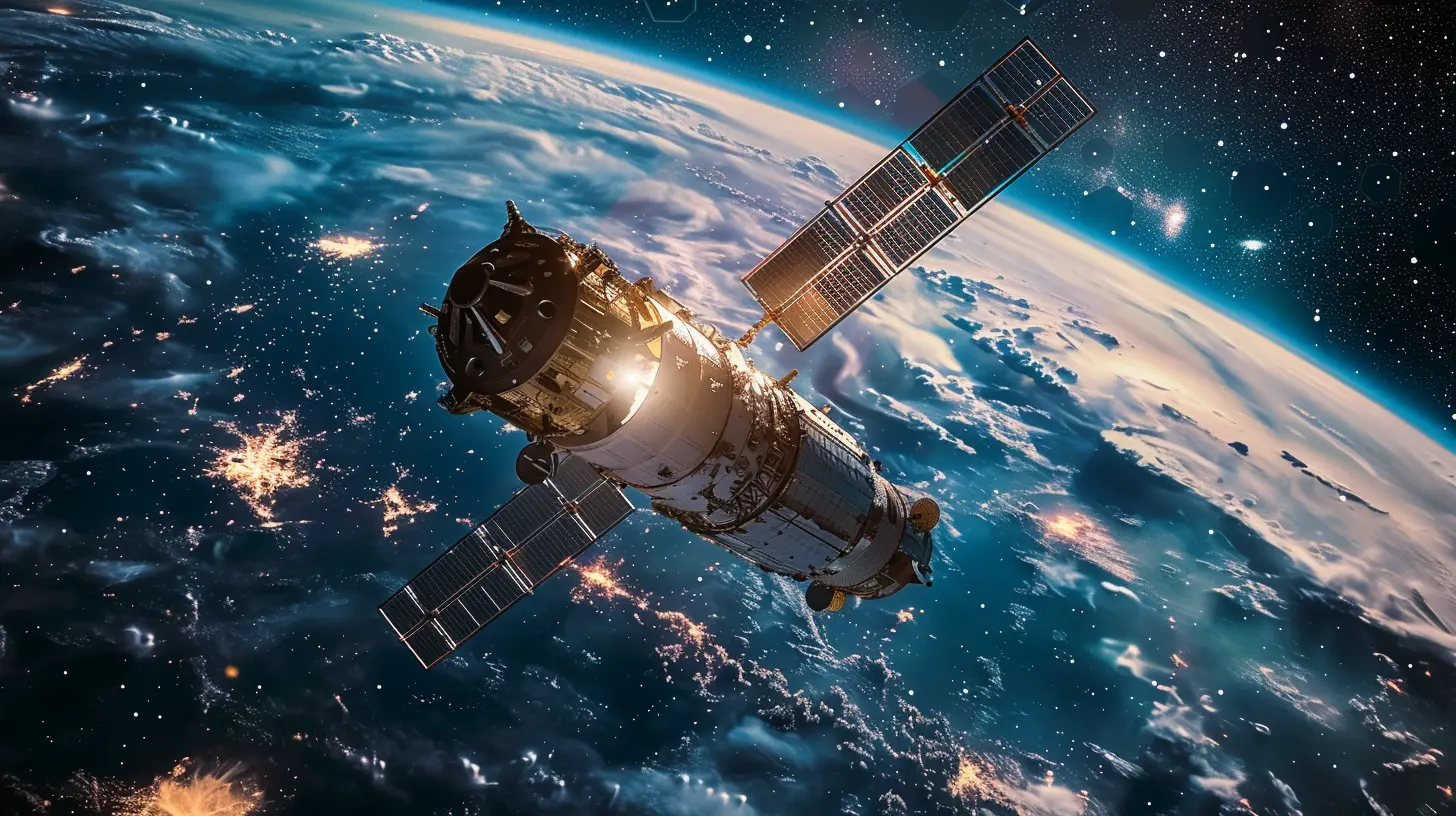
Traditional Space Communication: Where It Falls Short
Before we talk about quantum communication, let’s first look at how we currently communicate with spacecraft. Right now, we rely on radio waves and lasers to send and receive data. These methods have served us well, but they come with serious limitations:- Signal Lag: The farther the spacecraft, the longer it takes for signals to travel. For example, it takes around 14 minutes for a signal to travel from Mars to Earth. Imagine waiting that long just to get a response!
- Interference & Signal Loss: Space is vast, and signals can be affected by cosmic radiation, solar flares, and even black holes.
- Security Risks: Traditional communication methods are vulnerable to hacking and interception, a major concern for sensitive mission data.
With future missions aiming for Mars, Jupiter’s moons, and beyond, we need a faster, more secure way to communicate. Enter quantum communication—the next big leap in spacecraft connectivity. 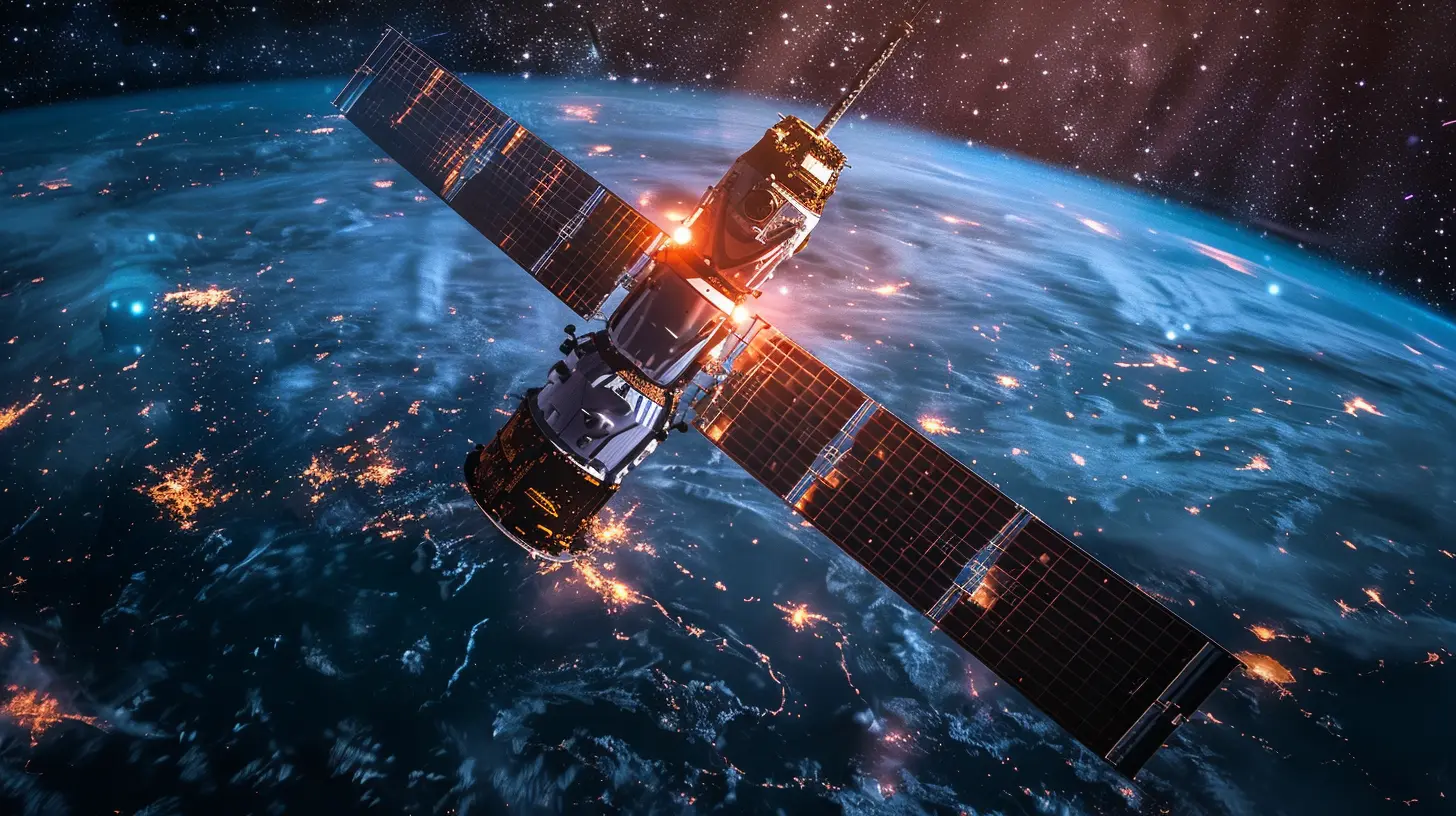
What Is Quantum Communication?
At its core, quantum communication is based on the principles of quantum mechanics, which governs the behavior of particles at an atomic and subatomic level. Unlike classical communication, which relies on electromagnetic waves, quantum communication uses qubits—units of quantum information that exist in multiple states simultaneously, thanks to a property called superposition.One of the most fascinating aspects of quantum communication is quantum entanglement. When two particles become entangled, they remain connected no matter how far apart they are. This means changes made to one particle instantly affect the other, even if they’re light-years away!
Sounds like magic? It’s just science breaking the rules of classical physics. 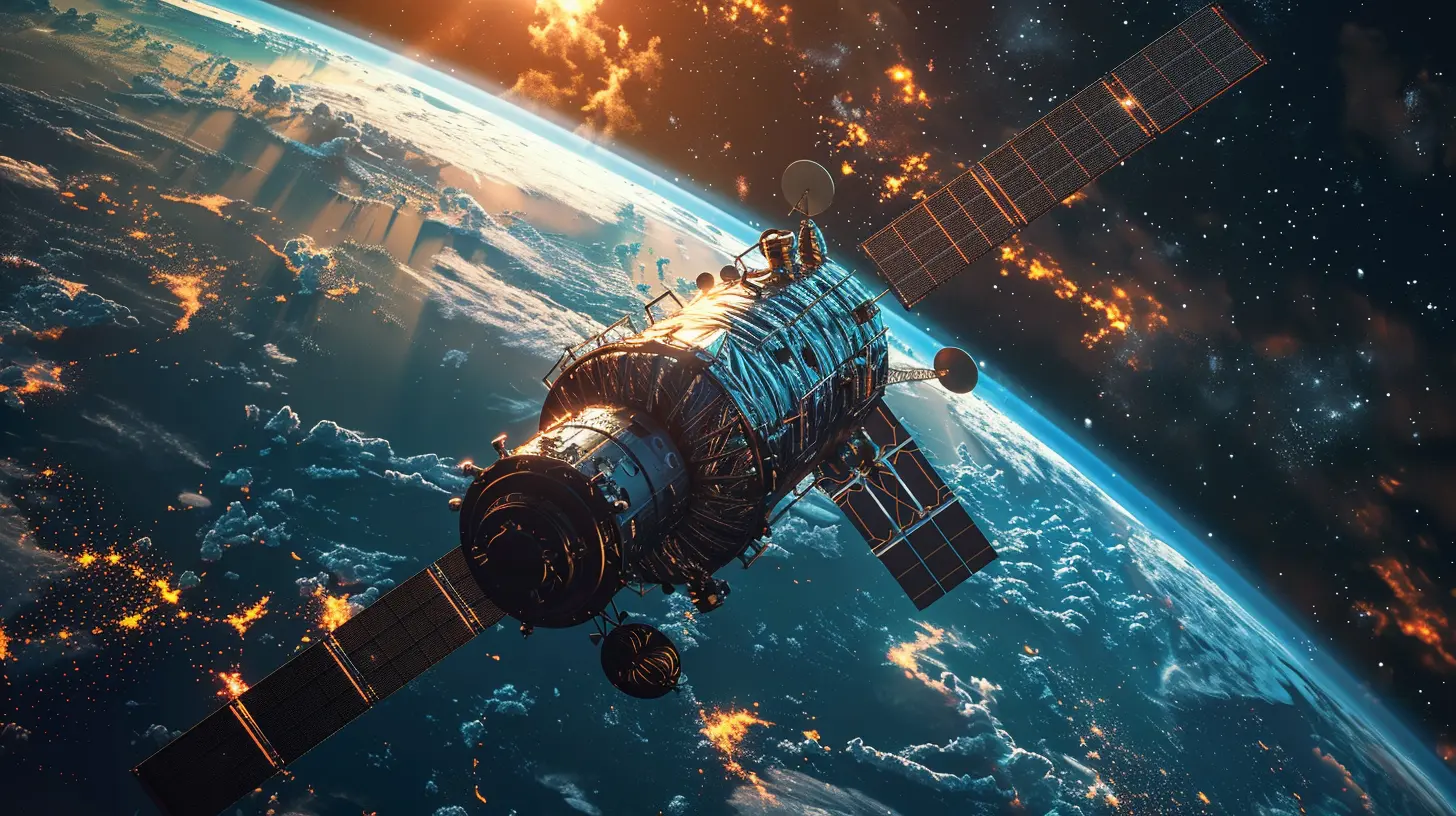
How Quantum Communication Could Transform Spacecraft Connectivity
So, how does quantum communication apply to spacecraft? Let’s break it down.1. Instantaneous Data Transmission
With traditional radio waves, data transmission is limited by the speed of light. But with quantum entanglement, information can be transferred instantaneously, eliminating the frustrating delays in space communication. Imagine astronauts on Mars receiving real-time instructions from Earth—no more waiting minutes or hours for messages!2. Ultra-Secure Communication
Data security is a massive concern, especially with increasing cyber threats. Quantum communication offers unbreakable encryption through a method called Quantum Key Distribution (QKD). Unlike classical encryption, which can be cracked with enough computing power, QKD ensures that any attempt to intercept the data destroys the information, making spying virtually impossible.Simply put, quantum communication is like sending a message that self-destructs if someone tries to read it—the ultimate security system!
3. More Efficient and Reliable Data Transmission
Since quantum communication uses photons (particles of light), it’s less likely to be affected by interference and signal degradation. This ensures a clearer and more reliable connection, even in deep space where traditional signals weaken over distance.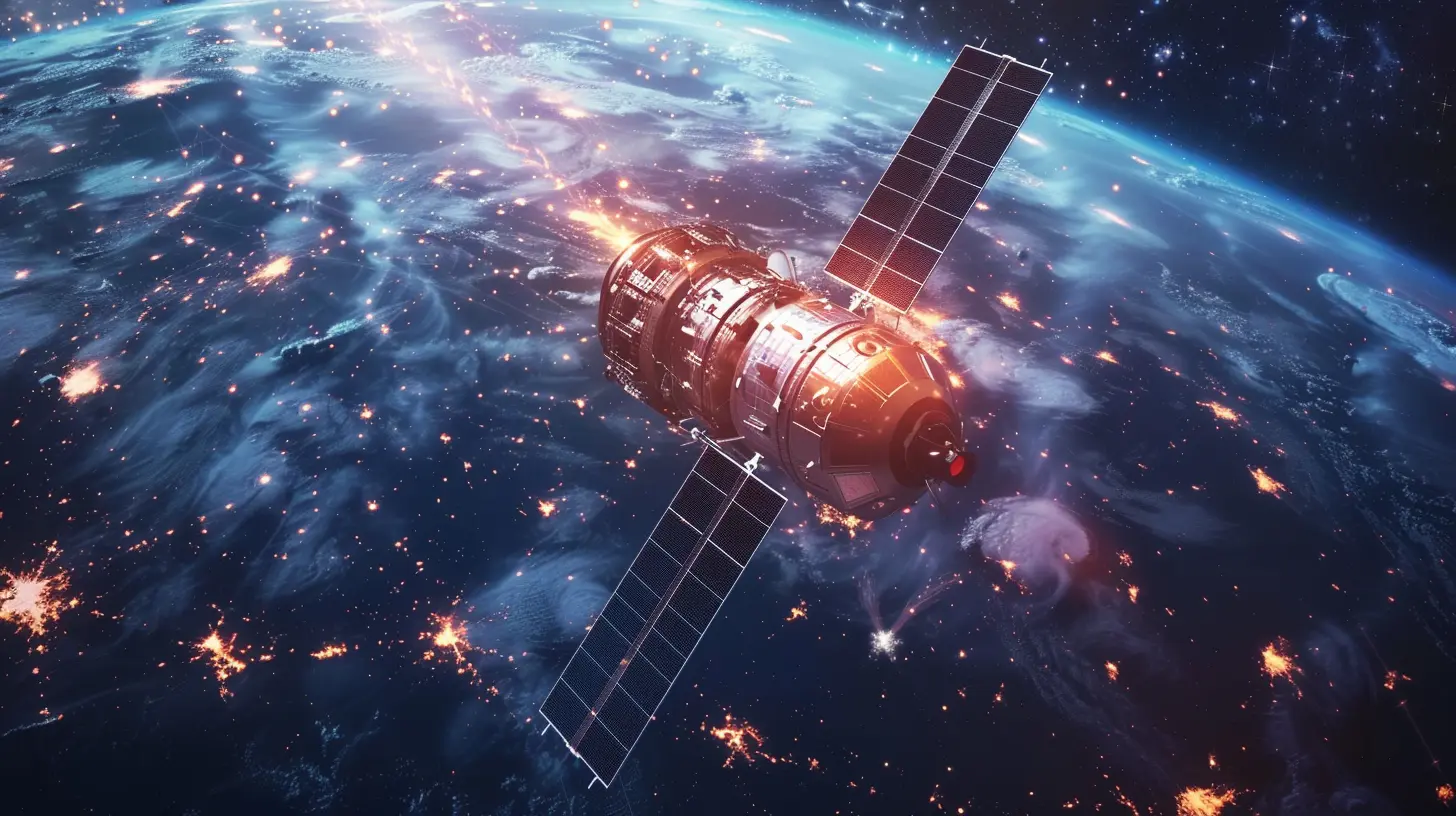
Challenges in Implementing Quantum Communication for Spacecraft
As exciting as this technology sounds, it’s not without its challenges.1. Maintaining Quantum Entanglement Over Long Distances
One of the biggest hurdles is keeping quantum entanglement stable over vast distances. Right now, experiments with quantum entanglement have been conducted within relatively short ranges (hundreds of kilometers), but extending that across millions or billions of kilometers is a whole new challenge.2. Technical Limitations of Quantum Hardware
Quantum communication requires highly sophisticated equipment, including quantum satellites and optical ground stations. While some progress has been made (China launched the first quantum satellite, Micius, in 2016), we still have a long way to go before this technology becomes practical for interstellar communication.3. Harsh Space Conditions
Space is brutal—extreme temperatures, radiation, and cosmic particles can easily damage quantum hardware. Ensuring that quantum systems function reliably in these conditions is a major engineering challenge.Despite these hurdles, researchers are making significant strides toward overcoming these limitations.
Recent Breakthroughs in Space-Related Quantum Communication
Over the past few years, major advances have been made in quantum communication for space applications.- China’s Micius Satellite: In 2016, China launched the Micius satellite, the first-ever quantum communication satellite. It successfully tested quantum entanglement over 1,200 kilometers, proving that quantum communication is feasible in space.
- NASA’s Quantum Experiments: NASA is actively exploring quantum entanglement for space communication, with several research projects focused on using quantum networks for deep-space missions.
- Quantum Internet Initiatives: Scientists are working on a global quantum internet, which could provide ultra-secure connections for spacecraft and even satellites orbiting Earth.
These breakthroughs are just the beginning. With continuous research, we might see full-scale quantum communication networks in space within the next few decades.
The Future of Quantum Communication in Space
So, what does the future hold for this revolutionary technology?- Interplanetary Quantum Networks: Imagine a vast web of quantum satellites enabling instantaneous and secure communication between Earth, Mars, and beyond.
- Quantum-Powered Mission Control: Space agencies could control and monitor spacecraft with real-time, lag-free responses, making deep space exploration smoother and more efficient.
- Secure Space-Based Operations: From encrypted military satellite communications to secure astronaut transmissions, quantum communication could redefine security in space exploration.
We are standing on the brink of a new era in space communication. While quantum technology is still in its infancy, its potential is undeniable.
Final Thoughts
Quantum communication isn’t just science fiction—it’s a scientific reality that could transform the way we connect with spacecraft. Imagine a future where astronauts, mission control, and satellites communicate instantly, securely, and without interference, no matter how far they are from Earth.While challenges remain, progress is happening fast. With continued advancements in quantum mechanics and space technology, the dream of a quantum-connected space network might become reality sooner than we think.
The universe is vast, full of unknowns, and waiting to be explored. Quantum communication could be the key to unlocking that future.
all images in this post were generated using AI tools
Category:
Space TechnologyAuthor:

Ugo Coleman
Discussion
rate this article
1 comments
Kinsley Chapman
Quantum communication will redefine space connectivity!
July 5, 2026 at 4:26 AM
Ugo Coleman
Absolutely! Quantum communication could revolutionize how we connect in space, making data transmission faster and more secure. Exciting times ahead!