Rethinking Office Culture with Immersive Tech in 2027
24 April 2026
Remember that scene in The Office where Jim looks directly into the camera, breaking the fourth wall? Well, fast-forward to 2027, and that metaphorical camera isn’t just a gag—it’s a pair of mixed-reality glasses, a haptic feedback suit, and a virtual whiteboard that smells faintly of coffee. We’re not just rethinking office culture anymore; we’re totally rebooting it. And honestly? It’s about time.
Let’s be real: the "office" as we knew it in 2019 was a weird mix of fluorescent lighting, stale bagels, and the awkward silence of an open-plan floor. Then remote work hit, and we traded that for Zoom fatigue, mute-button anxiety, and the existential dread of being a floating head in a Brady Bunch grid. But 2027? Oh, 2027 is different. Immersive tech—virtual reality (VR), augmented reality (AR), mixed reality (MR), and spatial computing—has waltzed into the workplace like a cool aunt who brings pizza and teaches you how to build a hologram. Let’s dive into how this tech is reshaping office culture, one digital handshake at a time.
The Death of the Flat Screen (And the Birth of the "Third Space")
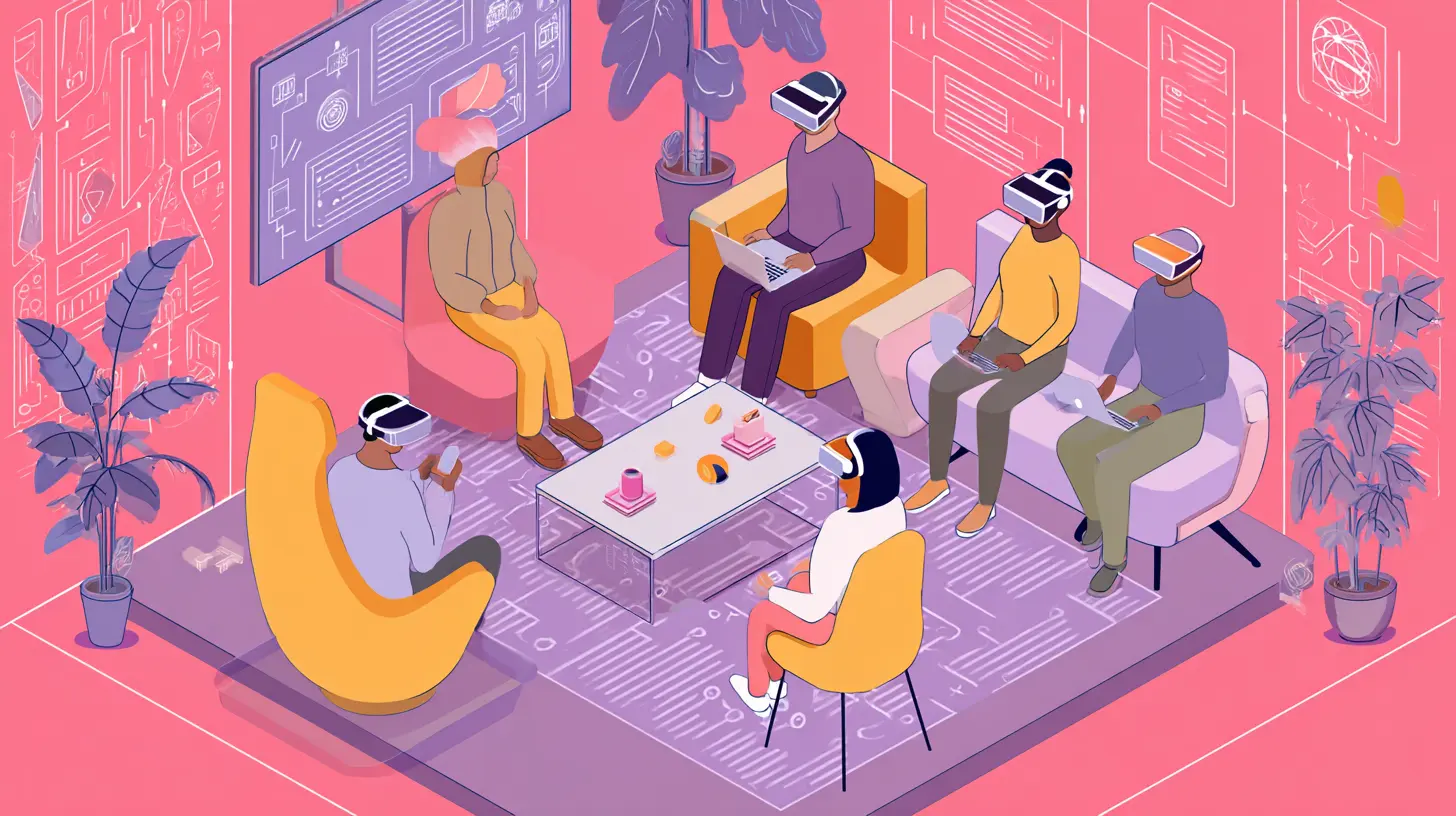
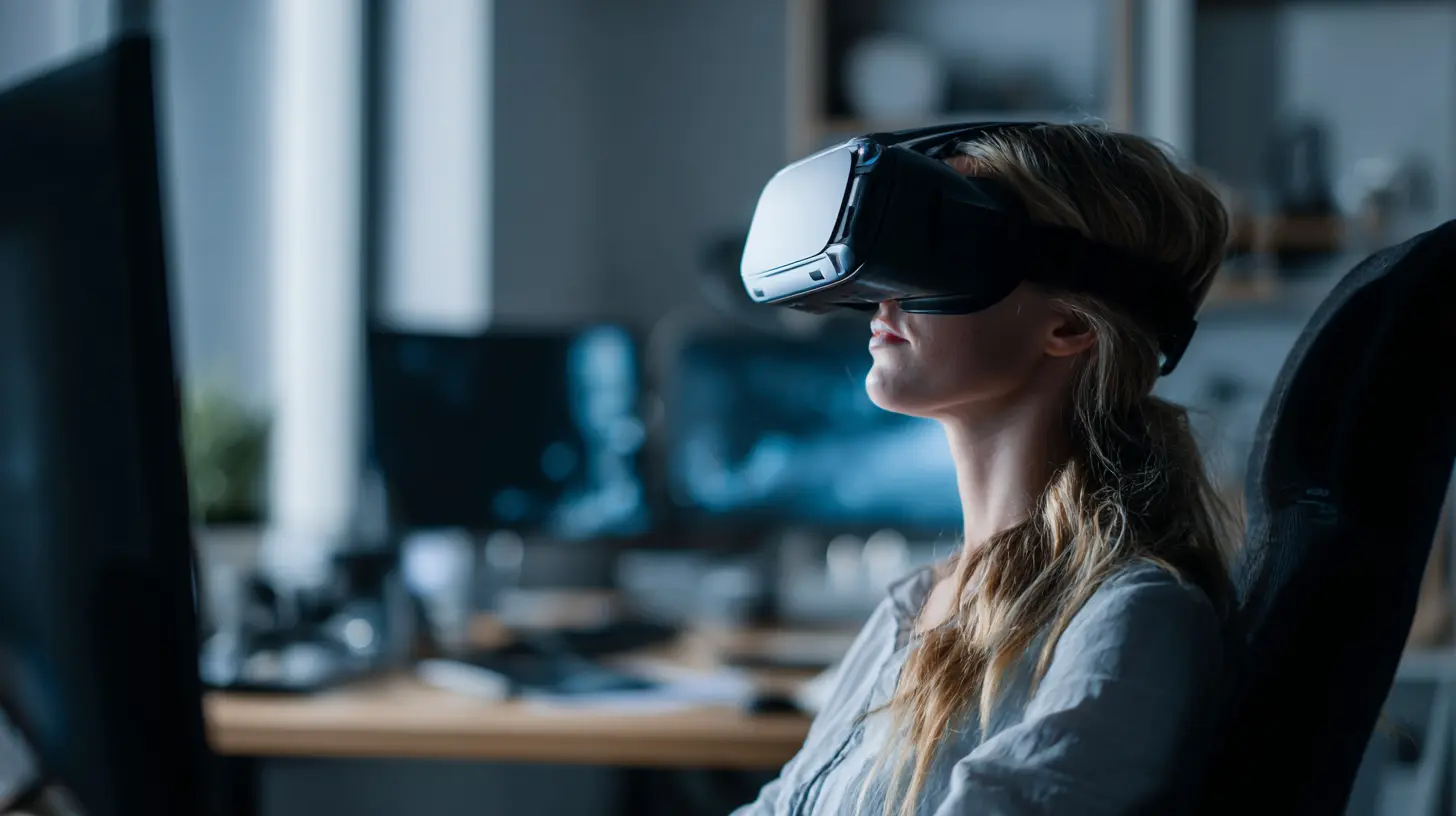
You know that feeling when you’re on a video call and you’re trying to read someone’s body language, but all you get is a pixelated shoulder and a bad ring light? Yeah, we’ve all been there. In 2027, we’ve officially retired the flat screen as the primary tool for collaboration. Why? Because it’s like trying to hug someone through a mail slot—technically possible, but deeply unsatisfying.Enter the "Third Space." This isn’t your home office, and it isn’t a corporate cubicle. It’s a fully immersive, virtual environment that feels as real as your favorite coffee shop, but with better Wi-Fi and no hipster barista judging your oat milk order. Using lightweight AR glasses (think sleek, not clunky) and spatial audio, you can now "walk" into a room with your colleagues. You see their avatars, you hear their footsteps, and you can even high-five them—virtually, of course. The haptic gloves make sure your palm tingles with just the right amount of force.
Why does this matter? Because culture isn’t built on spreadsheets. It’s built on the in-between moments—the joke before a meeting, the shared eye roll at a terrible idea, the spontaneous brainstorming session that happens when you bump into someone by the water cooler. Immersive tech recreates those moments. It’s not a replacement for physical presence; it’s an upgrade. Think of it as adding surround sound to a stereo system—suddenly, everything has depth.
The "Presence Paradox": Why Avatars Beat Video
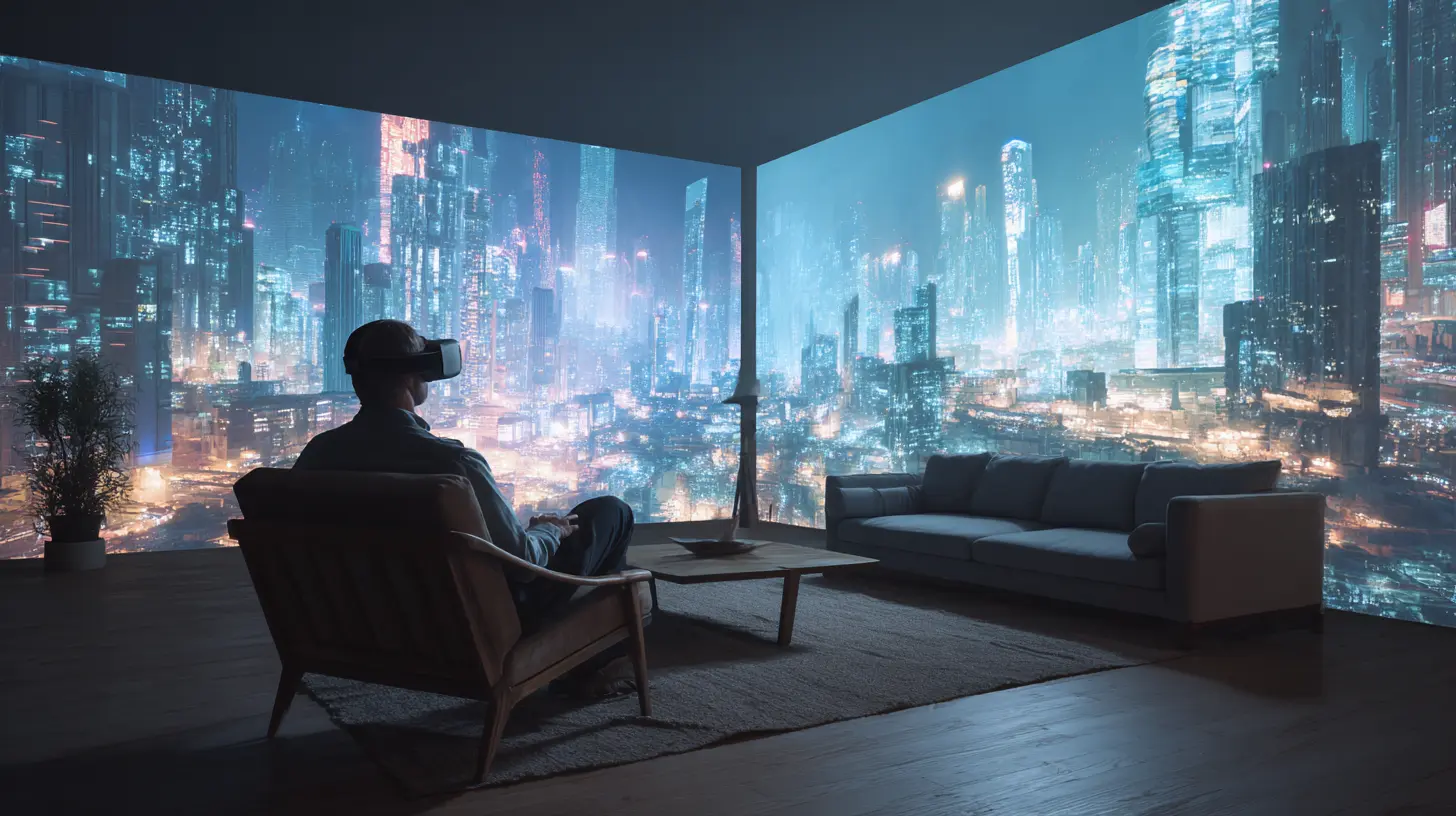
Here’s a fun fact: our brains are wired to trust physical presence. When you see someone in 3D, your mirror neurons fire up. You feel empathy, you read micro-expressions, you sense tension. Video calls? They’re like watching a puppet show—you know it’s a performance, and your brain doesn’t fully buy it.But avatars in 2027? They’re not the cartoonish, floaty ghosts of 2020. They’re digital twins—real-time, photorealistic representations of you, driven by AI that captures your facial movements, your hand gestures, even your posture. It’s a bit like being in a Pixar movie, except you’re the main character. And here’s the kicker: presence in VR is so convincing that your brain actually treats it as "real." Studies from 2025 showed that teams working in immersive environments reported 40% higher trust levels than those using video.
So, what does this mean for office culture? It means the dreaded "you’re on mute" is a relic. It means introverts can shine in a virtual roundtable without feeling like they’re under a spotlight. It means your boss can actually see you nodding in agreement (or subtly shaking your head) instead of staring at a frozen screen. We’re moving from a culture of "presenting" to a culture of "being." And that’s a joyful shift.
The Haptic Handshake: Rebuilding Human Connection
Let’s talk about touch. In a remote world, we lost the handshake, the pat on the back, the fist bump. For a species that thrives on physical connection, that was a silent tragedy. But 2027 is the year we get it back—digitally.Haptic technology has evolved from vibrating game controllers to sophisticated feedback systems. Imagine you close a deal with a client in Tokyo. You’re in your home office in London, but you both put on your haptic gloves. As you shake hands in VR, you feel the warmth, the pressure, the slight texture of the fabric. It’s not just a simulation; it’s a sensation. Your brain registers it as a real touch.
Why does this matter for office culture? Because rituals build bonds. The "congratulations" high-five, the supportive hand on a shoulder after a tough presentation, the playful nudge during a brainstorming session—these aren’t frivolous. They’re the glue of teamwork. Immersive tech in 2027 doesn’t just let us work together; it lets us feel together. And in a world where loneliness was the silent pandemic of the 2020s, that’s nothing short of revolutionary.
The Digital Whiteboard: From Sticky Notes to Living Ideas
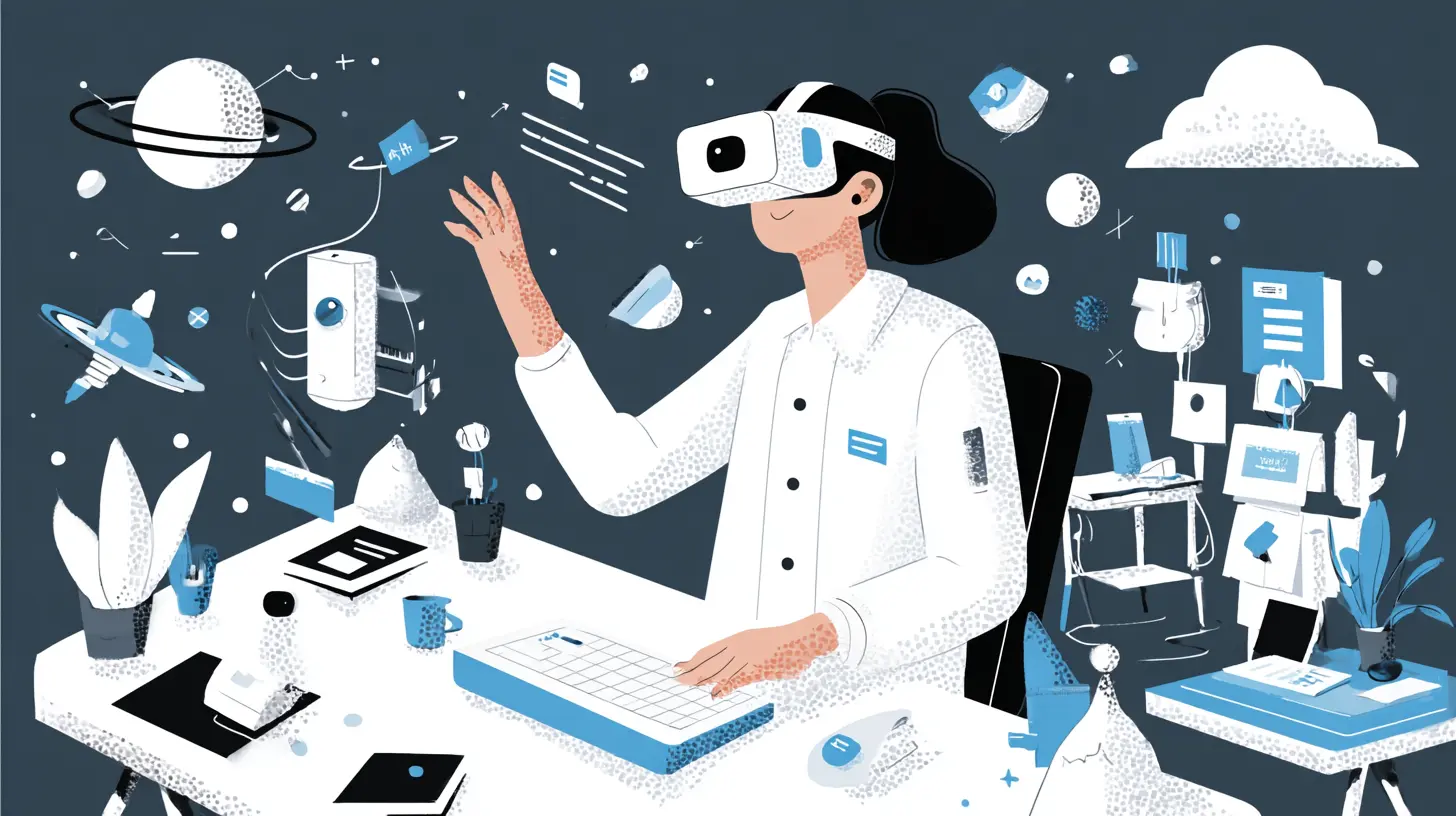
Raise your hand if you’ve ever spent 20 minutes searching for a sticky note that had a million-dollar idea written on it. (I see you, fellow chaos gremlins.) In 2027, the humble whiteboard has been reborn as a spatial canvas.Picture this: you’re in a VR meeting room with your team. You gesture with your hand, and a 3D graph appears in mid-air. You grab it, twist it, and drop it next to a floating mind map. A colleague in Berlin points to a node, and it expands into a cascade of data. You can walk around the idea, inspect it from every angle, and even step inside it. It’s like being in the movie Minority Report, but without the creepy retina scans.
This isn’t just cool—it’s culturally transformative. It democratizes creativity. No longer does the person with the best PowerPoint skills dominate the conversation. Now, anyone can manipulate a 3D model, add a virtual sticky note to a holographic timeline, or "pin" an emotion to a concept. The culture shifts from "who talks loudest" to "who builds best." And that’s a more inclusive, more playful, and more joyful way to work.
The "Water Cooler 2.0": Serendipity in the Metaverse
One of the biggest complaints about remote work was the loss of serendipity. You know, those chance encounters that lead to new projects, friendships, or inside jokes. In 2027, we’ve solved that with ambient virtual spaces.Imagine your company’s virtual office has a "lobby" that’s always open. You can "walk" through it on your way to a meeting. If you see a colleague’s avatar lingering by a virtual plant, you can stop and chat. The audio automatically adjusts so you can hear each other clearly, and the background noise of other conversations fades away. It’s like a coffee shop, but you can teleport home in a second.
Some companies even have "random rooms" where you’re paired with a colleague you haven’t spoken to in a while—algorithmic serendipity. It sounds weird, but it works. These micro-interactions rebuild the social fabric of an organization. They remind us that work isn’t just about tasks; it’s about tribes. And in 2027, your tribe can be scattered across continents but still feel like they’re right next to you.
The Onboarding Revolution: No More "First Day Daze"
Remember your first day at a new job? The awkward tour, the forgotten Wi-Fi password, the pile of HR forms that felt like a tax audit? In 2027, immersive tech has turned onboarding into a game.New hires get a VR headset on day one. They’re guided by a virtual "buddy" (an AI avatar that looks like a friendly librarian) through the company’s history, values, and even the office layout. They can "meet" their team in a virtual welcome party, complete with digital confetti and a background that matches their hometown. They can practice a sales pitch in a simulated environment, or explore a 3D org chart that shows how their role fits into the big picture.
The result? New employees report feeling 70% more connected in their first week. Culture isn’t something you learn from a PDF; it’s something you experience. And immersive tech makes that experience joyful, memorable, and deeply human.
The Dark Side? (Spoiler: It’s Manageable)
Let’s not pretend this is all rainbows and haptic handshakes. Immersive tech comes with challenges. There’s the risk of "digital fatigue"—spending eight hours in VR can be exhausting, even with lightweight headsets. There’s the privacy question: if your avatar captures your micro-expressions, who owns that data? And there’s the equity issue: not everyone can afford the latest gear.But here’s the good news: by 2027, the industry has addressed most of these. Headsets are subsidized by employers. Privacy laws have caught up (the "Virtual Rights Act" of 2026 was a game-changer). And companies have learned to blend physical and virtual—most offices now have "hybrid zones" where some people are physically present and others join via hologram. It’s not perfect, but it’s a lot better than the all-or-nothing approach of 2020.
The Joy of "Phygital" Culture
Ultimately, the office culture of 2027 is phygital—a seamless blend of physical and digital. You might spend Monday in a VR brainstorming session, Tuesday at a physical coffee meetup, Wednesday in a mixed-reality workshop, and Thursday in a fully remote "deep work" mode. The tech doesn’t box you in; it frees you up.And the joy? It comes from the small things. The laugh you share with a colleague when your avatar accidentally walks through a virtual table. The "aha" moment when you rotate a 3D model and see a solution you never noticed. The warmth of a virtual handshake that feels surprisingly real. The knowledge that, no matter where you are, you’re part of something bigger than a screen.
In 2027, we’re not just rethinking office culture—we’re rediscovering it. We’re remembering that work is about people, and people thrive on connection, play, and a little bit of magic. And immersive tech? It’s the magic wand we never knew we needed.
So, here’s my question to you: Are you ready to step into the third space? Because the future of work isn’t just coming—it’s already here. And it’s wearing a pair of AR glasses and a smile.
all images in this post were generated using AI tools
Category:
Tech For Remote WorkAuthor:

Ugo Coleman
Discussion
rate this article
2 comments
Matteo McMurtry
What an exciting vision for the future! Immersive tech is set to revolutionize office culture, making collaboration more vibrant and engaging. Can't wait to see how it all unfolds in 2027!
May 4, 2026 at 12:37 PM
Ugo Coleman
Thanks for your enthusiasm! I'm excited to see how immersive tech transforms our workspaces too. It's going to be an interesting journey ahead!
Norah Young
Exciting possibilities, but logistics remain challenging.
April 29, 2026 at 3:35 AM
Ugo Coleman
You're right, logistics play a significant role. Addressing those challenges is key to unlocking the full potential of immersive tech in the workplace.