Shopping in Your Living Room: The Future of AR Retail
14 November 2026
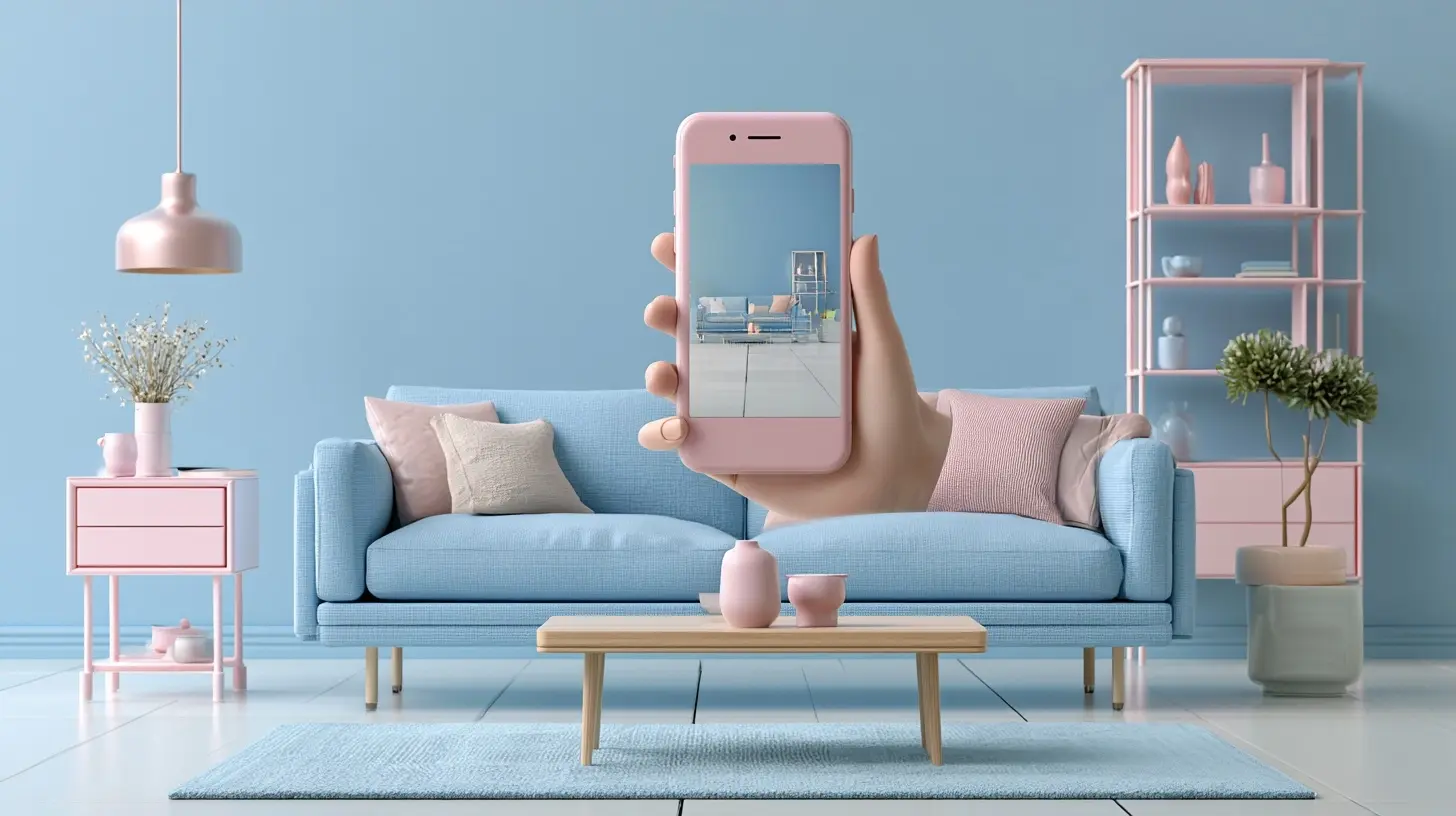
Augmented Reality (AR) is transforming how consumers shop by merging the physical and digital shopping experiences. With AR, customers can visualize products in their own spaces before making a purchase. This technology is not just a novelty; it represents a fundamental shift in retail strategies. In this article, we will explore how AR is reshaping shopping habits, the technology behind it, its benefits and challenges, and what the future holds for AR retail.
The Evolution of Retail
The retail landscape has undergone significant changes over the past few decades. From brick-and-mortar stores to e-commerce, the transition has been driven by the need for convenience and efficiency. However, as online shopping became mainstream, retailers faced a new challenge: bridging the gap between the physical and digital worlds.The Rise of E-commerce
E-commerce has transformed consumer behavior. People now expect to shop from anywhere, at any time. Yet, online shopping often lacks the tactile experience of physical stores. Shoppers miss the ability to see, touch, and try products. This is where AR comes into play, providing an immersive experience that traditional online shopping cannot offer.Enter Augmented Reality
AR enhances the real world with digital information. By using devices like smartphones or AR glasses, customers can overlay digital images onto their physical environment. This technology allows shoppers to visualize how products will look in their homes, making it especially useful for items like furniture, home decor, and fashion.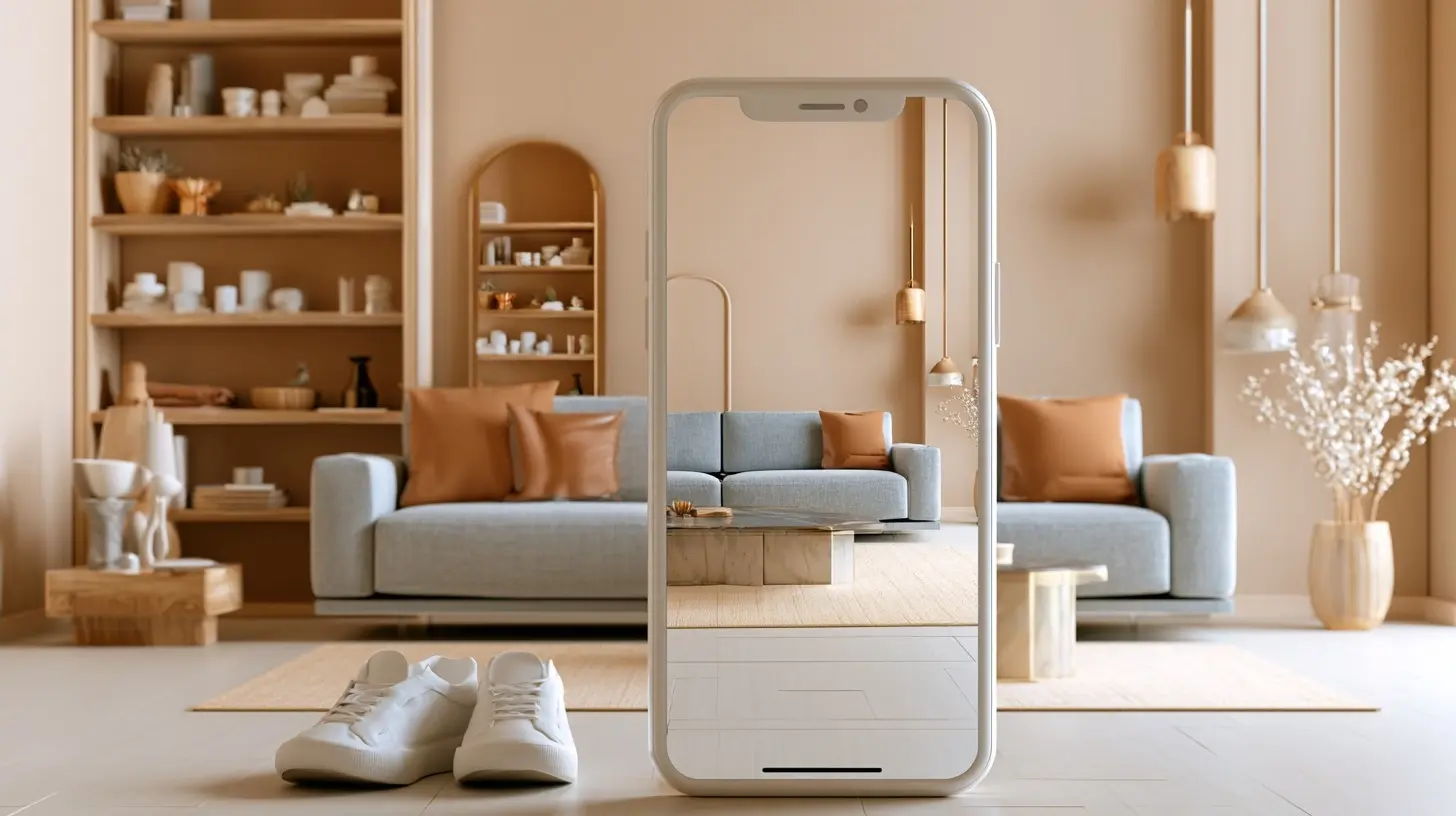
How AR Works in Retail
Understanding AR's mechanics helps clarify its potential in retail. Essentially, AR combines real-time data with digital content, allowing users to interact with virtual objects in their physical environments.Key Technologies Behind AR
1. Computer Vision: This technology enables devices to interpret and understand visual data from the real world. It detects surfaces and recognizes objects, allowing AR applications to place digital items accurately.2. Depth Tracking: Depth sensors help AR systems measure the distance between objects. This ensures that virtual products appear proportionate and correctly positioned relative to real-world items.
3. Motion Tracking: AR applications track users' movements, adjusting the virtual content accordingly. This results in a seamless experience where the digital overlay responds to real-life interactions.
4. Overlay Technology: Finally, AR apps use overlay technology to project digital images onto the user's view. This creates the illusion that virtual products exist in the real world.
Practical Applications of AR in Retail
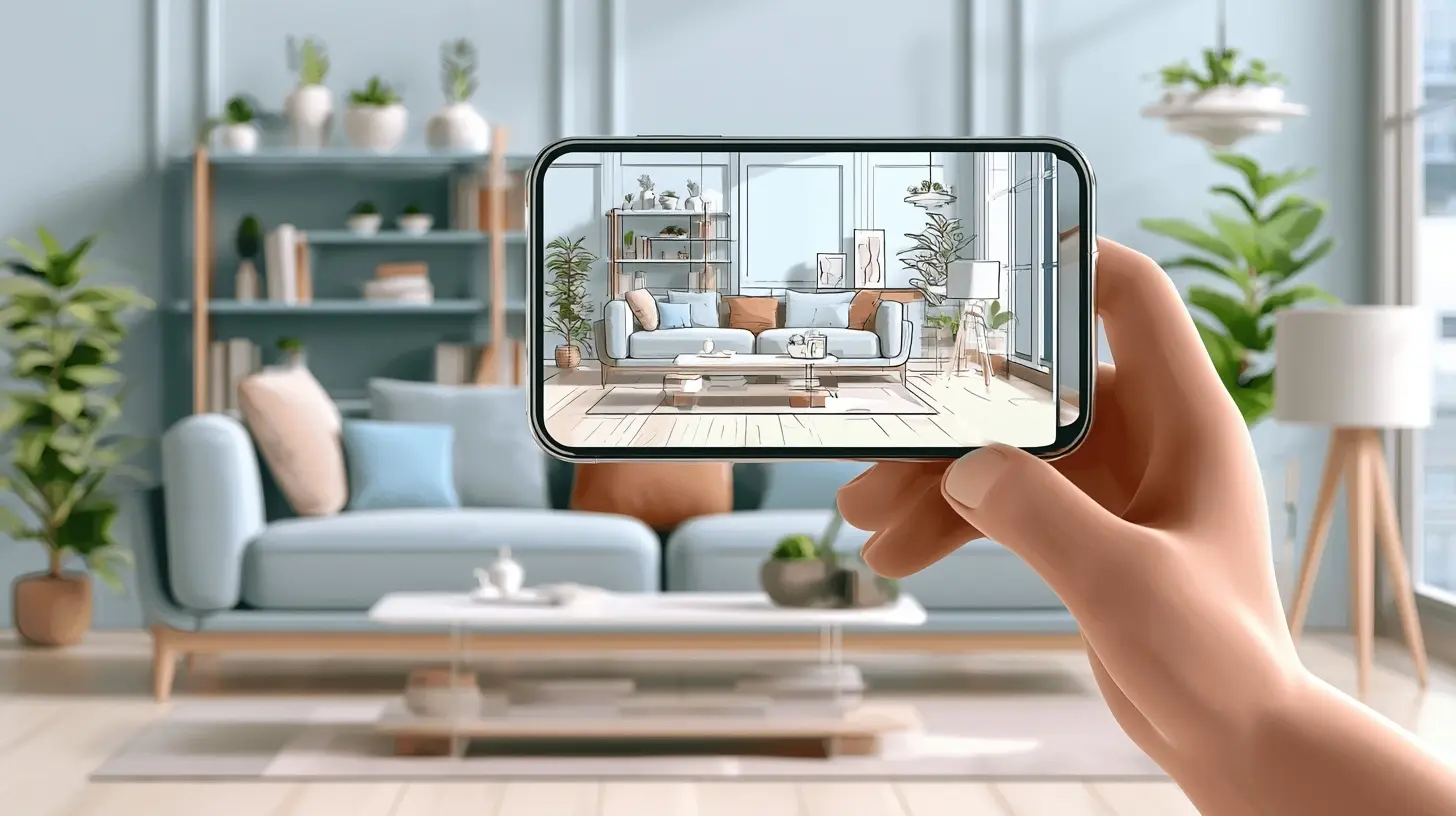
AR applications span various retail sectors, enhancing the shopping experience in unique ways. Here are some notable examples:- Furniture Retail: Companies like IKEA have developed apps that allow customers to visualize furniture in their homes. Users can scan their rooms, and the app displays how different pieces will fit and look in their space.
- Fashion and Beauty: Retailers like Sephora and Warby Parker have introduced AR features that let customers virtually try on makeup or glasses. This reduces the uncertainty associated with online purchasing and helps customers make informed decisions.
- Home Improvement: Brands like Lowe's offer AR tools that help customers visualize paint colors or appliances in their homes. Users can see how different designs will complement their existing decor.
Benefits of AR Retail
Implementing AR in retail offers several clear advantages.Enhanced Customer Experience
One of AR's most significant benefits is the enhanced customer experience. Shoppers can see how products fit into their lives, reducing the hesitance that often accompanies online purchases. When customers can visualize an item in their environment, they feel more confident in their buying decisions.Increased Engagement
AR captures customer attention in a way that traditional advertising cannot. Interactive experiences can boost engagement, encouraging customers to spend more time exploring products. This increased interaction can lead to higher conversion rates.Reduced Returns
Returns are a major headache for retailers, especially in e-commerce. By allowing customers to see how products will look in their homes before buying, AR can significantly reduce the number of returns. This saves businesses money and improves customer satisfaction.Competitive Advantage
In a crowded marketplace, retailers that adopt AR technologies can differentiate themselves. Offering an innovative shopping experience can attract new customers and foster brand loyalty.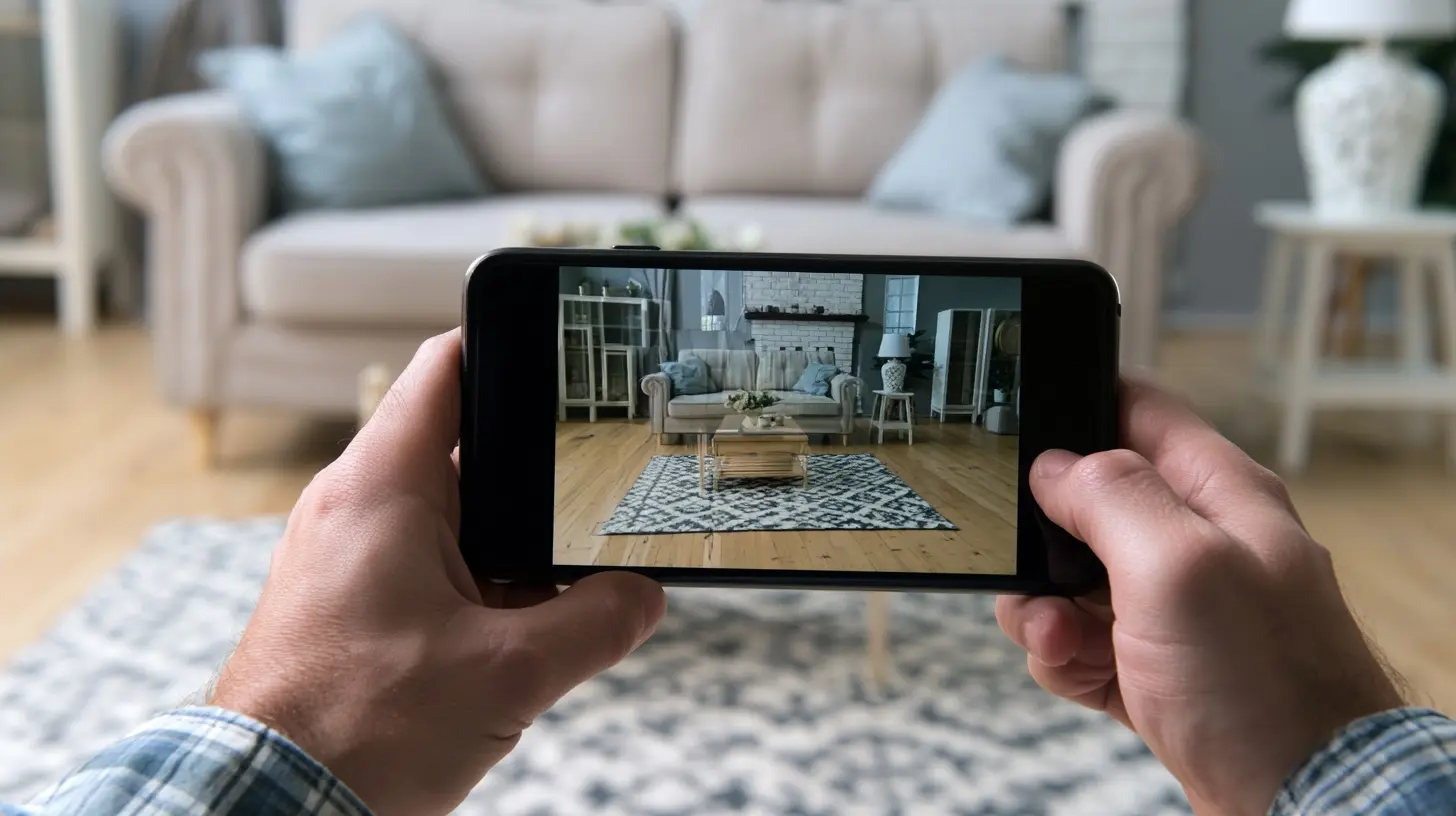
Challenges and Considerations
Despite its potential, AR retail also faces several challenges that businesses must navigate.Technical Limitations
While AR technology has advanced, it is not without limitations. Accurate object recognition and placement can be challenging, especially in complex environments. Retailers need to ensure their AR applications are reliable and user-friendly.User Adoption
Not all consumers are familiar with AR technology. Some may be hesitant to use it, preferring traditional shopping methods. Retailers must invest in educating their customers about the benefits of AR to encourage adoption.Cost of Implementation
Developing high-quality AR experiences can be expensive. Retailers must consider the costs associated with software development, hardware requirements, and ongoing maintenance. Smaller businesses may find it challenging to justify these investments.Privacy Concerns
As with any technology that collects user data, privacy concerns arise. Retailers must be transparent about how they use customer data and ensure robust security measures are in place. Trust is essential for encouraging users to engage with AR applications.Best Practices for Implementing AR in Retail
For retailers looking to adopt AR technology, several best practices can guide their efforts.Start Small and Scale
Instead of launching a comprehensive AR solution, retailers should start with a pilot project. This allows them to test the technology, gather feedback, and make necessary adjustments before scaling. A phased approach reduces risk and helps ensure success.Prioritize User Experience
User experience is paramount in AR applications. Retailers should focus on creating intuitive interfaces that guide customers through the AR experience. Conducting user testing can help identify pain points and improve the overall experience.Leverage Data Analytics
Using data analytics can provide insights into customer behavior and preferences. Retailers can analyze how users interact with AR features to optimize the shopping experience. This data-driven approach allows for continuous improvement.Educate Customers
Retailers should invest in marketing efforts that educate customers about the benefits of AR. Clear, engaging content can demystify the technology and encourage users to embrace it. Highlighting success stories and testimonials can further build trust.Ensure Compatibility
AR applications should be compatible with a range of devices. Retailers should consider how their target audience accesses their services and ensure that the AR experience is accessible to as many users as possible.
The Future of AR Retail
The future of AR in retail looks promising. As technology continues to evolve, we can expect more sophisticated AR applications that further enhance the shopping experience.Integration with AI
Combining AR with artificial intelligence (AI) can take personalization to the next level. AI algorithms can analyze customer data to offer tailored recommendations, creating a more relevant shopping experience.Social Shopping
AR has the potential to enhance social shopping experiences. Imagine friends shopping together in a virtual environment, trying on clothes or decorating a room collaboratively. This social aspect could redefine how we shop and connect with others.Expansion Beyond Retail
While retail is a significant area for AR applications, the technology has potential in other sectors, including real estate, education, and healthcare. The principles of visualization and interaction can enhance various experiences beyond shopping.Continuous Innovation
As AR technology advances, retailers must stay ahead of the curve. Continuous innovation will be vital to meeting evolving consumer expectations. Retailers should foster a culture of experimentation, allowing them to adapt to new trends and technologies.Conclusion
AR is poised to revolutionize the retail landscape by providing immersive, engaging shopping experiences that blend the physical and digital worlds. While challenges exist, the benefits of AR are undeniable. Retailers who embrace this technology can enhance customer experiences, reduce returns, and differentiate themselves in a competitive market. As AR continues to evolve, its integration with other technologies will open new avenues for innovation, making the future of retail in our living rooms more exciting than ever.
all images in this post were generated using AI tools
Category:
Augmented RealityAuthor:

Ugo Coleman

