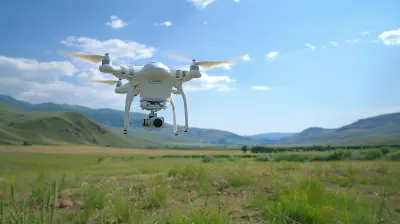
Tech's Response to the Global Water Crisis
25 November 2026
Water is an essential resource for life, yet millions of people around the world face challenges in accessing clean and safe drinking water. The global water crisis is a pressing issue exacerbated by climate change, population growth, and inadequate infrastructure. As technology continues to evolve, innovative solutions have emerged to address these challenges. This article delves into the role of technology in combating the global water crisis, examining various approaches, their effectiveness, and the implications for communities worldwide.
Understanding the Global Water Crisis
The Scope of the Problem
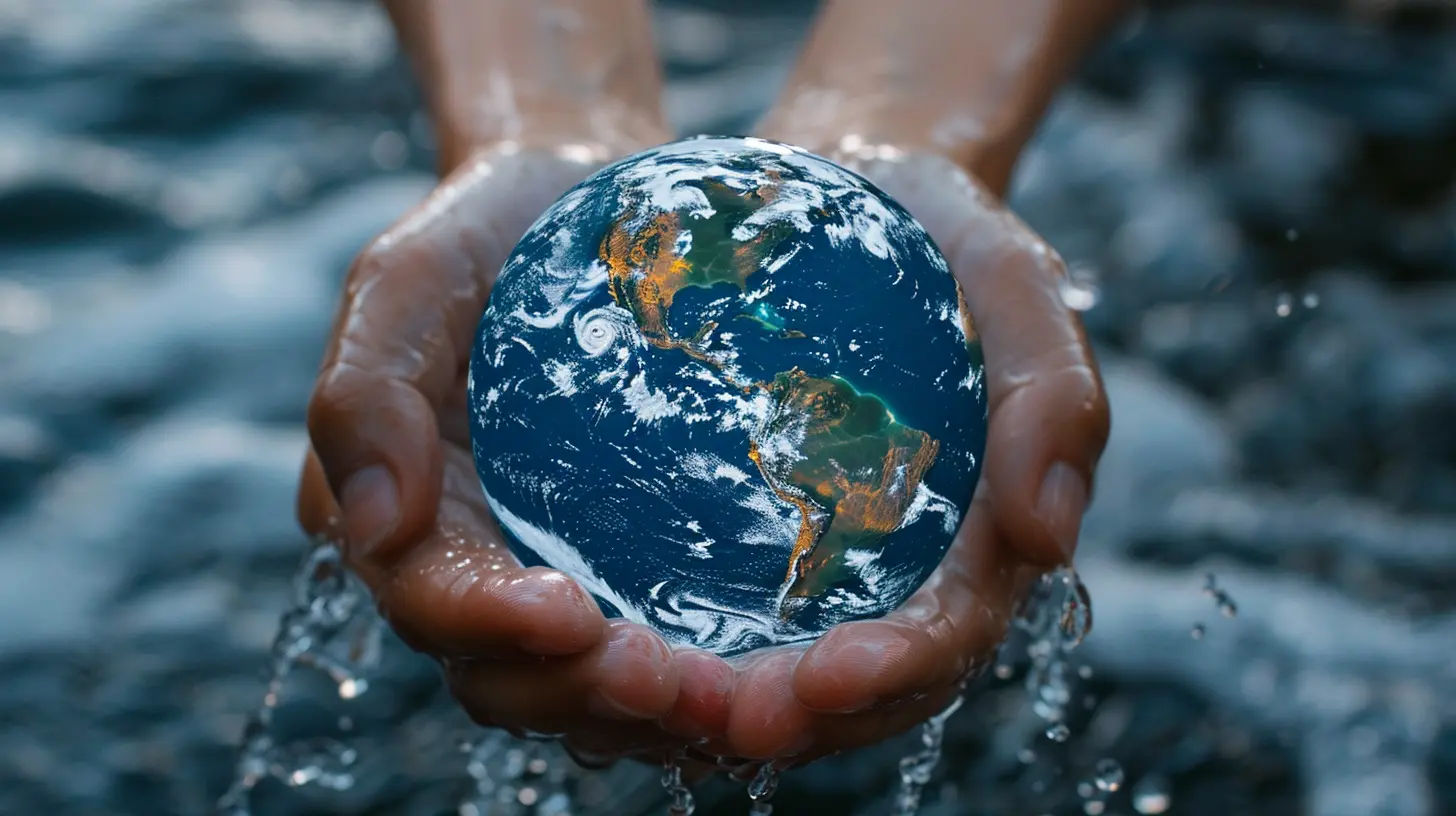
The global water crisis affects over two billion people, with many lacking access to safe drinking water. According to the United Nations, by 2025, two-thirds of the world's population may face water-stressed conditions. Factors contributing to this crisis include:- Climate Change: Altered weather patterns lead to droughts and floods, impacting water availability.
- Population Growth: Increased demand for water due to urbanization and agricultural needs.
- Pollution: Contaminated water sources from industrial runoff and inadequate sanitation.
Misconceptions About Water Scarcity
Many people mistakenly believe that water scarcity is solely a result of a lack of freshwater resources. In reality, the issue is often tied to mismanagement, pollution, and inequitable distribution. Understanding these nuances is crucial for developing effective technological solutions.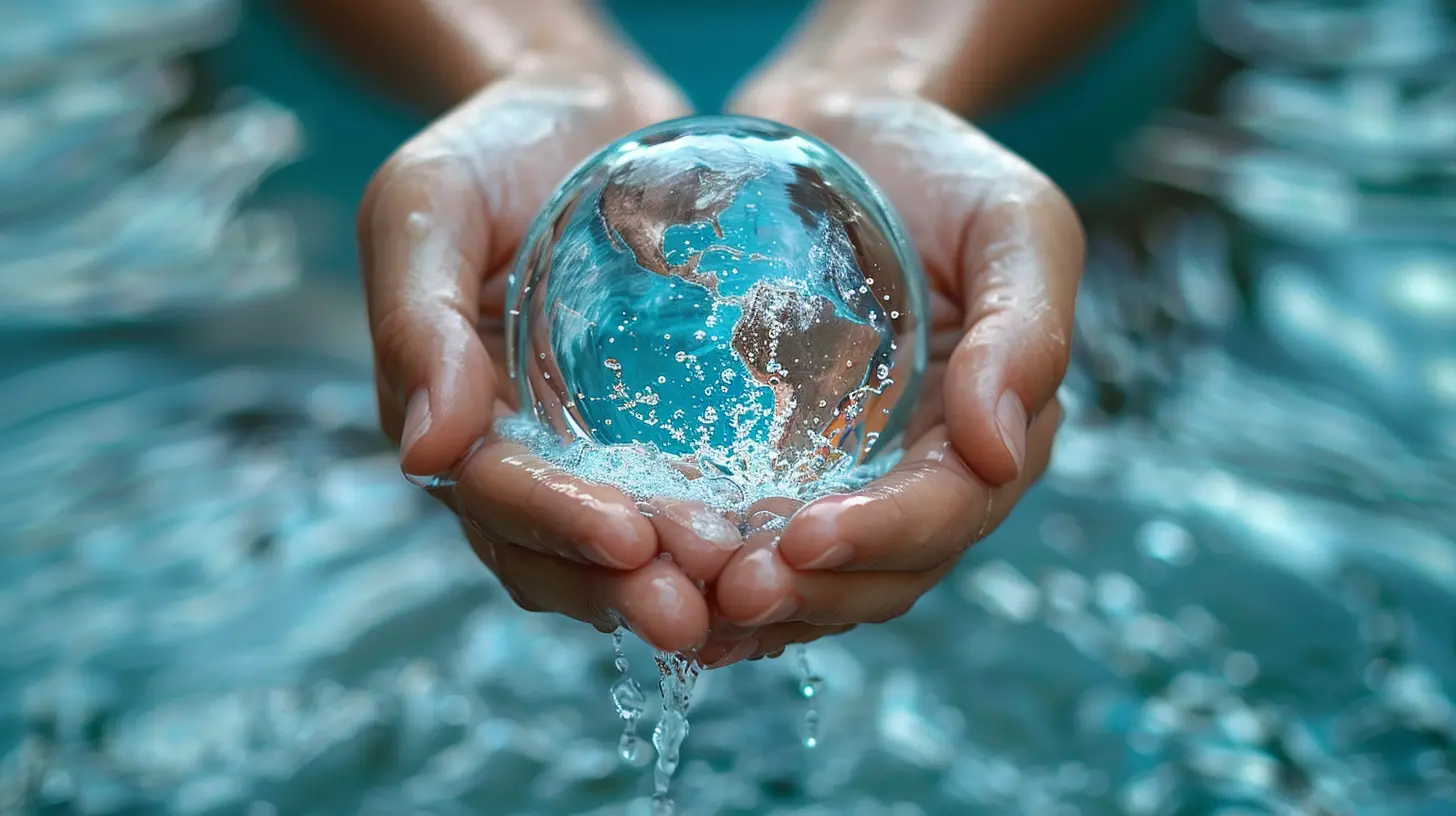
Technological Innovations Addressing Water Scarcity
Desalination Technologies
Desalination, the process of removing salt from seawater, has gained traction as a solution to water scarcity. Modern desalination techniques include:- Reverse Osmosis: This method uses a semi-permeable membrane to separate salt from water. It is energy-intensive but effective.
- Thermal Distillation: This technique involves heating water to create steam, which is then condensed back into liquid form. It requires significant energy but can be efficient in certain contexts.
Advantages and Disadvantages
While desalination can provide a reliable water source, it has its drawbacks. The high energy consumption and environmental impact, such as brine disposal, raise concerns. Communities considering desalination must weigh these factors against their specific needs and resources.Water Purification Technologies
Innovative water purification methods are essential for ensuring access to safe drinking water. Some notable technologies include:- UV Water Purification: Ultraviolet light effectively kills bacteria and viruses, making water safe to drink. It is energy-efficient and easy to implement in small-scale systems.
- Gravity-Based Filters: These systems use natural filtration processes to remove contaminants without the need for electricity. They are particularly useful in remote areas.
Implementation Considerations
When selecting a purification method, communities should assess factors such as:- Local Water Quality: Understanding the specific contaminants present is crucial for choosing the right technology.
- Maintenance Requirements: Some systems require regular upkeep, which can be a barrier in resource-limited settings.
- Cost-Effectiveness: Evaluating the long-term costs associated with different purification technologies can inform sustainable choices.
Smart Water Management Systems
The integration of technology into water management systems is revolutionizing how communities monitor and manage their water resources. Smart water management solutions include:- IoT Sensors: Internet of Things devices can monitor water quality and usage in real-time, allowing for better resource allocation and leak detection.
- Data Analytics: Analyzing data from various sources can help identify patterns and predict water demand, leading to more efficient management practices.
Benefits of Smart Systems
Implementing smart water management systems can lead to:- Reduced Water Loss: Early detection of leaks can save significant amounts of water.
- Improved Decision-Making: Data-driven insights enable communities to make informed choices about water use and conservation strategies.
Rainwater Harvesting
Rainwater harvesting is a simple yet effective method for collecting and storing rainwater for use. This technique can be particularly beneficial in areas with seasonal rainfall patterns. Key components of a rainwater harvesting system include:- Collection Surface: Roofs or paved areas can serve as collection points for rainwater.
- Storage Tanks: Properly designed tanks can store harvested water for later use.
Considerations for Implementation
While rainwater harvesting has many advantages, certain factors should be considered:- Local Climate: Areas with insufficient rainfall may not benefit significantly from this approach.
- Water Quality: Ensuring that collected rainwater is safe for consumption requires appropriate filtration and treatment systems.

Case Studies: Successful Tech Interventions
Singapore's Water Management
Singapore is a prime example of successful water management through technology. Faced with limited natural freshwater resources, the city-state has implemented a comprehensive water strategy, including:- NEWater: A high-grade reclaimed water that undergoes advanced purification processes. It meets the needs of both industrial and potable water users.
- Integrated Drainage Management: Using smart systems to manage stormwater and reduce flooding.
Israel's Water Innovation
Israel has become a global leader in water technology, particularly in agriculture. Techniques such as:- Drip Irrigation: This method delivers water directly to plant roots, minimizing waste and improving efficiency.
- Desalination Plants: Israel operates several desalination facilities, providing a significant portion of its drinking water.

Challenges and Trade-offs
Economic Considerations
The cost of implementing advanced water technologies can be a barrier for many communities. While some solutions may offer long-term savings, the initial investment can be daunting. It is essential for decision-makers to consider:- Funding Opportunities: Exploring grants and partnerships can help alleviate financial burdens.
- Cost-Benefit Analysis: Evaluating the long-term savings versus upfront costs can guide investment decisions.
Social and Cultural Factors
Technological solutions must also consider the social and cultural context of the communities they serve. Engaging local stakeholders in the planning and implementation process can lead to more successful outcomes. Important aspects include:- Community Buy-In: Ensuring that people understand and support new technologies is crucial for their success.
- Cultural Practices: Respecting local customs and practices can enhance the effectiveness of water management strategies.
Best Practices for Implementing Water Technology
1. Conduct Thorough Assessments: Understanding local water needs and challenges is the first step in selecting appropriate technologies.2. Engage Stakeholders: Involving community members in decision-making fosters trust and ensures that solutions align with their needs.
3. Pilot Projects: Testing new technologies on a small scale can provide valuable insights before wider implementation.
4. Monitor and Evaluate: Regularly assessing the effectiveness of implemented technologies allows for adjustments and improvements.
The Future of Water Technology
As the global water crisis continues to evolve, so too will the technological responses. Emerging trends to watch include:- Artificial Intelligence: AI can enhance predictive analytics in water management, optimizing usage and identifying potential issues before they escalate.
- Blockchain for Water Rights: Utilizing blockchain technology for transparent water rights management could lead to fairer distribution and usage tracking.
Conclusion
Technology plays a vital role in addressing the global water crisis, offering innovative solutions that can improve access to clean water. However, the implementation of these technologies requires careful consideration of local contexts, economic factors, and community engagement. By understanding the complexities of the water crisis and leveraging the right technologies, we can work towards a more sustainable and equitable future for water access worldwide.
all images in this post were generated using AI tools
Category:
Tech NewsAuthor:

Ugo Coleman