Telecommunications in the Age of Autonomous Vehicles
18 June 2026
The age of autonomous vehicles isn't a distant dream anymore—it's happening right now. But let's take a moment to think: what’s the secret sauce powering self-driving cars? Sure, AI and sensors are cool, but the unsung hero here is telecommunications. Without seamless connectivity, even the smartest autonomous vehicle would be as clueless as a driver without GPS in an unknown city.
So, how exactly does telecommunications fit into this high-speed revolution? Buckle up, because we’re diving deep into the wired (and wireless) world that keeps autonomous vehicles rolling. 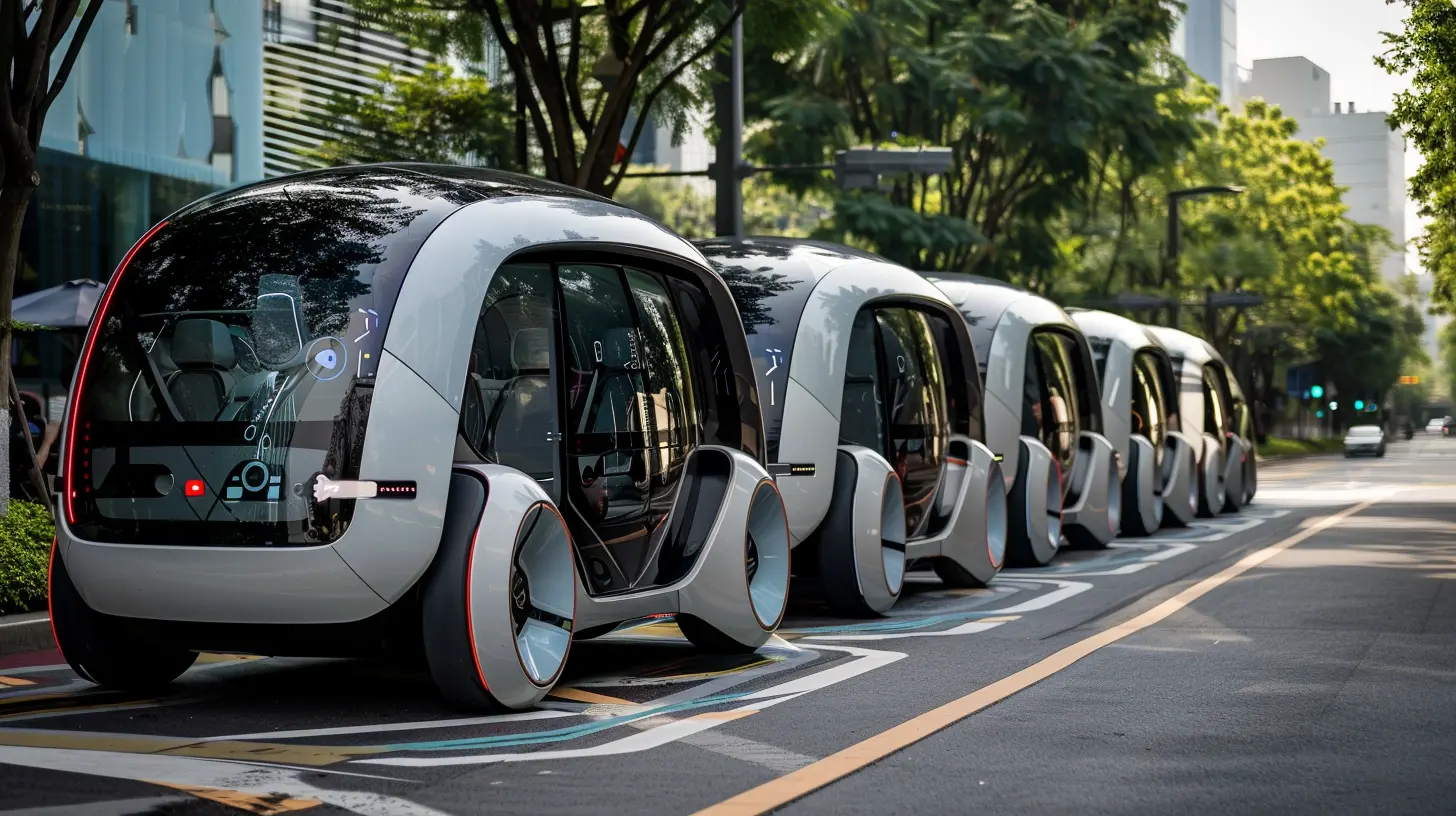
The Backbone of Self-Driving Tech: Connectivity
Imagine a car that drives itself. No steering wheel, no pedals—just you sitting comfortably while the vehicle takes control. Sounds futuristic, right? But here’s the catch: for an autonomous vehicle to function seamlessly, it needs to communicate in real time with other cars, road infrastructure, traffic management systems, cloud servers, and even pedestrians.And that’s where telecommunications steps in.
The Role of 5G in Autonomous Vehicles
If you thought 4G was fast, 5G is on an entirely different level. This technology is practically the nervous system of self-driving cars. Why? Because autonomous driving relies on massive amounts of data being processed at lightning speed.- Ultra-Low Latency – In self-driving cars, even a millisecond delay can mean the difference between a safe ride and a crash. 5G networks promise latency as low as 1 millisecond, ensuring that vehicles can react in real-time.
- Higher Bandwidth – More data, more problems? Not with 5G. With bandwidth that’s 100 times faster than 4G, autonomous cars can send and receive large volumes of data instantly.
- Reliability – Ever had your GPS fail in a tunnel or during heavy rain? That’s unacceptable for a self-driving car. 5G ensures constant connectivity, even in challenging environments. 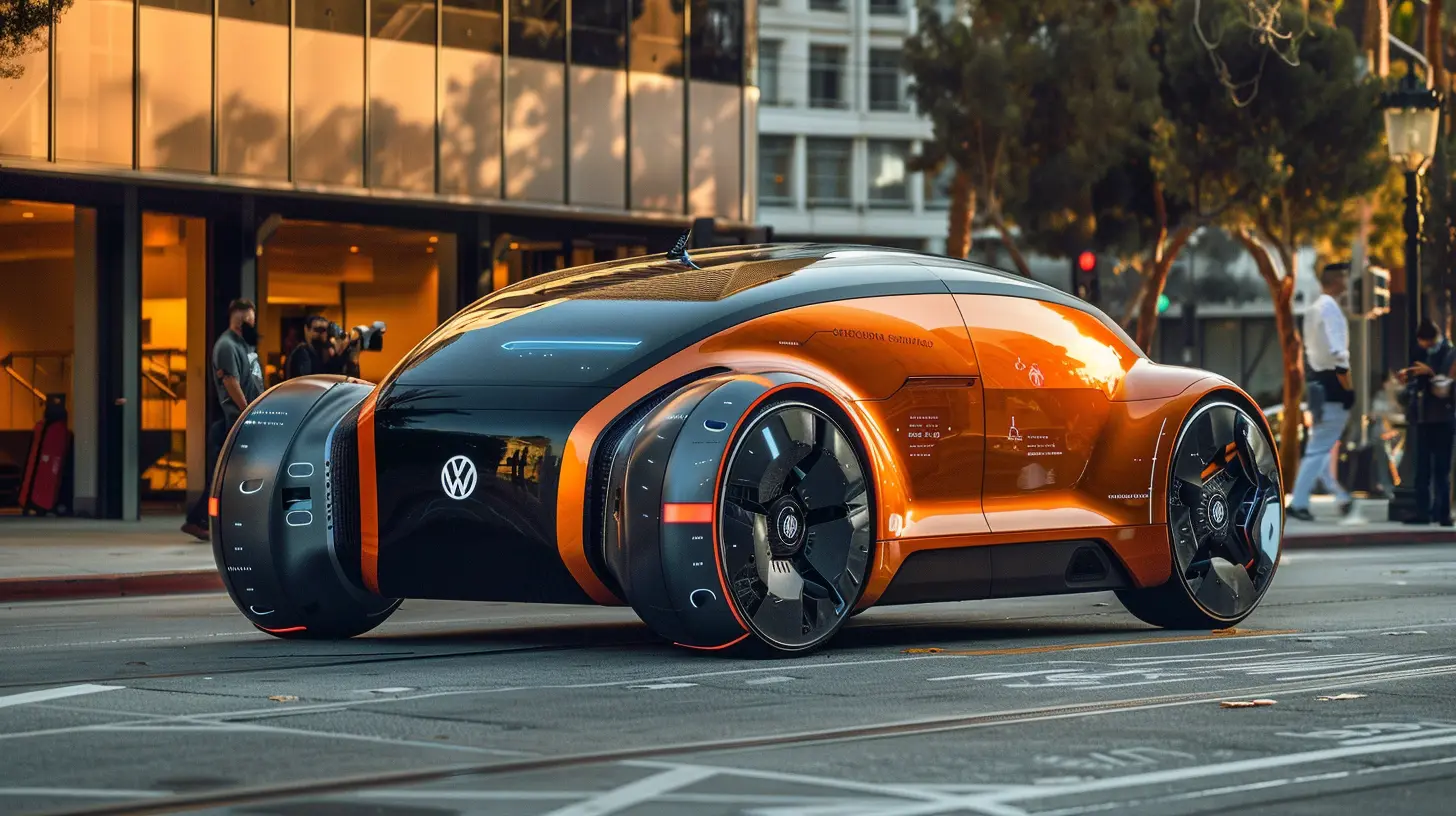
Vehicle-to-Everything (V2X) Communication
If a self-driving car is a brain on wheels, then V2X is how it communicates with the world around it. This technology allows vehicles to exchange information with:1. Other Vehicles (V2V) – Cars “talk” to each other, sharing speed, direction, and potential hazards. If a car ahead suddenly brakes, your autonomous vehicle knows it before human eyes could react.
2. Infrastructure (V2I) – Traffic lights, road signs, and even smart intersections send signals to vehicles to optimize traffic flow.
3. Pedestrians (V2P) – Smartphones or connected wearables can alert vehicles of nearby pedestrians—even those hidden from view.
4. The Network (V2N) – Cloud-based communication feeds the vehicle with real-time data, like weather updates, traffic congestion, and road closures.
Without robust telecommunications networks, V2X wouldn’t work, and autonomous cars would be blind passengers in a chaotic world. 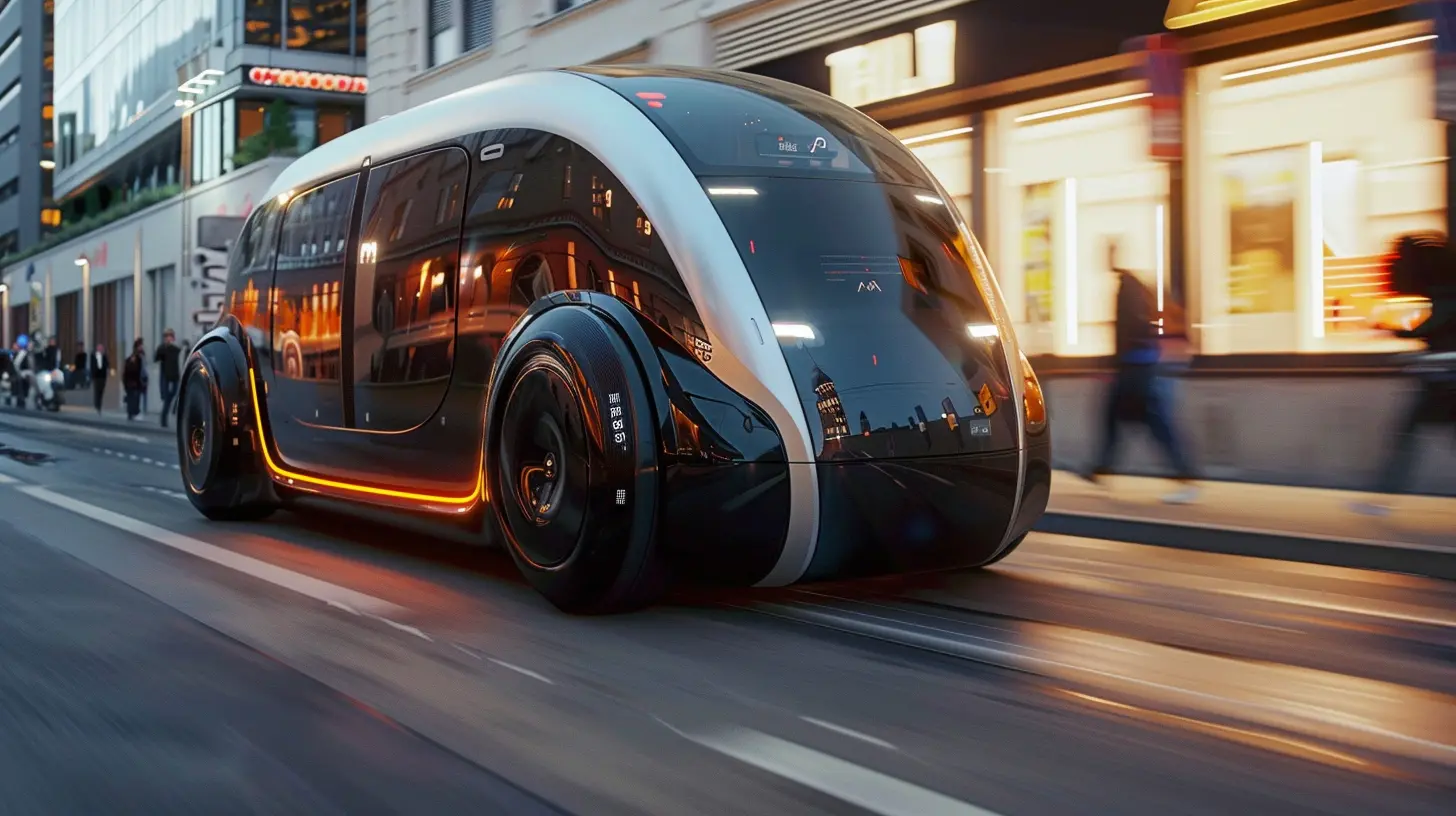
The Dark Side: Security and Privacy Concerns
Now, with great power comes… well, great risks. While telecommunications fuels the rise of autonomous vehicles, it also introduces serious security threats.Hacking and Cyber Attacks
Imagine this: You're in an autonomous taxi, sipping coffee, minding your own business. Suddenly, the car veers off its route. Your screens go dark. You realize—your vehicle has been hacked.Scary? Absolutely. And it’s not just a movie plot. Cybercriminals could exploit weak security in connected vehicles, leading to potential disasters.
Data Privacy Issues
Think about the sheer amount of data an autonomous car collects—your location, travel habits, routes, even your conversations. Where does all this data go? Who has access? Without strict regulations, this data could be misused by corporations, advertisers, or worse, hackers.How do we solve this? Strong encryption, real-time security patches, and stringent data privacy policies will play a crucial role in keeping telecommunication networks secure for autonomous vehicles. 
AI and Edge Computing: The Game Changers
Let’s break it down: traditional cloud computing means data is processed in centralized servers. But for self-driving cars, waiting for cloud responses is like sending a letter by mail instead of texting—it’s just too slow.That’s where Edge Computing comes in.
How Edge Computing Helps
- Faster Decision-Making – Instead of sending all data to the cloud, edge computing processes information closer to the vehicle—at the "edge" of the network.- Less Reliance on Central Servers – This means autonomous vehicles continue operating smoothly even in areas with weak network coverage.
- Reduced Latency – With real-time decisions being made locally, reaction times improve significantly, making autonomous driving safer.
If 5G is the circulatory system of autonomous transport, AI and edge computing are its brain, ensuring smooth, split-second decision-making.
Smart Cities: The Perfect Playground for Autonomous Vehicles
Have you ever imagined a world where traffic jams are a thing of the past? A world where vehicles glide effortlessly through streets, guided by an intelligent network? That’s the vision of smart cities.How Telecommunications Enables Smart Cities
1. Connected Traffic Lights – Communicating with vehicles to optimize traffic flow.2. Smart Roads – Equipped with sensors that detect potholes, ice patches, or obstructions, instantly warning vehicles.
3. Automated Toll Systems – Seamless payments without human interaction.
4. Dynamic Lane Management – Roads that adjust lanes automatically based on real-time traffic conditions.
But none of this would be possible without a rock-solid telecommunications infrastructure facilitating the constant flow of data between vehicles and city infrastructure.
The Road Ahead: What’s Next?
While we’re witnessing incredible advancements, there are still hurdles before autonomous vehicles rule the roads.Key Challenges
- Network Coverage Gaps – Rural areas still lack the high-speed connectivity needed for self-driving cars.- Regulatory Barriers – Governments worldwide are scrambling to set policies for autonomous transportation.
- High Implementation Costs – Rolling out 5G, V2X infrastructure, and smart city technologies requires massive investment.
The good news? Companies like Tesla, Google’s Waymo, and automakers worldwide are pouring resources into solving these issues. And as telecommunications technology matures, the future of autonomous driving looks more promising than ever.
Final Thoughts
Telecommunications is the invisible force driving the autonomous vehicle revolution. From 5G networks to V2X communication, from edge computing to smart city integration, every aspect of self-driving technology depends on seamless, high-speed connectivity.But it's not just about faster internet—it’s about safer, smarter, and more efficient transportation. The road ahead might have its challenges, but one thing is clear: telecommunications will be the driving force that shapes the future of mobility.
So next time you see a self-driving car on the road, remember—it’s not just about AI or cool sensors. It’s about the unseen network, whispering commands, making decisions in milliseconds, and ensuring that the future of autonomous travel runs on unbreakable connectivity.
all images in this post were generated using AI tools
Category:
TelecommunicationAuthor:

Ugo Coleman
Discussion
rate this article
1 comments
Kylie McMichael
Who knew our Wi-Fi would need a driver's license for these cars?
June 22, 2026 at 4:53 AM
Ugo Coleman
It's wild to think about, right? As technology evolves, even our Wi-Fi has to keep up with new demands.