The Future of Green Building Materials and IoT Integration
13 November 2026
As the world grapples with the implications of climate change, the construction industry is undergoing a seismic shift. The demand for sustainable practices has never been higher, and the integration of green building materials with Internet of Things (IoT) technologies is at the forefront of this transformation. This article delves into the future of green building materials and IoT integration, exploring their synergy, potential challenges, and the innovative pathways that lie ahead.
Understanding Green Building Materials
What Are Green Building Materials?
Green building materials are those that are environmentally responsible and resource-efficient throughout their life cycle. These materials are designed to minimize environmental impact, promote energy efficiency, and improve occupant health. Common examples include:- Recycled steel
- Bamboo
- Reclaimed wood
- Low-VOC (volatile organic compounds) paints
- Insulation made from recycled materials
Benefits of Green Building Materials
1. Environmental Impact: The primary benefit is reducing the carbon footprint. For instance, using recycled materials can significantly lower the need for raw material extraction, which in turn decreases energy consumption and pollution.2. Healthier Indoor Environments: Low-VOC materials contribute to better air quality. This is crucial for spaces where people spend a considerable amount of time, such as homes and offices.
3. Energy Efficiency: Many green materials offer superior insulation, which helps lower energy costs in heating and cooling.
4. Long-Term Cost Benefits: Although initial investment may be higher, the long-term savings from energy efficiency and reduced maintenance costs often outweigh these expenses.
Misconceptions About Green Building Materials
A common misconception is that green materials are always more expensive. While some eco-friendly options can come with a higher upfront cost, many materials lead to significant savings over time due to energy efficiency and reduced maintenance. as market demand grows, the prices of these materials are likely to decrease.
The Role of IoT in Construction
What is IoT?
The Internet of Things refers to the interconnected network of devices that communicate and share data with each other. In the context of construction, IoT can be utilized to enhance efficiency, safety, and sustainability.Applications of IoT in Building Construction
1. Smart Monitoring Systems: Sensors can monitor environmental conditions, energy usage, and material performance in real time. For instance, IoT-enabled smart thermostats can adjust temperature based on occupancy and weather patterns, optimizing energy use.2. Predictive Maintenance: IoT devices can predict when a building's systems need maintenance before they fail, reducing downtime and extending the life of equipment.
3. Data-Driven Decision Making: By analyzing data collected from various sensors, builders can make informed decisions regarding materials, design, and energy consumption.
Benefits of IoT Integration
1. Efficiency Improvements: Real-time data allows for dynamic adjustments that lead to more efficient resource use.2. Enhanced Sustainability: IoT can help monitor and reduce waste, ensuring that resources are used effectively. For example, smart waste management systems can optimize collection routes based on real-time data.
3. Increased Safety: Wearable IoT devices can monitor worker health and safety, alerting management to potential hazards.
The Convergence of Green Materials and IoT
How IoT Enhances Green Building Materials
The integration of IoT technologies with green building materials creates a powerful synergy that enhances both sustainability and functionality.1. Optimized Energy Usage: Smart building materials that incorporate sensors can provide real-time feedback on energy consumption, allowing occupants to adjust usage patterns.
2. Material Performance Monitoring: Sensors embedded in materials can monitor structural health and deterioration, ensuring buildings remain safe and efficient.
3. Sustainable Resource Management: IoT can facilitate better management of resources during construction. For instance, sensors can track the amount of material used, leading to more accurate ordering and reduced waste.
Real-World Examples
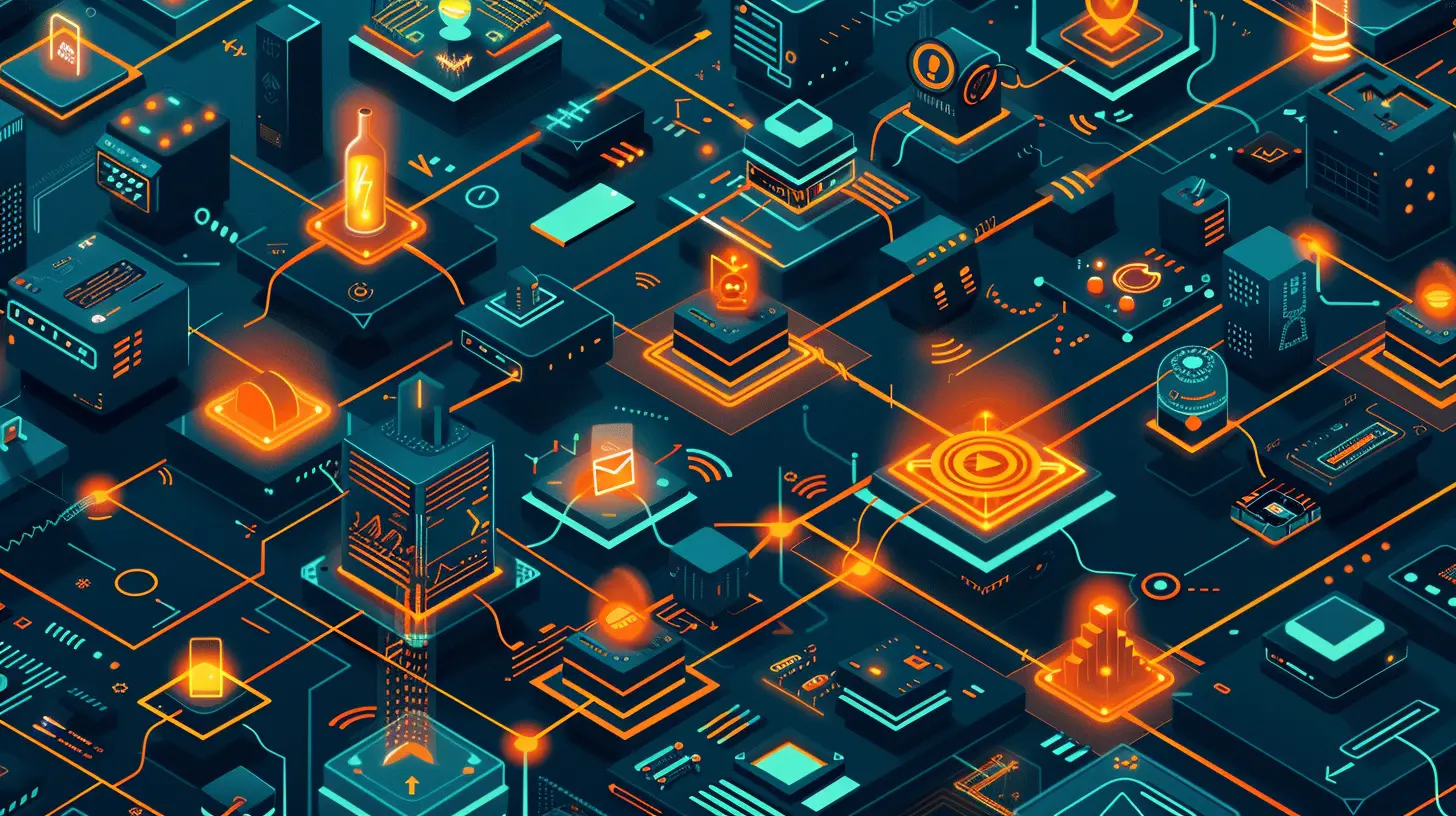
- Smart Windows: These windows adjust their tint based on sunlight and temperature, optimizing energy consumption. When paired with IoT systems, they can provide real-time data analytics on energy savings.- IoT-Enabled Insulation: Smart insulation materials can adjust their thermal properties based on weather conditions, ensuring optimal energy conservation.
Challenges and Considerations
Initial Costs vs Long-Term Savings
One significant challenge in integrating green materials with IoT technology is the initial investment. While the long-term savings can be substantial, the upfront costs may deter some builders. It is crucial to evaluate the total cost of ownership, which includes not only the purchase price but also energy savings and maintenance costs over time.Data Security Concerns
As buildings become more connected, data security becomes a pressing issue. Protecting sensitive information from breaches is essential, and builders need to implement strong security protocols to safeguard data collected by IoT devices.Compatibility of Technologies
Not all IoT devices are compatible with every system. Ensuring that green materials and IoT technologies can work together seamlessly is vital. Builders should consider interoperability when planning their projects.Best Practices for Implementation
Conducting a Feasibility Study
Before integrating green materials and IoT, conducting a feasibility study is essential. This evaluation should include an analysis of costs, potential energy savings, and the environmental impact of the project.Selecting the Right Materials
Choosing the appropriate green materials is crucial. Builders should consider local availability, durability, and compatibility with IoT technologies. For example, if a project involves smart lighting, it may make sense to choose materials that can integrate easily with these systems.Training and Education
Training staff on both green building practices and IoT technologies is essential. This ensures that everyone involved in the project understands the benefits and functionalities of the systems in place.
Future Trends in Green Building Materials and IoT Integration
Increased Use of AI
Artificial intelligence will play a significant role in the future of green building materials and IoT integration. AI algorithms can analyze vast amounts of data from IoT devices, providing insights that can lead to more efficient building management and resource use.Rise of Modular Construction
Modular construction methods, which involve prefabricating building components off-site, are likely to increase. This approach can reduce waste and improve efficiency, especially when combined with IoT technologies for monitoring and optimization.Greater Focus on Circular Economy Principles
The concept of a circular economy, which emphasizes reusing and recycling materials, will likely gain traction. IoT can facilitate this by tracking materials throughout their life cycle, ensuring they are reused efficiently.Conclusion
The future of green building materials and IoT integration is promising and full of potential. By embracing these technologies, the construction industry can not only reduce its environmental impact but also create healthier, more efficient spaces for occupants. While challenges exist, the benefits of energy savings, enhanced sustainability, and improved safety make this integration a worthwhile investment for the future.
all images in this post were generated using AI tools
Category:
Environmental TechAuthor:

Ugo Coleman