The Future of Silicon Valley: What to Expect by 2026
21 May 2026
Let me paint you a picture. You are standing at the corner of Sand Hill Road and Page Mill Road in Palo Alto, and the air smells like venture capital, ambition, and coffee. But something has changed. The Tesla Roadsters parked outside the VC offices are a little older. The office windows are a little darker. The buzzword bingo cards have been updated. By 2026, Silicon Valley won't be the same place it was in 2021, or even in 2024. It is going through a transformation that feels less like a pivot and more like a hard reset. If you think you know what the Valley is, you might want to buckle up.

The End of the "Easy Money" Era
Remember the ZIRP years? Zero interest rate policy turned every startup pitch into a potential unicorn. You could throw a dart at a list of terrible ideas and someone would fund it. That party ended hard in 2022, but the hangover is still lingering. By 2026, the era of easy money will be a distant memory. The venture capital firms that survived the 2023-2025 shakeout will be leaner, meaner, and far more skeptical.What does that mean for you? If you are a founder, you better have a real business. Not a "growth at all costs" story. Not a "we will figure out the monetization later" fairy tale. Investors by 2026 will demand unit economics that make sense. They will ask for profit, not just user numbers. This shift is brutal, but it is also healthy. We are moving from a casino to a workshop. The startups that survive will be the ones that can actually sell something for more than it costs to make.
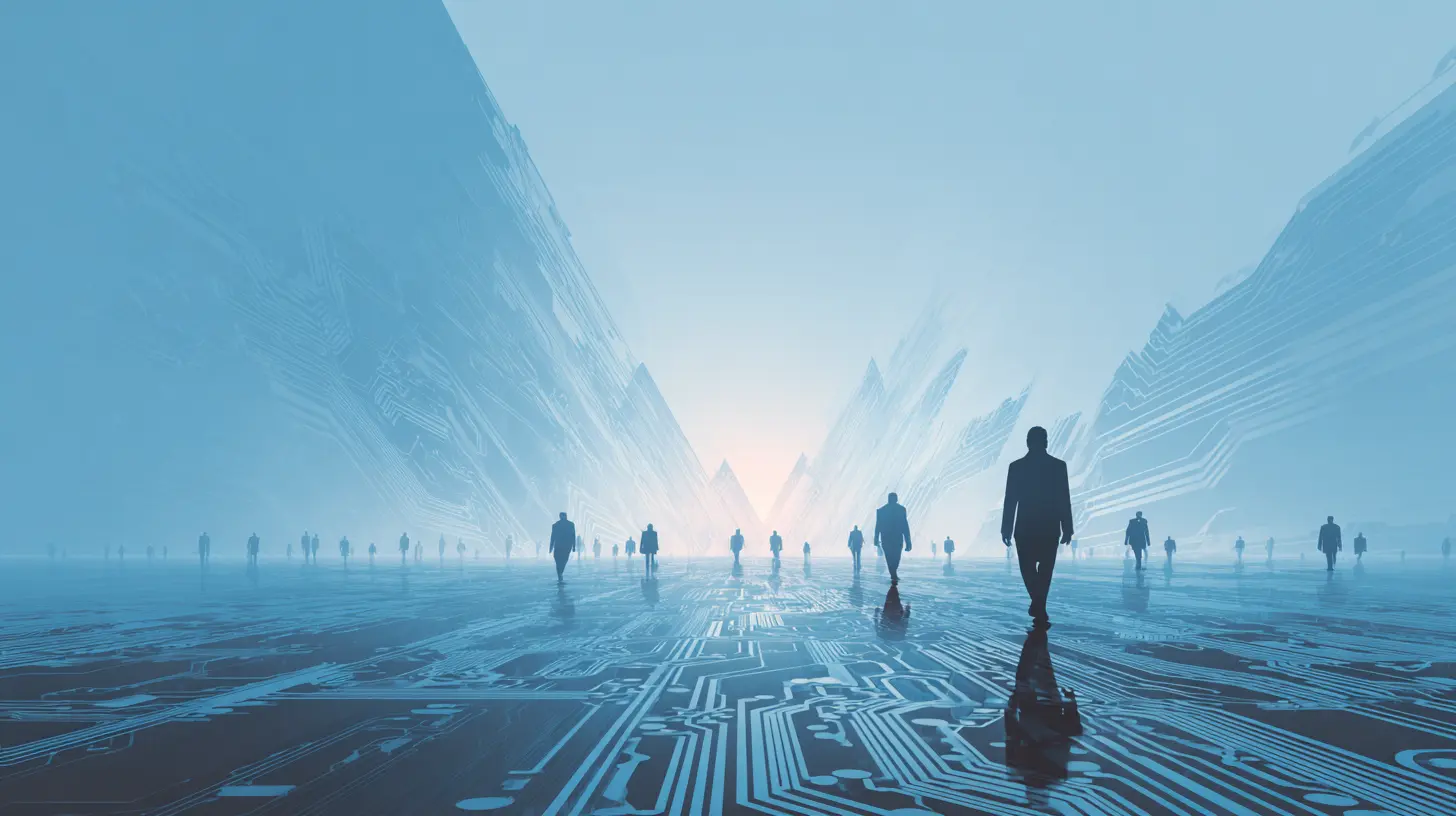
AI Is Not Just a Feature Anymore. It Is the Platform.
I know, everyone is talking about AI. But let me be clear: by 2026, the AI hype cycle will have matured. We are past the phase where slapping "GPT" on your product gets you funded. The real shift is that AI will become the underlying operating system for almost every tech company. Think of it like the internet in the late 90s. At first, everyone just put a website up. Then the smart people realized the internet was the new infrastructure. Same thing here.By 2026, the big winners in Silicon Valley will be the companies that build AI-native infrastructure. Not just chatbots. Not just image generators. I am talking about autonomous agents that handle your email, your schedule, your code reviews, your legal contracts. We will see the rise of "agent ecosystems" where software hires other software to do work. The Valley's talent pool will shift from front-end developers to AI engineers who can train, fine-tune, and deploy models at scale. If you are a coder who only knows React, you might want to start studying transformers. The job market is changing fast.
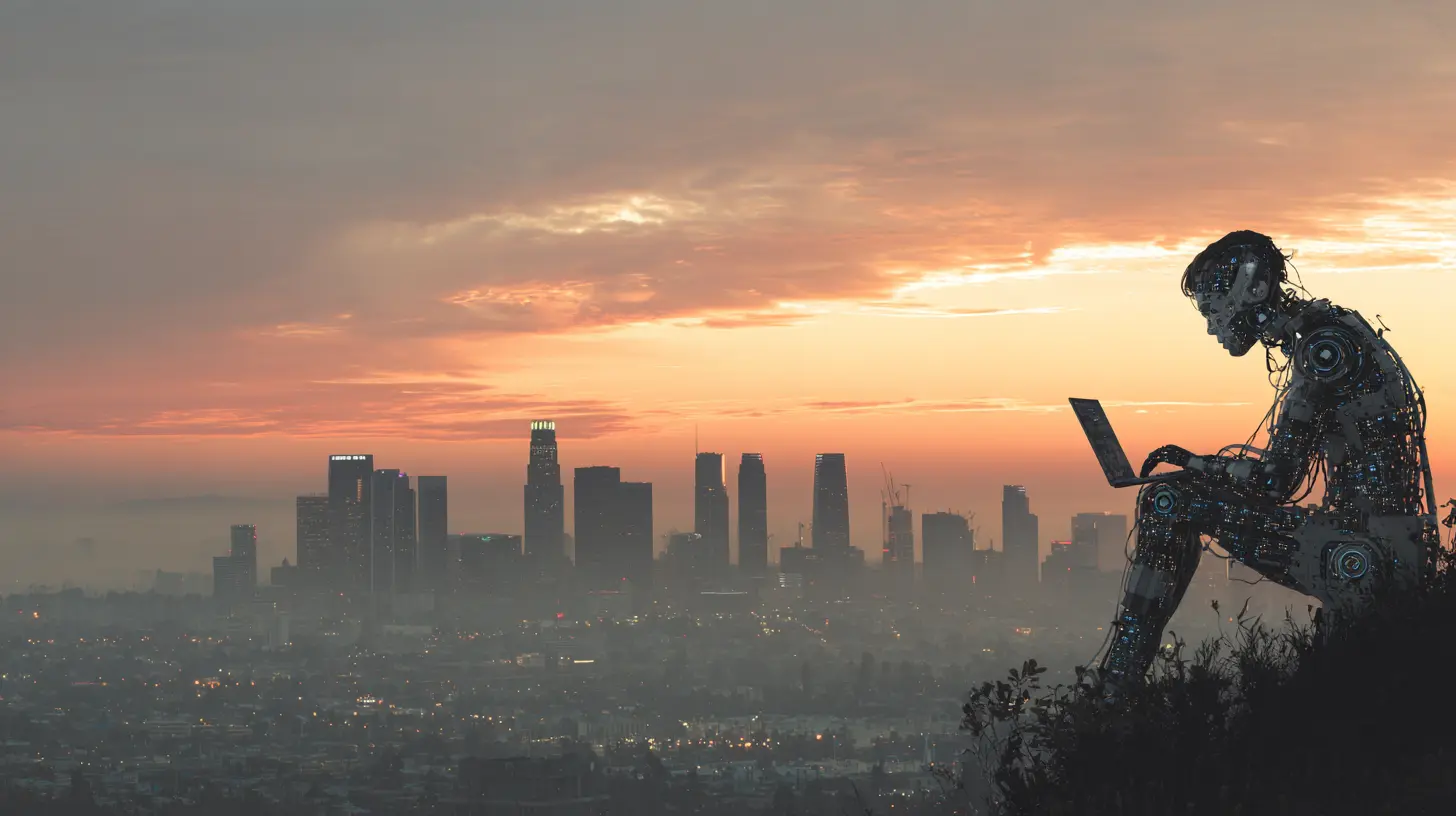
The Remote Work Reality Check
Let's talk about the elephant in the room. Remote work. During the pandemic, everyone thought the office was dead. By 2026, we will have settled into a messy compromise. Not full return to office, not fully remote. Something in between. But here is the twist: Silicon Valley's geography is shifting because of it.The old model was simple. You lived in a tiny apartment in San Francisco, paid insane rent, and commuted to an office in Menlo Park. That model is cracking. By 2026, a significant chunk of the Valley's workforce will be distributed. Not just in Austin or Miami, but in places like Boise, Idaho or Raleigh, North Carolina. The talent pool is spreading out. This is bad for the local real estate market, but good for diversity of thought. The startups that win will be the ones that build strong remote cultures, not just tolerate them. They will have async communication down to a science. They will hire the best person for the job, regardless of zip code.
But here is the catch: the magic of Silicon Valley was never just about the code. It was about the hallway conversations at a conference, the accidental meeting at a coffee shop, the late-night brainstorming session in a garage. That serendipity is hard to replicate on Zoom. By 2026, we will see a new wave of physical hubs pop up. Not the old corporate campuses, but smaller, more intentional spaces designed for collaboration. Think of them as "third places" for tech workers. The Valley's physical footprint will shrink, but the density of meaningful interaction will increase.
The Regulatory Wave Hits Hard
Silicon Valley has always had a complicated relationship with regulation. For decades, the attitude was "move fast and break things." By 2026, that attitude will be dead. The regulators are finally catching up. And they are not just coming for the big guys like Google and Meta. They are coming for everyone.Expect to see significant legislation around AI safety, data privacy, and antitrust. The European Union's AI Act will set the tone, but the US will follow with its own rules. By 2026, every startup will need a compliance officer. Not because they want one, but because the fines will be too large to ignore. This is a double-edged sword. On one hand, it slows down innovation. On the other hand, it creates a massive market for "regtech" startups that help companies navigate the legal maze. The smart founders will see regulation not as a burden, but as a moat. If you can build a product that is compliant by design, you will have a huge advantage over the cowboys.
The Rise of Hard Tech
For the last ten years, the Valley was obsessed with software. SaaS, social media, ad tech. By 2026, the pendulum will swing back to hardware. Not just any hardware. Hard tech. Think robotics, biotech, energy storage, quantum computing, and advanced manufacturing.Why the shift? Because software alone is not solving the biggest problems. We need better batteries. We need robots that can build houses. We need carbon capture. We need new ways to grow food. The venture capital money is already moving in that direction. By 2026, the sexiest startup in the Valley might not be a mobile app. It might be a company that builds autonomous farming equipment or a nuclear fusion reactor. The engineering challenges are harder, the timelines are longer, but the payoffs are enormous. If you are an engineer who loves building physical things, the future is bright.
The Culture Shift: From Hustle to Sustainability
Let's talk about the human side. The old Silicon Valley culture was toxic in many ways. The 80-hour work weeks. The "you are what you ship" mentality. The burnout. The lack of diversity. By 2026, that culture is going through a serious makeover.The new generation of workers, Gen Z and younger millennials, are not interested in that grind. They want work-life balance. They want mental health support. They want to work for companies that have a mission beyond making rich people richer. This is not just a nice-to-have. It is a competitive advantage. The companies that treat their employees like humans, not like code monkeys, will attract the best talent. The ones that cling to the old ways will struggle to hire.
This does not mean the Valley will become a soft place. It will still be competitive. But the competition will be about who can build the best product, not who can sleep under their desk the longest. We are seeing the rise of "slow tech" as a counter-movement. It is about building durable companies that last decades, not just quick exits. By 2026, the most respected founders will be the ones who built sustainable, profitable businesses that treat their employees well.
The Geopolitical Tightrope
Silicon Valley is not an island. It is deeply connected to the global economy. By 2026, the geopolitical landscape will be a major factor in every strategic decision. The US-China tech war is not cooling down. It is heating up. Chip restrictions, export controls, and data localization laws will force the Valley to choose sides.Many startups will have to decide whether to focus on the US and allied markets or try to navigate the complex Chinese market. The era of "global from day one" is over. By 2026, you will see a bifurcation. One set of companies will focus on the "democratic tech stack" built on American and European standards. Another set will try to play both sides, but that will become increasingly difficult. The supply chain for hardware will also shift. Expect more manufacturing to come back to the US and Mexico, driven by the CHIPS Act and the need for resilience. The Valley's relationship with Shenzhen will never be the same.
The Venture Capital Reset
The VC industry itself is due for a shakeup. By 2026, we will see a consolidation of the top firms and a culling of the smaller, less disciplined ones. The days of writing a check on a napkin are over. The limited partners (the people who give VCs their money) are getting smarter. They are demanding returns. They are not impressed by vanity metrics.We will see more "operator-led" funds, where former founders run the show instead of MBAs. We will see more revenue-based financing, where startups get capital in exchange for a percentage of future sales, rather than giving up equity. The traditional 2-and-20 fee structure will come under pressure. By 2026, the best VCs will earn their keep by providing real operational support, not just a logo on a website. If you are a founder looking for funding, you will need to be more selective. Choose your investors like you choose a co-founder. The money is not enough. You need someone who can help you survive the next downturn.
What Does This Mean for You?
So, what is the takeaway? The future of Silicon Valley by 2026 is not a dystopian wasteland, nor is it a utopian paradise. It is a more mature, more focused, and more realistic place. The party is over, but the real work is just beginning. If you are a founder, focus on fundamentals. Build something people need. Make money. Treat your team well. If you are an employee, invest in your skills. Learn AI. Learn hardware. Learn compliance. The jobs of the future will require a blend of technical depth and strategic thinking.And if you are just watching from the sidelines, do not count the Valley out. It has reinvented itself before. From semiconductors to software to social media to AI. It will do it again. The names and the zip codes might change, but the core spirit of building the future will survive. It will just look a little less flashy and a little more solid. By 2026, Silicon Valley will be less about hype and more about substance. And honestly, that is exactly what we need.
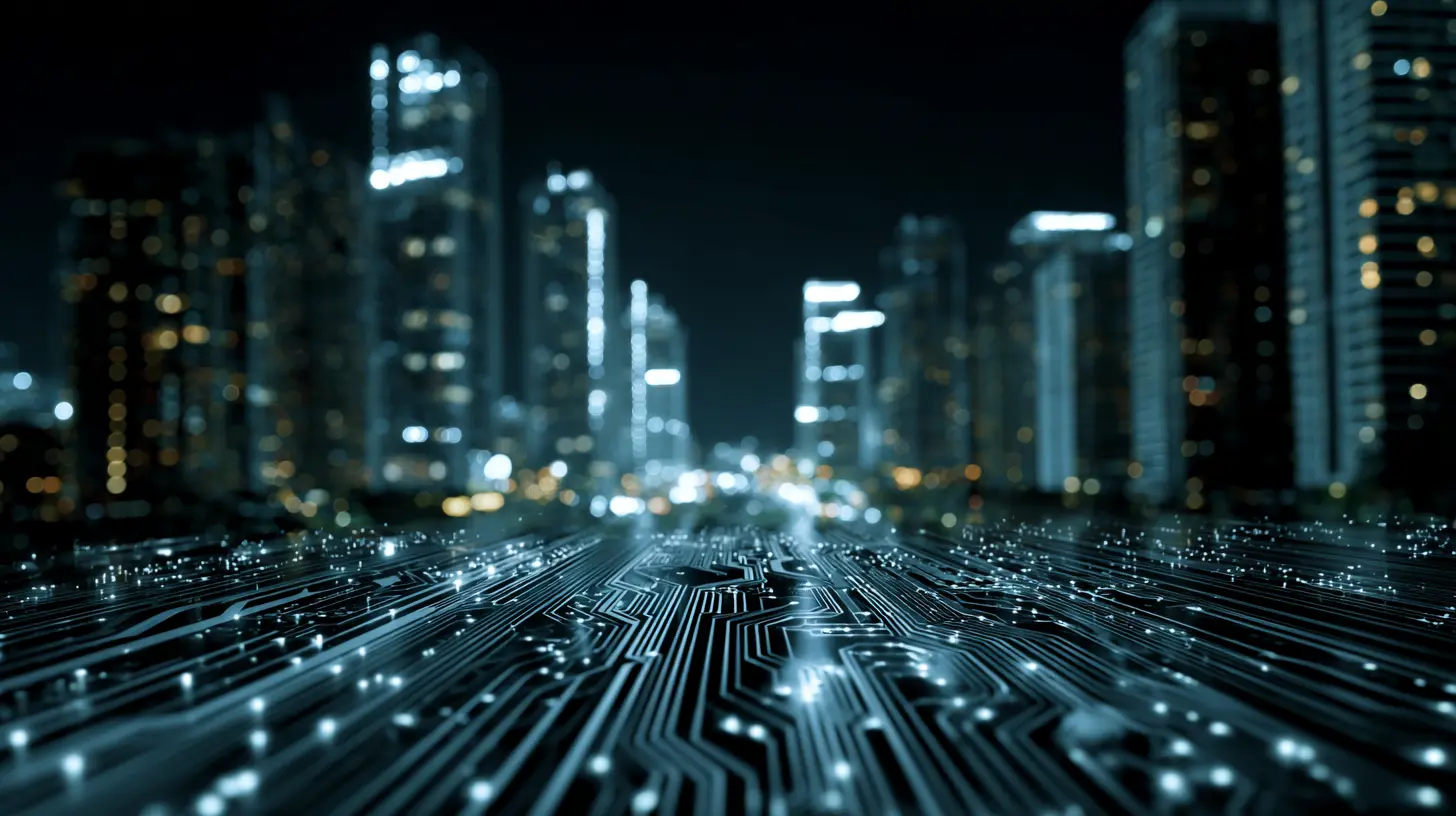
all images in this post were generated using AI tools
Category:
Tech IndustryAuthor:
Ugo Coleman
Discussion
rate this article
2 comments
Judith McKinnon
Oh great, another crystal ball gazing session. Can't wait to see how wrong they get it this time...
September 3, 2026 at 12:19 PM
Ugo Coleman
I appreciate your skepticism. The future is always uncertain, but it's worth exploring different possibilities.
Gabriel McClendon
This article offers insightful predictions about Silicon Valley's evolution. The exploration of emerging technologies and shifts in industry dynamics paints a compelling picture of what we can anticipate in the coming years. Exciting times ahead for tech enthusiasts.
May 22, 2026 at 11:19 AM
Ugo Coleman
Thanks for your thoughts! I'm glad you found the predictions compelling. Exciting times indeed!