The Future of Smart Homes: Trends to Watch in 2026
15 May 2026
Let's be real for a second. Your smart home in 2023? It's basically a glorified remote control with a bad attitude. You yell at a speaker to turn off the lights, it plays "Despacito" instead, and you spend twenty minutes resetting the hub. We've all been there. But 2026? Oh, honey, we are not in Kansas anymore. The future of smart homes is less about gadgets that make you look cool and more about systems that actually stop being idiots. If you thought the smart home was just a thermostat you can control from the toilet, buckle up. The trends coming down the pike are going to flip the whole concept on its head.
The Death of the Hub: Why Your Central Brain Is Getting Fired
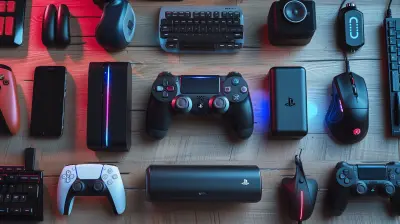
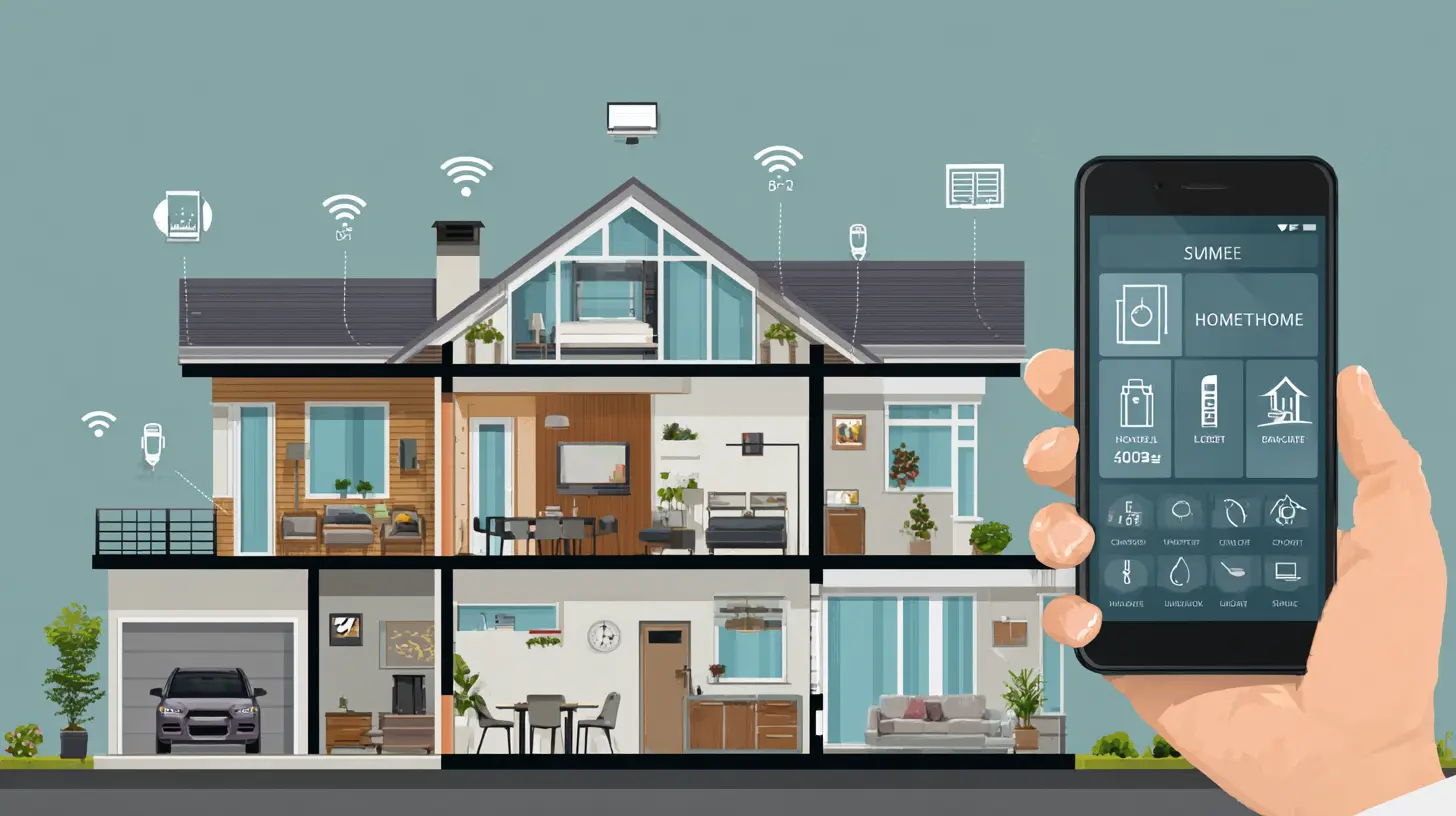
Remember when every smart home setup required a central hub? That ugly plastic box sitting on your shelf, blinking like a confused firefly? Yeah, that thing is on its way out. By 2026, the hub is dead. Long live the edge.The shift is toward decentralized processing. Instead of one device trying to boss around your entire house, your smart devices are getting smart enough to talk to each other directly. Think of it like a group project where everyone actually does their homework instead of one kid doing all the work and then crying in the bathroom. Matter protocol is the big player here. It's not just a buzzword anymore. It's the universal language that lets your Philips Hue bulb chat with your Samsung fridge without needing a translator. You won't care what brand something is. You'll just plug it in, and it works. Radical concept, right?
This trend matters because single points of failure are stupid. If your hub dies in 2023, your whole house goes dark. In 2026, if one light fails, the rest of the house keeps humming along. It's like a hydra. Cut off one head, and two more take over. Well, maybe not two, but at least your coffee maker won't go into mourning.
AI That Actually Knows You: From Voice Commands to Predictive Living
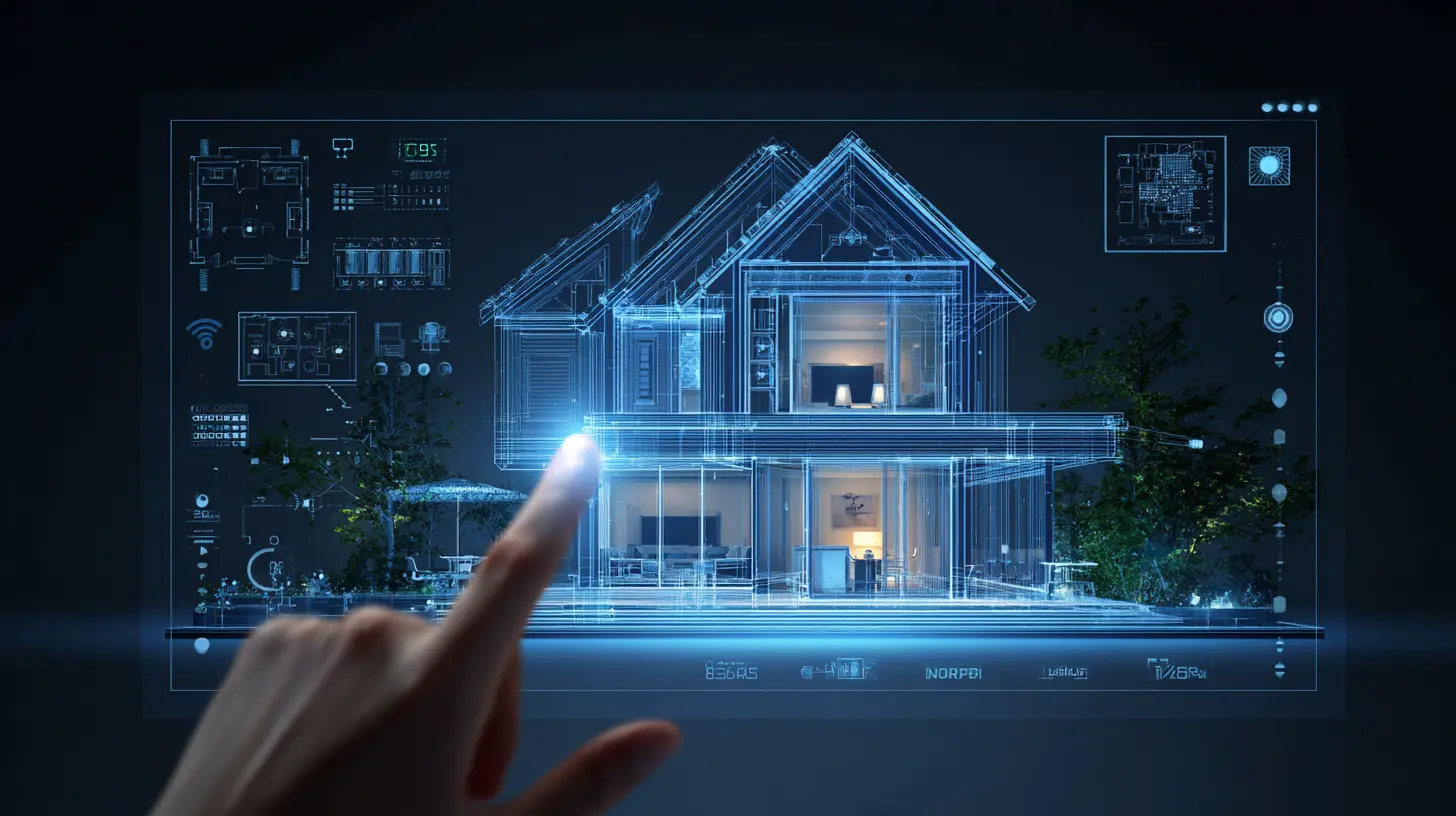
Here's the thing about voice assistants right now. They are dumb. Not "cute dumb" like a puppy chasing its tail. I mean "I asked for the weather and you ordered 50 pounds of cat food" dumb. In 2026, artificial intelligence stops being a fancy autocomplete and starts being a legit butler.We are moving past reactive commands. You won't have to say "Alexa, set the temperature to 72." Instead, your home will know. It will sense your biometric data from your wearable or even your smart mattress. It knows you had a rough day at work because your heart rate was elevated. It knows you like the bedroom at 68 degrees when you sleep hot. So by the time you walk through the door, the lights are dimmed to your "I want to rot on the couch" setting, the AC is already running, and the bath is drawn. No commands. No yelling. Just a home that pays attention.
This is what the industry calls "proactive automation." But let's call it what it is: a home that finally has some emotional intelligence. The AI will learn your patterns over weeks, not hours. It will notice that every Tuesday at 7 PM you watch a show and eat popcorn. It will prepare the popcorn maker. Okay, maybe not the popcorn maker yet. But it will dim the lights and silence your phone. It's the difference between a tool and a partner. And honestly, I'm ready for a partner that doesn't leave dirty socks on the floor.
Energy Independence: Your House Becomes a Power Plant
Let's talk about money. Because that's what everyone actually cares about. Energy prices are volatile. The grid is old and cranky. In 2026, your smart home is going to stop being a consumer of energy and start being a producer. No, I'm not talking about strapping solar panels to your cat. I'm talking about whole-home energy management systems that are actually intelligent.The new trend is bidirectional energy flow. Your electric vehicle isn't just a car. It's a giant battery on wheels. Your home battery system isn't just backup for a blackout. It's a trading asset. Smart energy management systems will monitor real-time energy prices from the grid. When prices are low, they charge your car and your battery. When prices spike at 5 PM because everyone is running their AC, the system sells power back to the grid from your battery. Your house literally makes money while you watch Netflix.
This is not sci-fi. Companies like Tesla, Enphase, and even some utility providers are already testing this. In 2026, it's standard. Your smart home will have an energy dashboard that shows you not just how much you used, but how much you earned. It's like having a stock portfolio, but instead of stocks, it's electrons. And electrons don't crash the market (usually). The sassy part? Your neighbor with the dumb house will be paying peak rates while your house is flipping a profit. Suck it, Bob.
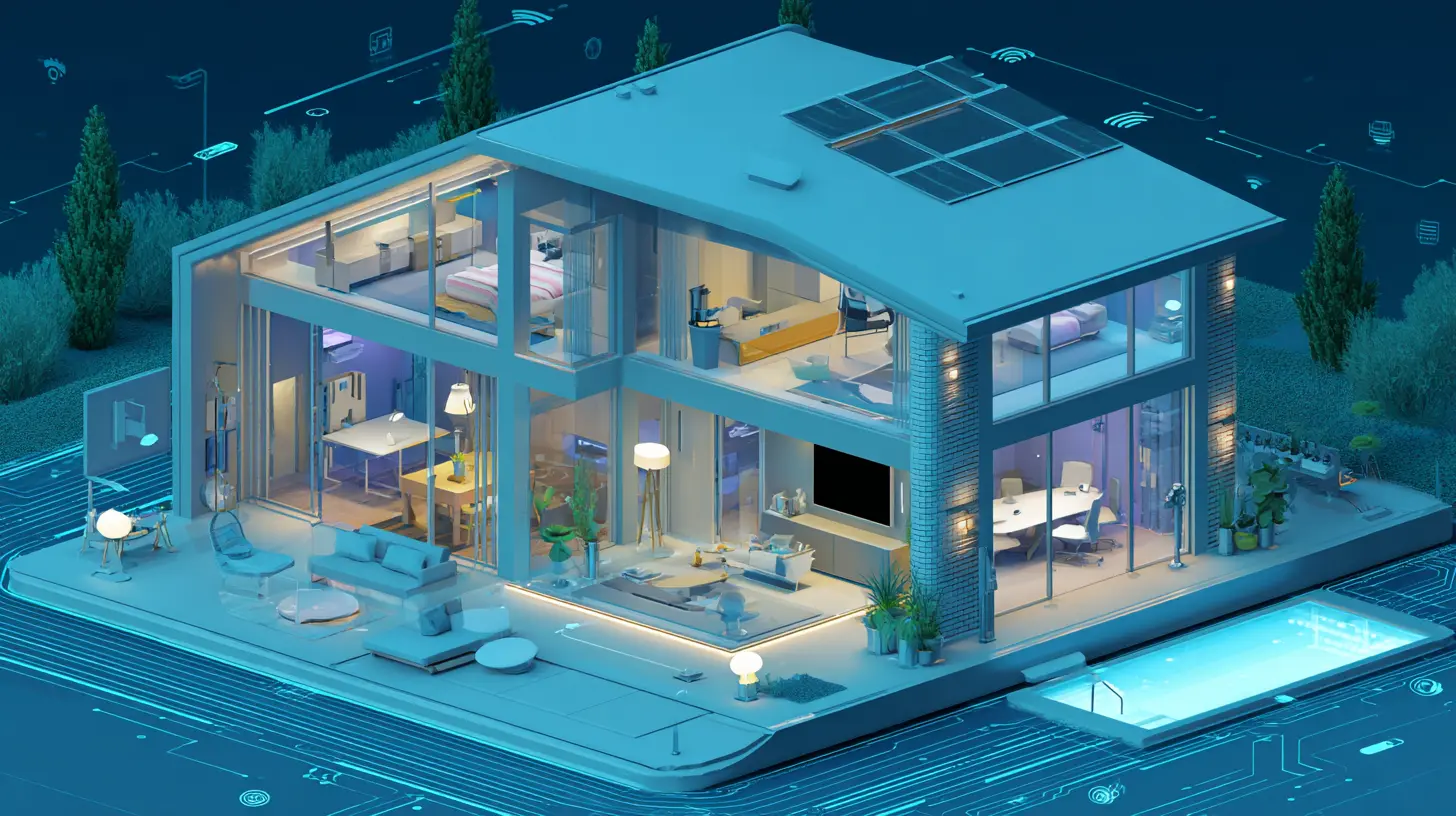
Security That Doesn't Make You Feel Like a Prisoner
Smart home security has been a joke for years. You buy a camera that streams to your phone, and then you get a notification that a leaf moved. Or worse, you get hacked and some stranger watches you eat cereal in your underwear. In 2026, security grows up. It gets local.The biggest trend is on-device AI processing. That means all the face recognition, motion detection, and anomaly analysis happens on the camera itself. No cloud. No subscription fee. No creepy guy at the server farm watching your front porch. Your data stays in your house. The camera learns who is family, who is the mailman, and who is a stranger who has no business being there. It will only alert you for actual threats, not for squirrels doing parkour.
Also, expect to see more "privacy zones" built into the hardware. The camera can physically block out certain areas of its view. So if you have a window you don't want recorded, the lens just ignores it. No software trickery. No trust issues. It's like having a bouncer who knows when to look away. And with the rise of biometric authentication for your locks, you will never lose your keys again. Your face is the key. Your fingerprint is the key. And if someone tries to break in, the system doesn't just alarm. It locks down. It calls the police. It plays a recording of a German Shepherd barking. It's petty and I love it.
The Kitchen Gets a Brain: Cooking With Less Guesswork
Kitchens in 2026 are not just for show. You know those fancy smart fridges that cost as much as a used car and just tell you when the milk is expired? Yeah, that was a waste. The new kitchen is about integration and actual utility.Smart ovens will have computer vision. Pop in a frozen pizza, and the oven scans it, identifies it, and sets the perfect cook time and temperature. No more "cook for 12-15 minutes" guesswork. The oven sees the pizza. It knows if it's thin crust or deep dish. It adjusts for your altitude and humidity. It's like having a chef, but without the attitude.
Your countertop appliances will talk to each other. The coffee maker knows you have a 7 AM meeting because it synced with your calendar. So at 6:45, it starts brewing. The toaster knows you like your bread dark. The smart faucet measures exactly 2 cups of water for your pasta. It's a symphony of convenience. And the fridge? It stops being a bulletin board for your kid's art and starts being a pantry manager. It tracks what you buy, what you use, and what you waste. It will suggest recipes based on what is about to go bad. It's basically a nagging mother, but one that actually helps you save money.
Health Monitoring: Your House Is Your Doctor's Office
This one is a little creepy, but also amazing. In 2026, your home doesn't just keep you comfortable. It keeps you alive. Sensors embedded in floors, mirrors, and beds will track your health metrics without you doing a thing.Your smart mirror will scan your face for signs of jaundice, pallor, or even subtle changes that indicate illness. Your toilet will analyze your waste for biomarkers. Yes, your toilet. It sounds gross, but it saves lives. It can detect early signs of diabetes, kidney issues, or even certain cancers. Your bed will track your sleep stages, your heart rate variability, and your breathing patterns. If you stop breathing for too long, it alerts your phone or a caregiver.
The key here is that this data is private. It stays local. You own it. You choose if and when to share it with your doctor. This trend is huge for aging populations. It means your parents can live independently longer because the house is watching out for them. It's not surveillance. It's care. And it's going to be standard in new builds by 2026. The sassy take? Your house will know you had three glasses of wine before it even asks. No judgment, but the smart lock might hide your keys.
The Rise of the "Ambient" Experience
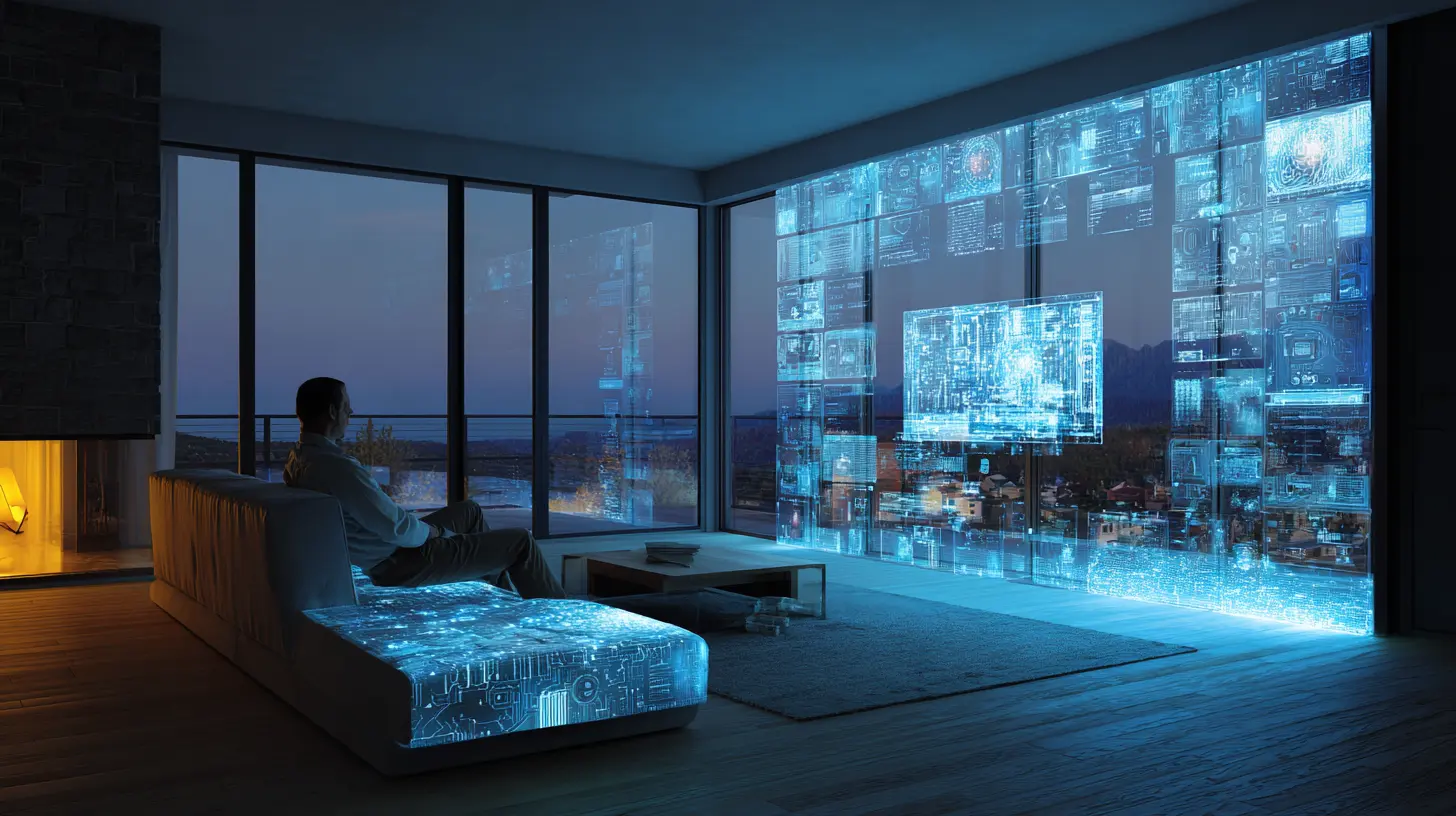
Let's talk about the vibe. The biggest shift in 2026 is that technology disappears. We are moving away from screens and voice commands and toward ambient computing. Your home responds to your presence, your mood, and your context without you asking.Imagine walking into a room, and the lighting adjusts to match the time of day. In the morning, it's bright blue light to wake you up. In the evening, it's warm amber to help you wind down. The music follows you from room to room without you having to tell it. The walls themselves become displays, but only when you need them. Otherwise, they look like normal walls. No black rectangles sucking your attention.
This is the opposite of the "smart home as a gadget" era. It's the "smart home as a environment" era. The technology is woven into the fabric of the house. It's in the paint. It's in the wallpaper. It's in the wood grain. It anticipates your needs and fades into the background when you don't. It's like having a really good butler who knows when to be invisible and when to hand you a drink. And honestly, that's the dream. Not more screens. Less. Not more noise. More silence. But the silence is smart.
Interoperability or Bust: The End of the Walled Garden
Here's a hard truth. Smart home companies have been jerks. They wanted you locked into their ecosystem. Buy our hub, our lights, our locks, our toaster. If you bought a different brand, good luck. In 2026, that game is over. Consumers are fed up. And the industry is finally listening.The Matter standard, combined with Thread networking, means that any device from any brand will work together. Your Google speaker can talk to your Apple TV. Your Amazon plug can trigger your Samsung washer. It's not a utopian dream anymore. It's a requirement. If a company releases a device that doesn't play nice with others in 2026, it will flop. Hard.
This shift is huge for adoption. People don't want to be tech experts to set up a light bulb. They want to buy the bulb that looks nice, screw it in, and have it work. Period. The walled gardens are crumbling. The future is a open market where the best product wins, not the one that holds your data hostage. It's about time.
The Bottom Line: Your Home Is About to Get a Personality
So here we are. 2026 is not about the fridge that tweets. It's about a home that thinks, feels, and acts on your behalf. It's about energy independence, privacy-first security, health monitoring, and an AI that actually gets you. It's about technology that respects your space and your time.Will it be perfect? Hell no. There will be bugs. There will be updates that break things. There will be moments when your house decides to play heavy metal at 3 AM because it "detected a restless mood." But the trajectory is clear. We are moving from a world where we serve our technology to a world where technology serves us. And it's about damn time.
So go ahead. Start planning your 2026 setup. Ditch the hub. Buy the Matter-compatible gear. Get the solar panels and the battery. And when your friend comes over and says "Wow, your house is smart," just smile and say "No, it's just polite." Because that's the future. A polite, sassy, intelligent home that finally stops being a headache and starts being a partner.
all images in this post were generated using AI tools
Category:
Smart Home TechnologyAuthor:

Ugo Coleman
Discussion
rate this article
2 comments
Abram Navarro
Increased AI integration will reshape home automation.
August 28, 2026 at 3:58 AM
Ugo Coleman
Absolutely, AI will transform the way we interact with our homes, making automation smarter and more intuitive than ever.
Skylar Allen
Exciting trends ahead for smart homes!
May 18, 2026 at 10:39 AM
Ugo Coleman
Absolutely! The advancements we have in store are truly transformative. Can't wait to see what unfolds!