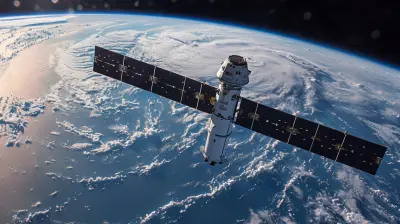
The Future of Space Mining and Its Potential Impact on Earth
26 March 2026
Space—the final frontier. But what if I told you that beyond the breathtaking emptiness, unimaginable wealth is floating around, just waiting to be claimed? Yes, I’m talking about space mining. For centuries, we’ve relied on Earth’s resources, pulling metals and minerals from the ground like hungry treasure hunters. However, our planet’s riches aren’t infinite. The race to mine asteroids, the Moon, and beyond is gaining traction, and it could change everything.
Why Mine Space?
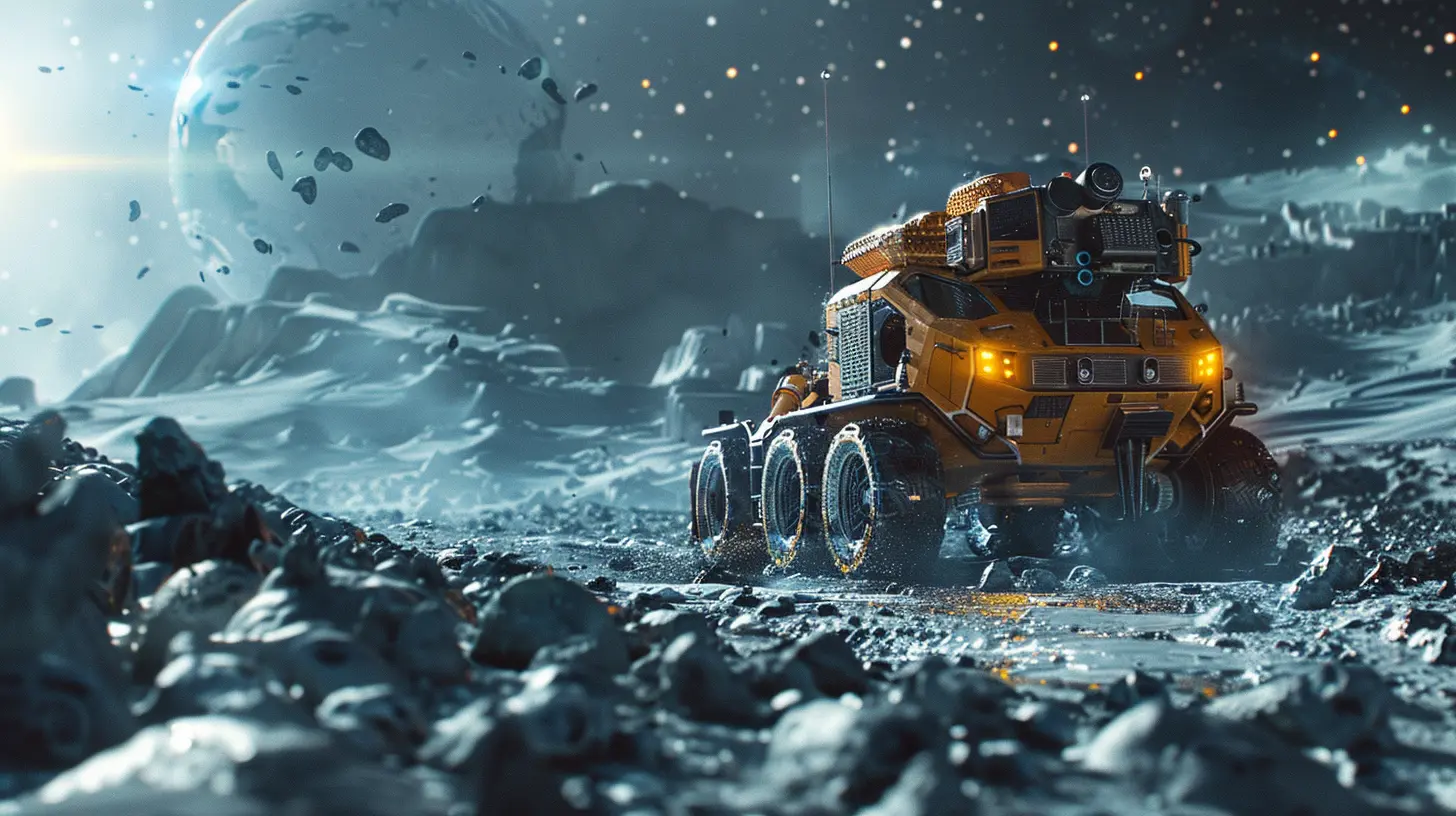
Imagine a single asteroid packed with more gold, platinum, and rare earth metals than all the mines on Earth combined. Sounds like science fiction, right? Well, it’s not. Some asteroids contain mind-boggling amounts of valuable materials—enough to disrupt entire global markets.Take Psyche 16, for instance. This metallic asteroid floating between Mars and Jupiter is estimated to contain $10,000 quadrillion worth of metals. To put that into perspective, that’s enough to make everyone on Earth a trillionaire. But before you start daydreaming about swimming in gold like Scrooge McDuck, there’s a catch: space mining is no easy feat.
The Technology Behind Space Mining
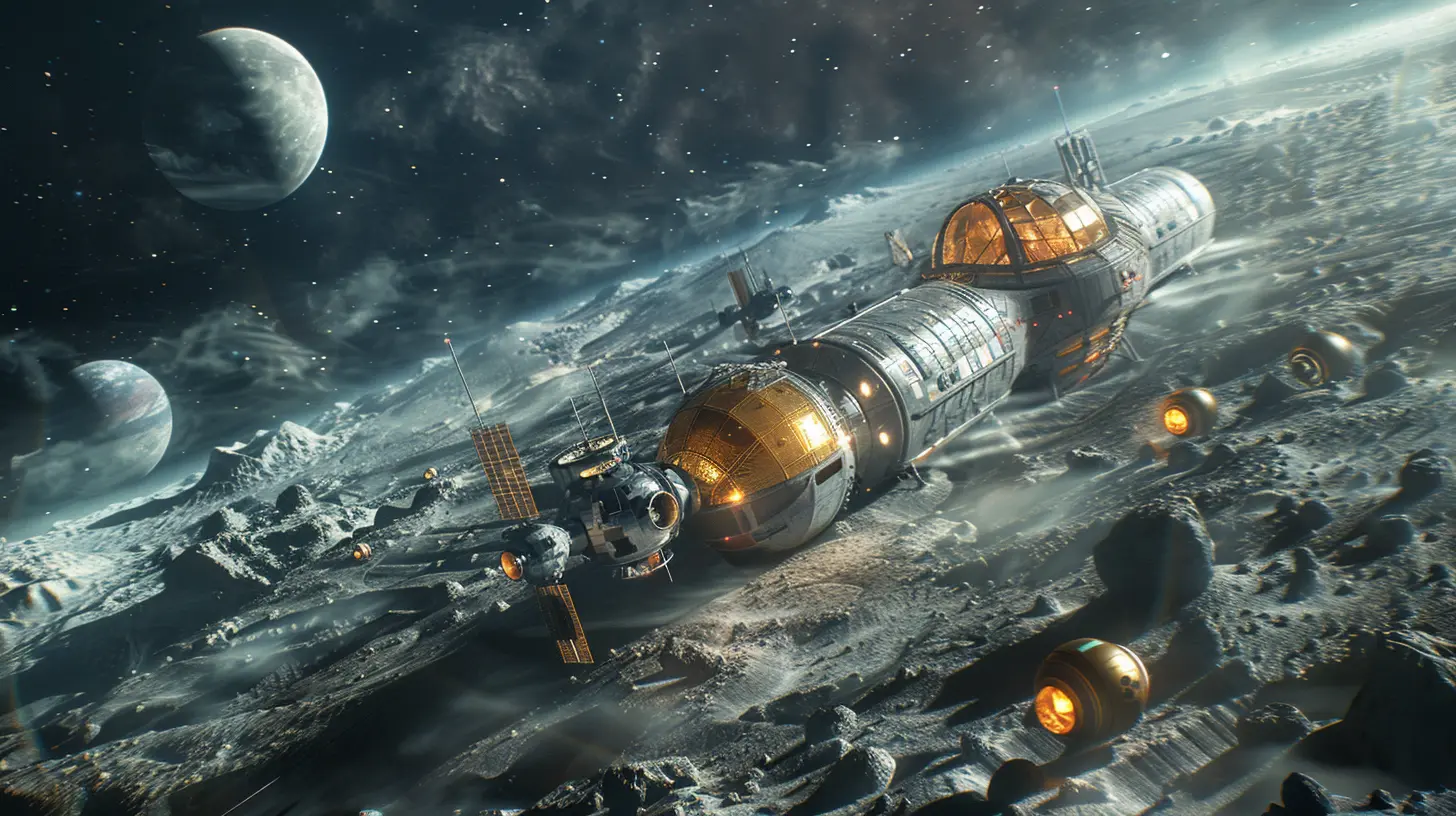
So, how do you mine something floating millions of miles away? Traditional pickaxes and shovels won’t cut it. Instead, scientists are developing high-tech solutions:1. Autonomous Mining Robots
Since sending humans into deep space is expensive (and risky), robots will likely take the lead. The idea is to deploy autonomous or AI-powered robots to extract resources while minimizing human intervention.2. 3D Printing in Space
Imagine 3D printing spacecraft parts using materials harvested from asteroids. This technology could revolutionize space travel, making it cheaper and more self-sustainable.3. Space Refineries
Mining an asteroid is only half the battle. The real challenge? Processing raw materials in low gravity. Space-based refineries would extract metals and package them for transport back to Earth—or even for use in future space colonies.4. Lunar Mining
The Moon isn’t just a giant rock in the sky—it’s full of helium-3, an isotope that could potentially fuel nuclear fusion reactors, providing clean energy for generations.
Who’s Racing to Dominate Space Mining?
It’s not just sci-fi enthusiasts and dreamers who are excited about space mining—governments, billionaires, and private companies are already deep in the game.NASA and Government Initiatives
NASA has been studying asteroid mining for years, with missions like OSIRIS-REx, which successfully collected samples from asteroid Bennu. The U.S. and other nations are also passing laws that allow companies to claim ownership of space resources.Private Companies Leading the Charge
Elon Musk’s SpaceX, Jeff Bezos’ Blue Origin, and companies like Planetary Resources and Deep Space Industries are among the key players vying for a slice of the cosmic pie. Their goal? Turning space mining into a trillion-dollar industry.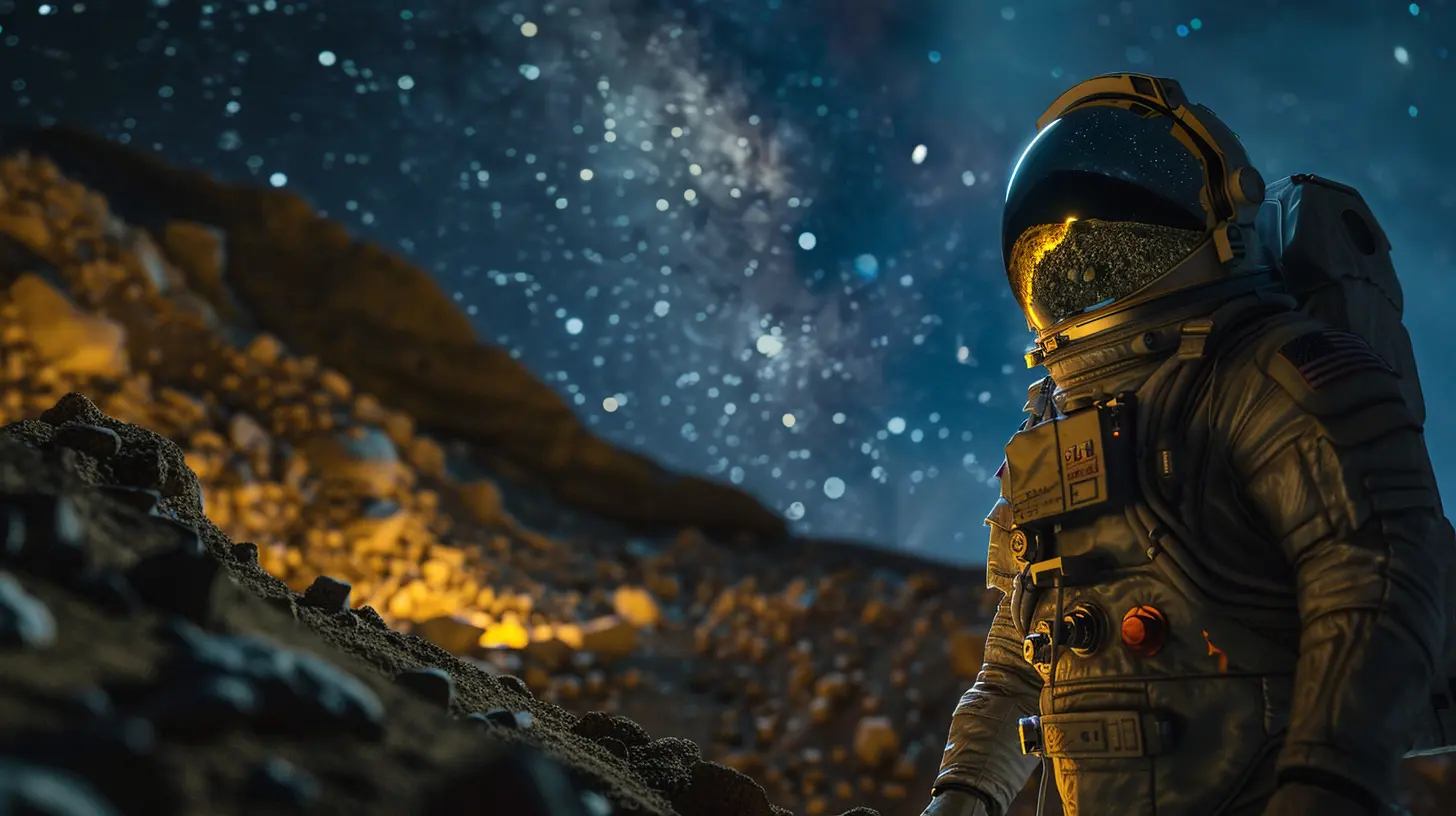
Potential Impact on Earth
Alright, so what if we actually manage to pull this off? How would space mining change life on Earth? Here’s where things get really interesting.1. Unlimited Resources Could Erase Scarcity
Right now, rare earth metals are, well, rare. That’s why your smartphone, electronics, and even electric car parts are so expensive. But if we start pulling these materials from space, prices could plummet. A world where technology is dirt cheap? Yes, please.2. A New Gold Rush—But in Space
Remember the California Gold Rush? Space mining could trigger a cosmic version of that. The first countries and companies to get their hands on asteroid riches could control the next big economic boom.3. Job Creation and the Birth of a New Industry
With space mining comes new jobs—engineers, technicians, space miners (yes, that might be a real job one day), and even space lawyers to handle disputes over asteroid ownership.4. Potential Economic Chaos
There’s a flipside to all this wealth. If we suddenly flood Earth’s markets with an abundance of gold, platinum, and rare metals, their value could crash overnight. Industries that depend on these resources might face serious disruption.5. Space Mining Could Save the Environment
Earth’s mining industry is responsible for massive deforestation, pollution, and destruction. If we shift our focus to the cosmos, we could reduce environmental harm while still meeting humanity’s resource needs.Challenges and Risks of Space Mining
Of course, it’s not all smooth sailing. Space mining faces some serious challenges.1. The Cost Problem
Launching missions into space is insanely expensive. Until technology advances and costs drop, space mining remains a high-risk investment.2. Ownership Disputes and Legal Chaos
Who owns an asteroid? Can a company claim an entire space rock? The legal side of space mining is still murky, and international disputes could arise.3. Ethical Dilemmas
Should humanity be stripping other celestial bodies of their resources? While it might not harm an asteroid, ethical questions about space exploitation will eventually need answers.4. Space Junk and Environmental Impact
Mining in space could generate debris, creating new hazards in Earth’s orbit. We already have a space junk problem—space mining might make it worse.
Is Space Mining Inevitable?
With companies and nations pouring billions into research, space mining seems less like a futuristic fantasy and more like an inevitability. The technology is advancing at warp speed, and before long, we might see the first operational space mine.The real question isn’t if space mining will happen—but when and how we choose to harness its power. Will it be a means to uplift humanity, or will it spark new conflicts and economic crises? Only time will tell.
One thing’s for sure—humanity is on the brink of a new era, and the future of space mining is as mysterious as the cosmos itself.
all images in this post were generated using AI tools
Category:
Space TechnologyAuthor:

Ugo Coleman
Discussion
rate this article
2 comments
Liora Jordan
This article offers a fascinating glimpse into space mining's potential. Harnessing extraterrestrial resources could revolutionize industries on Earth, reduce resource scarcity, and drive technological advancement. Exciting developments lie ahead for both space exploration and our planet's sustainability.
April 4, 2026 at 3:49 AM
Ugo Coleman
Thank you for your insights! I’m glad you found the article engaging—space mining truly holds transformative potential for both our planet and future technologies.
Franklin Jennings
Exciting times lie ahead as space mining opens new frontiers! Harnessing extraterrestrial resources could revolutionize our industries and pave the way for sustainable solutions on Earth. Let’s embrace this innovation and inspire future generations to explore the cosmos responsibly!
March 30, 2026 at 2:59 AM
Ugo Coleman
Absolutely! The potential of space mining is thrilling and could change everything. It's crucial we approach this with responsibility for the benefit of our planet and future explorers.