The Growing Influence of Tech in Emerging Markets by 2027
21 April 2026
In the fast-paced world we live in, technology isn't just a luxury anymore; it's a lifeline, especially for emerging markets. By 2027, we’re set to witness a seismic shift in how technology shapes economies, cultures, and even daily lives in these regions. So, what’s driving this change? Sit back, grab a cup of coffee, and let’s dive deep into the transformative role of tech in emerging markets.
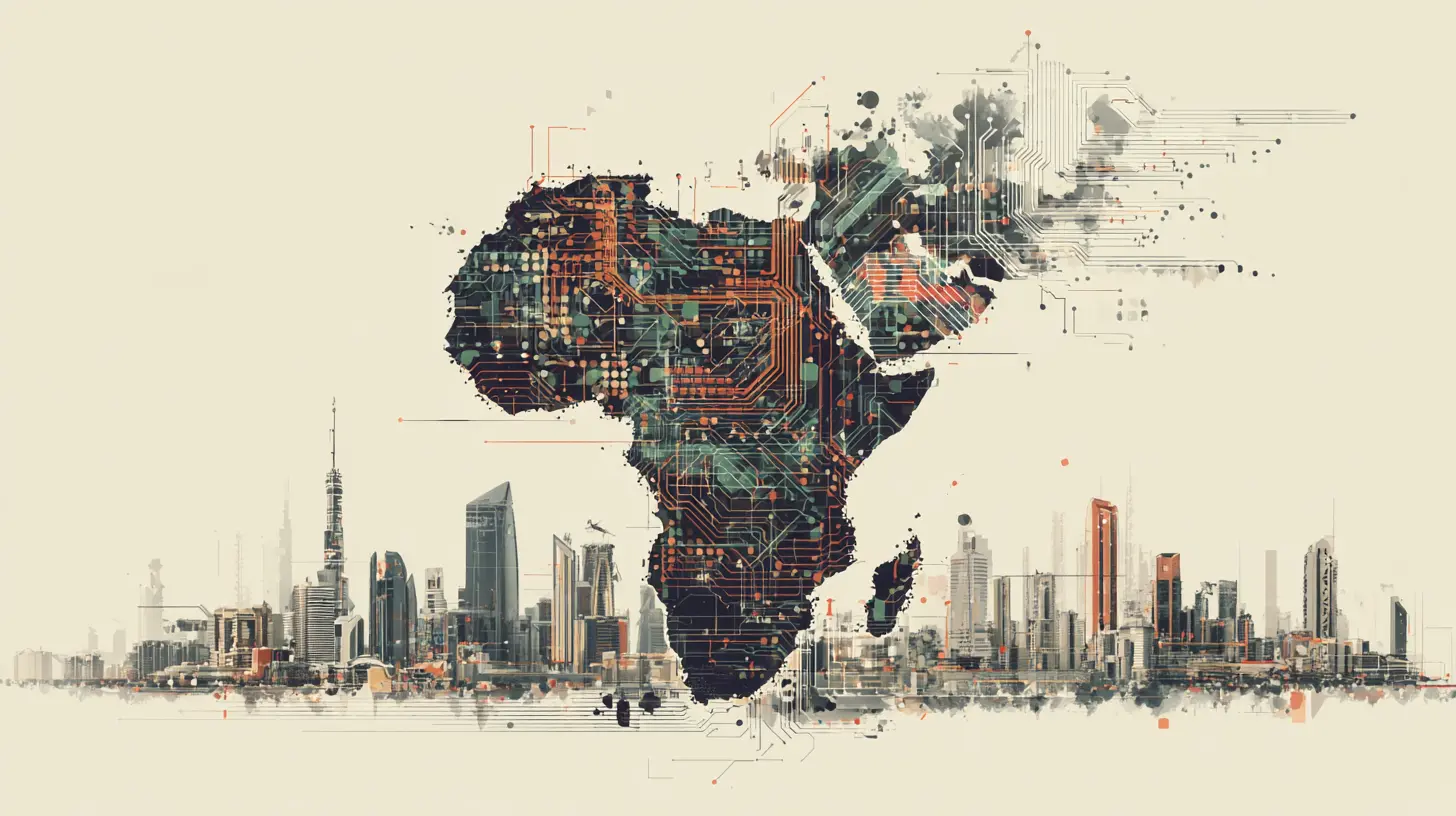
The Current Landscape of Emerging Markets
A Snapshot of Growth
Emerging markets, which include countries like India, Brazil, and Nigeria, are teeming with potential. These nations are not just catching up; they are redefining the narrative of progress. According to the World Bank, the average economic growth rate in emerging markets has outpaced that of developed nations in recent years. The question is: how is technology fueling this growth?The Tech Boom
Think of technology as the rocket fuel for these economies. From mobile banking to e-commerce, tech innovations are creating opportunities that were once unimaginable. For instance, in countries like Kenya, mobile payment systems like M-Pesa have transformed the financial landscape, enabling millions of people to participate in the economy. It’s like giving a magic wand to those who previously had no access to financial services.
The Role of Connectivity
Internet Access: A Game Changer
Connectivity is the backbone of technological growth. In many emerging markets, the increase in internet penetration has been nothing short of revolutionary. According to a report by GSMA, over 1 billion people in sub-Saharan Africa will be connected to mobile networks by 2025. Imagine the possibilities! This connectivity is bridging gaps, creating a platform for global ideas, and allowing local businesses to thrive.Social Media: The New Marketplace
Social media isn't just for sharing cat videos anymore. Platforms like Facebook, Instagram, and WhatsApp are morphing into powerful tools for commerce and communication. Small business owners can now reach audiences far beyond their localities. It’s like having a storefront on every corner of the globe without the hefty rent. Influencers in these markets are also harnessing the power of social media, creating thriving careers and promoting local products.
The Rise of E-commerce
A New Shopping Paradigm
E-commerce is booming in emerging markets, and it’s reshaping consumer behavior. With a growing middle class eager for convenience, online shopping is becoming the norm. Brands like Jumia in Africa and Flipkart in India are leading the charge, offering everything from electronics to groceries at the click of a button. It’s akin to turning your living room into a mega mall!Logistics and Delivery Innovations
But what’s an online shop without reliable delivery? Companies are investing heavily in logistics to ensure that products reach consumers efficiently. Drones, smart supply chains, and last-mile delivery innovations are becoming more common. It’s like watching a real-life version of a tech-savvy Santa Claus delivering gifts year-round.
Financial Technology (FinTech)
Banking the Unbanked
FinTech is arguably one of the most exciting areas of tech in emerging markets. Millions of people have been historically excluded from traditional banking systems. However, with mobile banking apps and microloans, FinTech companies are stepping in to fill the void. This is not just about convenience; it’s about empowerment. People can now start businesses, secure loans, and invest in their futures. It’s like handing out keys to a locked door.Cryptocurrency as an Alternative
We can’t ignore the rising tide of cryptocurrency either. In countries facing inflation and economic instability, digital currencies offer a glimmer of hope. People are seeking ways to preserve their wealth, and cryptocurrencies provide an alternative to traditional financial systems. It’s like a digital safety net that’s growing in popularity.Education Technology (EdTech)
Transforming Education
Education is another arena where technology is making significant inroads. Online learning platforms are becoming more accessible, allowing students from remote areas to gain knowledge and skills. This isn’t just about classroom learning; it’s about lifelong learning. Whether it’s coding, language skills, or vocational training, EdTech is opening doors that were previously closed.Bridging the Skills Gap
As industries evolve, so do skill requirements. EdTech platforms are essential in bridging the skills gap, helping individuals stay relevant in the job market. Think of it as a continuous evolution where learning is as dynamic as technology itself.
Health Technology (HealthTech)
Revolutionizing Healthcare Access
In many emerging markets, access to quality healthcare can be a daunting challenge. However, HealthTech is reimagining the landscape. Telemedicine is giving people the ability to consult with doctors without traveling long distances. Health apps are providing information and resources at their fingertips. It’s like having a doctor in your pocket!Preventative Care and Awareness
Technology is also playing a crucial role in preventative care. Wearable devices and health tracking apps are promoting healthier lifestyles. The awareness generated by these technologies is empowering individuals to take charge of their health. It’s like having a personal health coach nudging you towards better choices.Agriculture Technology (AgriTech)
Feeding the Future
Agriculture remains a cornerstone of many emerging economies. With the world’s population expected to reach nearly 10 billion by 2050, innovative AgriTech solutions are vital. From precision farming to drone monitoring, technology is helping farmers maximize yields and minimize waste. It’s as if they’ve been given a superpower to feed the world.Sustainable Practices
Furthermore, technology is promoting sustainable farming practices. With climate change posing significant risks, smart farming practices are crucial. Using data analytics, farmers can make informed decisions about water usage, crop rotation, and pest management. It’s the difference between thriving and merely surviving in a challenging environment.
Challenges to Overcome
Infrastructure Issues
Despite all the positives, challenges remain. Infrastructure is a significant hurdle in many emerging markets. Without reliable electricity and internet access, the full potential of technology can’t be realized. Governments and private sectors need to collaborate to build the necessary frameworks for growth.Digital Literacy
Another obstacle is digital literacy. While technology may be accessible, not everyone knows how to use it effectively. Education systems need to adapt, ensuring that people are equipped with the necessary skills to thrive in a tech-driven world. Think of it as teaching someone to ride a bike; it’s not enough to have the bike; you must know how to balance!The Future: What Lies Ahead by 2027
The Tech Ecosystem
By 2027, we can expect a more interconnected tech ecosystem in emerging markets. Companies will collaborate more, creating networks that foster innovation. Think of it as a vibrant marketplace where ideas flow freely, and creativity knows no bounds.Policy and Regulation
Governments will also play a crucial role in shaping the tech landscape. Clear policies and regulations will be necessary to protect consumers and encourage fair competition. This regulatory framework will be the safety net that allows innovation to flourish without falling into chaos.Cultural Shifts
As technology permeates everyday life, cultural shifts will also occur. Traditional practices may blend with modern innovations, creating unique solutions tailored to local needs. This fusion will foster a rich tapestry of ideas, driving the next wave of growth.
Conclusion: Embracing the Tech Revolution
The influence of technology in emerging markets is set to grow exponentially by 2027. From enhancing connectivity and transforming industries to empowering individuals, the potential is enormous. Yes, challenges exist, but the resilience and creativity of these markets will pave the way for a brighter future.As we move forward, let’s embrace this tech revolution. It’s not just about gadgets and apps; it’s about building a better, more inclusive world where everyone has the opportunity to thrive. Are you ready to witness this transformation?
all images in this post were generated using AI tools
Category:
Tech IndustryAuthor:

Ugo Coleman
Discussion
rate this article
2 comments
Zelda Cook
This insightful article highlights the exciting potential of technology in emerging markets! It’s inspiring to see how innovation can drive growth and transform lives. Looking forward to witnessing the positive changes that 2027 will bring. Thank you for sharing these valuable insights!
April 29, 2026 at 11:28 AM
Ugo Coleman
Thank you for your thoughtful comment! I'm glad you found the article inspiring. Exciting times are ahead!
Megan Anderson
By 2027, the tech landscape in emerging markets will redefine not only economies but also cultural narratives. As innovation meets necessity, we can expect groundbreaking solutions tailored to local challenges, proving that even the smallest market can spark a global revolution. Watch this space!
April 26, 2026 at 11:12 AM
Ugo Coleman
Absolutely! The intersection of technology and local needs will lead to unique solutions that can reshape not just economies but also cultural identities. Exciting times ahead!