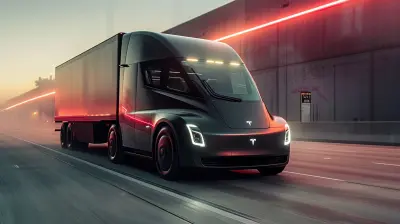
The Impact of Augmented Reality on the Automotive Industry
9 January 2026
Augmented Reality (AR) is rapidly changing how we experience the world, and the automotive industry is no exception. From design and manufacturing to sales and driving experience, AR is powering a new wave of innovation. But how exactly is it transforming the industry? And what can we expect in the coming years? Let's dive into the fascinating world of AR in the automotive sector. 
🚗 How Augmented Reality is Revolutionizing the Automotive Industry
Imagine driving a car where your windshield acts like a futuristic display, guiding you with real-time navigation, hazard warnings, and even speed limits. Sounds like something out of a sci-fi movie, right? Well, with AR, this isn't just a vision of the future—it's already happening.AR technology integrates digital information into the physical world, enhancing how we interact with our environment. In the automotive industry, it's being used in ways that make driving safer, manufacturing more efficient, and even shopping for cars more exciting. 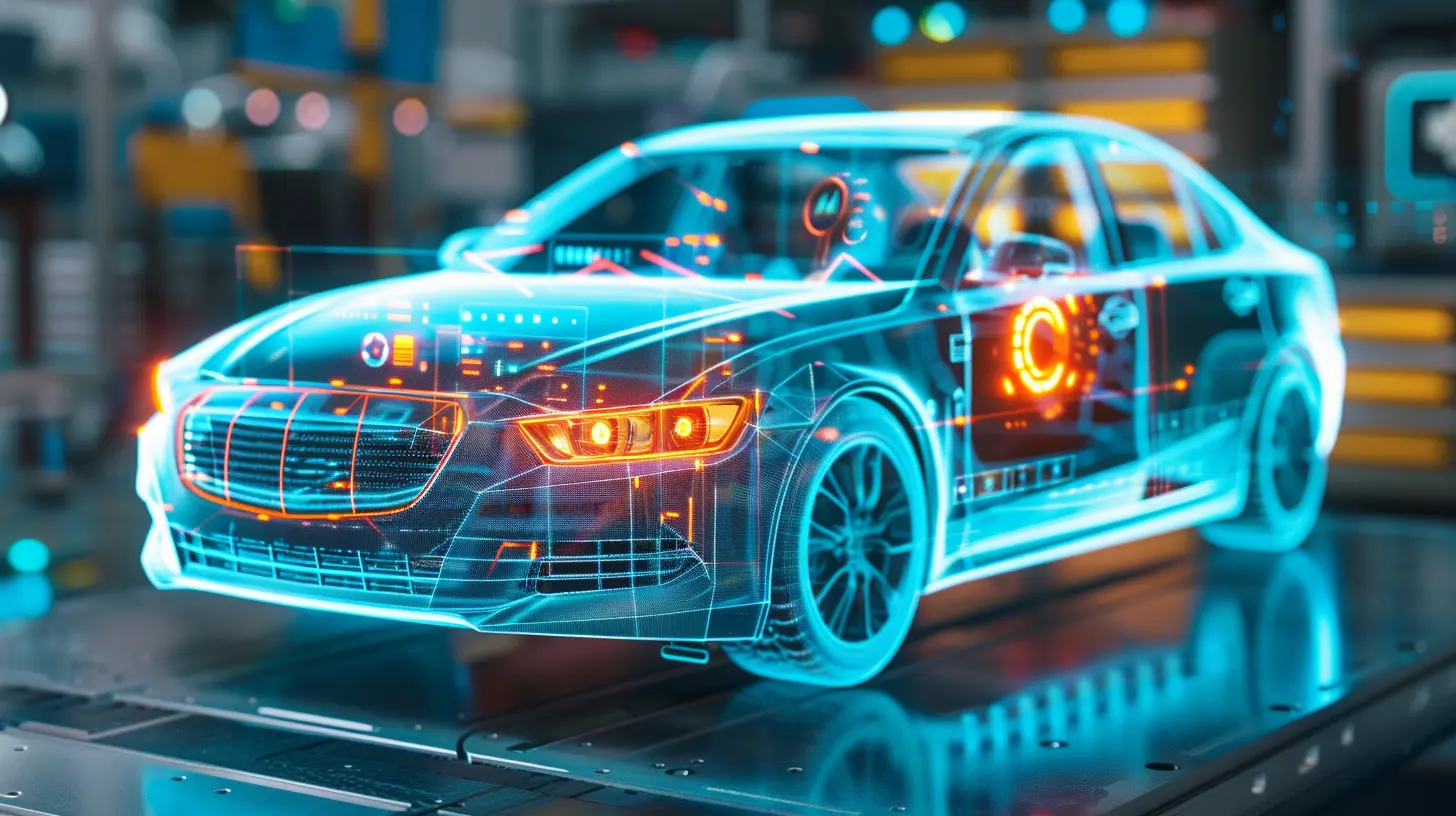
🔍 AR in Vehicle Navigation and Driving Assistance
1. Heads-Up Displays (HUDs): Information at Your Fingertips
One of the most noticeable uses of AR in cars is Heads-Up Displays (HUDs). Instead of glancing down at a GPS or dashboard, AR-based HUDs project essential information directly onto the windshield.- Real-time navigation: Arrows and directions appear directly on the road ahead.
- Speed limits & road signs: Drivers are constantly informed without taking their eyes off the road.
- Hazard detection: Pedestrian and obstacle alerts improve reaction times.
This technology reduces distractions and makes driving far safer—no more fumbling with maps or screens while on the move.
2. AR-Based Parking Assistance
Parallel parking can be a nightmare, especially in tight spaces. AR-based parking systems overlay digital guidelines on a car’s camera feed, making parking a breeze. Some high-end vehicles even offer 360-degree AR views, ensuring you can see every possible obstacle before making a move.3. Collision Avoidance Systems
AR is also helping prevent accidents. Advanced driver-assistance systems (ADAS) use AR to highlight potential hazards, warn of sudden lane departures, and even detect cyclists and pedestrians. These real-time alerts can mean the difference between a close call and a crash.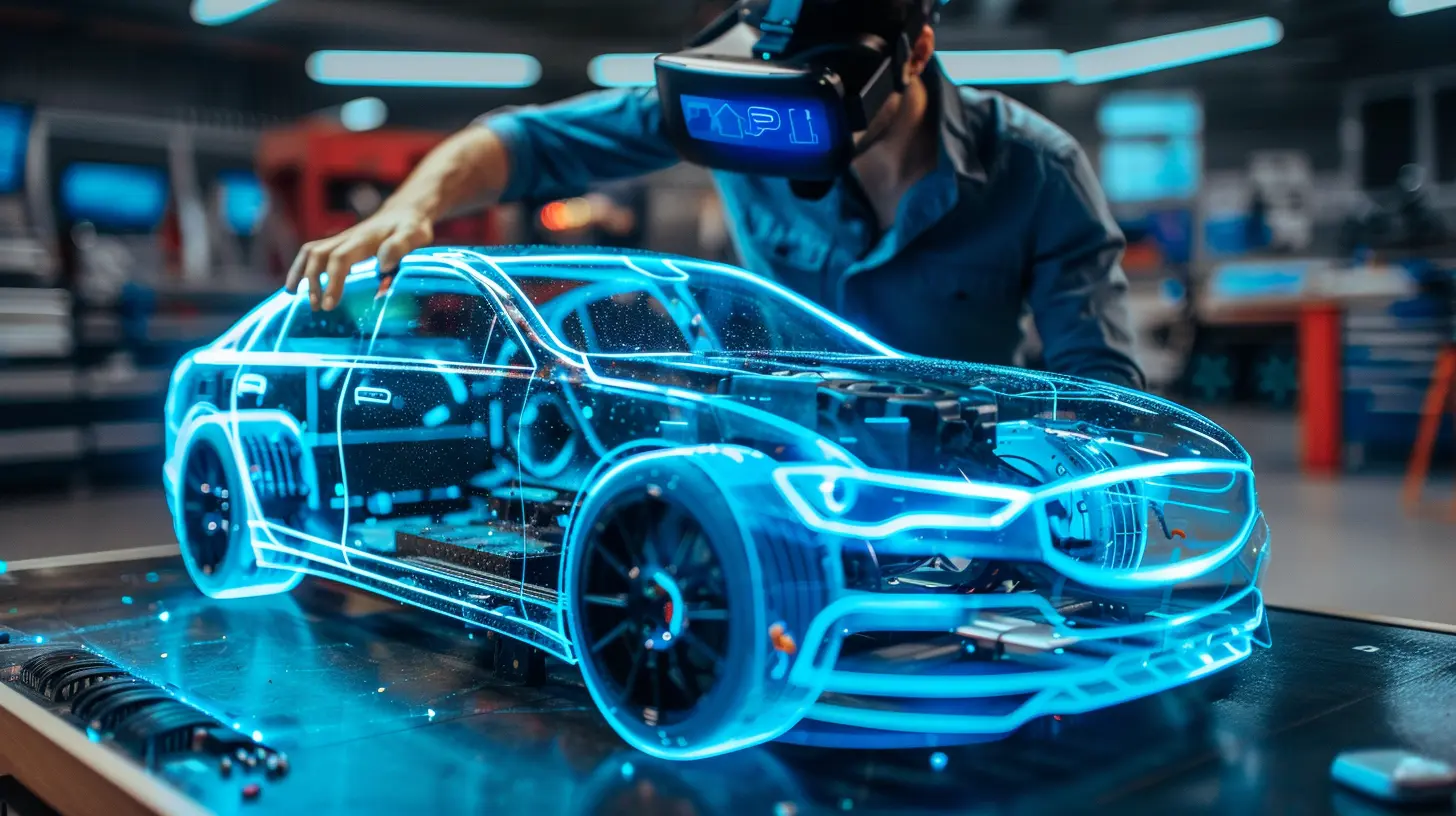
🏭 AR in Vehicle Design and Manufacturing
4. Streamlining Car Prototyping
Traditionally, designing a car involves building expensive physical prototypes. But with AR, designers can create virtual prototypes, testing different designs and features without making costly real-world models.- Engineers can visualize car components in 3D before production.
- Design teams can collaborate in real-time, making adjustments instantly.
- AR simulations help identify flaws early, reducing development costs.
5. Enhancing the Manufacturing Process
In factories, AR is changing the way cars are built. Workers equipped with AR glasses can see step-by-step assembly instructions overlaid on their workspace. This reduces errors, improves efficiency, and speeds up the entire process.Imagine assembling an engine while having real-time guidance floating right in front of your eyes—no need to flip through manuals or second-guess your work. 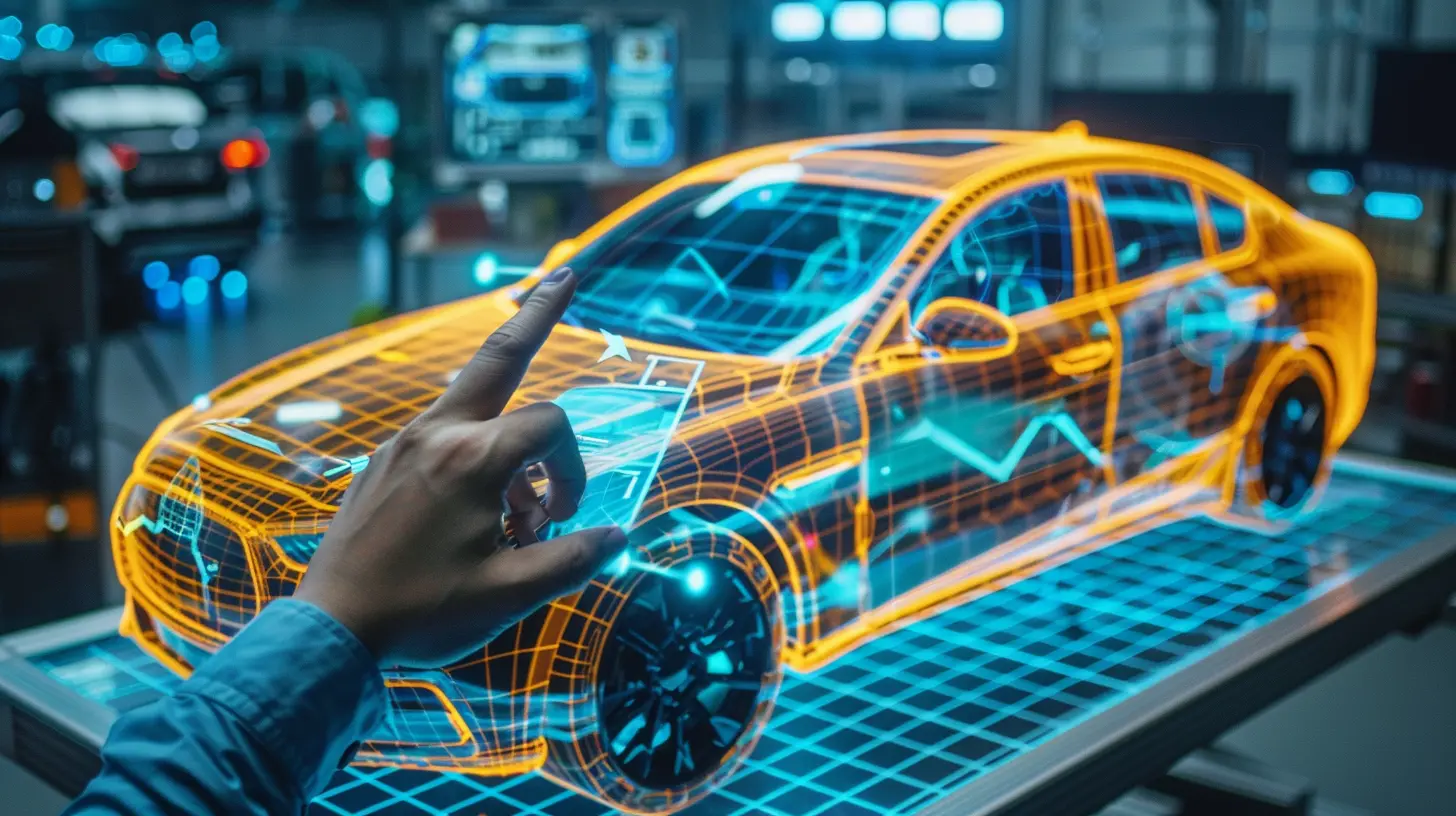
🛒 AR in Car Sales and Customer Experience
6. Virtual Showrooms: Test Driving from Your Living Room
Buying a car has never been more exciting. With AR-powered virtual showrooms, customers can:- Walk around and inspect a car from the comfort of their home.
- Customize colors, interiors, and features instantly.
- Take a virtual test drive without stepping foot in a dealership.
This is a game-changer for car brands, making the buying experience more accessible and engaging than ever before.
7. Augmented Reality User Manuals
Gone are the days of flipping through thick car manuals. AR-based user manuals allow car owners to point their smartphones at their dashboard, and instantly get explanations of various buttons, settings, and maintenance tips.👨🔧 AR in Vehicle Maintenance and Repairs
8. Interactive Repair Guidance
Not everyone is a car expert, but AR is here to help. Imagine holding up your phone to your engine and seeing step-by-step repair instructions overlaid on the actual parts.- Mechanics can use AR glasses to receive live guidance.
- DIY car owners can easily identify problems and follow simple fixes.
- Maintenance becomes quicker and more efficient, reducing downtime.
This is a major breakthrough, especially for complex repairs that would otherwise require expensive diagnostic tools.
🚀 The Future of AR in the Automotive Industry
As AR technology continues to evolve, we can expect even more mind-blowing innovations in the automotive field. Here’s a sneak peek into the future:- Fully interactive windshields that transform into massive displays.
- AI-powered AR assistants that provide personalized driving tips.
- Enhanced safety systems that predict crashes before they happen.
- More immersive in-car experiences, making long drives more entertaining.
Car manufacturers are racing to integrate AR into their latest models, and it won't be long before these features become standard in most vehicles.
🎯 Final Thoughts
Augmented Reality is revolutionizing the automotive industry in ways we never imagined. From safer driving experiences to futuristic car shopping, AR is making vehicles smarter, more intuitive, and far more interactive.The best part? We're just getting started. With advancements in AI, 5G, and AR hardware, the next wave of innovation is bound to be even more exciting. So, next time you step into a car, ask yourself—how different will this experience be in just five years?
all images in this post were generated using AI tools
Category:
Augmented RealityAuthor:

Ugo Coleman
Discussion
rate this article
2 comments
Matilda Martinez
Great article! Augmented reality holds immense potential for enhancing user experiences in the automotive industry. I'm particularly interested in how it can improve navigation and safety features in vehicles. Looking forward to more insights!
February 3, 2026 at 12:39 PM
Ugo Coleman
Thank you for your comment! I'm glad you found the article insightful. Augmented reality indeed has exciting applications in navigation and safety, and I look forward to sharing more in future discussions!
Rusty Harmon
Augmented reality redefines driving, merging dreams with roads, where innovation meets adventure.
January 20, 2026 at 5:54 AM
Ugo Coleman
Thank you! I'm glad you see AR as a transformative force in driving—it's all about enhancing the journey and creating exciting possibilities for the future of automotive experiences.