The Importance of Mobile Apps in the Gig Economy
1 January 2026
Let’s face it—life isn’t the traditional 9-to-5 grind anymore. The world of work is shifting, and at the heart of this change is something most of us have in our pockets right now: our smartphones. More specifically, mobile apps. And if you've ever booked a ride, ordered takeout, or picked up a side hustle using your phone, you’ve already played a role in the gig economy revolution.
Today, we’re diving deep into how mobile apps have become the engine driving this fast-paced, flexible world of work. So, grab a coffee (or your app-enabled food delivery of choice), and let’s unpack the magic behind the gig economy and the mobile technology keeping it all spinning.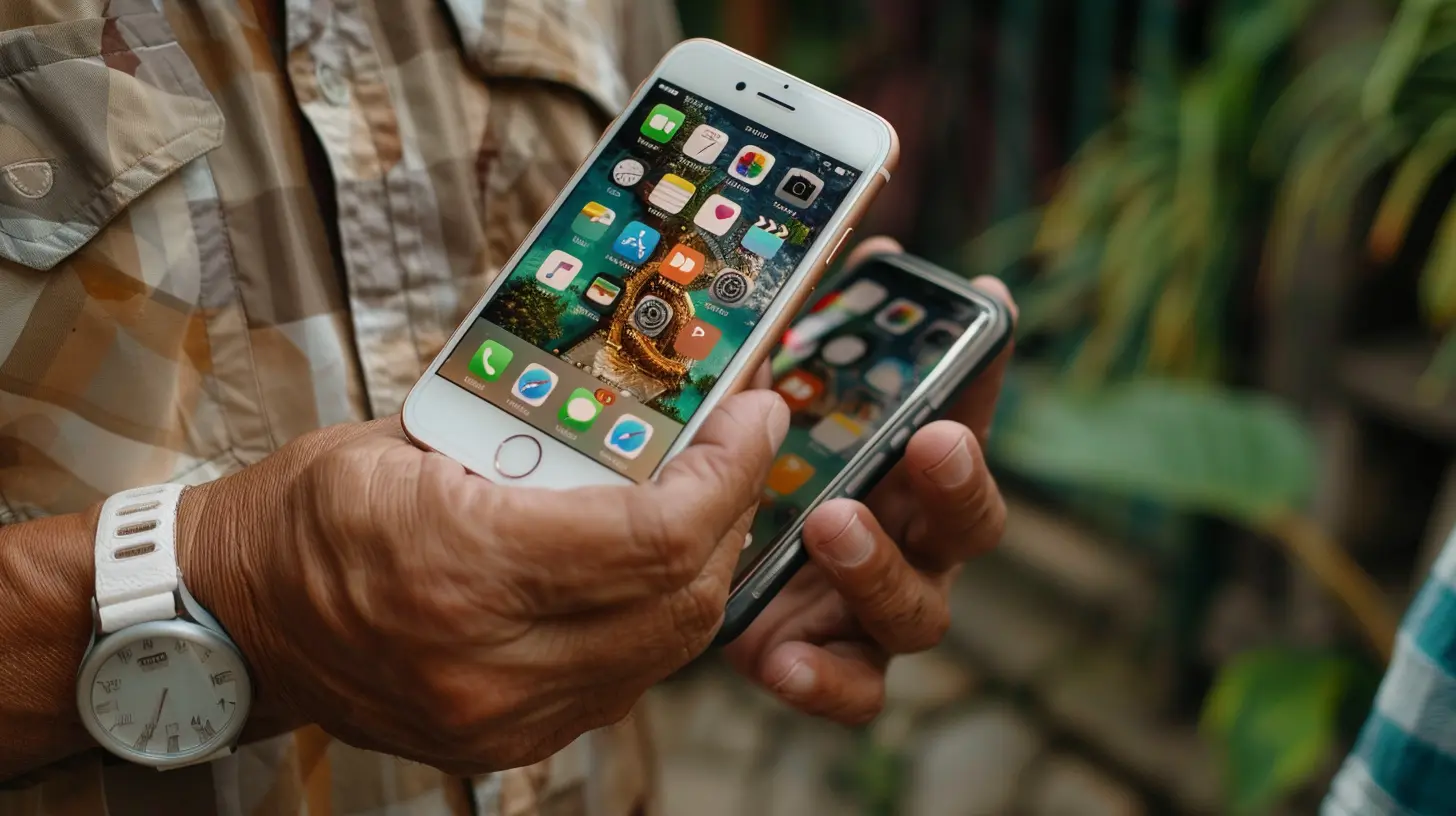
What Is the Gig Economy, Anyway?
Before we zoom in on mobile apps, let’s clear up what the gig economy actually is. It’s this fast-growing sector where people earn income from short-term, flexible jobs—aka “gigs.” Think Uber drivers, freelance writers, delivery riders, virtual assistants, online tutors, and even pet sitters.Instead of one employer, gig workers often juggle multiple clients or platforms. It's all about freedom, flexibility, and getting paid for tasks completed, not time clocked.
Now, here's the kicker: none of this would be possible at today’s scale without mobile apps. They’re the digital middlemen seamlessly connecting gig workers to people who need a service, and they’ve become as essential to this economy as the work itself.
Why Mobile Apps Are the Backbone of the Gig Economy
1. Instant Access to Work Opportunities
Remember the days when job hunting meant printing a stack of resumes and walking door-to-door? Yeah, no thanks. Today, gig workers can literally wake up, open an app, and start earning.Whether you’re delivering groceries through Instacart or picking up freelance design gigs on Fiverr, apps give you instant access to thousands of job opportunities tailored to your skills. It’s like a job board that lives in your phone—and never sleeps.
2. Flexibility and Freedom Like Never Before
One of the biggest perks of the gig economy is flexibility. Want to work mornings and take the afternoon off? Cool. Want to hustle hard on weekends and chill midweek? You got it. Mobile apps make this freedom possible.They allow workers to sign in and out whenever they want, accept or reject jobs, and choose their location—all in real time. You're basically your own boss, and your office is your phone.
3. Streamlined Communication
Gone are the days of long email chains, voicemail tags, and awkward phone calls. Gig economy apps offer built-in messaging and notification features that make communication swift and easy.Need to update a client, change a delivery address, or report an issue? A few taps and you’re sorted. It keeps things moving quickly—and that’s exactly what gig workers need.
4. Simple Payment Systems
Let’s talk money, shall we? One of the biggest game-changers for gig workers is how seamlessly mobile apps handle payments. Most platforms offer integrated payment gateways, so there’s no chasing invoices or waiting for a check in the mail.You finish a gig, and boom—you get paid, often within days or even hours. Some platforms even offer instant payouts for a small fee. It’s fast, convenient, and removes a major stress point for freelancers and side hustlers.
5. Real-Time Tracking and Transparency
Who doesn’t love a good progress bar? Whether it's tracking your Uber ride or seeing how close your DoorDash driver is, transparency has become a major feature of mobile apps.But it’s more than just convenience—it builds trust. Gig workers can track their progress, clock their time, log their earnings, and even monitor ratings, all from the comfort of their phones. For clients, it’s peace of mind; for workers, it’s control.
How Different Sectors Are Leveraging Mobile Apps
Ride-Sharing Services
Uber, Lyft, Bolt—you name it. These apps transformed transportation by connecting drivers with passengers in seconds. Drivers get work when they want. Riders get a lift with a tap. Everybody wins.Food Delivery
Remember when pizza was the only delivery option? Thanks to apps like DoorDash, Grubhub, Uber Eats, and Deliveroo, almost every restaurant now comes to you. Behind the scenes, gig workers get matched with food orders and optimize delivery routes—all through an app.Freelance Platforms
Think Fiverr, Upwork, Freelancer, and Toptal. These apps match experts with clients needing one-off projects—from graphic design to software development. It’s the gig economy’s version of a job fair, just digital and global.On-Demand Services
Need a cleaner, dog walker, or someone to assemble your IKEA furniture? Apps like TaskRabbit and Handy pair you with local workers who can help, often within hours. It’s like having a personal assistant in your pocket.
The Tech Behind the Magic
You might be wondering, “How do these apps actually work so well?” It comes down to a cocktail of tech innovations:- GPS & Geolocation: Matching gig workers with tasks nearby.
- AI & Algorithms: Predicting user needs and optimizing job distribution.
- Push Notifications: Keeping users informed in real time.
- Payment Integration: Secure, fast money transfers.
- User Ratings & Reviews: Building a system of accountability and trust.
These tools create a smooth user experience, which keeps gig workers coming back for more and ensures customers get speedy, reliable service.
The Pros and Cons for Gig Workers
Of course, it’s not all sunshine and flexible workweeks. While mobile apps open the door to a world of opportunity, they come with their own set of hurdles.Pros:
- Work from anywhere, anytime- Quick and easy payments
- Access to global markets
- No traditional boss
- Learn and grow with each gig
Cons:
- No job security or benefits- Unpredictable income
- High competition on platforms
- Dependence on good ratings
- Limited support when things go wrong
Mobile apps offer the tools, but like any tool, it’s how you use it that counts.
The Impact on the Traditional Job Market
We can’t ignore how mobile apps and the gig economy are reshaping the broader work landscape. More folks are ditching cubicles for coffee shops, trading suits for sweats, and chasing fulfillment over fixed salaries.While some people are embracing gig work full-time, many are using it to supplement their income, save for goals, or build portfolios. Mobile apps make it possible to create a work-life mashup that’s personal and adaptable. Employers and policymakers are taking notice, and slowly, change is following.
The Future of Mobile Apps in the Gig Economy
So, where do we go from here?Expect mobile apps to become even more intelligent and personalized. With AI, machine learning, and blockchain on the horizon, gig workers could soon see better job-matching algorithms, fairer pay structures, and stronger protections.
Apps might even evolve into full-fledged ecosystems offering education, community forums, benefits packages, and advanced analytics for gig workers to manage their businesses like pros.
In short? The future is mobile, the gig economy is booming, and your phone is the new workplace.
Final Thoughts
In a world that’s constantly moving, mobile apps have anchored the gig economy with speed, freedom, and reliability. They’ve unlocked flexible careers, empowered millions, and disrupted industries from the ground up.Whether you’re side-hustling for extra cash, freelancing your way through life, or just ordering your third coffee of the day through an app (no judging!), you’re part of this ever-evolving mobile-powered ecosystem.
The gig economy isn’t a trend—it’s a transformation. And mobile apps? They’re the highways connecting us all in this digital workscape.
Ready to clock in? There's an app for that.
all images in this post were generated using AI tools
Category:
Mobile AppsAuthor:

Ugo Coleman
Discussion
rate this article
2 comments
Lena Lynch
Mobile apps: the gig worker's best friend, like coffee but with more multitasking!
January 26, 2026 at 1:59 PM
Ugo Coleman
Absolutely! Mobile apps empower gig workers to maximize efficiency and connect with opportunities seamlessly, much like coffee fuels their hustle!
Heather Snyder
Mobile apps empower gig workers and streamline opportunities.
January 5, 2026 at 9:54 PM
Ugo Coleman
Absolutely! Mobile apps are essential in the gig economy, making it easier for workers to connect with opportunities and manage their tasks efficiently.