The Rise of Electric Vehicle Subscription Services
14 November 2025
Electric vehicles (EVs) are no longer just a buzzword—they’ve gone mainstream. Over the last decade, we’ve seen a massive shift in how people think about transportation, sustainability, and car ownership. But just when we thought we had it all figured out, along comes a new trend shaking things up even more: electric vehicle subscription services.
It’s like Netflix, but for your car. Sounds interesting? Let’s dive into why this model is gaining traction, how it works, and whether it's worth considering for your next ride.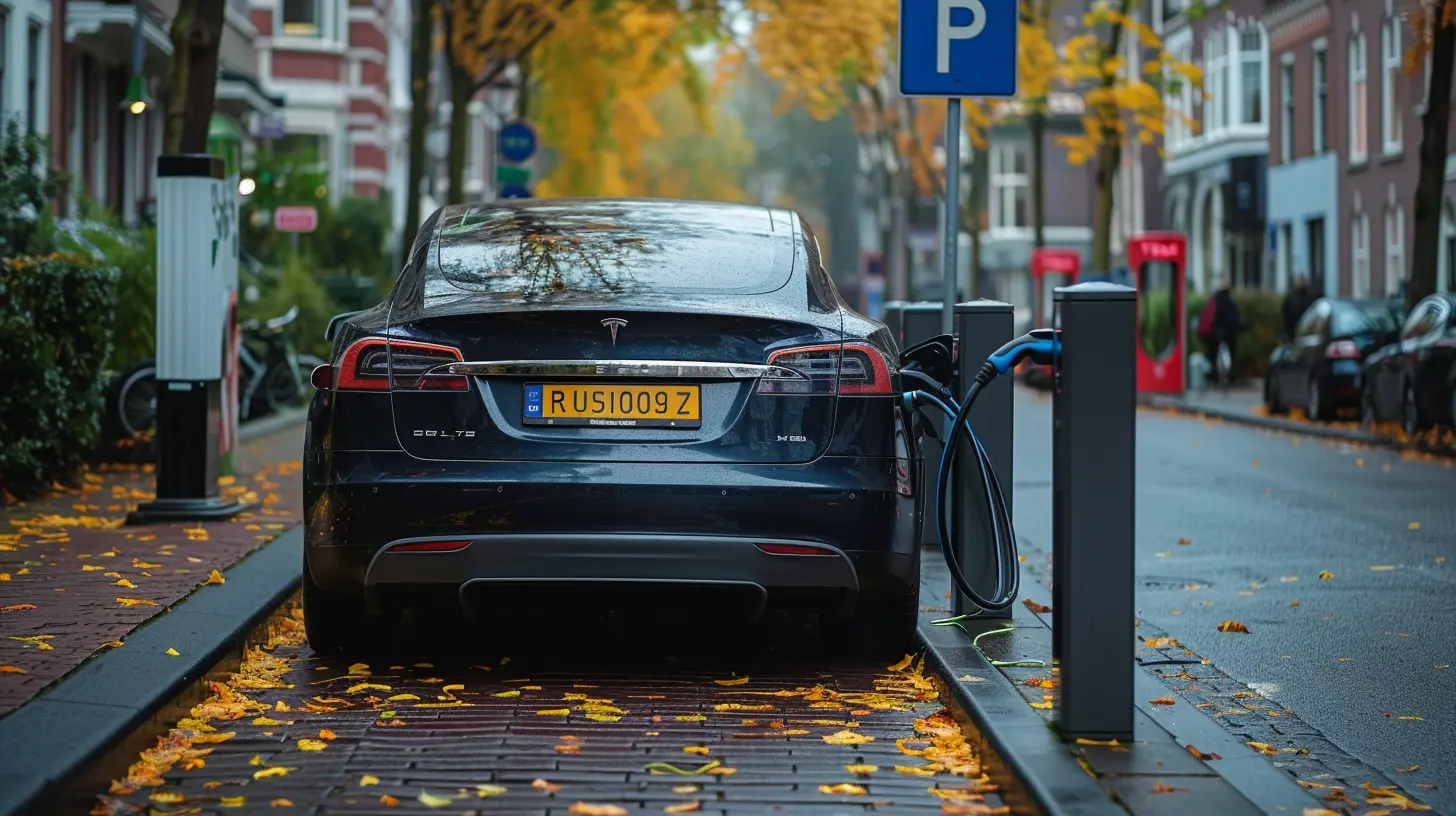
What Are EV Subscription Services?
In the simplest terms, an electric vehicle subscription service is a new way to drive an EV without owning or leasing it. Think of it as an all-inclusive package where you pay a flat monthly fee, and in return, you get access to an electric car, plus insurance, maintenance, roadside assistance, and sometimes even charging perks.No long-term contracts. No massive down payments. No headaches with registration or paperwork. Just plug in and go.
Companies like Care by Volvo, Porsche Drive, Hertz My Car, and newer players like Autonomy have jumped on board, offering flexible subscriptions that cater to the growing demand for short-term, commitment-free transportation.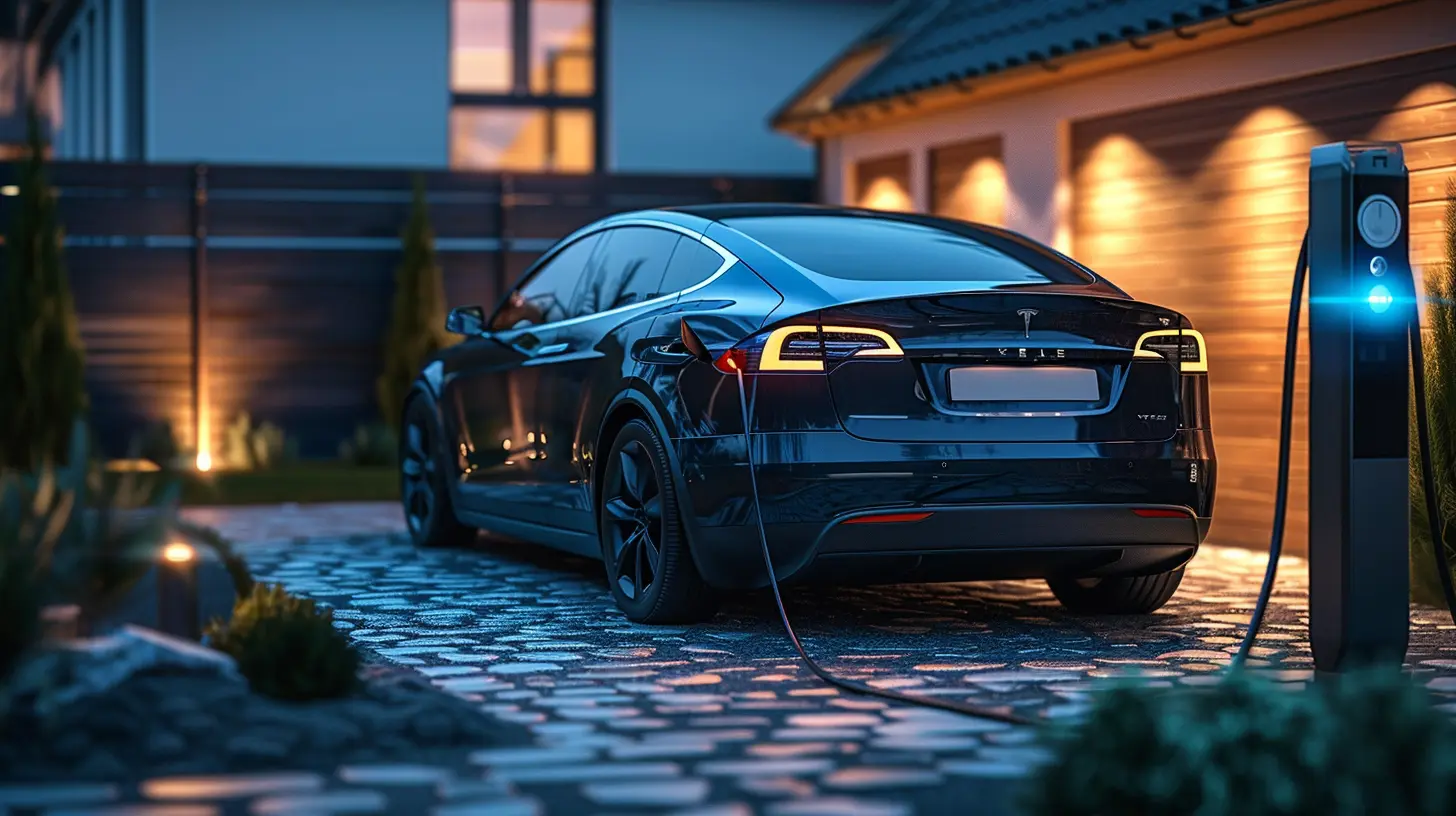
Why Are EV Subscriptions Becoming So Popular?
Let’s be real—car ownership isn’t what it used to be.1. Flexibility Is King
Remember when buying a car meant being stuck with it for years? Not anymore. With subscription models, you can swap vehicles every few months or cancel anytime, depending on the plan. It’s perfect for digital nomads, city dwellers, or anyone who doesn’t want to be tied down.People’s lives are changing faster than ever, and the idea of owning something long-term doesn’t always fit the picture. Subscriptions offer that on-demand convenience we’ve all gotten used to from services like Spotify and Uber.
2. No Hidden Costs
Insurance. Maintenance. Repairs. Taxes. All bundled into one monthly bill. That transparency is a breath of fresh air, especially in the confusing world of car financing.Plus, since EVs require less maintenance than gas-powered cars (no oil changes, fewer moving parts), the costs are often lower—and more predictable.
3. Test Drive the Future
EVs are still new territory for many people. Maybe you’re curious but not ready to commit. A subscription service lets you test different EV models without signing away five years of your life or worrying about depreciation.You can try out a Tesla Model 3 this month and switch to a Polestar 2 next month if you’re feeling adventurous.
The Perfect Fit for the EV Lifestyle
Electric vehicles come with a unique set of considerations—charging infrastructure, range anxiety, new technology—and a subscription service smooths out many of those wrinkles.Many providers work directly with charging networks like ChargePoint or EVgo to give subscribers access to complimentary charging or discounts. And since you’re not locked into one car, you can upgrade to a long-range model if your commuting needs change.
Who Are the Big Players in the Market?
This isn’t just a fringe idea anymore. Big names in the auto industry, mobility startups, and fleet management companies are all throwing their hats in the ring. Let’s look at a few:1. Autonomy
Autonomy is one of the first EV-only subscription services, currently focusing on Tesla models. You can subscribe month-to-month, and everything—from insurance to maintenance—is included. It’s basically plug-and-play for Teslas.2. Care by Volvo
This one’s been around for a while and offers a range of Volvo EVs like the XC40 Recharge. It includes everything but charging costs and allows for vehicle upgrades every 12 months. Perfect for someone who wants a luxury EV without the long-term baggage.3. Porsche Drive
If you’re into more premium experiences, Porsche Drive lets you subscribe to their Taycan EV or any other Porsche in their lineup. It’s not cheap, but it’s definitely stylish.4. Hertz and Other Fleet-Based Offerings
Hertz is pivoting hard into EVs with a growing fleet of Teslas and other models. Their subscription service is more like a long-term rental, but it still provides the same flexibility and ease that today’s drivers crave.Economics of EV Subscription vs. Buying or Leasing
So, how does it stack up financially?Let’s break it down.
- Buying: You're paying for the whole car (even if it’s via a loan), plus insurance, taxes, and maintenance. You’re also taking on depreciation risk.
- Leasing: Lower upfront cost than buying, but you’re locked in for 2–3 years, and you're limited by mileage caps.
- Subscription: You pay a flat monthly fee. It might look expensive at first glance, but once you factor in insurance, maintenance, and flexibility, it's actually quite competitive—especially if you want to switch vehicles frequently.
For example, a Tesla Model 3 via Autonomy starts around $690/month. That includes most things except for charging. Compare that to leasing a Tesla, which might be around $500–600 a month—but doesn’t include insurance or maintenance.
The EV Subscription Experience: What to Expect
Still wondering what it’s actually like to subscribe to an EV? Here's a step-by-step of the typical experience:1. Sign Up Online
Most EV subscription services have slick apps or websites. You choose your desired vehicle, set your term length, and upload your documents. Some providers even deliver the car right to your door.2. Drive with Peace of Mind
With maintenance and insurance handled, you just enjoy the ride. If something goes wrong, help is usually one phone call away.3. Swap or Cancel Anytime
Whether you’re moving, need a different car, or simply don’t want one anymore, there’s no messy selling process. Just return the vehicle and be on your way.Challenges and Drawbacks
It’s not all sunshine and smooth rides—there are some trade-offs.1. Cost Can Be High for Some
Subscription services are convenient but not always the cheapest. If you’re someone who keeps a car for 10 years and drives it into the ground, ownership will probably be more economical.2. Limited Vehicle Choices
Depending on the provider, your options could be limited. Some only offer Teslas, while others may not have the exact trim or color you want.3. Availability Issues
Due to soaring demand and global EV shortages, many subscription services have waitlists or limited inventory. It might take a few weeks before you can get your hands on the model you want.The Environmental Angle
Subscribing to an EV isn’t just good for your wallet and schedule—it’s better for the planet, too.Reducing the number of gas-powered cars on the road is essential for cutting CO₂ emissions. By lowering the barrier to entry, EV subscriptions are helping more people make the switch. The model also promotes more efficient vehicle usage, as shared and subscription-based cars are often used more consistently than privately-owned ones sitting idle in driveways.
What Does the Future Hold?
The global EV subscription market is projected to skyrocket in the next few years, and for good reason. With the adoption of EVs on the rise, advancements in battery tech, and consumers craving more flexibility, subscriptions hit the sweet spot.We could see more automakers creating their own platforms, integration with smart home energy systems, and even bundling with other transportation services like e-bikes or scooters. Imagine paying one monthly fee to access all your mobility needs—that’s where we're heading.
Should You Try an EV Subscription?
If you’re asking yourself whether it’s worth trying, consider these scenarios:- Are you EV-curious but not ready to buy?
- Do you want a car but hate long-term commitments?
- Is the thought of maintenance and insurance making your head spin?
If any of these sound like you, an EV subscription might just be the perfect fit.
Final Thoughts
The rise of electric vehicle subscription services isn’t just a trend—it’s a sign of the times. We’re moving toward a world where convenience trumps ownership, and eco-conscious choices become easier and more accessible.Just as we traded DVDs for streaming, we may soon trade ownership for mobility-as-a-service. The wheel is turning, and EV subscriptions are steering us into a future where driving electric is easier, smarter, and more flexible than ever.
Whether you're a tech enthusiast, sustainability warrior, or just someone who hates the car-buying process, it might be time to rethink how you roll.
all images in this post were generated using AI tools
Category:
Electric VehiclesAuthor:

Ugo Coleman
Discussion
rate this article
1 comments
Haven Lambert
Electric vehicle subscription services are charging ahead, offering flexibility and convenience. As traditional ownership fades, it’s clear: in a world where change is the only constant, why commit to a car when you can simply subscribe?
November 18, 2025 at 5:59 AM
Ugo Coleman
Thank you for your insightful comment! The shift towards subscription services highlights a growing preference for flexibility in mobility, aligning perfectly with the evolving landscape of transportation.