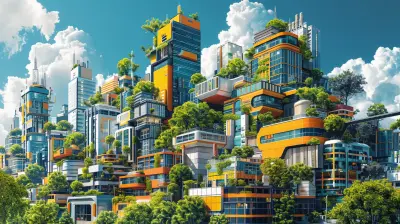
The Rise of Green Technologies in the Tech Industry by 2026
11 May 2026
Let's be honest for a second. When you picture the tech industry, what comes to mind? Maybe it's a sleek glass office building, humming servers in a cold data center, or a factory floor where robots assemble gadgets at lightning speed. It all feels futuristic, clean, and efficient. But here's the dirty secret nobody likes to talk about: that future has been running on a massive carbon footprint. For years, tech has been the shiny, fast-growing kid on the block, but it's also been one of the biggest energy hogs on the planet.
But something is shifting. By 2026, we're not just talking about green tech as a buzzword or a marketing gimmick. We're talking about a full-blown transformation. The rise of green technologies in the tech industry by 2026 isn't a prediction anymore. It's a survival instinct. The industry is realizing that you can't build a digital world on a broken physical planet. So, how did we get here, and what does this actually look like in practice? Let's dig in.
The Wake-Up Call: Why 2026 Matters
Think of the tech industry like a teenager who just got their first credit card. For a while, it was all fun and games. Buy more servers, ship more devices, mine more crypto. But then the bill came due. That bill is climate change, and by 2026, the payments are getting steep.The pressure isn't just from activists holding signs outside of conferences. It's from investors, customers, and even employees. People are starting to ask hard questions. Questions like, "Do I really need to upgrade my phone every year if it means more e-waste?" or "Why is my cloud storage contributing to a coal plant running overtime?" By 2026, the tech giants have to answer. They can't just slap a green logo on a product and call it a day. The stakes are too high, and the scrutiny is too intense.
I remember reading a report a few years back that said the information and communications technology sector could account for up to 20% of global electricity demand by 2030. That's a terrifying number. But instead of panicking, the industry started innovating. And that innovation is what we're seeing mature by 2026.
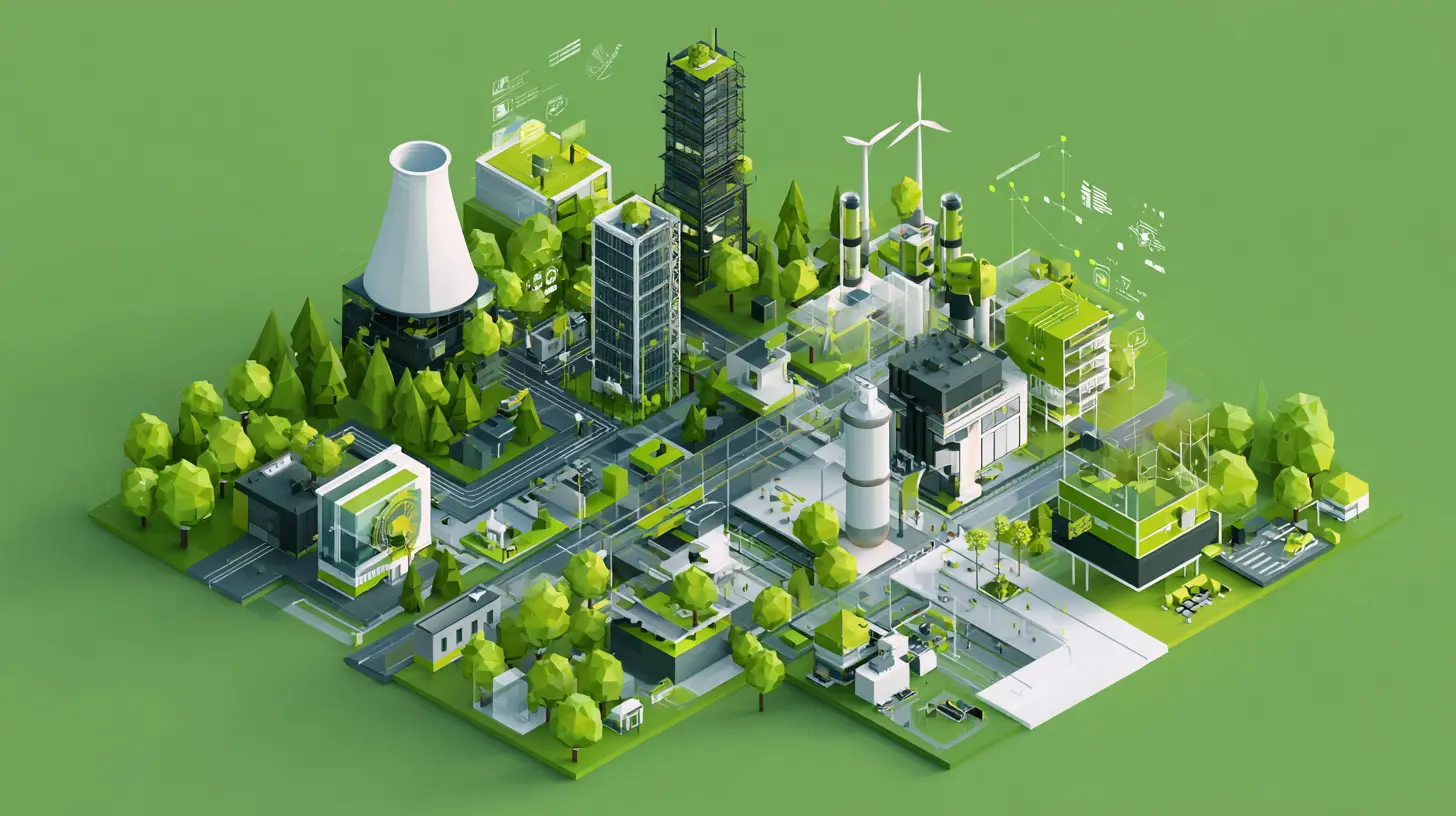
The Data Center Diet: Eating Less Energy
Let's start with the elephant in the server room: data centers. These are the invisible factories of the internet. Every time you stream a show, send a text, or look up a recipe, you're tapping into a data center somewhere. And historically, these places have been energy vampires.But by 2026, the data center is on a strict diet. We're talking about a massive shift to liquid cooling. Why? Because traditional air conditioning is wildly inefficient for modern chips. It's like trying to cool a hot stove with a hair dryer. Liquid cooling, on the other hand, is like putting the pan directly under cold water. It's faster, quieter, and uses way less power.
Companies are also getting smarter about where they put these facilities. Instead of building in the middle of a desert (which requires tons of water and energy for cooling), they're moving to cooler climates or near renewable energy sources. Iceland, Norway, and parts of Canada are becoming hot spots for data centers. It makes perfect sense. Why fight the environment when you can work with it?
And here's the kicker: efficiency isn't just about hardware. It's about software too. Engineers are rewriting code to be leaner. They're optimizing algorithms so that a single server can handle more work without breaking a sweat. It's like cleaning out your closet. You realize you don't need all that junk taking up space. By 2026, data centers are expected to handle double the traffic while only using a fraction more energy. That's a win-win.
The Hardware Revolution: From Cradle to Cradle
Now, let's talk about the stuff you actually touch. Your laptop, your phone, your smartwatch. For a long time, these devices were designed to be thrown away. Planned obsolescence was the name of the game. But that's changing fast.By 2026, the concept of "circular economy" is moving from a niche idea to a standard practice. This means designing products that can be easily repaired, upgraded, and recycled. I'm talking about modular phones where you can swap out a battery or a camera lens without needing a degree in engineering. I'm talking about laptops made from recycled aluminum and ocean-bound plastics.
And it's not just about the materials. It's about the energy used to make them. Manufacturing a single smartphone creates about 70% of its lifetime carbon emissions. That's insane. So, companies are investing in carbon-neutral factories. They're using renewable energy to power assembly lines. They're even experimenting with bio-based materials. Imagine a phone case that's made from mushroom roots or algae. Sounds weird, right? But it's happening.
The biggest shift, though, is in the software. Operating systems are being updated to extend the life of older devices. Instead of forcing you to buy a new phone every two years, companies are optimizing their software to run smoothly on older hardware. It's like giving your old car a new engine instead of buying a whole new ride. By 2026, this isn't a nice-to-have. It's a competitive advantage.
The Energy Grid: Tech as a Green Power Broker
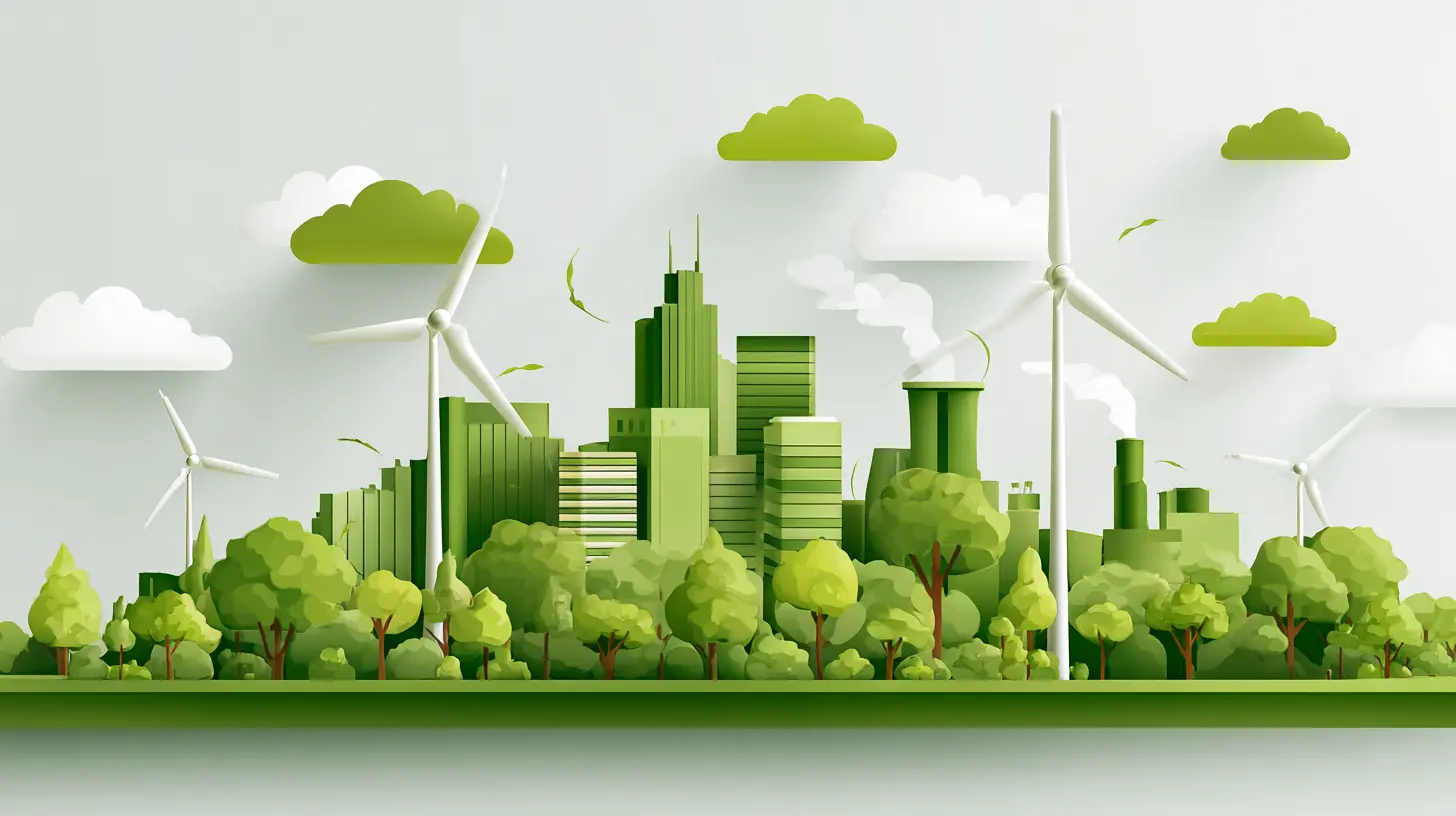
Here's a thought that might surprise you. The tech industry isn't just using green energy. It's actively reshaping the energy grid. By 2026, tech companies are becoming major players in the energy market.Think about it. Google and Amazon have been buying up wind and solar farms for years. But by 2026, they're not just buying power. They're building the infrastructure to store it. Battery technology is getting cheaper and more efficient. So, when the sun isn't shining or the wind isn't blowing, these companies can still run on clean energy.
And it gets even more interesting. Tech is using AI to manage the grid. Imagine a system that predicts energy demand hour by hour, then adjusts data center workloads accordingly. If there's a spike in wind power, the AI can shift computing tasks to a data center that's near a wind farm. It's like a traffic cop for electrons. This kind of "load balancing" is reducing the need for backup fossil fuel plants.
By 2026, the relationship between tech and energy is symbiotic. The grid gets smarter, and tech gets greener. It's not just about reducing harm. It's about actively doing good.
E-Waste: The Unseen Mountain
Let's get real about the ugly side of the industry. E-waste is the fastest-growing waste stream on the planet. We're talking about 50 million tons of discarded electronics every year. That's like throwing away 800 laptops every second. Most of it ends up in landfills or gets shipped to developing countries, where it's burned or broken down in toxic conditions.By 2026, the tech industry is finally taking responsibility. And it's not just about recycling. It's about "urban mining." That's a fancy term for recovering precious metals from old devices. Your old phone contains gold, silver, copper, and rare earth elements. Instead of digging new mines, companies are building facilities to extract these materials from e-waste.
I've seen pilot programs where robots disassemble old phones with surgical precision. They remove the battery, the screen, the circuit board, and sort everything for reuse. It's efficient and it reduces the need for destructive mining.
But the real change is in the design. By 2026, more devices are being made with "design for disassembly" in mind. That means no glue. No screws that require special tools. Just simple, snap-together parts that can be easily separated. This makes recycling easier and cheaper. It's a small change with a huge impact.
The Human Factor: Green Jobs and Green Skills
You might be wondering, "Does this mean my job is going to change?" Yes, it does. But in a good way. The rise of green technologies is creating a whole new category of jobs.By 2026, we're seeing a surge in demand for "green software engineers." These are developers who understand how to write energy-efficient code. They know that a poorly optimized loop can waste as much energy as leaving a light bulb on for a day. They are the unsung heroes of the green tech movement.
We're also seeing new roles in sustainability management. Every major tech company now has a Chief Sustainability Officer. These people are not just PR flacks. They have real power. They decide which suppliers to use, which materials to buy, and which energy contracts to sign.
And let's not forget the repair economy. As devices become more modular, we need more people who can fix them. Right to repair laws are pushing companies to provide spare parts and repair manuals. This is creating jobs for local repair shops and reducing the pressure to buy new stuff.
The green tech transition isn't just about saving the planet. It's about creating a more resilient, fair, and skilled workforce. It's a win for people and the planet.
The Hurdles We Still Face
I don't want to make this sound like a fairy tale. There are real challenges. One of the biggest is the "rebound effect." This is when efficiency gains actually lead to more consumption. For example, if a data center becomes more efficient, companies might just decide to run more AI models or store more data, negating the savings.Another hurdle is the supply chain. Making solar panels and batteries requires rare minerals. Mining those minerals often comes with its own environmental and social costs. So, it's not a clean slate. We're trading one problem for another.
And then there's the issue of greenwashing. Some companies are great at talking the talk but not walking the walk. By 2026, regulators are getting better at catching these fakes. But it's still a problem. As a consumer, you have to be skeptical. Look for third-party certifications, not just pretty marketing.
What This Means for You
So, what does all of this mean for the average person? By 2026, you're going to have more choices. You'll be able to buy a phone that lasts five years instead of two. You'll be able to choose a cloud provider that runs on 100% renewable energy. You'll see less plastic in packaging and more recycled materials in products.But it also means you have a role to play. You can extend the life of your devices. You can recycle them properly. You can support companies that are transparent about their environmental impact. Every choice you make sends a signal to the market.
The rise of green technologies in the tech industry by 2026 is not a distant utopia. It's happening right now, in boardrooms and labs and factories. It's messy, it's complicated, and it's not perfect. But it's real. And it gives me a little bit of hope. Because if the tech industry, which has been part of the problem, can become part of the solution, then maybe there's hope for all of us.
The question is not whether we can afford to go green. The question is whether we can afford not to. By 2026, the tech industry is making its bet. And I, for one, am rooting for it.
all images in this post were generated using AI tools
Category:
Tech IndustryAuthor:

Ugo Coleman
Discussion
rate this article
2 comments
Zareth Ward
This article sheds light on an exciting shift in the tech industry toward sustainable innovations. It's inspiring to see how green technologies are gaining traction, promising not only to enhance efficiency but also to protect our planet. Here's to a brighter, greener future in tech by 2026!
July 25, 2026 at 10:48 AM
Ugo Coleman
Thank you for your thoughts! It's encouraging to see so much enthusiasm for green technologies and their potential impact. Here's to a sustainable future in tech!
Selina Benson
Green technologies are not just a trend; they are the future of the tech industry. As companies innovate and prioritize sustainability, we will see significant advancements by 2026. Embracing these changes will not only benefit the environment but also drive profitability and create new opportunities for growth.
May 16, 2026 at 3:54 AM
Ugo Coleman
Absolutely agree. The shift toward green technologies is crucial for both our planet and business innovation. Exciting times ahead!