The Rise of Virtual Coworking Spaces by 2026
16 April 2026
Remember the old idea of “going to work”? For decades, it meant a specific commute, a fixed desk, and the same four walls. Then, the world got a crash course in remote work. And while we mastered the how of working from home, many of us quietly grappled with the loneliness of it. That silent kitchen, the lack of spontaneous coffee breaks, the eerie feeling of being professionally adrift. It was efficient, sure, but was it vibrant? Was it inspiring?
Enter the next great evolution: the Virtual Coworking Space. This isn’t just another video call. Think of it not as a tool, but as a destination. A digital habitat designed not just for task completion, but for human connection, collective energy, and serendipitous collaboration. By 2026, this concept is poised to move from niche experiment to mainstream necessity, fundamentally reshaping our relationship with work, community, and productivity itself. Let’s dive into why this is happening and what this exciting, pixel-and-people-powered future looks like.

Beyond the Zoom Grid: What Exactly Is a Virtual Coworking Space?
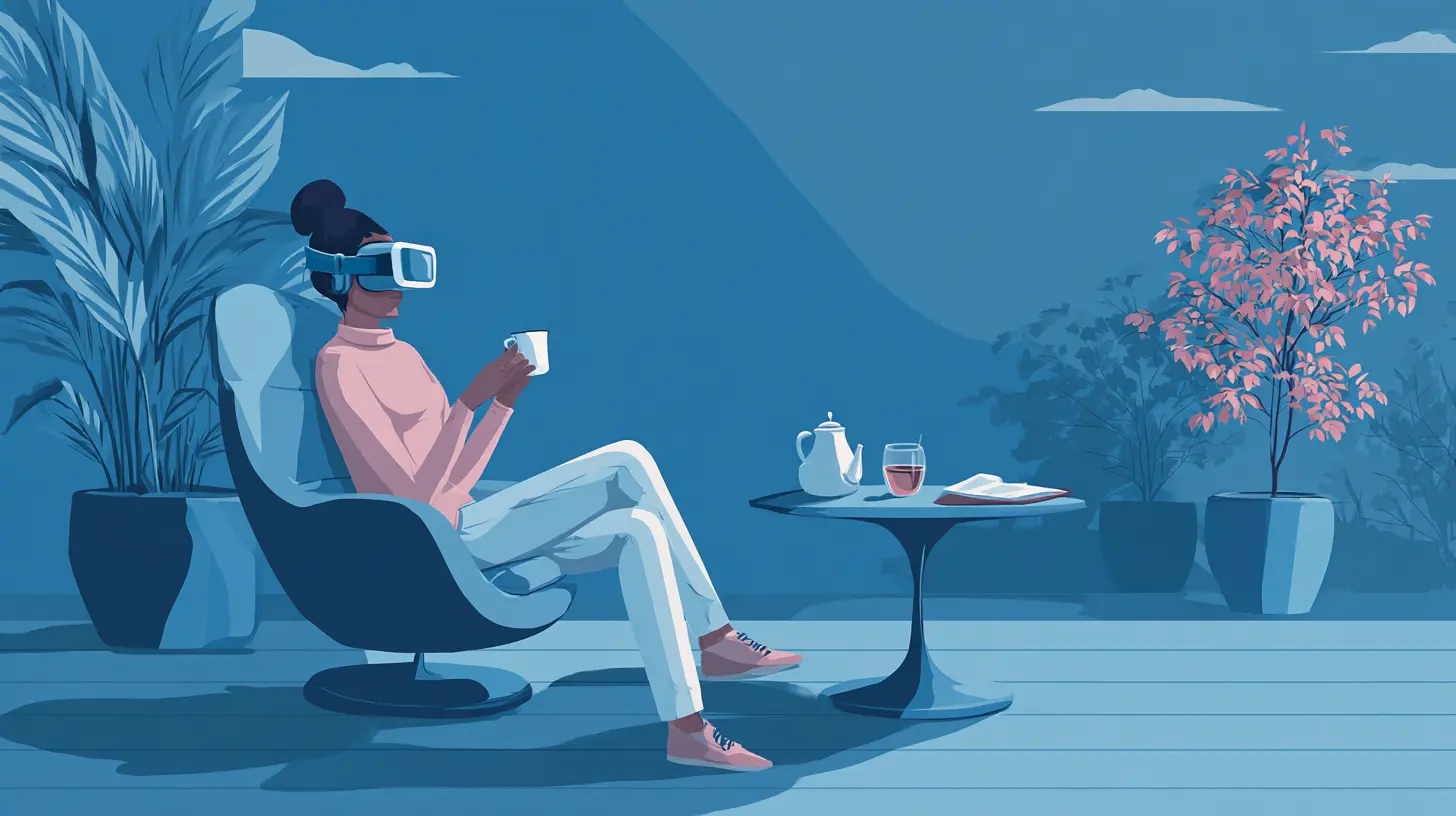
Okay, let's clear the air first. A virtual coworking space is not your company’s Slack channel on steroids. It’s not just a Discord server for freelancers. And it’s definitely not a never-ending calendar of mandatory meetings.Imagine, instead, walking into a beautifully designed digital lobby. You see avatars of other professionals—a developer from Lisbon, a graphic designer from Toronto, a writer from Kyoto—mingling near a virtual water cooler. You can choose to enter a “focus room” where everyone’s working silently with Pomodoro timers ticking in sync. You might pop into a “collaboration lounge” where a small group is whiteboarding ideas on a shared infinite canvas. Someone might ping you: “A few of us are doing a virtual lunch in the rooftop garden space, join us?”
That’s the heart of it. It’s a persistent, immersive online environment that replicates the social and spatial dynamics of a physical coworking office—the buzz, the zones, the chance encounters—but without geographical limits. It uses spatial audio, so conversations get louder as your avatar moves closer to a group. It offers structured “together time” and sacred quiet spaces. It’s work, re-humanized through technology.
The Perfect Storm: Why 2026 is the Tipping Point
Why 2026? Why not now, or five years from now? Because several powerful currents are converging to create a tsunami of change right around that time.1. The Remote Work Hangover is Real (And We’re Seeking a Cure)
The initial euphoria of ditching the commute has settled. We’re left with the hard data: remote work can boost individual output, but it often tanks innovation and erodes company culture. That “water cooler innovation” wasn’t corporate myth; it was where ideas cross-pollinated. Virtual coworking spaces are the deliberate, designed solution to this problem. They are the digital water cooler, the innovation lab, and the cultural hub, all baked into one accessible platform.2. The Technology is Finally Catching Up to the Dream
Let’s be honest, early attempts at virtual offices felt clunky. Laggy video, awkward avatars, confusing interfaces. But the tech stack is maturing exponentially. By 2026, widespread adoption of 5G/6G networks will make high-fidelity, lag-free interaction the norm. Spatial audio and video will feel natural. Lightweight VR/AR (think sleek glasses, not bulky headsets) will offer optional immersion without the friction. The platform of 2026 will feel less like a software you use and more like a place you inhabit.3. The Rise of the Global, Hybrid Nomad
The workforce is becoming untethered. Companies are hiring globally, and professionals are embracing location independence. But humans are social creatures. We crave tribes. A virtual coworking space provides a “professional home base” for this new generation of workers. Your community and your work context stay constant, whether you’re logging in from a beach in Bali or a cabin in the Alps. It provides the missing layer of stability in a mobile world.4. The Demand for “Deep Work” and “Shallow Connection”
The modern knowledge worker’s paradox: we need long stretches of uninterrupted focus and low-stakes, casual social interaction to feel balanced. Our current tools are terrible at this! Notifications shatter focus, and scheduled “social hours” feel forced. Virtual coworking spaces architect for both. Need four hours of deep work? Enter the silent library zone. Need a brain break? Hop into the game room for a quick virtual chess match with a fellow member. It’s flow state and friendship, on demand.
A Day in the (Virtual) Life: 2026 Edition
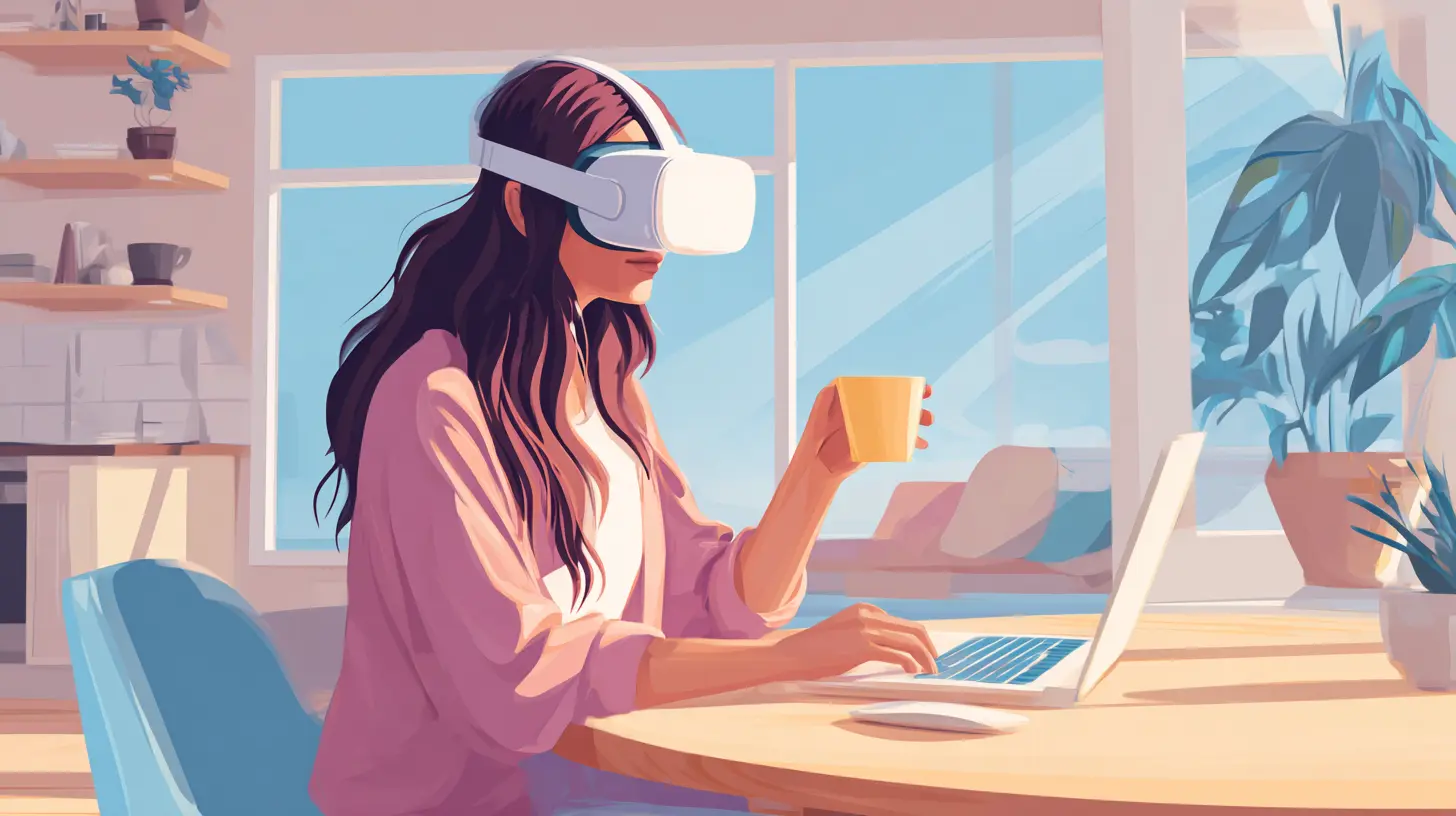
Let’s paint a picture. It’s a Tuesday morning in 2026. You, as a freelance data scientist, start your day.You put on your comfortable AR glasses (or just open the app on your ultra-wide monitor). You “enter” your chosen virtual coworking space, The Digital Hive. Your personalized avatar, which subtly reflects your real-time status (e.g., “Deep Focus,” “Open to Chat,” “In a Meeting”), materializes in the sunny atrium.
You see familiar faces. You give a virtual wave to Maria, a UX designer you often brainstorm with. A notification pops up: “The 10 AM ‘Creative Data’ circle is starting in Studio B.” You hadn’t planned on it, but the topic looks intriguing. You click to join.
In Studio B, you’re seated around a virtual roundtable with five other professionals from around the globe. The session facilitator shares a challenge on data visualization. For 25 minutes, you all sketch on a shared 3D canvas, ideas bouncing freely. You leave with a fresh perspective and two new LinkedIn connections.
You then head to your “personal pod,” a customizable quiet space, and activate a 90-minute focused work session. The platform automatically silences non-urgent notifications and shows a gentle counter of others in the space also in focus mode—a powerful form of silent accountability.
At lunch, you join an audio-only walk-and-talk group that’s “strolling” through a photorealistic virtual Japanese garden, discussing industry trends. The conversation is light, the connection is real.
Your afternoon includes a client presentation in a sleek virtual boardroom where you share 3D models directly into the space, and you end your day in a “Wind Down” lounge with ambient music and casual chat about non-work topics.
This isn’t science fiction. This is the structured serendipity and holistic workday that virtual coworking platforms are building towards right now.
The Ripple Effects: How This Changes Everything
The impact of this shift will ripple far beyond just where we take our Zoom calls.For Companies: Culture Without Coordinates
Companies will lease “corporate wings” within these virtual spaces. New employee onboarding will involve a tour of the virtual HQ, introductions to avatars from other departments, and immersion in the digital culture. Team building will happen in virtual escape rooms. Company-wide announcements will feel like gatherings in a digital amphitheater. Culture will become something you experience daily, not just read about in a handbook.For Freelancers & Solopreneurs: The End of Isolation
This is perhaps the most profound change. The freelance journey can be a lonely one. Virtual coworking spaces will provide the missing community—the colleagues, the mentors, the collaborators. They will also evolve into powerful business platforms. Need a copywriter for a project? Instead of posting on a job board, you might walk over to the “Writer’s Nook” in your virtual space and strike up a conversation. The line between networking and working will beautifully blur.For Cities and Geography: A Great Decentralization
If your vibrant professional community exists entirely online, your physical location becomes a lifestyle choice, not a career constraint. This could further accelerate the dispersal of talent from mega-cities to smaller towns, coastal communities, and rural areas, revitalizing regions and reducing pressure on urban infrastructure. The “brain drain” could transform into a “brain gain” for countless communities.The Challenges on the Horizon (And How We’ll Navigate Them)
Of course, this future isn’t without its speed bumps.* Digital Fatigue 2.0: Will this just be another screen to stare at? The key will be optional, flexible immersion and a focus on audio-first, low-pressure interaction. The goal is connection, not graphical overload.
* The Digital Divide: Access to high-bandwidth connections and advanced hardware cannot be a barrier. The most successful platforms will have robust, accessible browser-based versions to ensure inclusivity.
* Curating Community & Safety: Managing tone, preventing harassment, and fostering positive culture in a digital space is complex. This will require thoughtful digital governance, proactive community management, and transparent moderation systems.
* Balancing Surveillance with Trust: How do platforms provide a sense of “presence” without creepy monitoring? The ethos must be built on trust and user control over privacy settings.
The companies that succeed will be those that prioritize human psychology over technological spectacle.
Your Invitation to the Future
So, as we look toward 2026, the question isn’t if virtual coworking spaces will become a central part of our work lives, but how we will choose to engage with them. Will you seek out a space that aligns with your industry? Your values? Your need for creative spark?This rise isn’t about replacing the physical world. It’s about augmenting it. It’s about building bridges across oceans and time zones. It’s about declaring that work can be both profoundly productive and deeply human—that our tools can foster not just output, but belonging.
The office of the future isn’t a place you’ll be assigned to. It’s a world you’ll choose to log into. A world buzzing with ideas, support, and shared ambition. The door to that world is loading. Get ready to step through.
all images in this post were generated using AI tools
Category:
Digital Nomad TechAuthor:

Ugo Coleman
Discussion
rate this article
2 comments
Zevan Ruiz
This article beautifully captures the evolving landscape of work. Virtual coworking spaces offer connection and collaboration in our increasingly digital world. I’m excited to see how these innovative environments shape our professional lives by 2026. Thank you for sharing!
April 17, 2026 at 4:43 AM
Ugo Coleman
Thank you for your thoughts! I'm glad you found the article insightful. The potential of virtual coworking spaces is indeed exciting. Let's see how it unfolds.
Kael Malone
The rise of virtual coworking spaces by 2026 reflects shifting workplace dynamics, driven by remote work and digital collaboration tools. These platforms offer flexibility, promote networking, and enhance productivity. As companies adapt, virtual coworking may redefine how professionals connect, creating new opportunities in a rapidly evolving work environment.
April 16, 2026 at 2:41 AM
Ugo Coleman
Thank you for your insightful comment! I completely agree that virtual coworking spaces will play a crucial role in shaping the future of work, fostering collaboration and networking in an increasingly remote landscape.