The Rise of Virtual Offices in 2026
14 May 2026
Let's be honest for a second. Remember 2020, when we all thought remote work was a temporary band-aid? We were huddled over kitchen tables, muting ourselves on Zoom, and pretending our cats weren't walking across the keyboard. Fast forward to 2026, and the game has completely flipped. But it's not just about working from home anymore. It's about the virtual office-a fully immersive, digital space that doesn't just mimic the physical office; it makes it feel obsolete.
I'm not talking about a clunky Slack channel or a weekly Teams call where everyone's camera is off. I'm talking about a persistent, 3D environment where you walk in, see your colleagues' avatars, grab a virtual coffee, and actually feel like you're in a room together. It sounds like science fiction, but it's happening right now. By 2026, the virtual office isn't a trend-it's the new baseline for how thousands of companies operate. Let's pull back the curtain on why this shift is happening, how it works, and what it means for you.
The Death of the Commute (Finally)
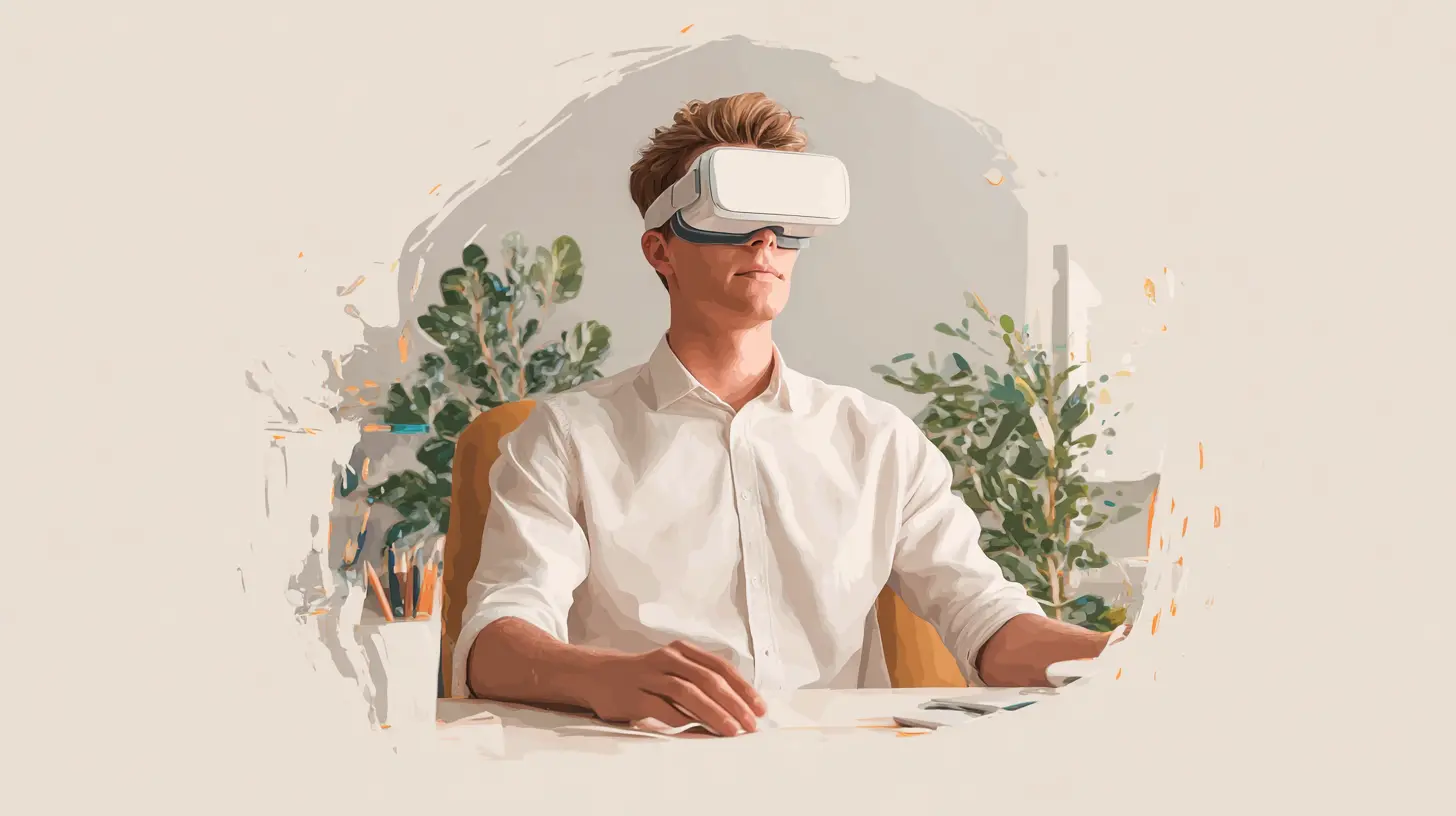
Here's the cold, hard truth: nobody misses the commute. Not the traffic, not the crowded subway, not the 45-minute drive just to sit in a cubicle. But companies spent billions on real estate, and for a long time, they clung to the idea that if you weren't in the building, you weren't working. That argument died in 2026.The virtual office solves the biggest lie of remote work: isolation. When you work from your living room, you lose the water-cooler moments. You lose the spontaneous brainstorming. You lose the feeling of being part of a tribe. A virtual office brings that back, but without the commute. You log in from your home office, your beach house, or a co-working space in Bangkok. You put on a lightweight headset (or just use your laptop screen for simplicity). Suddenly, you're standing next to your project manager's avatar in a digital lounge. You can hear them, see their body language, and even high-five them (digitally, of course).
It sounds silly, but it works. The friction of "let me schedule a meeting" disappears. You just walk over to their desk. That's the magic. The virtual office isn't a replacement for the physical world-it's a replacement for the loneliness of the 2020s remote work era.
Why 2026 Is the Tipping Point
You might be thinking, "Didn't we try this with Second Life back in 2007? It flopped." You're right. But the tech in 2026 is a different beast. Let's break down the three pillars that made it stick.1. Hardware That Doesn't Suck Anymore
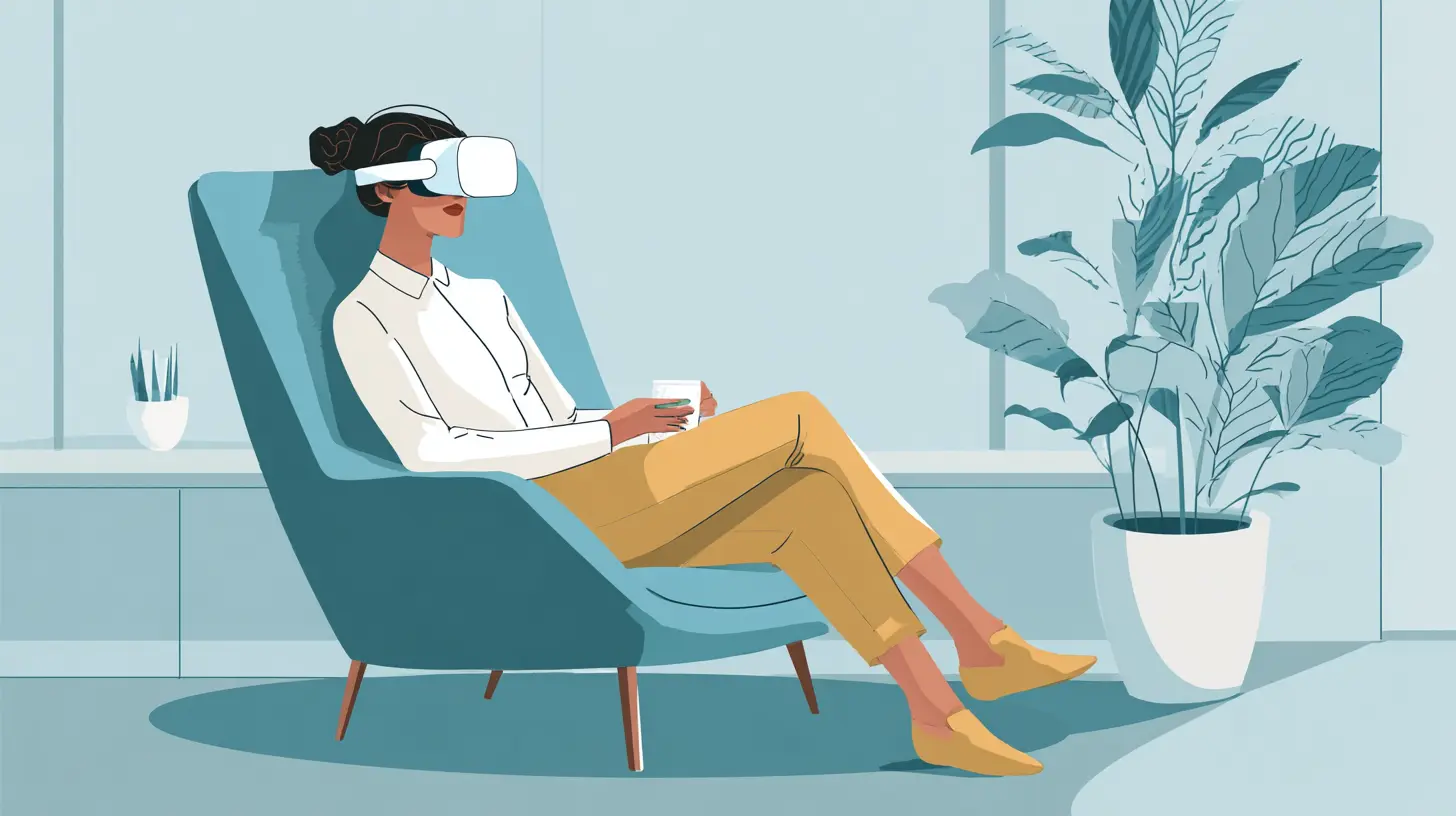
In 2023, VR headsets were bulky, expensive, and gave you a headache after 30 minutes. By 2026, the average headset weighs less than a pair of ski goggles. Battery life hits 8 hours. Eye-tracking and facial expression mapping are standard. Your avatar doesn't look like a cartoon-it mirrors your actual frown, smile, or raised eyebrow. You can wear it for a full workday without feeling like you're in a sauna. And for those who hate headsets? Spatial audio and high-fidelity webcams on laptops now let you jump into a 3D space without putting anything on your face. The barrier to entry is practically zero.
2. The Software Got Smart
The early virtual office platforms were gimmicky. You had a floating head in a white room. It felt like a video game for accountants. Now, the software is built for workflow. You can drag and drop a Google Doc onto a virtual table, and everyone can edit it in real-time. You can pin a whiteboard to the wall, draw mind maps, and save them instantly to your cloud. The environment adapts to your company's brand-your office can look like a sleek Silicon Valley startup, a cozy library, or a spaceship if that's your vibe. It's not just a chat room; it's a productivity engine.
3. The Hybrid Reality
Here's the key insight: the virtual office doesn't kill the physical office entirely. It kills the need for a physical office for everyone. In 2026, most companies use a hybrid-virtual model. You might have a physical HQ for client meetings, team retreats, and hands-on work. But Tuesday through Thursday? Everyone logs into the virtual space. It's cheaper. It's greener. And it allows companies to hire talent from anywhere on the planet without worrying about time zones or relocation costs.

What a Day in a Virtual Office Actually Looks Like
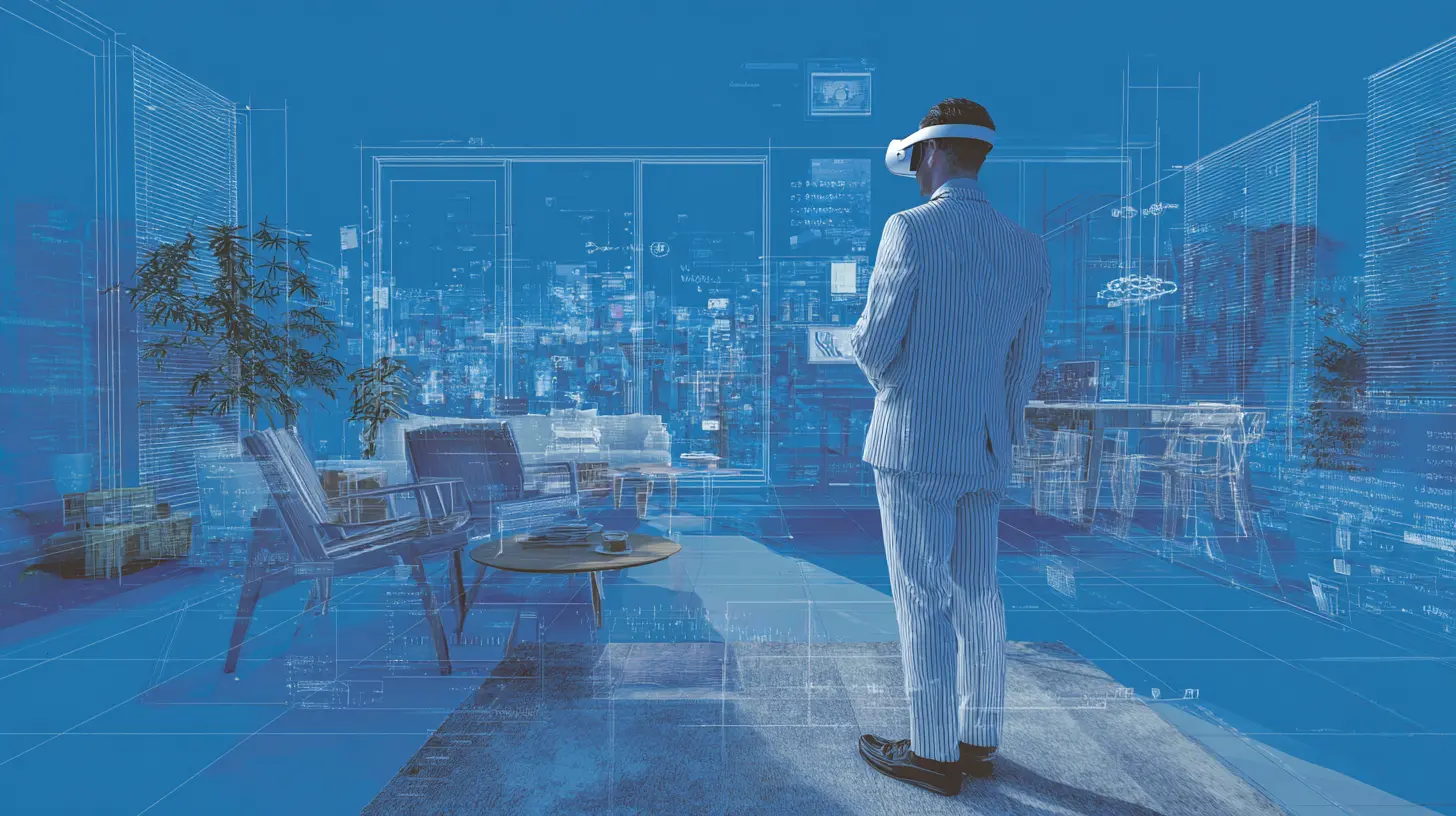
Let me paint you a picture. It's 9 AM on a Wednesday in 2026. You wake up, roll out of bed, and grab coffee. You don't put on a suit. You don't even put on pants (let's be real). You open your laptop, put on your lightweight headset, and click "Enter Office."You appear in the lobby. There's a digital receptionist (a friendly AI bot) that greets you by name. You see a list of who's online. Your teammate from Berlin is already at her desk. You walk over-literally using your thumbstick or hand gestures-and say, "Hey, how was the presentation yesterday?" She turns, and her avatar smiles. You can hear her voice coming from the direction she's standing. It's natural.
You head to the "project room." It's a glass-walled conference space overlooking a digital mountain range. You and three other colleagues pull up a shared Figma board on the wall. You point at a design element, and your avatar's hand appears in the air. "Move that button to the left," you say. Someone draws a circle around it. The meeting ends in 15 minutes-no wasted time, no awkward "you're on mute." You walk back to your desk, put on some focus music (which only you can hear), and crush three hours of deep work.
At noon, you get a notification: "Team Lunch in the Break Room." You teleport there. Your avatars sit around a digital table. Everyone's eating their actual lunch in their real kitchens, but you're all chatting, laughing, and complaining about the same project. It feels real. That's the whole point.
The Hidden Benefits You Didn't Expect
People assume virtual offices are just about saving money on rent. That's part of it, sure. But the real wins are more subtle.Inclusion for Introverts
In a physical office, the loudest voices dominate. The shy guy in the corner never gets a word in. In a virtual space, everyone has equal presence. You can raise a digital hand, or chat privately. Some platforms even allow "spatial whispering"-you can have a side conversation without interrupting the main group. It's a quieter, more democratic way to collaborate.
Global Talent, Local Hours
Your company can hire a brilliant developer from Nigeria, a designer from Brazil, and a marketer from Japan. You don't need to fly them anywhere. The virtual office is always open. And because it's asynchronous-friendly, you can leave a voice memo on your colleague's desk that they can play when they log in. Time zones become a feature, not a bug.
No More "Zoom Fatigue"
Wait, isn't this just Zoom in 3D? No. Zoom fatigue comes from staring at your own face for hours and the lack of physical presence. In a virtual office, you don't see your own face unless you check a mirror. You see the environment. Your brain treats it as a place, not a call. Studies in 2025 showed that workers in virtual offices reported 40% less fatigue than those on traditional video calls. Your brain actually relaxes because it feels like you're sharing a space, not performing for a camera.
The Dark Side Nobody Talks About (Honestly)
I'm not here to sell you a utopia. Virtual offices have problems. Let's talk about them.The Avatars Can Be Creepy
Even with better facial tracking, avatars still fall into the uncanny valley. When someone's smile is slightly off, or their eyes don't blink naturally, it can be unsettling. Some people hate it. They prefer a simple voice call. That's fine. The best virtual offices let you toggle between full immersion and a flat 2D view. You don't have to be in VR if you don't want to.
The Digital Divide
Not everyone has a powerful PC or a $400 headset. In 2026, the tech is cheaper, but it's still a barrier. Companies that adopt virtual offices need to subsidize hardware for employees. If they don't, you end up with a two-tier system: the "rich" employees in the immersive space, and the "poor" ones stuck on a flat screen. That's a real management challenge.
The Burnout Risk
When your office is always in your living room, you never truly leave. In a physical office, you walk out the door and the work stops. In a virtual office, you can log back in at 10 PM to check something. The boundaries blur. Smart companies enforce "closing hours" where the virtual office locks. But not everyone does. You have to be disciplined.
Who's Already Doing It?
By 2026, it's not just tech startups. I've seen accounting firms, law practices, and even a hospital's administrative team run their daily operations in virtual spaces. One real estate company I know of has a virtual office that looks exactly like their physical building-right down to the fake plants. They use it for training new agents. It's cheaper than flying everyone to headquarters.The big players are in on it too. Meta, Microsoft, and a handful of smaller startups like Teamflow and Spatial have been iterating hard. But the most interesting move comes from the open-source community. There are now decentralized virtual offices built on blockchain tech, where your avatar and your data belong to you, not the company. You can take your digital identity from one office to another. That's a radical shift from the walled gardens of the 2020s.
How to Get Started (Without Going Broke)
You don't need to buy a $3,000 VR rig to try this. Here's my honest advice for 2026:1. Start with a 2D virtual office. Platforms like Gather or Teamflow work on a regular laptop. You see a pixel-art office, walk around, and talk to people. It's low-stakes and fun.
2. Test with one team. Don't roll it out to the whole company. Pick a small project team and have them use the virtual space for one sprint. See if they like it.
3. Buy one headset for the team lead. If the team lead uses a headset, they can model the behavior. Others can join on their laptops. It's a gentle ramp.
4. Set ground rules. No logging in after 6 PM. No mandatory avatar face time. Let people opt out if they prefer a phone call. The tool should serve the humans, not the other way around.
The Future: Beyond 2026
I think we're just scratching the surface. By 2027, I expect haptic gloves to become common. You'll be able to shake hands virtually, or feel the weight of a digital object. By 2028, the line between "virtual" and "physical" will blur even more. Imagine a digital whiteboard that syncs with a physical whiteboard in your boss's home office. You draw on your tablet, and it appears there.But the core idea is already here: the virtual office is a place, not a tool. It's where relationships are built, decisions are made, and culture is formed. It's not about escaping reality; it's about expanding what reality can be.
So, are you ready to walk into your office without putting on shoes? Because that future is already here. The question isn't whether you'll adopt a virtual office. It's whether you'll build one that actually works for your people. The technology is ready. Are you?
all images in this post were generated using AI tools
Category:
Tech For Remote WorkAuthor:

Ugo Coleman
Discussion
rate this article
2 comments
Nell Lane
In the dawn of 2026, virtual spaces bloom, where connection thrives beyond walls. Freedom unfolds, and creativity dances in the digital air...
August 28, 2026 at 10:41 AM
Flora Robinson
The rise of virtual offices in 2026 reflects a significant shift in work culture. Companies are prioritizing flexibility and cost efficiency, while workers enjoy better work-life balance. However, this trend may also lead to challenges in team cohesion and communication that need to be addressed for sustained success.
May 25, 2026 at 3:34 AM
Ugo Coleman
You make a great point. While virtual offices offer flexibility and cost savings, we must find ways to maintain strong connections and communication among teams to ensure long-term success.