The Role of AI in Predicting Space Weather Events
20 March 2026
Space: the final frontier. It’s vast, mysterious, and unbelievably beautiful. But did you know that space weather—yes, weather beyond Earth—is something we need to keep a close eye on? Events like solar flares, coronal mass ejections (CMEs), and geomagnetic storms can wreak havoc on our satellites, power grids, and even everyday communication systems.
So how do we predict these cosmic tempests? Enter Artificial Intelligence (AI). AI is revolutionizing the way we monitor and forecast space weather events, helping scientists make faster, more accurate predictions. In this article, we’ll break down how AI is being used to safeguard our world from unpredictable solar tantrums.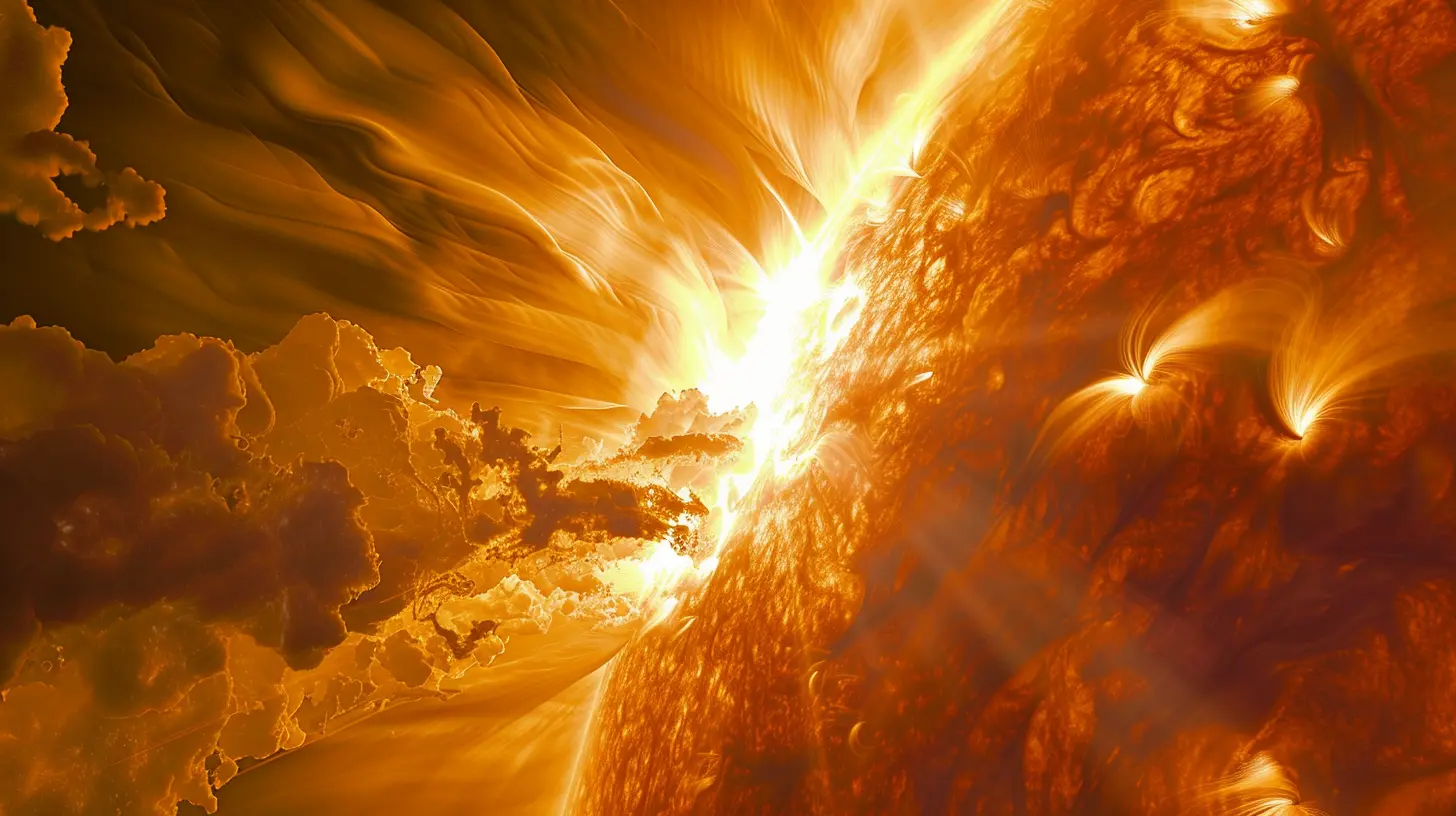
What Is Space Weather and Why Does It Matter?
Imagine waking up one day to find that your GPS isn’t working, your internet is down, and power grids are failing globally. Sounds like something out of a sci-fi movie, right? Well, that’s exactly what an extreme space weather event could do.Space weather refers to the conditions on the Sun and in space that can affect Earth’s technology and human activities. The main culprits? Solar flares and CMEs—huge bursts of solar energy and particles that shoot out from the Sun and slam into Earth’s magnetosphere.
While Earth’s magnetic field does a pretty good job of shielding us, strong solar storms can still cause serious disruptions:
- GPS systems can fail, affecting aviation, military operations, and even ride-sharing apps.
- Power grids can overload, leading to blackouts.
- Satellites can get damaged or knocked out, affecting everything from phone service to weather forecasting.
- Astronauts and space missions can face dangerous radiation exposure.
Simply put, space weather is not just a problem for scientists—it’s something that affects every single one of us.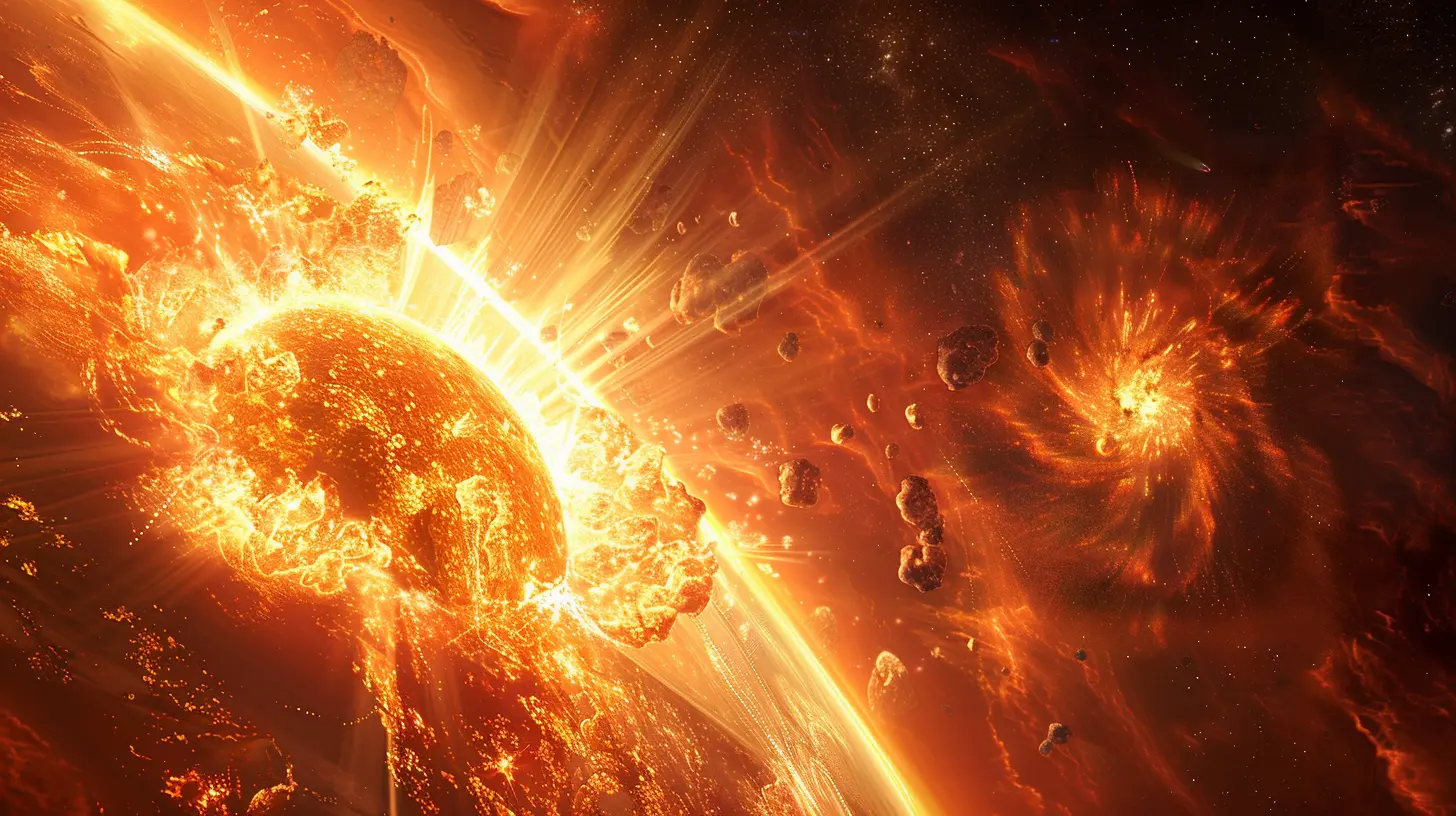
The Need for Better Space Weather Predictions
Predicting space weather is incredibly challenging. Unlike Earth-based weather forecasts, where we have thousands of weather stations and satellites feeding us real-time data, space is—well—massive. Observing and predicting solar activity requires monitoring the Sun, Earth's magnetosphere, and interplanetary space all at once.Traditional forecasting models rely on physics-based simulations and historical data. While these methods have been somewhat effective, they lack real-time accuracy. Scientists need faster, more precise tools to predict when and where a solar storm might hit. That’s where AI steps in.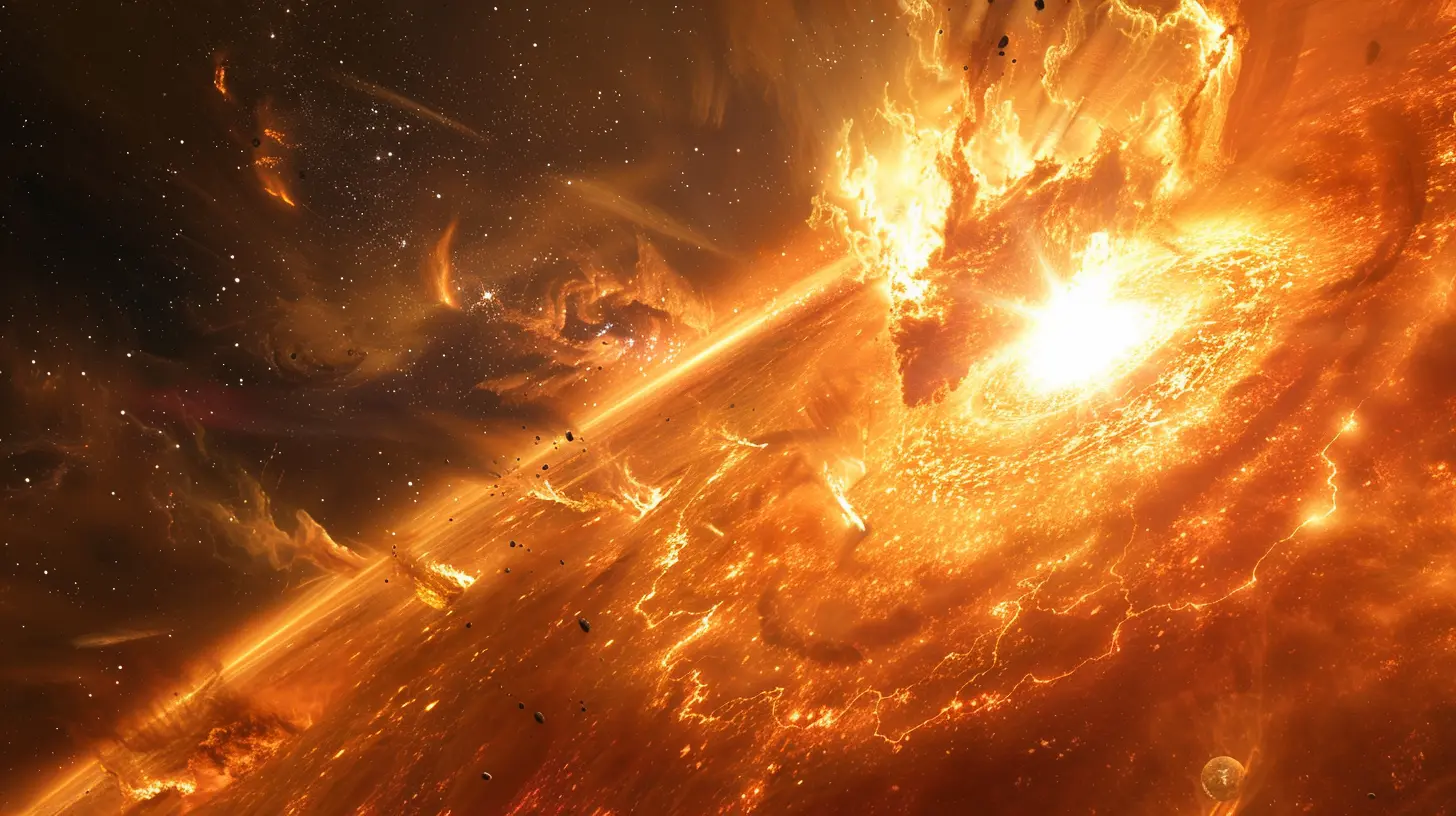
How AI Is Transforming Space Weather Forecasting
AI and machine learning are game-changers when it comes to space weather predictions. These technologies excel at rapidly processing vast amounts of data, recognizing patterns, and making predictions with high accuracy. Below are some key ways AI contributes to forecasting space weather events:1. AI-Powered Solar Image Analysis
The Sun is a chaotic beast, constantly changing and erupting with solar flares. AI models trained on images from telescopes, such as NASA’s Solar Dynamics Observatory (SDO), can analyze millions of solar images in real time to detect early signs of solar activity.Think of it like facial recognition for the Sun! AI can spot sunspots, magnetic field changes, and plasma dynamics to determine if a solar eruption is imminent. This allows scientists to issue warnings before an event happens.
2. Predicting Coronal Mass Ejections (CMEs)
CMEs are massive bursts of solar plasma that can travel at millions of miles per hour. Predicting when and where they’ll hit Earth is tricky. Traditional models rely on physics simulations, but AI can do this faster by learning from past events.Using deep learning algorithms, AI can analyze solar wind data and historical CME events to forecast the probability of a new CME striking Earth. This not only improves accuracy but also provides earlier warnings, giving us more time to prepare.
3. Improving Solar Wind Forecasting
Solar wind is a stream of charged particles ejected from the Sun. When it interacts with Earth’s magnetic field, it can cause geomagnetic storms, disrupting communication and navigation systems.AI models use real-time satellite data to predict changes in the solar wind with incredible precision. By recognizing patterns in solar wind behavior, AI helps forecasters determine the potential impact on Earth’s systems. This ensures better preparedness for industries that rely on stable communication and GPS networks.
4. Enhancing Geomagnetic Storm Predictions
Geomagnetic storms occur when solar particles interact with Earth’s magnetic field. The strength and duration of these storms determine how disruptive they can be. AI can assess past storm data and current solar conditions to predict geomagnetic storm intensity.These models are already helping power grid operators and satellite companies take precautionary measures, reducing the risk of widespread outages and damage. 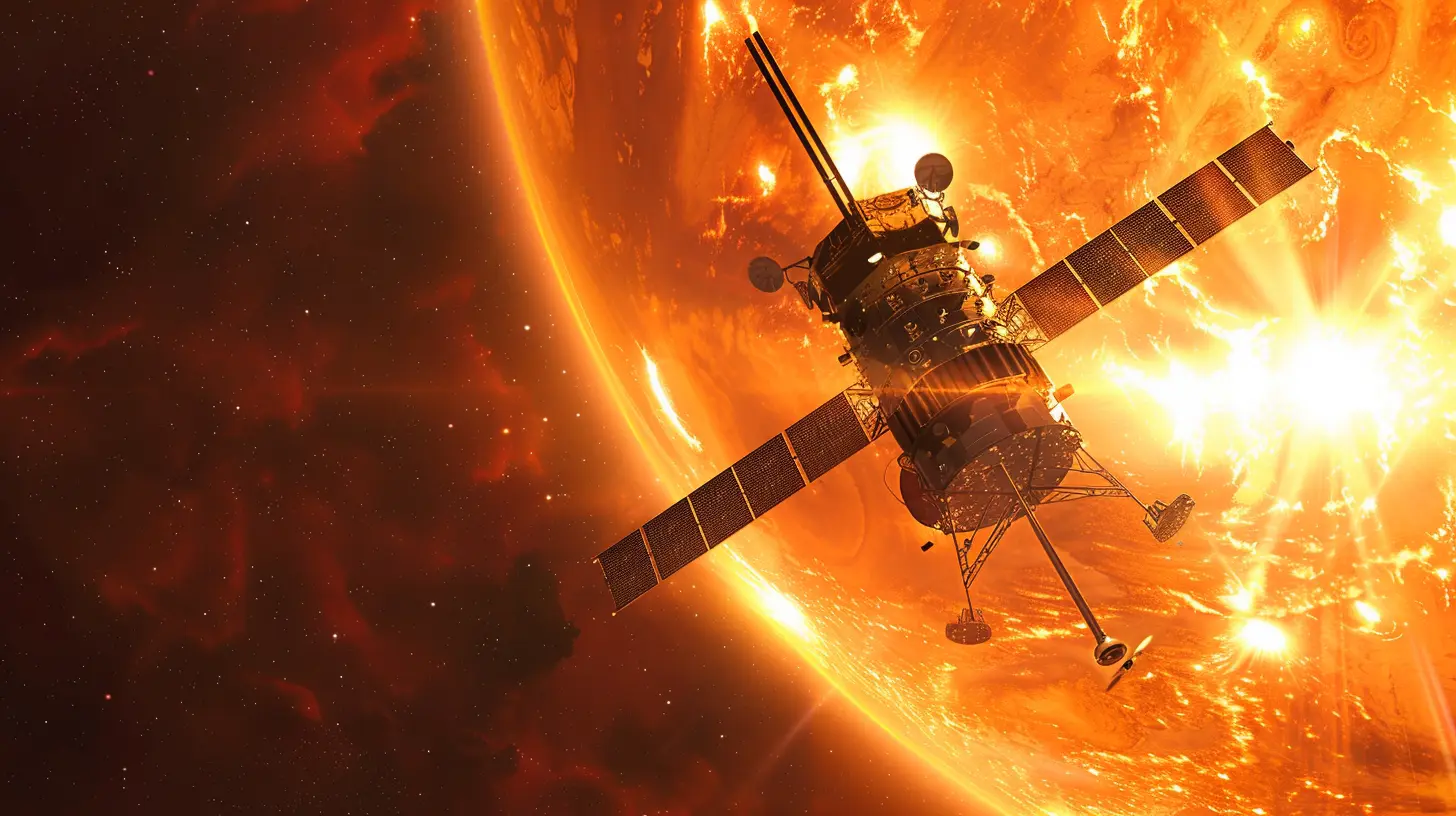
NASA, NOAA, and AI: A Powerful Trio
Space agencies around the world are now leveraging AI to improve space weather forecasting. NASA and the National Oceanic and Atmospheric Administration (NOAA) are leading the charge by integrating AI into their current models.- NASA’s Helio Big Data Project uses AI to analyze solar data and predict eruptions.
- NOAA employs machine learning algorithms to improve real-time space weather forecasts.
- The European Space Agency (ESA) has also jumped on board, using AI to enhance their space weather monitoring systems.
With AI’s growing role, we’re now getting faster and more reliable predictions, helping industries and governments take proactive measures against space weather threats.
What’s Next? The Future of AI in Space Weather
AI is still evolving, and its potential in space weather forecasting is just beginning to unfold. Here’s what the future might hold:1. More Sophisticated AI Models
As AI algorithms continue to improve, they’ll be able to predict space weather events with even higher accuracy, potentially days in advance.2. Real-Time AI Processing on Satellites
In the future, AI-powered satellites might analyze and transmit critical space weather data in real-time, reducing delays in forecasting.3. AI-Driven Space Weather Apps
Imagine having a space weather app on your phone that alerts you about upcoming solar storms, just like a regular weather forecast! AI could make this a reality.4. Commercial AI Use
Industries like telecommunications, aviation, and energy may start using AI-driven space weather insights to protect their infrastructure from solar disruptions.Final Thoughts
AI is no longer the stuff of science fiction—it’s here, and it’s changing the way we understand and predict space weather. By harnessing the power of machine learning, scientists can now anticipate solar storms with greater accuracy, giving us a fighting chance to protect our technology and daily lives from cosmic disruptions.As AI continues to evolve, space weather forecasting will only get better, helping safeguard our increasingly tech-dependent world. So, the next time you check your GPS or send a text message, remember—somewhere out there, AI is keeping an eye on the Sun, making sure our world stays connected and running smoothly.
all images in this post were generated using AI tools
Category:
Space TechnologyAuthor:

Ugo Coleman
Discussion
rate this article
2 comments
Dolores McGovern
While AI enhances space weather predictions, reliance on algorithms must be balanced with human expertise to ensure safety and accuracy.
March 29, 2026 at 3:31 AM
Ugo Coleman
Absolutely, balancing AI with human expertise is crucial for accurate and safe space weather predictions. Both elements complement each other effectively.
Lara Dorsey
AI's potential in predicting space weather is promising, but we must address ethical concerns and data limitations.
March 23, 2026 at 4:19 AM
Ugo Coleman
Thank you for your insightful comment! Addressing ethical concerns and data limitations is crucial for harnessing AI's full potential in space weather prediction while ensuring responsible use.