The Role of AR in Enhancing Museum and Art Gallery Experiences
21 February 2026
Museums and art galleries have long been places of wonder, where people can immerse themselves in history, culture, and creativity. But let's be honest: not everyone feels the same thrill at the sight of ancient artifacts or an abstract painting. Some might find it hard to connect with static exhibits, and that’s totally understandable.
However, what if I told you that augmented reality (AR) is changing that? Yep, AR is bringing exhibits to life and enhancing the way we experience museums and art galleries. It’s like adding a new layer of magic on top of what's already there. In this article, we’ll dive into how AR is transforming these cultural spaces and why it’s something you should be excited about.

What is Augmented Reality (AR)?
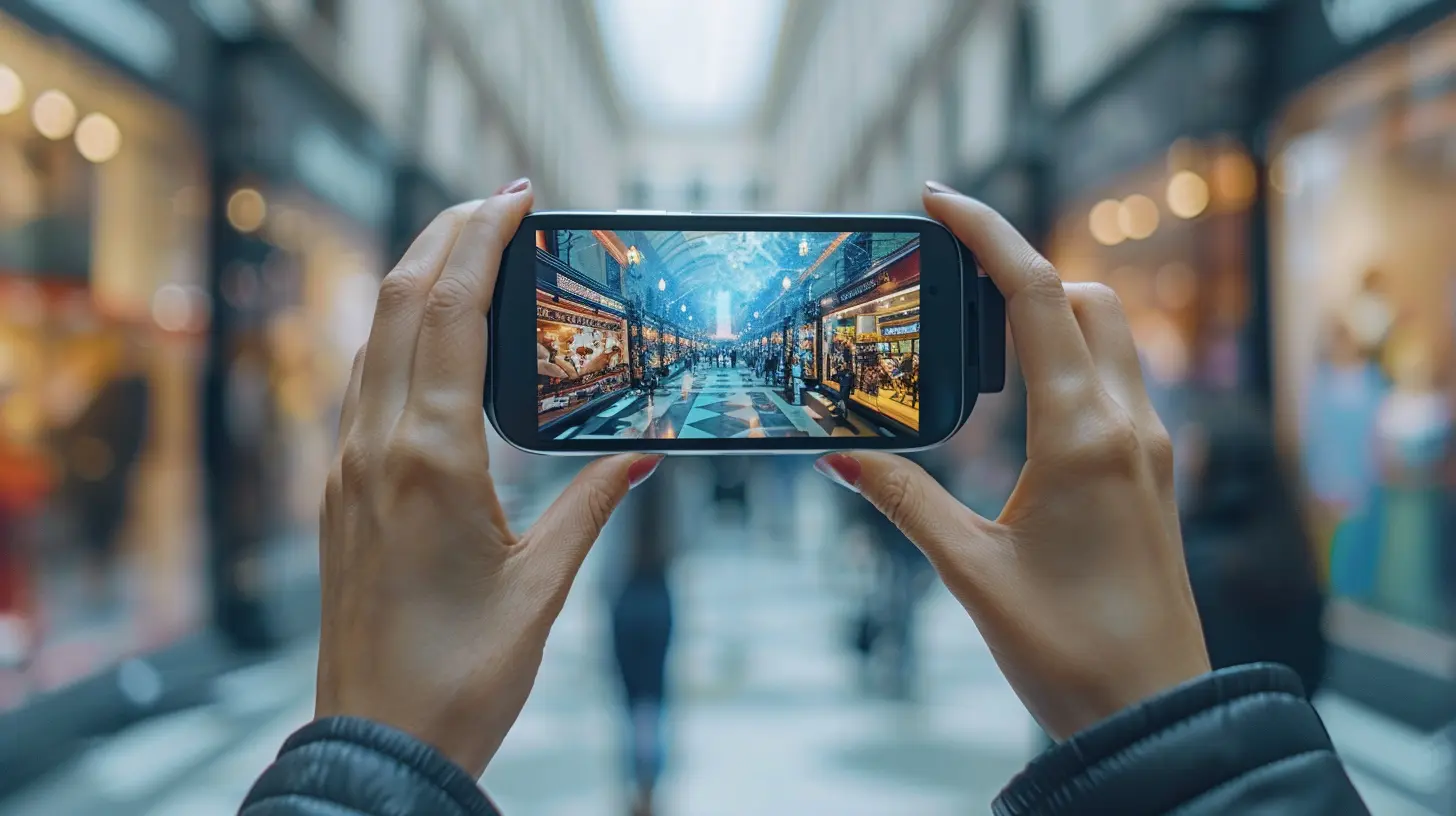
Before we get too deep into how AR is improving museum and gallery visits, let’s take a moment to break down what AR actually is. Augmented reality, in the simplest terms, is a technology that overlays digital information—like images, sounds, or other sensory enhancements—on the real world.Think of it this way: you’re looking at a painting in a gallery, and then you use your smartphone or AR glasses to see additional content that appears on top of the painting. Maybe it’s a 3D model of how the artwork was created, or perhaps there’s a video of the artist explaining their process. The key element here is that AR enhances your current environment rather than replacing it (which is what virtual reality, or VR, does).
Why Museums and Galleries Are Turning to AR
Bridging the Gap Between the Past and the Present
One of the biggest challenges museums face is making historical artifacts and old art relatable to modern-day visitors. Sure, there’s a lot to learn from ancient Egyptian relics, but it can be hard to connect emotionally with something so far removed from today’s world. AR helps to bridge that gap.Imagine standing in front of a fossil and, with the help of AR, watching a simulation of the dinosaur it came from in action. You’re no longer just staring at a bone—you’re seeing the creature in the context in which it lived. It’s like time travel, but without any of the paradoxes.
Making Art and History More Interactive
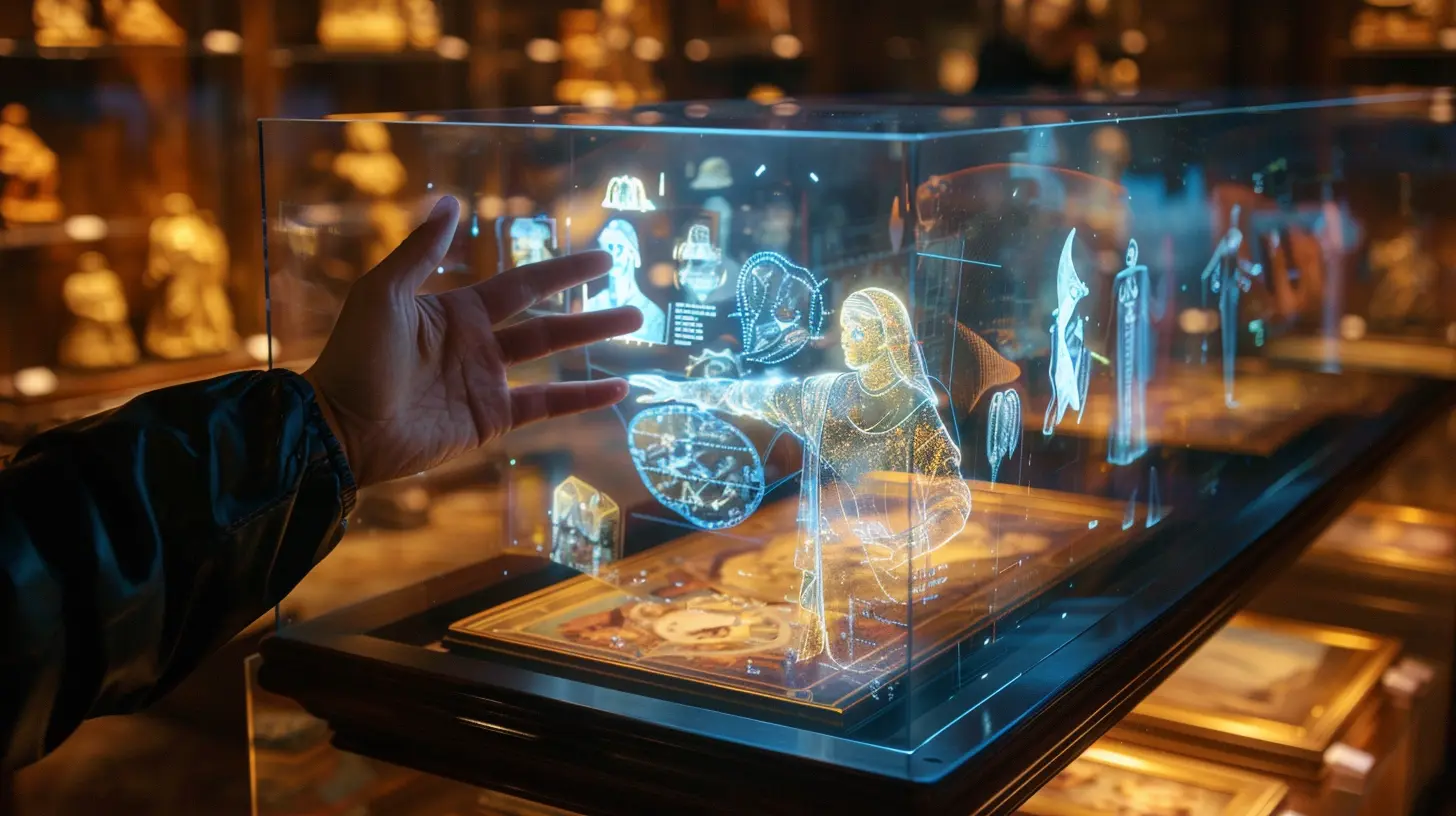
Let’s face it: staring at paintings and reading plaques can get a bit monotonous. Sometimes, it feels like you’re just passively consuming information. AR flips this dynamic on its head by allowing visitors to interact with the exhibits.For example, some museums have started using AR apps that let you scan a painting, revealing hidden layers of the artwork. You could see sketches the artist made before completing the final version, or even X-ray views that show what’s underneath the surface. It’s almost like peeling back the layers of a creative onion.
Engaging a Younger Audience
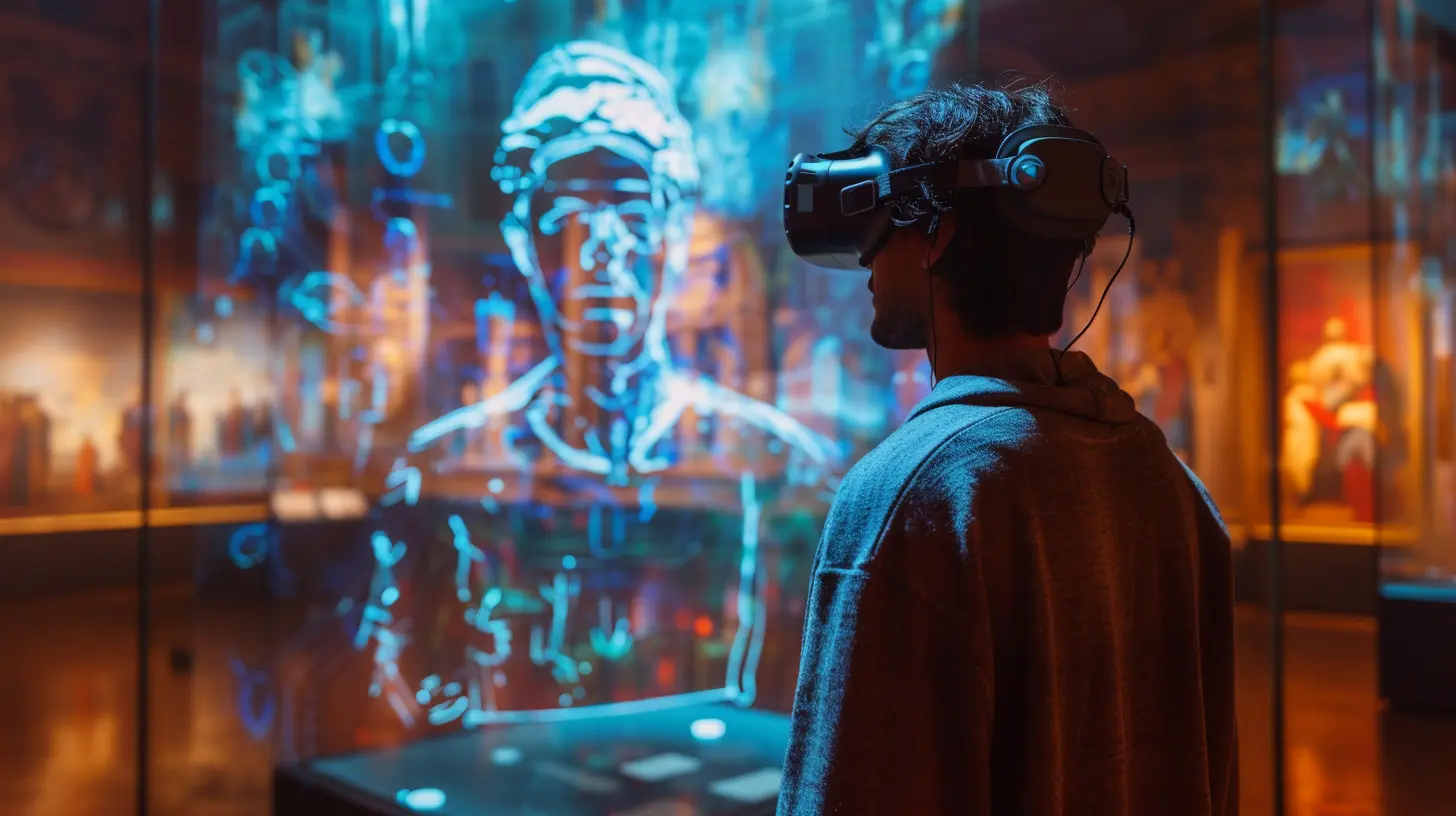
If you’ve ever tried taking kids to a museum, you know it can be a bit of a challenge to keep them engaged. They might not be interested in staring at a bunch of dusty artifacts or abstract art pieces. But AR? That’s a game-changer.With AR, museums can create interactive treasure hunts, gamified experiences, or even animated characters that guide younger visitors through the exhibits. Not only does this make the experience more fun, but it also helps kids retain what they’ve learned. After all, who wouldn’t want a holographic knight or an animated Van Gogh as their tour guide?
How AR is Currently Being Used in Museums and Galleries
1. Virtual Tours and Guided Experiences
Remember when visiting a museum meant renting an audio guide that you held to your ear like an old-school phone? Well, AR is making those clunky devices a thing of the past. Now, AR apps provide guided tours with rich multimedia content.Take, for example, The British Museum’s use of AR. Through an app, visitors can not only get detailed descriptions of the exhibits but also see 3D reconstructions of ancient ruins, watch videos of historical events, or even view animations of how objects were used in daily life centuries ago.
2. Immersive Historical Reenactments
Ever visit a historical site and wish you could see what it looked like in its prime? AR can make that happen.The National Museum of Singapore, for instance, uses AR to bring historical events to life. Visitors can point their smartphones at certain artifacts and watch reenactments of pivotal moments in history unfold right before their eyes. You’re no longer just reading about history—you’re watching it come alive.
3. Interactive Art Installations
Art galleries are also getting in on the AR action. Some modern artists are creating pieces that are designed to be experienced with AR. For instance, an art piece might look like a simple sculpture at first glance, but when viewed through an AR app, it could transform into a dynamic, ever-changing digital piece.This melding of physical and digital art can create a more layered and complex viewing experience. Take the work of artist Olafur Eliasson, who created an AR project called "WUNDERKAMMER," where users can place and interact with digital objects in their own real-world environments. It's like having a personal art exhibit that merges with your surroundings.
4. Enhancing Accessibility for All
One of the most beautiful aspects of AR is that it can make museums and galleries more accessible. For example, people with visual impairments can use AR apps that describe the artwork or artifacts in detail. Some apps even provide tactile feedback, allowing users to "feel" elements of the exhibit through specialized devices.Additionally, AR can offer real-time translations of exhibit information for non-native speakers. Language barriers? Consider them broken.
The Future of AR in Museums and Art Galleries
Although AR is already making waves in museums and galleries, the technology is still in its early stages. So, what’s next?1. AR Glasses and Wearables
Right now, most AR experiences require the use of a smartphone or tablet. But in the near future, AR glasses could become more mainstream, allowing visitors to have hands-free, immersive experiences. Imagine walking through a museum while wearing lightweight glasses that instantly display additional info about each exhibit, without needing to pull out your phone. It’s like having a personal tour guide embedded in your eyewear.2. Personalized AR Experiences
As AR technology advances, it’s likely that museums will start offering more personalized experiences. For example, upon arrival, you could input your interests—say, Renaissance art or dinosaur fossils—and the AR app could curate a custom tour just for you. It could even offer suggestions based on your preferences, much like how Netflix recommends shows based on your viewing habits.3. Collaborative AR Art
The future of AR may also include collaborative art projects where visitors can contribute to a piece using AR tools. Imagine visiting a gallery where you can digitally "paint" parts of a mural that everyone else can see through their AR devices. It’s a blend of individual expression and collective creativity, pushing the boundaries of what art can be.Challenges and Considerations
While AR is undoubtedly a powerful tool for enhancing museum and gallery experiences, it’s not without its challenges. For one, the cost of developing high-quality AR apps and content can be prohibitive for smaller institutions. Additionally, not all visitors may have access to the necessary devices, such as smartphones or AR glasses, which could limit the inclusivity of these experiences.There’s also the question of whether AR might detract from the physical exhibits themselves. After all, museums are about appreciating real-world artifacts and art. Will the digital overlays take away from that experience? It’s a balancing act that museums and galleries will need to carefully manage as AR becomes more prevalent.
Conclusion: AR is Revolutionizing Cultural Spaces
Augmented reality is more than just a trendy tech gimmick—it’s a transformative tool that’s reshaping the way we experience museums and art galleries. From bringing history to life to making art more interactive, AR is creating richer, more engaging experiences for visitors of all ages.Whether you’re a history buff, an art aficionado, or just someone looking for a more dynamic museum trip, AR has something to offer. So next time you visit a museum or gallery, don’t just look at the exhibits. Bring them to life with AR and see the magic unfold.
all images in this post were generated using AI tools
Category:
Augmented RealityAuthor:

Ugo Coleman
Discussion
rate this article
2 comments
Vera Weber
This article beautifully highlights how AR can transform our museum and gallery visits, making art more accessible and engaging. It’s exciting to think about the immersive experiences that technology can offer, bridging the gap between history and modern audiences. Thank you!
March 3, 2026 at 4:17 AM
Ugo Coleman
Thank you for your thoughtful comment! I'm glad you found the article inspiring and appreciate your enthusiasm for the potential of AR in enhancing cultural experiences.
London Gonzalez
AR transforms art interactions, making history immersive and engaging.
February 21, 2026 at 8:19 PM
Ugo Coleman
Thank you! AR indeed revolutionizes how we connect with art, allowing for deeper engagement and a more immersive understanding of history.