The Role of Mobile Apps in Shaping the Future of Healthcare
8 February 2026
Let’s be real—our smartphones are basically glued to our hands. We use them to shop, bank, connect, and even meditate. So, it’s no surprise they’re also playing a huge role in transforming healthcare as we know it. From booking doctor appointments with a few taps to tracking vitals 24/7, mobile apps are not just digital accessories anymore— they’re becoming essential tools in managing health and wellness.
In this article, let’s dive into how mobile apps are shaping the future of healthcare, why that matters to you and me, and where this tech-powered train is headed next.
A New Era of Healthcare Is Here (And It’s in Your Pocket)
Think back 10 or even 5 years ago—how often were you using your phone to manage your health? Probably not much. Fast forward to now, and you’ve got apps for everything: fitness tracking, mental health, telehealth, medication reminders, diet plans, and even remote diagnostics.Healthcare has shifted from being clinic-centered to becoming patient-centered—and apps are a huge driving force behind that change.
No More Waiting Rooms (Thanks, Telehealth)
Remember when seeing a doctor meant taking half a day off work? Enter mobile apps with telemedicine features. Now, you can talk to a healthcare provider from the comfort of your couch while wearing pajama pants. Telehealth apps like Teladoc, Amwell, and MDLIVE are making this the norm.These apps connect patients and doctors via video calls, chats, or voice calls. It’s healthcare on-demand, just like binge-watching your favorite series.
Real-Time Health Tracking Is the New Normal
Wearables and their companion apps are another game-changer. Whether it’s an Apple Watch, Fitbit, or any smart wearable, they monitor everything from heart rate to sleep patterns. But here’s the kicker—these devices sync with mobile apps to track and analyze data in real-time.This isn’t just cool tech. It’s giving users early warnings about potential health issues. A spike in heart rate? Low oxygen levels? These apps don’t just track—they alert.
Mobile Apps Are Empowering Patients
Healthcare used to be something that happened to us. Now, it’s something we actively participate in. Mobile health (mHealth) apps are turning patients into empowered decision-makers.Knowledge Is Power (And It’s in the App Store)
Health apps are making medical information more accessible than ever. You don’t need a medical degree to understand what’s going on with your own body. Apps like WebMD and HealthTap offer symptom checkers, personalized recommendations, and access to professional advice.Let’s face it—Googling symptoms usually leads to panic. These apps cut the noise and focus on providing verified, digestible info.
Medication Adherence? There’s an App for That
Taking meds on time can be tough, especially for people with chronic conditions. Mobile apps are stepping in to help with medication tracking, reminders, and even alerts about potential drug interactions. Apps like Medisafe are improving adherence rates and, ultimately, health outcomes.Think of it like a virtual nurse in your pocket, gently nudging you to stay on track.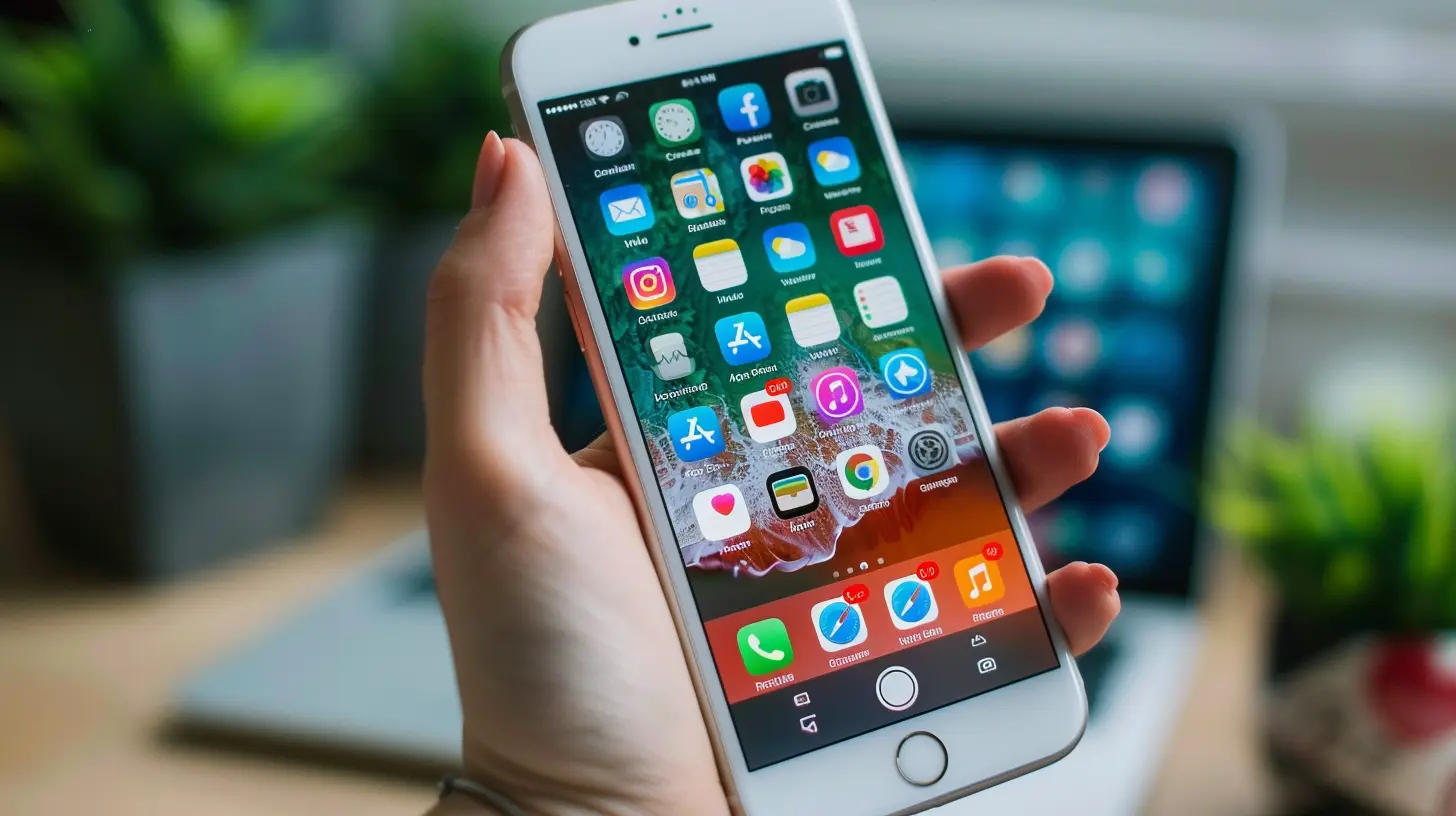
Bridging the Gap Between Doctors and Patients
The relationship between doctors and patients is evolving, thanks in part to mobile apps. This tech isn’t replacing healthcare professionals—it’s enhancing how they deliver care.Electronic Health Records (EHR) Access on the Go
With apps linked to EHR systems, patients now have real-time access to their medical history, lab results, prescriptions, and more. It’s like having a mini health resume on your phone. Apps like MyChart are making this more common.This transparency encourages better collaboration between patients and doctors, making conversations more informed and efficient.
Better Monitoring for Chronic Conditions
For people managing diabetes, hypertension, asthma, or heart disease, mobile apps are making life easier. These apps track readings, monitor symptoms, and even generate reports that can be shared with doctors instantly.Imagine getting feedback on your blood pressure from your doctor without even stepping foot in the clinic. Now, that’s modern medicine.
Mental Health Support Is Now Mobile
Mental health has finally started getting the attention it deserves. And mobile apps are playing a key role in this shift.On-Demand Therapy and Counseling
Apps like BetterHelp and Talkspace connect users with licensed therapists via text, voice, or video—breaking down barriers like cost, stigma, and accessibility. You don’t need to wait weeks for an appointment or sit awkwardly in a waiting room.It’s therapy on your terms, whenever and wherever you need it.
Mindfulness and Meditation: Calm in Your Pocket
Apps like Calm and Headspace have made mindfulness mainstream. With guided meditations, breathing exercises, and sleep aids, they’re helping users manage stress, anxiety, and insomnia. Mental wellness has never been more accessible.Revolutionizing Public Health and Epidemic Management
During the COVID-19 pandemic, mobile apps became essential tools for tracking the virus, notifying users of exposure, and disseminating public health updates.Contact Tracing Apps
Apps like COVID Alert and Arogya Setu showed how powerful mobile tech can be in real-time crisis situations. They tracked the spread, warned exposed individuals, and reduced transmission—all without overcrowding hospitals.Vaccination Schedules and Records
Many countries introduced vaccine apps for booking appointments and storing digital vaccine certificates. Talk about convenience and efficiency.AI-Powered Healthcare Apps Are the Next Big Thing
Artificial Intelligence is already shaking up the tech world, and healthcare apps are no exception.Smart Assistants for Smarter Healthcare
Apps are incorporating AI chatbots that can assess symptoms, suggest possible conditions, and even recommend next steps. Babylon Health and Ada Health are great examples.While they don’t replace doctors, these bots offer immediate, preliminary insights that can guide users in the right direction.
Predictive Analytics for Preventive Care
AI is being used to analyze patterns across user data to predict health issues before symptoms even appear. Think of it like weather forecasting for your body.The Challenges on the Road Ahead
We can’t talk about the future without mentioning the bumps in the road. Mobile healthcare isn’t without its challenges.Data Security and Privacy Concerns
With great data comes great responsibility. Health apps gather tons of sensitive info, and data breaches can be disastrous. Developers need to prioritize end-to-end encryption, secure cloud storage, and transparency in data sharing.User Accessibility and Digital Divide
Not everyone has a smartphone, reliable internet, or the digital literacy to use these apps. If we’re truly building the future of healthcare, it needs to be inclusive—for people in rural areas, the elderly, and low-income groups.Regulatory Hurdles
Healthcare is highly regulated for a reason. Apps must meet standards for safety, accuracy, and performance, which can slow down innovation. But frankly, it’s a necessary tradeoff to protect users and maintain trust.Looking Ahead: What’s Next for Mobile Healthcare?
We’re only scratching the surface here. With 5G, IoT, wearable tech, and machine learning advancing rapidly, mobile apps are poised to become full-blown health companions. We’re talking about AI-driven diagnostics, virtual surgeries supported by AR, and hyper-personalized treatment plans.Healthcare is moving from reactive to proactive. Instead of waiting to get sick and then treating it, mobile apps will help you stay healthy and avoid illness in the first place.
Imagine receiving a ping: “Looks like your stress levels are up. Want to schedule a check-in with your therapist?” That’s the direction we’re heading—and it’s both exciting and empowering.
Final Thoughts
Mobile apps are more than just convenience tools; they’re transforming healthcare into something more human, more accessible, and more proactive. They empower us to participate in our own health journey, connect with professionals instantly, and make informed choices with real data.Sure, challenges exist. But the potential is too big to ignore. The smartphone in your hand? It might just be the most powerful tool in modern medicine.
all images in this post were generated using AI tools
Category:
Mobile AppsAuthor:

Ugo Coleman
Discussion
rate this article
2 comments
Mitchell McKnight
Mobile apps are revolutionizing healthcare by enhancing patient engagement, streamlining communication, and enabling remote monitoring. Their ability to provide real-time data and facilitate personalized treatment plans is pivotal in fostering a more efficient, accessible, and patient-centered healthcare system.
February 24, 2026 at 6:04 AM
Ugo Coleman
Thank you for your insightful comment! I agree that mobile apps are indeed transforming healthcare by improving patient engagement and enabling more personalized care.
Tiffany Good
Mobile apps in healthcare: because who wouldn’t want a virtual doctor in their pocket? Just remember, when it suggests going for a jog, it’s not judging you—it’s just trying to help you outrun those pizza cravings!
February 8, 2026 at 1:46 PM
Ugo Coleman
Absolutely! Mobile apps are like personal health companions, always ready to support and encourage healthier choices without judgment.