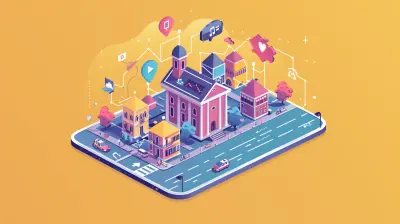
The Role of Open Source in Developing Smart Cities
13 March 2026
Smart cities are no longer just a futuristic concept. They're becoming a reality all over the world — from smart traffic lights to innovative public services, the technology we once only imagined is now transforming urban living. But there’s one thing driving this revolution that often goes unnoticed: Open Source software.
Open-source has quietly become the backbone of smart city development. It's playing a crucial role in creating flexible, scalable systems that can be adapted to the unique needs of each city. But what exactly is open source, and how is it shaping the cities of the future? Let’s dive in.

What Is Open Source?
Before we jump into the smart city aspect, let’s make sure we’re on the same page about what "open source" means. Open source refers to software whose source code is freely available for anyone to view, modify, and distribute. Unlike proprietary software (where the code is locked down and only available to the original developers), open source is like a community-driven effort—a collaborative project where anyone can contribute to improving the software.The most famous example of open source is probably Linux, the operating system used to power everything from smartphones to supercomputers. But it's not just limited to operating systems; open-source software is behind a huge range of technologies, from web browsers like Firefox to programming languages like Python.
Why Does Open Source Matter for Cities?
Okay, so open source is cool, but why should cities care? Think of it like this: Cities are complex ecosystems with countless moving parts. There’s transportation, energy management, waste disposal, public safety, utilities, and much more. Proprietary solutions often come with limitations—licensing fees, lack of flexibility, and vendor lock-in. Open source, on the other hand, offers a way to build, customize, and innovate without being tied down by a single company or platform.Here’s the kicker: With open source, cities can build the tech infrastructure they need without starting from scratch. Instead of reinventing the wheel for every project, they can tap into a global network of developers and existing solutions. This makes it easier to develop systems that are cost-effective, sustainable, and—most importantly—adaptable as the city grows and changes.

The Role of Open Source in Smart City Development
Now that we’ve covered the basics of open source, let’s get into how it’s being used to build smarter cities. From traffic management to public safety, open-source solutions are transforming how cities operate, making them more efficient, sustainable, and responsive to the needs of their citizens.1. Smart Traffic Systems
Let’s start with something we all encounter daily: traffic. Managing traffic in a bustling metropolis is no easy feat. Enter open-source platforms like OpenTraffic, which use crowdsourced data to monitor traffic flow in real-time. By collecting data from GPS devices and other sources, these systems can analyze traffic patterns, predict congestion, and even suggest alternative routes.Cities can then use this data to adjust traffic lights dynamically, reducing bottlenecks and improving the overall flow of vehicles. And because the underlying software is open source, cities can modify the platform to meet their specific needs—whether that’s integrating it with public transportation systems or using it to plan future infrastructure projects.
2. Energy Management
Smart cities need smart energy solutions, and open-source software is playing a big role here too. Platforms like OpenEMS (Open Energy Management System) allow cities to monitor and control energy usage across a variety of sources, from renewable energy to traditional power grids.By using open-source tools, cities can optimize energy consumption, integrate renewable energy sources like solar and wind, and even create microgrids that can operate independently in case of a power outage. OpenEMS, for example, provides a highly customizable platform where cities can tweak the system to manage their energy needs more effectively.
3. Public Safety and Emergency Response
In an emergency, every second counts. Open-source software is helping cities improve their public safety and emergency response systems. Take Sahana Eden, for example—an open-source disaster management platform. It helps cities coordinate relief efforts, track resources, and communicate with citizens in real-time during natural disasters or large-scale emergencies.Because it’s open source, the Sahana platform can be customized by cities to include features like real-time weather tracking, integration with local emergency services, or even mobile apps for citizens to report issues. This flexibility ensures that cities can respond quickly and effectively to emergencies, saving lives in the process.
4. Public Transportation
Public transportation is another area where open-source solutions are making a big impact. Platforms like OpenTripPlanner are helping cities improve their transit systems by providing real-time data on bus and train routes, schedules, and delays.The system can be integrated with various data sources, including GPS tracking, public transportation schedules, and even bike-sharing programs. And because it’s open-source, cities can modify the platform to include additional features like mobile ticketing or integration with ride-sharing services. This not only improves the user experience but also helps cities better manage their transit systems and reduce congestion.
5. Citizen Engagement
A smart city isn’t just about technology—it’s also about empowering citizens to get involved in the decision-making process. Open-source platforms like Decidim are providing cities with the tools they need to engage with their citizens in meaningful ways.Decidim is a participatory democracy platform that allows citizens to propose and vote on local initiatives, provide feedback on city projects, and even participate in online discussions with their local government. Because it’s open-source, the platform can be tailored to fit the unique needs of each city, whether that’s adding new features or integrating it with existing systems.
6. Data Sharing and Collaboration
One of the biggest challenges facing smart cities is the sheer amount of data they generate. From sensors monitoring air quality to cameras tracking traffic, cities are collecting more data than ever before. But all that data is only useful if it can be easily shared and analyzed.That’s where open-source platforms like CKAN come in. CKAN is an open-source data management system that allows cities to store, share, and analyze large datasets. By making their data available to the public, cities can encourage innovation and collaboration—allowing developers, researchers, and even citizens to use the data to create new solutions for urban challenges.
For example, a city might use CKAN to share real-time air quality data with researchers, who can then use that information to develop new pollution control strategies. Or, a developer might use open data to create an app that helps citizens find the best bike routes based on current traffic conditions.
7. Urban Planning and Development
Building a smart city isn’t just about managing existing infrastructure—it’s also about planning for the future. Open-source tools like QGIS (Quantum Geographic Information System) are helping cities do just that by providing powerful mapping and spatial analysis capabilities.QGIS allows cities to create detailed maps that can be used for everything from zoning and land use planning to environmental analysis. Because it’s open-source, cities can customize the platform to include the specific data and features they need, whether that’s integrating it with real-time traffic data or using it to model the impact of new development projects.

Benefits of Open Source in Smart Cities
So why are so many cities turning to open-source solutions? Here are a few key reasons:1. Cost-Effectiveness
One of the biggest advantages of open-source software is that it’s free to use. This can be a huge benefit for cities that are often working with limited budgets. Instead of spending millions on proprietary software licenses, cities can invest that money in other areas, like infrastructure or public services.2. Flexibility and Scalability
Open-source software is incredibly flexible. Because the source code is available, cities can modify the software to meet their unique needs. And as the city grows, the software can be scaled up to handle larger populations or more complex infrastructure.3. Community Support
The open-source community is vast and active. This means that cities using open-source software can benefit from the collective knowledge and expertise of developers from around the world. If a city encounters a problem, chances are someone in the community has already solved it—and if not, they can work together to find a solution.4. Innovation
Open-source encourages innovation. By making their data and software available to the public, cities can tap into the creativity of developers, researchers, and entrepreneurs who can use that information to create new solutions for urban challenges. This leads to a more dynamic, innovative approach to city management.
Challenges of Using Open Source in Smart Cities
Of course, open-source isn’t a silver bullet, and there are challenges that come with using it in smart city development.1. Technical Expertise
Open-source software often requires a higher level of technical expertise to implement and maintain. Cities may need to invest in training or hire skilled developers to manage their systems.2. Security Concerns
Because open-source software is publicly available, it can be more vulnerable to security threats if not properly managed. Cities need to ensure that they have the right security protocols in place to protect their systems from cyber-attacks.3. Lack of Standardization
One of the challenges with open-source is that there’s often a lack of standardization. This can make it difficult for cities to integrate different systems or collaborate with other cities using different software. However, many open-source projects are working to address this issue by developing common standards and protocols.Conclusion
Open source is playing a pivotal role in the development of smart cities, enabling them to build flexible, scalable, and cost-effective solutions that can adapt to the needs of their citizens. From traffic management to energy optimization, open-source platforms are helping cities tackle some of the biggest challenges of urban living.Of course, there are challenges, but with the right strategies in place, open-source can be a powerful tool for creating the cities of the future. So, next time you’re stuck in traffic or waiting for a bus, remember—open source might just be the thing making your city smarter.
all images in this post were generated using AI tools
Category:
Open SourceAuthor:

Ugo Coleman
Discussion
rate this article
2 comments
Macey Johnson
Open source is crucial for smart cities, fostering collaboration, innovation, and transparency, ultimately leading to more efficient and sustainable urban solutions.
March 17, 2026 at 3:36 AM
Ugo Coleman
Thank you for highlighting the importance of open source in smart cities! It truly enhances collaboration and drives sustainable urban innovation.
Carly Wagner
Open source fosters innovation and collaboration, essential for building efficient, adaptable smart city solutions.
March 15, 2026 at 9:04 PM
Ugo Coleman
Absolutely! Open source is a key driver of innovation and collaboration, enabling the development of flexible and efficient solutions for smart cities. Thank you for your insightful comment!