The Role of VR in Remote Client Meetings by 2027
18 May 2026
Let's be honest for a second. Have you ever sat through a Zoom meeting where you spent more time staring at your own face in the corner than actually listening to the client? Or worse, have you ever tried to explain a complex 3D model by sharing your screen and drawing red circles on a PDF? It feels like trying to describe the taste of chocolate to someone who has never eaten it. We nod, we smile, we say "looks great," but deep down, we know something is missing. That something is presence.
By 2027, the way we meet with clients remotely is going to shift under our feet. Virtual Reality is no longer a gimmick for gamers or a futuristic fantasy. It is becoming the next natural step in how we build trust, communicate ideas, and close deals without ever being in the same room. And I am not talking about clunky headsets and cartoon avatars. I am talking about a mature, accessible tool that makes you forget you are wearing a headset at all.
Why Flat Screens Are Failing Us
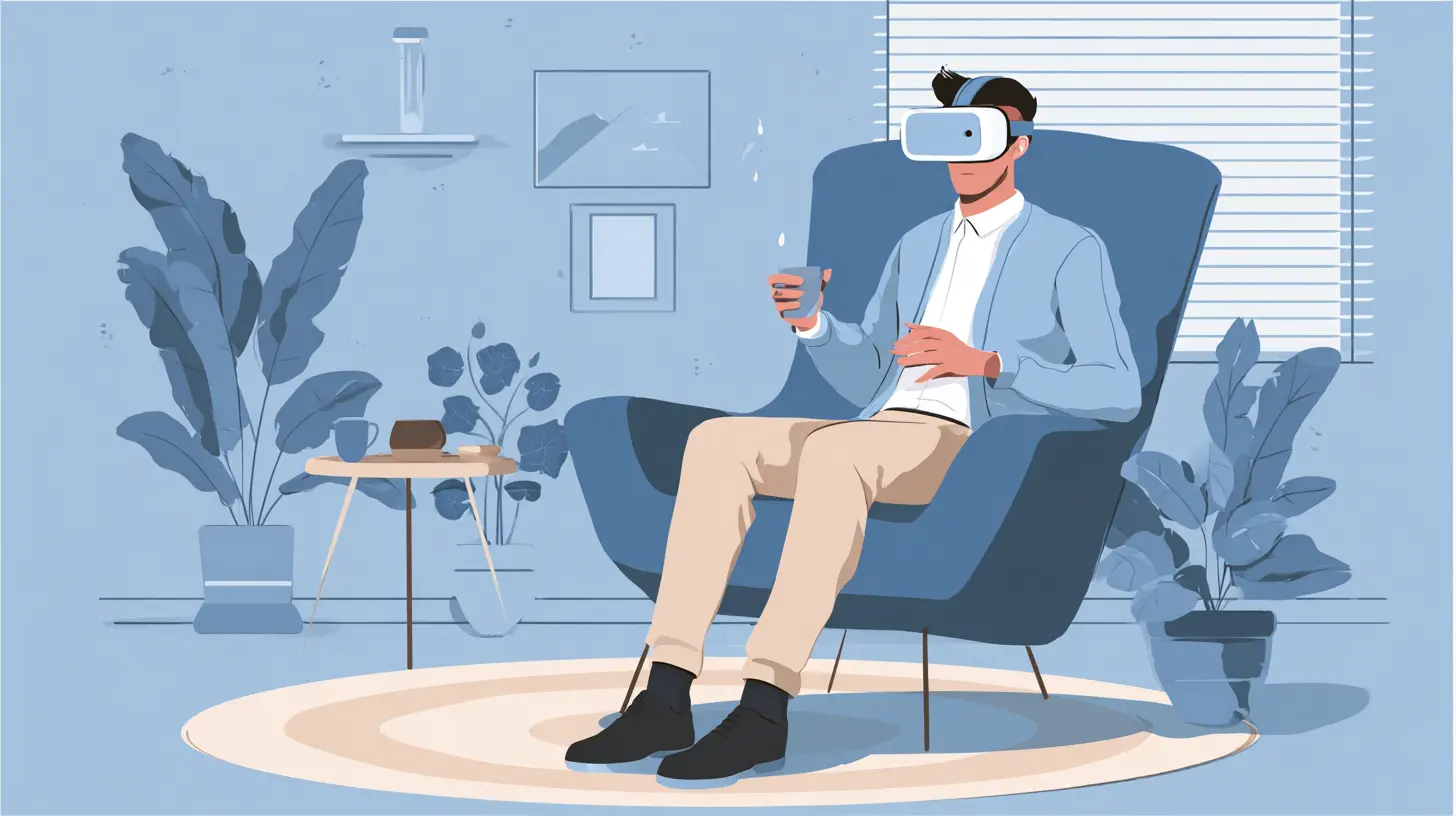
Think about the last time you had a really important client meeting. You probably dressed up from the waist up, sat in front of a laptop, and tried to read the room through a tiny webcam. But here is the thing: you cannot read a room that does not exist. Video calls flatten human interaction into a 2D rectangle. You lose body language, eye contact, and that subtle energy that tells you if the client is excited or bored out of their mind.By 2027, this flat-screen approach will feel as dated as a fax machine. Clients will expect more. They will expect immersion. VR solves the biggest problem of remote work: the absence of spatial awareness. When you are in a virtual meeting room, you can actually look someone in the eye. You can gesture toward a holographic prototype. You can stand up, walk around a 3D chart, and see the data from every angle. It is not just a meeting anymore. It is an experience.
The Hardware Is Finally Ready
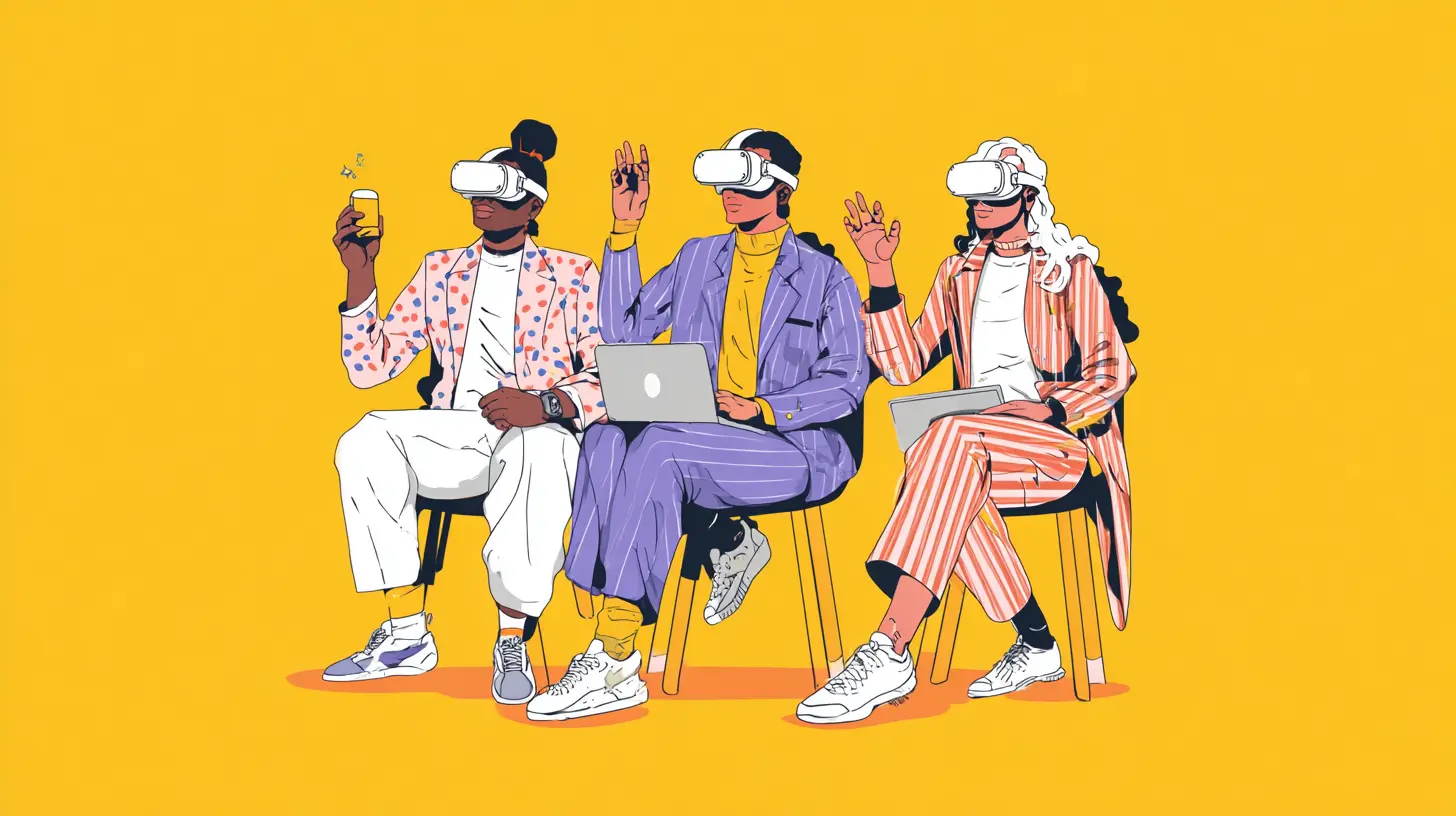
Let me address the elephant in the room. You might remember trying VR a few years ago and feeling like you were wearing a brick on your face. The resolution was blurry, the wires tangled, and after ten minutes you felt seasick. That is changing fast.By 2027, standalone VR headsets will be lighter than a pair of ski goggles. They will have passthrough cameras so you can see your coffee mug without taking the headset off. The screens will hit retina-level resolution, meaning you will not see those tiny pixels that break the illusion. And the battery life? Expect all-day use on a single charge. The big players like Meta, Apple, and even some new startups are betting that the headset becomes as common as a laptop in a business traveler's bag.
But here is the kicker: you will not even need a powerful gaming PC to run these meetings. Cloud rendering will do the heavy lifting. You put on the headset, join a link, and you are there. No downloads, no drivers, no IT headaches. It will feel as simple as clicking a calendar invite.

How Meetings Actually Change
So what does a VR client meeting look like in 2027? Let me paint you a picture.You put on your headset in your home office. Suddenly, you are standing in a beautifully designed conference room overlooking a digital version of the Manhattan skyline. Your client appears as a realistic avatar that matches their real movements. They are not a cartoon. They have subtle facial expressions, they blink, they lean in when they are interested. You shake hands virtually, and it feels surprisingly natural because the haptic feedback in the gloves or controllers gives a slight resistance.
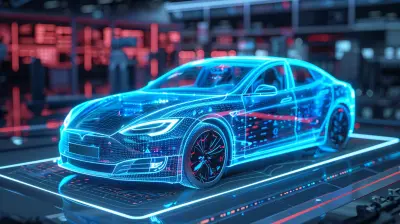
Now, instead of sharing a PowerPoint, you pull a 3D model of a product into the center of the table. You can grab it, rotate it, and even peel back layers to show the internal components. The client can do the same. They can point at a specific part and say, "What if we change this material?" You click a button, and the material changes in real time. No mockups, no waiting for a designer. Just instant collaboration.
This is not just for product designers. Architects walk clients through unbuilt buildings. Financial advisors show interactive graphs that you can walk around. Marketing teams pitch campaigns inside a virtual version of the store where the ad will run. The context becomes the content.
The Trust Factor
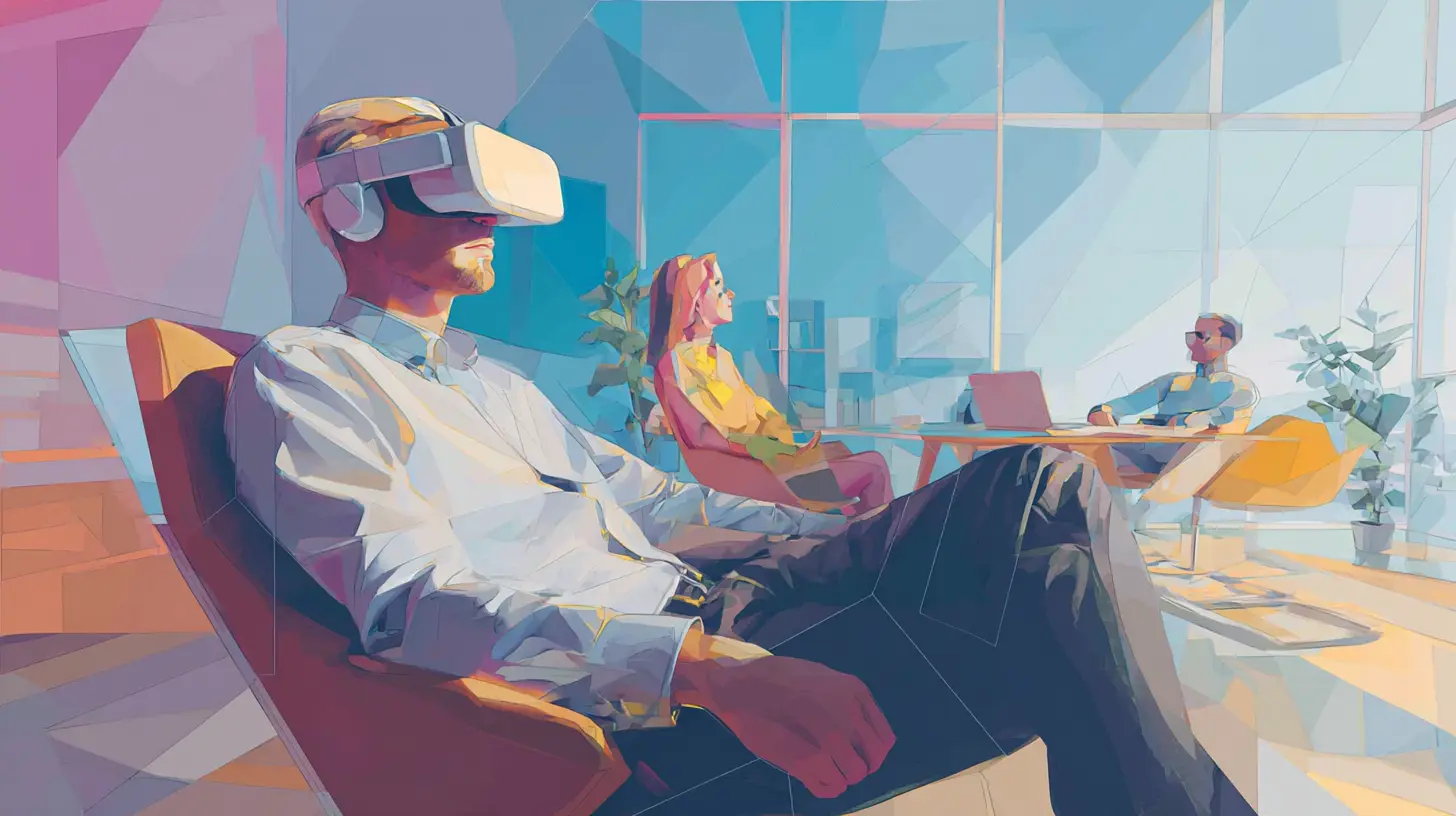
Here is something we do not talk about enough. Remote work has a trust problem. When you meet someone in person, you build rapport through shared space. You grab a coffee, you notice the photo on their desk, you laugh at a joke in the hallway. That is hard to replicate on a video call. But VR brings back a lot of that magic.When you are in a virtual room together, you share a sense of place. You both see the same sunset out the window (even if it is digital). You both hear the same ambient sounds. You both feel like you are in the same room, even if you are 5,000 miles apart. This shared presence builds trust faster than any email chain ever could. And by 2027, clients will start to feel that a VR meeting is actually more intimate than a real one because there are no distractions. No one is checking their phone under the table. Everyone is fully present.
But What About The Awkwardness?
I know what you are thinking. "Won't it be weird? What if my avatar looks goofy? What if I bump into a virtual table?"Yes, there will be a learning curve. But by 2027, avatar technology will be incredibly refined. You will be able to scan your face with your phone and create a lifelike digital twin. Your movements will be tracked by the headset and controllers, so when you talk with your hands, your avatar does the same. And if you are worried about looking silly, remember that everyone else is in the same boat. The first few minutes of any new tech feel awkward. But once you see how much more you can accomplish, the awkwardness fades fast.
Companies will also create "lobby" spaces where you can hang out before the meeting starts. Imagine a virtual waiting room where you can chat casually, just like you would in a real office lobby. That small talk matters. It builds relationships. VR brings it back.
The Cost Factor (And Why It Matters)
Right now, a good VR headset costs a few hundred dollars. By 2027, the price will drop to the level of a mid-range smartphone. But here is the real cost savings: travel. If you are a consultant, a salesperson, or a creative agency, you know how much money flies out the window on flights, hotels, and meals. A single cross-country client meeting can cost thousands of dollars. A VR headset pays for itself after one or two meetings.Plus, think about the time saved. No more rushing to the airport, no more waiting at security, no more jet lag. You can have a meeting at 9 AM in New York, and another at 11 AM in London, all from your desk. The environmental impact shrinks too. Fewer flights means a smaller carbon footprint. Clients who care about sustainability will love that.
The Tech Stack Behind The Magic
You might wonder what powers these meetings. By 2027, the backbone will be something called "spatial web" or "WebXR." This means you will not need a separate app for every meeting platform. You will just click a link in your browser, and the VR environment loads instantly. Think of it like Zoom, but in 3D.Artificial intelligence will play a big role too. AI assistants will transcribe the meeting in real time, translate languages on the fly, and even take notes so you can focus on the conversation. If a client speaks Spanish and you speak English, the AI will translate your words into their language and sync it to their avatar's lip movements. No more language barriers.
And here is a fun detail: spatial audio. When a client speaks from your left, the sound comes from your left. When they walk closer, their voice gets louder. This natural audio cue tricks your brain into feeling like you are really there. It sounds small, but it makes a massive difference in how engaged you feel.
The Skeptics And The Holdouts
Not everyone will jump on board. Some clients will prefer old-school phone calls. Some industries are slow to change. But by 2027, the early adopters will have a clear advantage. They will close deals faster, communicate more clearly, and build stronger relationships. The holdouts will eventually feel left out when their competitors are showing interactive 3D prototypes while they are still sending PDF attachments.I am not saying VR will replace all meetings. Sometimes a simple email or a quick phone call is all you need. But for the high-stakes, complex, creative, or strategic meetings, VR will become the default. It is not about being flashy. It is about being effective.
A Personal Prediction
I have been in the tech world long enough to see trends come and go. But VR for remote meetings feels different. It solves a real pain point. We all want to connect better with our clients. We all want to reduce travel fatigue. We all want to show our work in the most impressive way possible. VR checks all those boxes.By 2027, I predict that most mid-to-large companies will have a few VR headsets in their office for client meetings. Freelancers and small agencies will buy their own because it makes them look bigger and more professional. And clients will start to expect it. They will ask, "Can we meet in VR? I want to see the model in person."
How To Prepare Today
You do not need to wait until 2027 to start. You can dip your toes in now. Get a basic headset. Try a few free social VR apps. Get comfortable with the interface. Start thinking about how your work could be presented in 3D. Talk to your clients about the possibility. You might be surprised how many are curious.Also, start cleaning up your digital presence. In VR, your virtual environment says a lot about you. A messy virtual room is just as bad as a messy real one. Invest in a good 3D model of your product. Learn basic spatial design. The skills you build today will pay off big in a few years.
The Bottom Line
We are moving from a world where we talk at each other through screens, to a world where we are together in a shared space. VR is not just a cool gadget. It is the next evolution of human connection in business. By 2027, the role of VR in remote client meetings will be as normal as the role of email is today. It will be the tool we reach for when we really need to be on the same page, literally and figuratively.So the next time you schedule a client meeting, ask yourself: would this be better in person? If the answer is yes, but you cannot afford the plane ticket, VR is your answer. The future is closer than you think. And honestly? It looks pretty amazing.
all images in this post were generated using AI tools
Category:
Digital Nomad TechAuthor:

Ugo Coleman
Discussion
rate this article
2 comments
Gisela Wilkins
Exciting possibilities for virtual interactions!
September 3, 2026 at 12:19 PM
Ugo Coleman
Absolutely! The future of virtual interactions is full of potential. I can't wait to see how it evolves.
John Sanchez
I truly believe that by 2027, VR will transform remote client meetings into immersive experiences, fostering deeper connections and collaboration. Exciting times ahead for technology!
May 19, 2026 at 3:35 AM
Ugo Coleman
Thanks for sharing your thoughts! I agree, the potential of VR to enhance remote meetings is truly exciting. Looking forward to what the future holds.