What You Need to Know About Smart Home Insurance Policies
22 October 2026
A smart home is not just a house with gadgets. It is a house that senses, reacts, and records. A leak detector shuts off a valve at 2 a.m. A doorbell camera captures a delivery driver slipping on an icy step. A thermostat learns that nobody is home on weekday afternoons and stops heating empty rooms.
All of that changes your risk profile. Water damage gets caught earlier. Burglaries are documented. Some hazards shrink. But new hazards appear: a malfunctioning hub that fails to alert you, a camera that records a neighbor's property, a device that is hacked and used to pivot into your network.
Insurance companies have noticed. Some now offer discounts for monitored smart devices. Others quietly exclude losses tied to those same devices. The gap between what homeowners assume their policy covers and what it actually covers has never been wider. This article walks through that gap in practical terms.
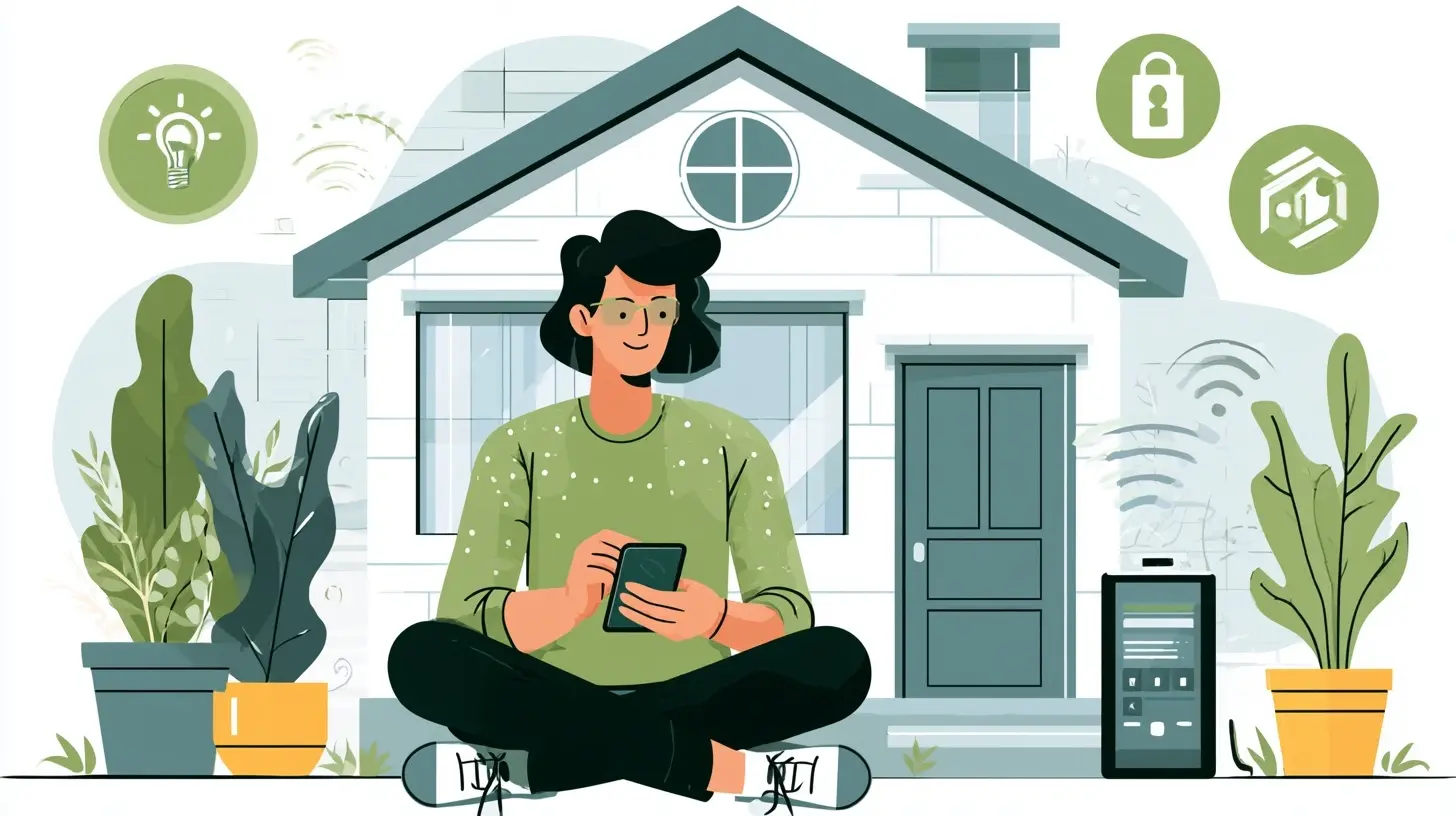
Why Smart Homes and Standard Policies Do Not Always Fit
A standard homeowners policy was written for a world of passive structures. The house does not act. It just sits there and either burns, floods, or gets broken into. The policy pays for the result.A smart home introduces an active participant. That participant can prevent a loss, fail to prevent a loss, or cause a loss. Each of those scenarios lands differently under an insurance contract, and most standard forms were never drafted with any of them in mind.
Here is the core tension. Insurers price risk based on predictability. A device that reduces water damage claims is welcome. A device that creates a new category of liability, such as a camera recording that captures a neighbor undressing in their backyard, is not. The same hardware can do both, depending on installation and settings.
That is why you cannot assume "smart equals safer equals cheaper." Sometimes it does. Sometimes it does nothing. Occasionally it makes your claim harder to settle.
The Discount Landscape: Real Savings and Marketing Noise
Insurers advertise smart home discounts constantly. The reality is more uneven than the marketing suggests.Most discounts fall into a few buckets:
- Monitored security systems. Professionally monitored alarms with cellular backup typically earn the largest credits, often in the range of a few percent to around 10 percent off the homeowners premium, though amounts vary widely by carrier and state.
- Water leak detection with automatic shutoff. This is increasingly valued because water damage is one of the most frequent and expensive home claims. Devices that both detect and shut off the supply are worth more to insurers than sensors that only alert.
- Smoke and CO monitoring. Credits here tend to be modest because the underlying protection is already expected in many homes.
- Smart cameras and doorbell cams. Discounts are less common and usually smaller. Some carriers treat them as part of a broader security package rather than a standalone credit.
A few practical points that marketing pages tend to skip:
First, discounts usually require proof. You will typically need to provide the monitoring contract, the device model, or an installation certificate. Self-installed devices with no professional monitoring often earn nothing.
Second, discounts are frequently capped. Stacking a security credit, a leak detection credit, and a smart thermostat credit may not add up the way you expect. Many carriers apply a maximum total credit.
Third, the discount is rarely the main financial story. A 5 percent credit on a $1,800 premium is $90 a year. Avoiding one $15,000 water damage claim, or having one covered when the insurer might otherwise dispute it, is worth far more. Shop for coverage clarity first and discounts second.
Where Smart Devices Genuinely Reduce Risk
It helps to separate devices by the mechanism through which they reduce loss, because insurers care about mechanism, not branding.Early detection devices shorten the time between a hazard starting and someone responding. Leak sensors, freeze sensors, and smoke detectors fall here. The value is proportional to how fast the alert reaches someone who can act. A sensor that texts you while you are on a flight to another continent provides much less protection than one that triggers an automatic shutoff valve.
Automatic mitigation devices act without human intervention. Shutoff valves, smart sprinkler controllers that skip watering when rain is forecast, and devices that cut power to a failing appliance all reduce severity directly. Insurers tend to value these most because they work even when nobody is paying attention.
Evidence devices document what happened. Cameras and sensors with logging help with claims verification and can deter some property crime. Their insurance value is real but indirect.
Habit-changing devices nudge behavior. A thermostat that reminds you to change furnace filters, or an app that flags an open garage door, reduces the probability of certain losses over time.
The pattern is clear: the closer a device is to automatic physical intervention, the more underwriting value it carries. A notification is a suggestion. A closed valve is a fact.
The Exclusion Problem Nobody Reads
This is the part that matters most and gets discussed least.Many homeowners policies contain language that can limit or exclude coverage when a loss is caused by a system that was supposed to prevent it but failed. The logic is uncomfortable but real: if you installed a leak detection system and it did not work, the insurer may argue that the loss resulted from a faulty device or from your failure to maintain it, rather than from a sudden accidental event.
Consider a realistic scenario. You install a smart water shutoff. Eighteen months later the valve motor seizes. A supply line bursts while you are at work. Water runs for six hours. The insurer pays for the water damage but may raise questions about whether the failed device contributed, whether it was maintained per the manufacturer's schedule, and whether the loss falls under an exclusion for faulty workmanship or equipment breakdown.
In practice, outcomes vary enormously. Some carriers pay without friction. Others investigate. A few deny portions of the claim. The difference often comes down to policy wording and how the loss is characterized.
The lesson is not "avoid smart devices." It is "read the exclusions before you rely on a device to protect you." Ask your agent specifically: if my smart shutoff fails and causes or worsens a loss, is that covered? Get the answer in writing if you can.
Liability Exposure You Probably Have Not Considered
Smart devices create liability surfaces that traditional policies were not designed around.Cameras and privacy. A doorbell camera aimed slightly too far can capture a neighbor's windows, yard, or conversations. Audio recording laws vary by state, and some jurisdictions require consent from all parties. A liability claim or a regulatory complaint arising from your camera setup is a genuinely awkward fit under a standard homeowners policy, which covers bodily injury and property damage, not privacy torts in every case.
Automation failures. A smart lock that fails and leaves your home unsecured, or a smart garage controller that opens at the wrong time, can lead to a theft claim. The insurer will want to know whether the device malfunctioned, whether it was installed correctly, and whether the manufacturer's firmware was current.
Guests and devices. If a visitor is injured because an automated gate or door closed on them, the liability analysis gets complicated fast. Was the device defective? Was it maintained? Did you warn guests about the automation?
Data and network liability. A compromised hub can expose your network and, in some cases, be used to attack others. Standard homeowners policies generally do not cover cyber liability. If you run a home business or store sensitive data, you may need a separate endorsement or policy.
None of this means smart homes are a liability trap. It means the risk has moved, and your coverage needs to move with it.
What to Tell Your Insurer, and When
Disclosure is where many homeowners get into trouble without realizing it.The general rule: tell your insurer about anything that materially changes the risk, especially if you expect a discount for it. That includes new monitored security systems, major water mitigation installations, and any device that could plausibly affect a claim.
Timing matters too. If you install a shutoff valve in March and a pipe bursts in July, and the insurer discovers the device during the claim investigation but had no record of it, the conversation gets harder. Notify first. Document the installation. Keep the receipt and the manual.
There is a counterpoint worth stating honestly. Over-disclosure of every minor gadget can clutter your file and invite unnecessary questions. The practical line is this: disclose anything you want credited, anything that could cause a loss, and anything a claims adjuster would reasonably want to know about after a loss. A smart bulb does not qualify. A whole-home automation system that controls water and locks does.
Comparing Coverage Approaches
There is no single right way to insure a smart home. Three broad approaches exist, each with trade-offs.Approach one: standard policy plus device discounts. You keep a conventional homeowners policy and claim whatever credits your carrier offers. This is the simplest path and usually the cheapest in premium terms. The downside is that exclusions and liability gaps remain unaddressed. You are relying on the standard form to handle novel situations, which is a gamble.
Approach two: endorsed or upgraded policy. You add endorsements for equipment breakdown, water backup, or enhanced electronics coverage. Some carriers offer specific smart home endorsements. This costs more but closes obvious gaps. The trade-off is complexity: more endorsements mean more places for a claim to be disputed, and you need to understand what each one actually does.
Approach three: specialized or high-value policies. Homes with extensive automation, home offices, or significant electronics may warrant a policy designed for higher-value or tech-heavy properties. These often include broader coverage and dedicated claims handling. They also cost meaningfully more and may require professional installation of key systems.
The right choice depends on how much you have invested, how much you rely on automation, and how much uncertainty you can tolerate. A single leak sensor and a smart thermostat do not justify a specialized policy. A whole-home system controlling water, locks, HVAC, and security probably does.
Common Mistakes and Misconceptions
A few patterns show up again and again.Assuming a discount means better coverage. It does not. A discount is a pricing decision. Coverage is a contract. They are related but not the same, and sometimes a carrier offering a generous discount has narrower exclusions.
Believing the device warranty substitutes for insurance. Manufacturer warranties cover the device. They do not cover the water damage the failed device allowed. Those are separate exposures.
Forgetting maintenance. Smart devices have batteries, firmware, and moving parts. An unmaintained device is a liability, not a protection. Insurers increasingly ask about maintenance during claims.
Ignoring the install quality. A professionally installed shutoff valve with a documented commissioning report is far easier to defend in a claim than a DIY install with no record. If you self-install, photograph everything and keep the documentation.
Overestimating deterrence. Cameras deter some opportunistic crime. They do not stop determined intruders, and footage does not always lead to recovery. Treat cameras as evidence tools first and deterrents second.
Missing the cyber angle. A smart home is a small network. If you have not changed default passwords, segmented your devices, and kept firmware current, you have added risk rather than reduced it. Your insurance policy likely will not help with a network intrusion.
Practical Steps Before You Buy or Claim
If you are installing smart devices, do these things in order.1. Identify the loss you are trying to prevent. Water damage, freeze, theft, fire. Pick devices that intervene automatically where possible.
2. Check your current policy for exclusions related to the devices you are considering. Ask your agent direct questions and keep the answers.
3. Choose professionally monitored and professionally installed systems for anything you want credited or relied upon in a claim.
4. Document everything: receipts, model numbers, installation dates, maintenance records, and firmware update logs.
5. Notify your insurer and confirm any discounts in writing.
6. Review your coverage annually, especially after adding major systems.
If you are filing a claim involving smart devices, do this.
1. Preserve device logs and footage before anything is reset or overwritten.
2. Do not delete app history or factory reset devices until the adjuster has what they need.
3. Be straightforward about what the device did and did not do. Inconsistency between your account and the device logs is the fastest way to turn a routine claim into an investigation.
4. Ask the adjuster directly whether any exclusion related to the device is being applied, and request the specific policy language.
The Bottom Line
Smart home technology and home insurance are converging, but not smoothly. Devices can genuinely reduce risk, and insurers are slowly pricing that in. At the same time, standard policies were not written for active systems, and the exclusions and liability questions are real.The homeowners who do best are the ones who treat their smart home as a risk management system rather than a gadget collection. They choose devices that intervene automatically, they install and maintain them properly, they disclose them to their insurer, and they read the exclusions before a loss rather than after. That combination does more for your financial protection than any discount ever will.
all images in this post were generated using AI tools
Category:
Smart Home TechnologyAuthor:

Ugo Coleman