Why the Smart Home Trend Is Just Getting Started
29 August 2026
There is a quiet revolution happening inside the walls of ordinary houses. It is not announced with flashing lights or dramatic reveals. It happens when the lights dim themselves at 9:47 PM because they noticed your pattern. It happens when the furnace adjusts its output before you even feel the chill. It happens when your front door recognizes your dog's microchip and lets him in through the side flap, a feature you thought was a gimmick until you watched it work.
For two decades, we have been told that the smart home is the future. And for two decades, the smart home has felt like a promise that kept getting delayed. Early adopters wrestled with clunky apps, unreliable Wi-Fi bridges, and hubs that required a computer science degree to configure. The technology worked, but only if you treated it like a hobby. Most people did not want a hobby. They wanted a house that simply worked.
Here is the truth that most coverage misses: the smart home trend is not flattening out. It is not plateauing. It is not a fad that has come and gone. It is just getting started, and the reasons have little to do with the gadgets themselves. They have everything to do with the infrastructure, the economics, and the shifting expectations of what a home should do for the people inside it.
The Infrastructure Has Finally Caught Up
The first generation of smart home devices was built on a fragile foundation. Your smart bulb depended on your router, which depended on your internet service provider, which depended on your neighbor not microwaving popcorn at the wrong frequency. It was a mess. Every device spoke a different language. Zigbee, Z-Wave, Wi-Fi, Bluetooth, Thread. They all promised interoperability, and they all delivered fragmentation.That has changed, and it changed for reasons that have nothing to do with marketing. The adoption of the Matter standard, which emerged from a collaboration of the biggest names in the industry, is not just a technical improvement. It is a philosophical shift. Matter treats the smart home as a shared ecosystem rather than a collection of walled gardens. A light bulb made by one company can now be controlled by a hub made by another, which can be triggered by a sensor made by a third. This is not a minor convenience. It is the difference between owning a house with a hundred keys and owning a house with one key that fits every lock.
But the infrastructure story goes deeper than protocols. The modern smart home is increasingly edge-based, meaning the processing happens locally rather than in a distant cloud server. This is a huge deal for latency, privacy, and reliability. When your voice command has to travel to a data center in another state and come back before the light turns on, you notice the delay. When it happens on a chip inside your wall switch, the response is instant. Local processing also means that a temporary internet outage does not turn your house into a brick. The smart home of the past was a fair-weather friend. The smart home of the present is self-sufficient.
Consider the rise of smart speakers with built-in hubs, like the Amazon Echo Plus or the newer Apple HomePod models. These devices do not just listen for your commands. They act as the brain of the entire house, coordinating signals between sensors and actuators without needing a separate box full of cables. This consolidation is what finally makes the smart home approachable for the average person. You do not need a server rack in your closet. You need a speaker on your counter.
The Economics of Smart Homes Have Flipped
For years, the smart home was a luxury item. You paid a premium for a thermostat that learned your schedule, and you justified the cost as a novelty. The math rarely worked out in your favor. A smart thermostat saved you maybe fifty dollars a year on energy bills, but it cost you two hundred and fifty dollars upfront. The payback period was longer than most people's patience.That equation has inverted. The price of sensors, cameras, and actuators has plummeted as manufacturing has scaled. A motion sensor that cost forty dollars in 2015 now costs twelve. A smart plug that cost thirty dollars now costs eight. These are not hypothetical reductions. They are the natural result of a mature supply chain and intense competition. When the hardware becomes cheap, the value proposition shifts. You are no longer buying a gadget. You are buying a capability.
The real economic shift, though, is in the value of the data and the automation itself. Consider the modern smart leak detector. A small puck that sits under your water heater costs about thirty dollars. It can detect a slow drip that would otherwise go unnoticed for weeks. That drip, left unchecked, can cause thousands of dollars in water damage. The detector does not save you money in the traditional sense. It prevents you from losing money. This is an entirely different category of value. It is insurance.
The same logic applies to smart smoke detectors that distinguish between a burnt toast and a real fire, smart locks that let you know when your teenager actually came home, and smart irrigation systems that adjust watering based on local rainfall forecasts. Each of these devices pays for itself in prevented losses, not in incremental gains. That is a much easier sell.
There is also the secondary market effect. Smart home features are now a legitimate factor in home resale value. Real estate agents will tell you that a house with integrated lighting, security, and climate control systems sells faster and for more money than an otherwise identical house without them. This is not just anecdotal. It is a reflection of buyer expectations. People walking into a new home now assume the thermostat will be smart. They assume the doorbell will have a camera. They assume the lights will be controllable from a phone. When those assumptions are met, the house feels modern. When they are not, the house feels dated.
The Shift from Gadgets to Systems
The biggest mistake early adopters made was thinking of the smart home as a collection of individual products. You bought a smart speaker here, a smart bulb there, a smart lock somewhere else. Each device was a standalone novelty. You interacted with them one at a time, and they rarely interacted with each other. This is why so many people abandoned the trend. It was not that the devices failed. It was that they did not compound.The smart home trend is just getting started because the industry has finally moved from gadgets to systems. The difference is profound. A gadget does one thing well. A system does many things together. A system is not defined by its components. It is defined by its interactions.
Think about what happens when your smart alarm clock, smart blinds, smart coffee maker, and smart thermostat are all talking to each other. You do not have to issue a single command. The alarm goes off at 6:30 AM. The blinds open slowly to let in the morning light. The thermostat warms the bedroom from its overnight setback. The coffee maker starts brewing. By the time you sit up in bed, the house is already prepared for you. This is not a sequence of commands. It is a choreography.
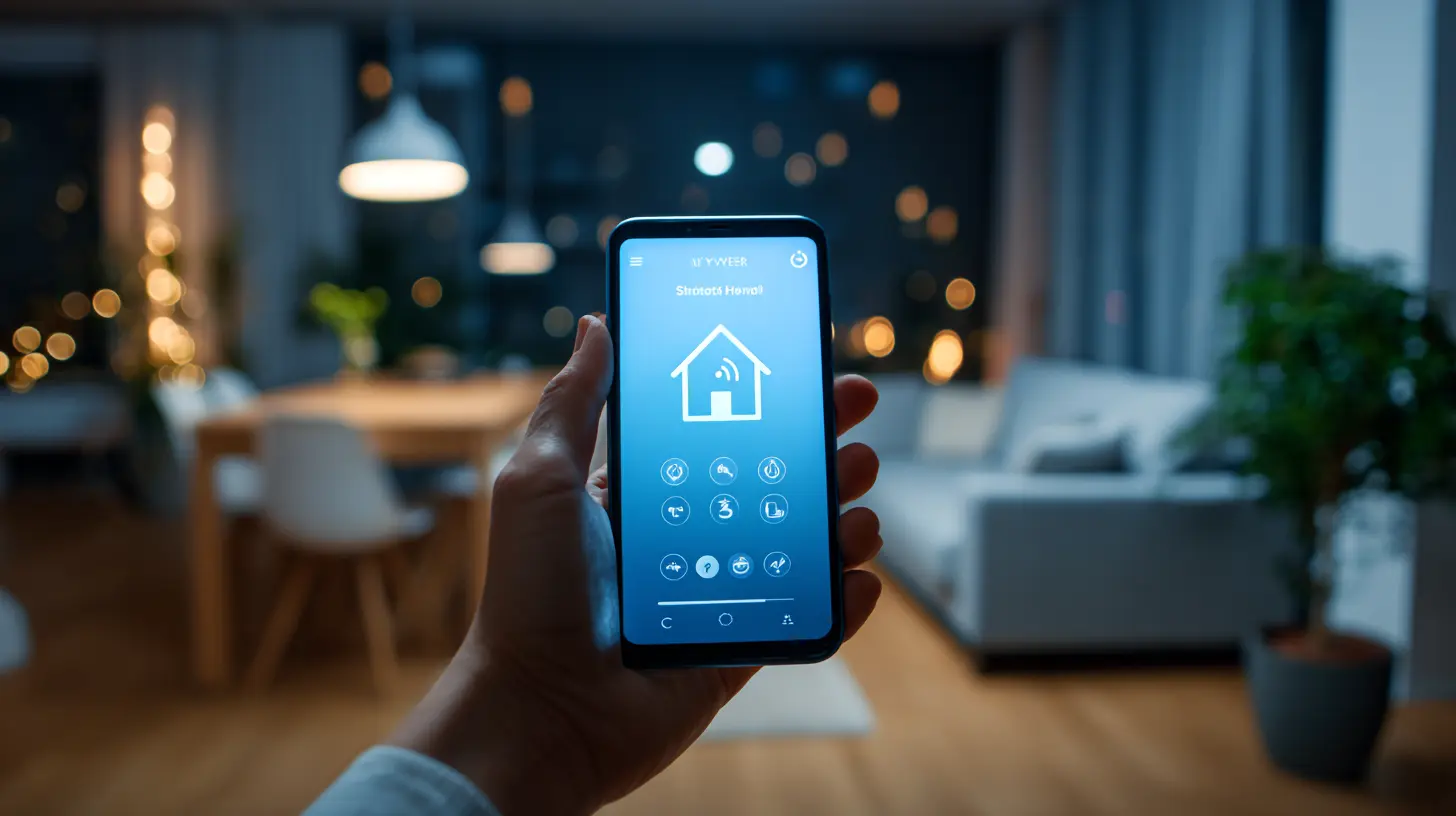
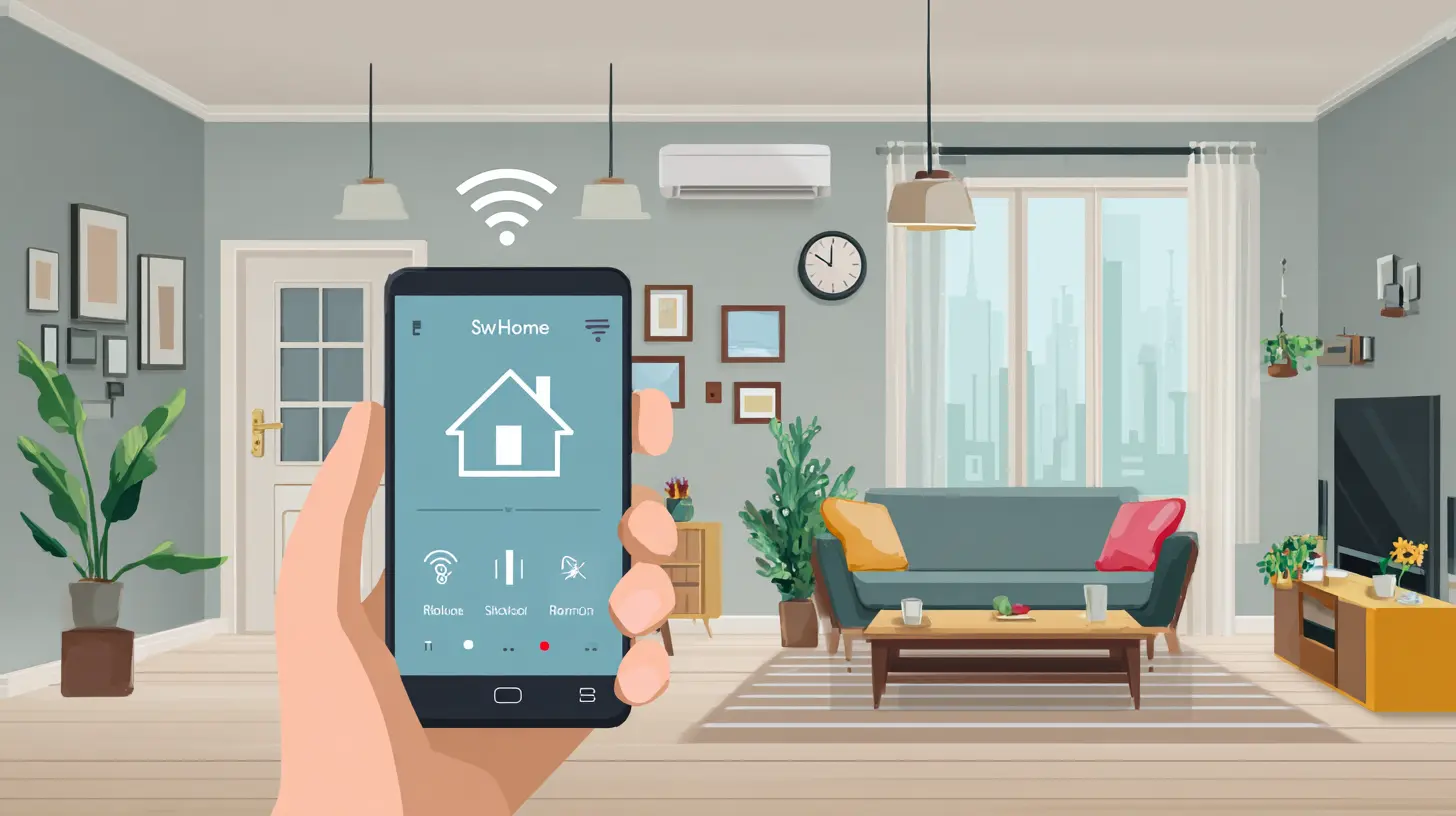
This choreography is made possible by the concept of scenes and routines. A scene is a preset configuration of multiple devices. A routine is a trigger that activates a scene based on time, location, or sensor data. These concepts have existed for years, but they have become dramatically easier to use. The modern smart home app does not force you to write automation rules in a programming language. It lets you say, "When I arrive home, turn on the entryway lights and unlock the front door." The app translates that into a routine for you.
The shift to systems also means that the smart home is no longer about convenience alone. It is about comfort, security, and energy efficiency working in concert. A system can detect that you are away, lower the temperature, turn off the lights, and arm the security cameras. It can do all of this without you thinking about it. This is the real promise of the smart home: it removes the cognitive load of managing your environment.
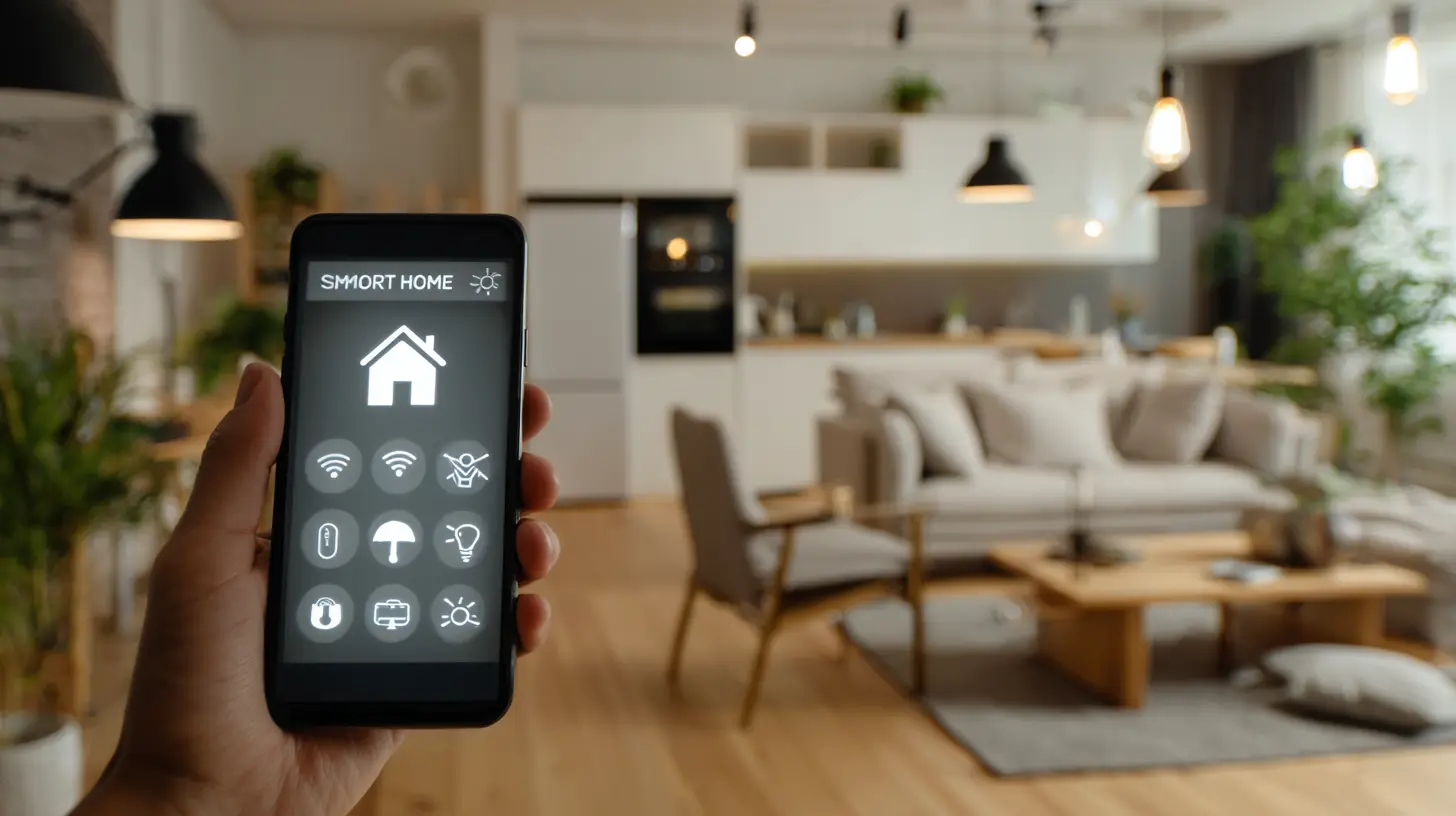
The Rise of Predictive and Ambient Intelligence
The next phase of the smart home trend is not about responding to commands. It is about predicting needs before they arise. This is where artificial intelligence and machine learning enter the picture, and this is the reason the trend is far from over.The current generation of smart thermostats already learns your schedule and adjusts accordingly. But the next generation will go further. It will factor in the weather forecast, the thermal characteristics of your house, the number of people in each room, and even your electricity rate structure. It will not just keep you comfortable. It will optimize for cost and efficiency in ways that a human could not reasonably manage.
The same predictive logic applies to lighting. Imagine a system that learns your circadian rhythm and gradually shifts the color temperature of your lights throughout the day, mimicking natural sunlight. This is not science fiction. It is available in high-end systems today, and it is trickling down to mainstream products. The health benefits of aligning your indoor lighting with your biological clock are well documented. The smart home is the only practical way to achieve this alignment automatically.
Then there is ambient intelligence, which is a fancy way of saying that the house senses you without being asked. A room presence sensor can tell that you are sitting on the couch reading, and it can dim the overhead light while raising the brightness of the floor lamp beside you. It does not need a voice command or a phone tap. It observes your behavior and adapts. This is the opposite of the early smart home, which required constant input. The early smart home was a butler that waited for instructions. The ambient smart home is a caretaker that anticipates.
The trade-off here is privacy. The more the house knows about you, the more data it collects. This is a legitimate concern, and it is not going away. The companies building these systems are aware of the tension. Some have chosen to process everything locally, so your behavior never leaves your house. Others have chosen to use the data for improving their cloud-based services. The consumer has to decide which trade-off they are comfortable with. This is not a trivial decision, and it deserves careful thought.
The Interoperability Problem Is Finally Being Solved
One of the most frustrating aspects of the smart home has been the interoperability problem. You buy a device that works perfectly with the app that came with it, but it refuses to talk to your other devices. This is not a technical limitation. It is a business decision. Companies wanted to lock you into their ecosystem. They wanted you to buy only their products, and they made it inconvenient to mix and match.That strategy has backfired. Consumers have made it clear that they do not want to be locked in. They want choice. They want to buy the best thermostat from one company, the best camera from another, and the best speaker from a third, and they want all of them to work together seamlessly. The industry has finally listened.
The Matter standard is the most visible result of this listening. It is a royalty-free connectivity standard that allows certified devices to work with any Matter-compatible platform, including Apple HomeKit, Google Home, Amazon Alexa, and Samsung SmartThings. This means that a Matter-certified lock will work with all of these platforms out of the box. No extra bridge, no compatibility workarounds, no frustration.
The practical impact of this standardization is enormous. It means that you can start small, with a single device, and grow your system over time without worrying about whether new purchases will work with your existing setup. It means that you are not dependent on the continued existence of any single company. If one platform goes out of business, your devices will still work with another. This reduces the risk of investing in a smart home, which is exactly what the trend needed to reach the mainstream.
Common Mistakes and How to Avoid Them
Even with the infrastructure improvements, people still make mistakes when building their smart homes. The most common mistake is buying too many devices at once. You get excited, you buy a starter kit, you install it, and then you are overwhelmed by the complexity of managing twenty different devices. You end up using only the smart speaker, and the rest gathers dust.The better approach is to start with a single problem you want to solve. Do you want to reduce your energy bills? Start with a smart thermostat. Do you want to feel safer when you travel? Start with a smart camera and a door sensor. Solve that one problem well, and then move on to the next. The smart home is a journey, not a destination. Trying to build the perfect system in a weekend is a recipe for burnout.
Another common mistake is ignoring the network. The smart home relies on a stable and robust Wi-Fi network. If your router is old, or if it is placed in a corner of the house, your devices will constantly drop offline. This is not a device problem. It is a network problem. Before you buy a single smart device, invest in a good mesh Wi-Fi system. This is the single best thing you can do to ensure a smooth smart home experience.
A third mistake is not considering the future. You buy a smart lock that only works with Bluetooth, and then you realize you want to control it remotely. You are stuck. When you are shopping for devices, look for ones that support multiple protocols or that are Matter-certified. This gives you flexibility down the road. It is worth paying a little more for a device that can grow with your system.
The Misconception That Smart Homes Are Only for Tech Enthusiasts
There is a persistent belief that smart homes are for people who love tinkering with technology, not for normal people. This belief is outdated. The modern smart home is designed for the average person. The apps are intuitive. The setup processes are guided. The devices work out of the box.The reason this misconception persists is that the early adopters were tech enthusiasts. They were the ones writing reviews, posting videos, and talking about their experiences. Their perspective colored the entire narrative. They talked about the challenges of configuration, the excitement of custom automation, and the thrill of building something unique. This made the smart home seem like a hobby, not a utility.
The reality is that most people do not want to build anything. They want to plug in a device, open an app, and have it work. The industry has responded to this desire. Setup is now a matter of scanning a QR code and following a few on-screen prompts. The average time from unboxing to functioning is under ten minutes for most devices. This is a far cry from the hours of configuration that used to be required.
The smart home is not a niche hobby anymore. It is a mainstream convenience, like a dishwasher or a microwave. You do not need to be a chef to use a microwave, and you do not need to be a programmer to use a smart home.
The Future Is Not in the Gadgets, It Is in the Integration
The next decade will not be defined by new types of smart devices. It will be defined by how those devices integrate with each other and with the broader world. The smart home will connect to the smart grid, allowing your house to automatically shift energy usage away from peak pricing periods. It will connect to your electric vehicle, coordinating charging with your commute schedule. It will connect to your local weather service, preparing your house for storms before they arrive.The smart home will also become more proactive in health and wellness. Sensors will monitor air quality, humidity, and even the presence of allergens. The house will respond by adjusting ventilation, running air purifiers, or alerting you to potential issues. This is not about replacing medical care. It is about creating an environment that supports your well-being.
The integration will extend to aging in place. Smart home systems will allow older adults to live independently for longer. Sensors can detect falls, remind about medication, and alert family members if something is wrong. This is not a hypothetical future. It is a growing segment of the market, and it will only expand as the population ages.
The smart home trend is just getting started because it has finally become what it was always meant to be: invisible. The best smart home is the one you do not think about. It adapts to you. It anticipates your needs. It handles the mundane tasks of managing your environment so you can focus on living your life.
The technology is no longer the barrier. The price is no longer the barrier. The complexity is no longer the barrier. What remains is the human element. How much do you want your home to know about you? How much control are you willing to delegate? These are personal questions, and there is no universal answer.
What is certain is that the direction is set. The infrastructure is built. The standards are in place. The economics make sense. The smart home is not a passing trend that has crested. It is a foundational shift in how we relate to the spaces we inhabit. The wave is still building, and the best is yet to come.
all images in this post were generated using AI tools
Category:
Smart Home TechnologyAuthor:

Ugo Coleman
Discussion
rate this article
2 comments
Mabel McVaney
The smart home trend is gaining momentum as technology becomes more affordable and user-friendly. With increased focus on energy efficiency and convenience, we can expect innovative solutions that transform daily living in exciting ways.
September 3, 2026 at 12:19 PM
Ugo Coleman
Absolutely! The integration of smart home technology is just beginning. As costs drop and usability rises, we're on the brink of a major shift in how we interact with our homes. Exciting times ahead!
Candace McTier
This article captures the excitement surrounding smart homes perfectly. It's fascinating to see how technology continues to evolve, making our lives easier and more connected. With new innovations and growing convenience, it's clear that the smart home trend is just beginning. I am eager to see what the future holds!
August 31, 2026 at 5:13 AM
Ugo Coleman
Thank you for your insights! It's an exciting time for smart homes, and I share your enthusiasm for what lies ahead.