From Telegraph Wires to Smartphone Screens: How Information Technology Forged a Unified United States
April 26, 2026 - 18:04
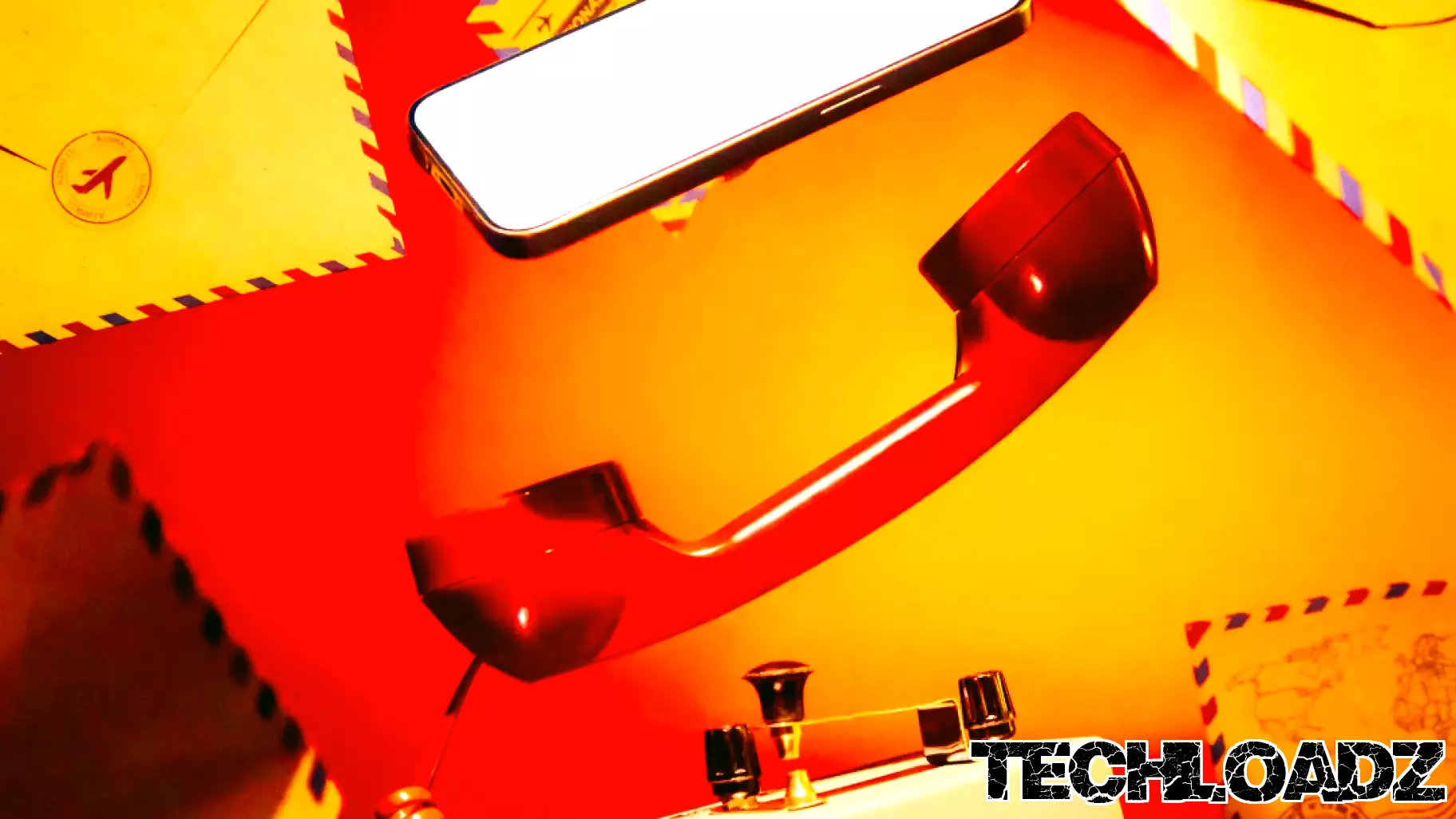
At the birth of the United States, its sheer geographic scale posed an existential threat. Stretching from the Atlantic coast to the frontier, the young nation faced a constant struggle against fragmentation—regional loyalties, time-delayed news, and disconnected communities all threatened to pull the fledgling republic apart. The solution, time and again, came not from politics or force, but from information technology. From the first clattering telegraph key to the silent glow of a smartphone, each innovation tightened the bonds that held the country together.
The telegraph was the first great unifier. Before its arrival, a message from New York to New Orleans could take weeks by horse or ship. The telegraph collapsed that distance to minutes, enabling near-instantaneous communication across states. This allowed businesses to coordinate supply chains, newspapers to share national stories, and the government to issue rapid directives during the Civil War. The transcontinental railroad, often celebrated for physically linking the coasts, was actually made possible by the telegraph, which coordinated train schedules and prevented collisions.
The telephone followed, putting a human voice into the equation. It transformed personal relationships and commerce alike, allowing families separated by migration to stay connected and enabling small-town businesses to reach urban markets. Radio then took the next leap, broadcasting the same news, music, and presidential addresses to every corner of the nation simultaneously. For the first time, a farmer in Kansas and a factory worker in Detroit could hear the same words at the same moment, fostering a shared national identity.
Television deepened this effect, adding visual imagery that made events like the moon landing or civil rights marches feel immediate and personal. But the most profound shift came with the internet and the smartphone. These devices put the entire world—and the entire nation—into a pocket. Social media, instant messaging, and video calls erased the last barriers of distance. A student in rural Montana can now collaborate in real time with a classmate in Miami. A family scattered across four time zones can gather for a virtual dinner.
Yet this unification is not without its tensions. The same technology that connects also polarizes, creating echo chambers and amplifying regional divides. Still, the historical arc is clear: each wave of information technology has pulled the United States closer together, turning a sprawling, disparate collection of states into a single, interconnected society. From the telegraph’s first spark to the smartphone’s constant hum, the thread of unity has been woven by the very tools that shrink the distance between us.
MORE NEWS

October 24, 2026 - 01:32
Q2 earnings outperformers: Arlo Technologies (NYSE:ARLO) and the rest of the specialized technology stocksQuarterly earnings season offers a clear window into how companies are progressing relative to their industry peers. In the specialized technology sector, Arlo Technologies (NYSE:ARLO) stands out...
October 23, 2026 - 22:33
Meridian Community College Opens New Transportation Technology Training CenterMeridian Community College marked a significant milestone Wednesday afternoon with a ribbon cutting ceremony for its new Transportation Technology Training Center. The facility represents a major...

October 23, 2026 - 11:05
Spotify Technology Q3 Earnings Call HighlightsSpotify Technology reported third-quarter 2026 results that met or exceeded its guidance across every major metric, including revenue, monthly active users, subscribers, gross margin and operating...

October 22, 2026 - 22:40
Mobilicom (MOB) Targets Growing Drone and Robotics Market With Cybersecure Technology PortfolioMobilicom provides integrated cybersecure hardware and software solutions for defense and commercial drones, robotics and autonomous systems. Its technologies are designed to support...