Colonizing Asteroids: The Next Frontier in Space Exploration
8 July 2026
Introduction
Space exploration has always captured human imagination. From the first moon landing to Mars rovers, we've made incredible strides in understanding our cosmic neighborhood. But what's next? Colonizing asteroids may just be the key to unlocking the future of space travel. It sounds like science fiction, but with rapid advancements in technology, it’s starting to look more like an inevitable reality.
Why should we even consider living on asteroids? How would we survive? What challenges stand in our way? In this article, we’ll dive deep into asteroid colonization, its potential benefits, the obstacles we need to overcome, and what the future might hold.
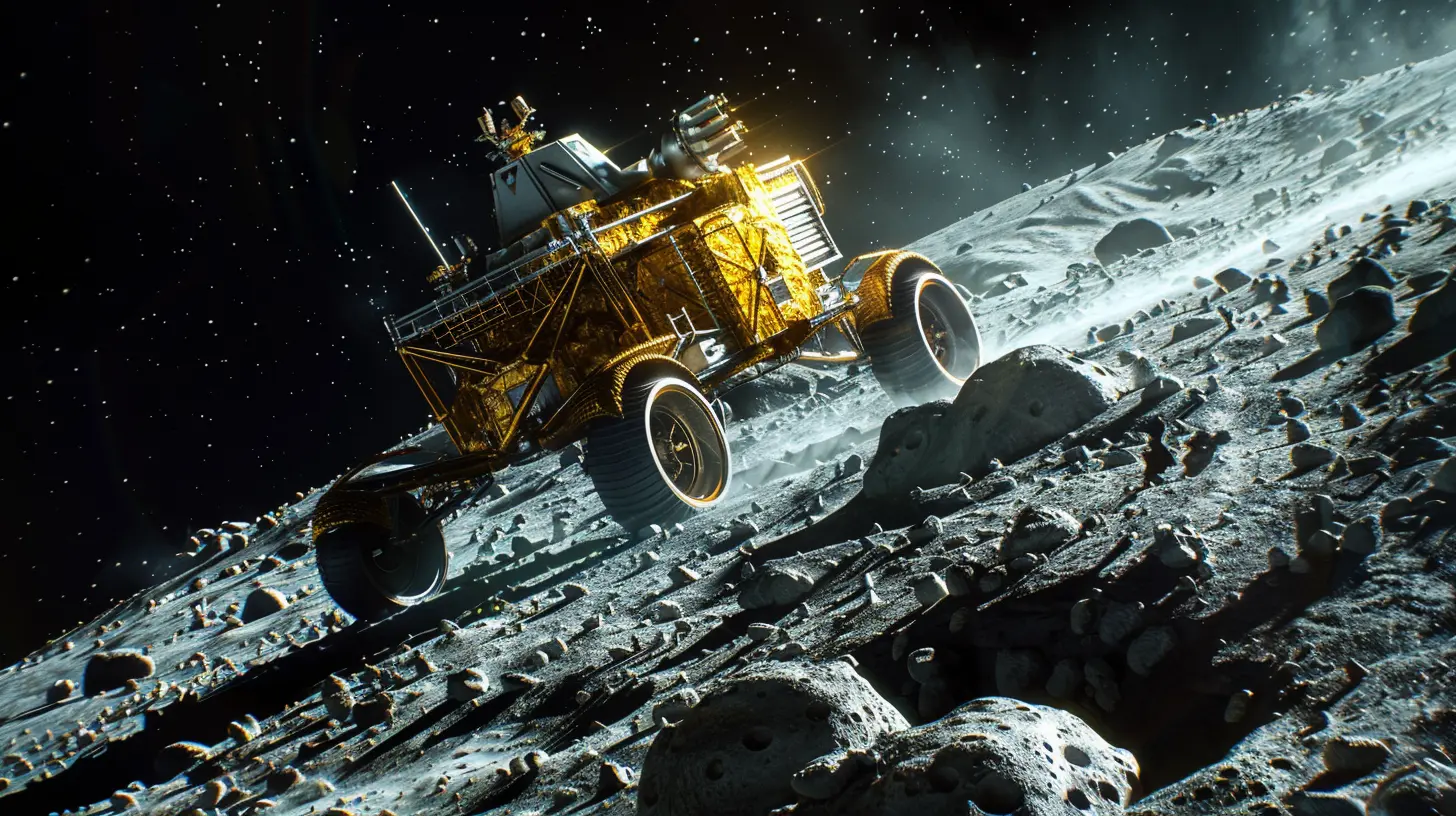
Why Colonize Asteroids?
At first glance, settling on a giant space rock might seem like an odd choice. After all, asteroids are tiny compared to planets, lack atmospheres, and don’t have much gravity. So, why bother?1. Abundant Resources
Asteroids are like cosmic treasure troves. They contain vast amounts of precious metals, including iron, nickel, platinum, and even water ice. These materials could be used for building structures, fueling spacecraft, and supporting long-term space missions. Instead of launching supplies from Earth, which is insanely expensive, we could mine asteroids for everything we need.2. Stepping Stones for Deep Space Travel
If humanity wants to reach Mars, Jupiter, or even leave the solar system one day, we need waystations in space. Asteroid colonies could serve as refueling stations, research hubs, and even emergency shelters for astronauts traveling deeper into space. They act like cosmic gas stations, making long-distance space travel more feasible.3. Reducing Dependence on Earth
Right now, Earth is our only home—and that’s a problem. Overpopulation, resource depletion, and climate change are pressing concerns. Colonizing asteroids could help reduce our dependence on Earth by providing new places to live and work. It also ensures the survival of our species in case of a planetary disaster.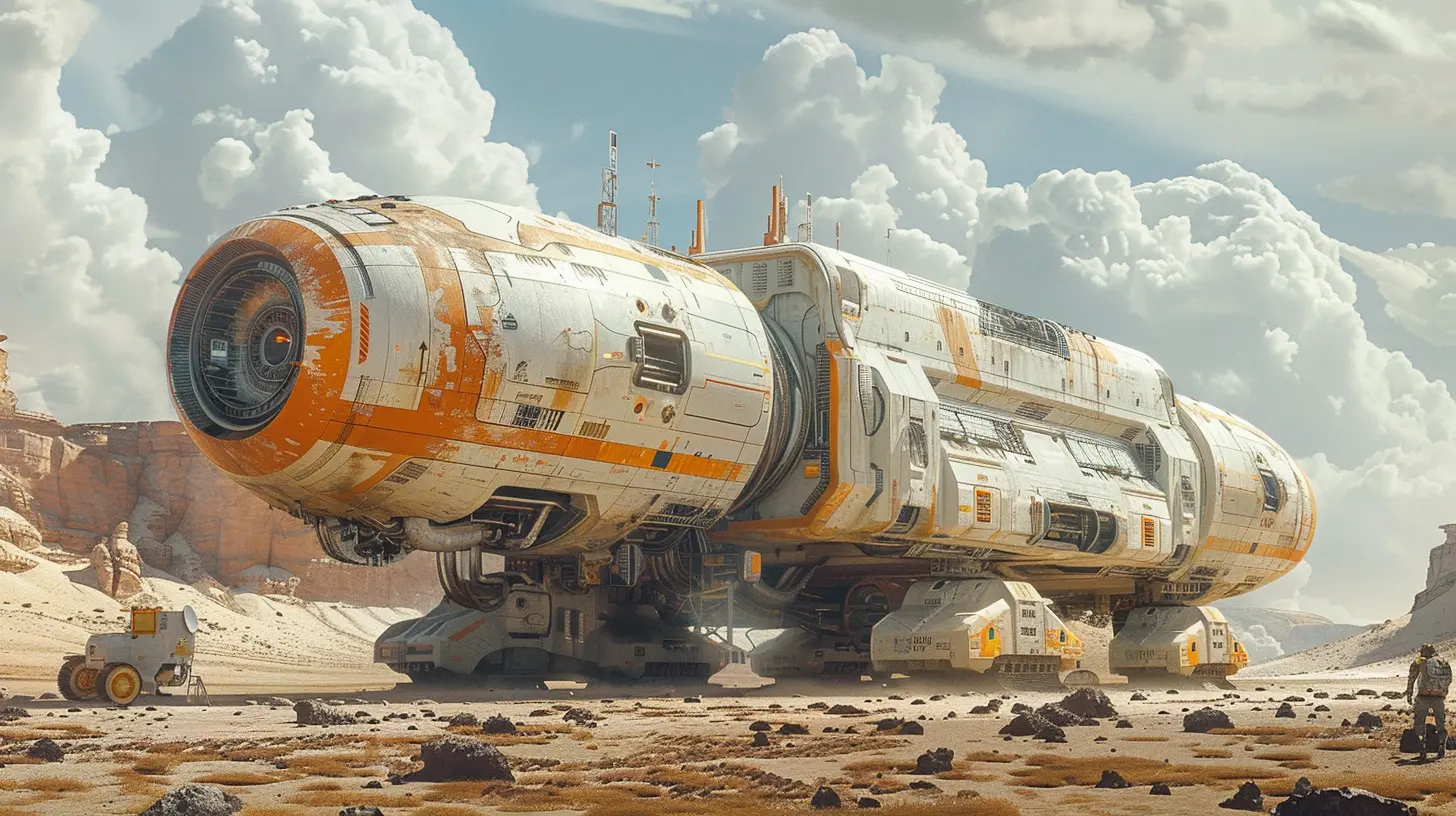
The Challenges of Asteroid Colonization
While asteroid colonization sounds exciting, it won’t be easy. There are huge obstacles we need to overcome before humans can thrive in these space rocks.1. Microgravity Issues
Unlike planets or moons, asteroids have extremely weak gravity. This poses serious threats to human health, such as muscle atrophy and bone loss. Without proper countermeasures, colonists could face severe medical issues over time.One possible solution is artificial gravity. Rotating habitats, similar to those envisioned in space station designs, could help simulate Earth's gravity and keep humans healthy.
2. Radiation Exposure
Without a protective atmosphere or magnetic field, space is filled with harmful cosmic radiation. Long-term exposure increases the risk of cancer and other health problems. Shielding habitats with asteroid materials, water, or artificial magnetic fields could help protect colonists from these dangers.3. Sustaining Life
How do we get food, water, and oxygen on an asteroid? Water ice found in some asteroids can be extracted and used for drinking, oxygen production, and fuel. As for food, we’d likely rely on hydroponic farming—growing plants without soil, using nutrient-rich water.Recycling systems would be crucial too. Waste from humans, plants, and even the environment would need to be repurposed efficiently. Every drop of water and every ounce of air would have to be carefully managed.
4. Building Habitats
Building habitable structures on asteroids is another major challenge. Most asteroids have uneven, rocky surfaces, making construction difficult. Colonists might have to live underground or inside pressurized habitats anchored to the asteroid’s surface.Some scientists suggest using inflatable modules covered with asteroid soil (regolith) for extra protection. Others propose tunneling into the asteroid itself, creating shelter within the rock. Both methods would provide insulation from extreme temperatures and radiation.
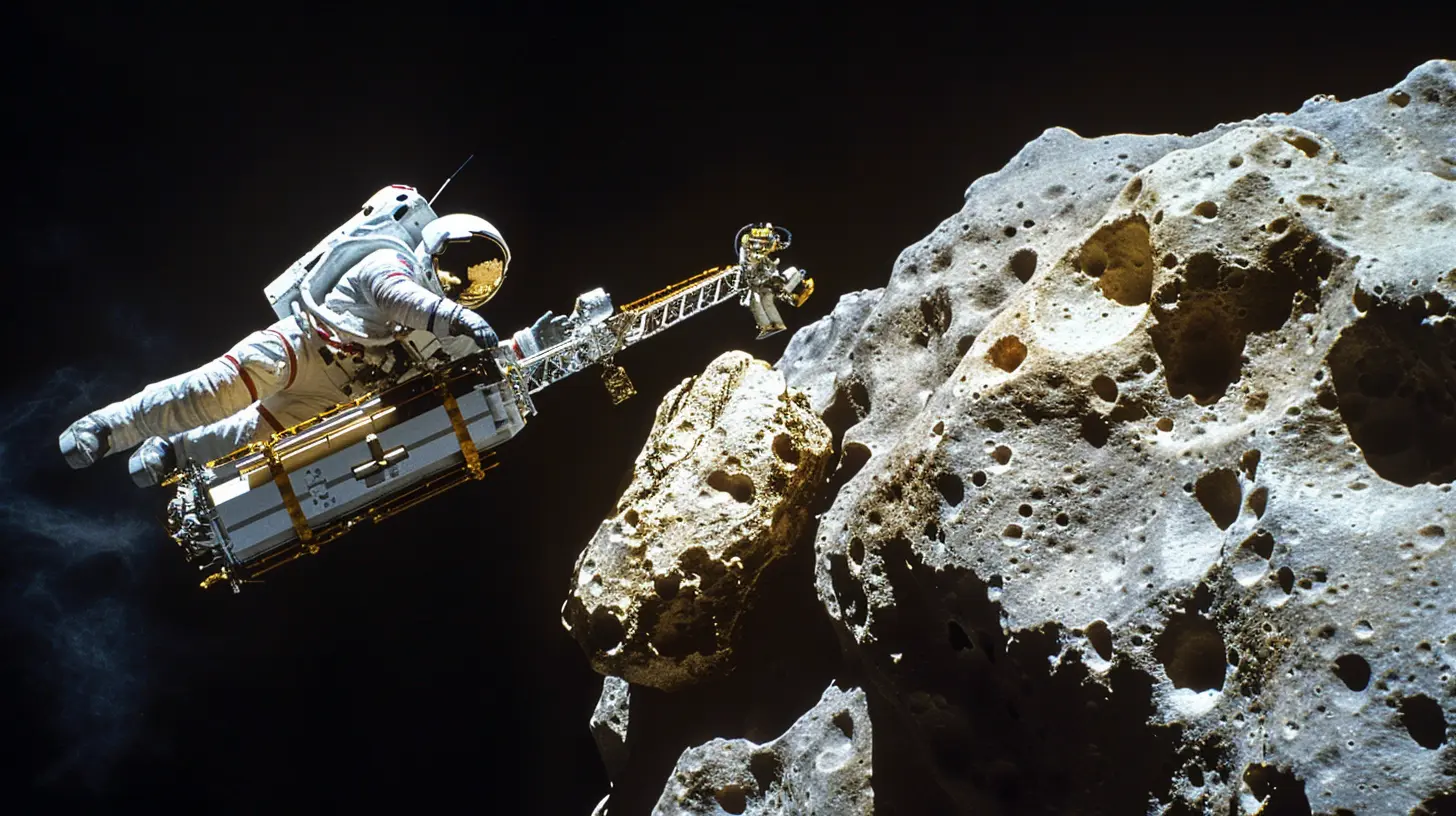
How Could We Colonize Asteroids?
So, how do we actually go about colonizing an asteroid? Let’s break down the possible steps.1. Identifying the Right Asteroid
Not all asteroids are suitable for colonization. Scientists would need to analyze their size, composition, and location before choosing the best candidates. Ideally, we’d pick an asteroid rich in resources, with water ice, and within a reasonable distance from Earth.Some promising candidates include:
- Ceres – A dwarf planet in the asteroid belt with potential water ice.
- Psyche – A metal-rich asteroid, possibly the remains of an ancient planetary core.
- Eros – A near-Earth asteroid that could serve as a stepping stone for space travel.
2. Sending Robotic Missions First
Before humans set foot on an asteroid, robotic missions would pave the way. Drones, rovers, and autonomous mining equipment could land on asteroids, analyze resources, and start setting up basic infrastructure. This step ensures safety and reduces risks for future human explorers.3. Constructing Habitats and Infrastructure
Once the necessary resources are confirmed, we’d send human crews to begin construction. They would set up habitats, storage facilities, life-support systems, and energy sources like solar panels or nuclear reactors.4. Developing Efficient Transport Systems
To make asteroid colonization sustainable, we’d need reliable transport systems. Spacecraft capable of ferrying people, equipment, and goods between Earth and asteroids efficiently would be essential. Space elevators, reusable rockets, and even electromagnetic launch systems could help bridge the gap between Earth and space.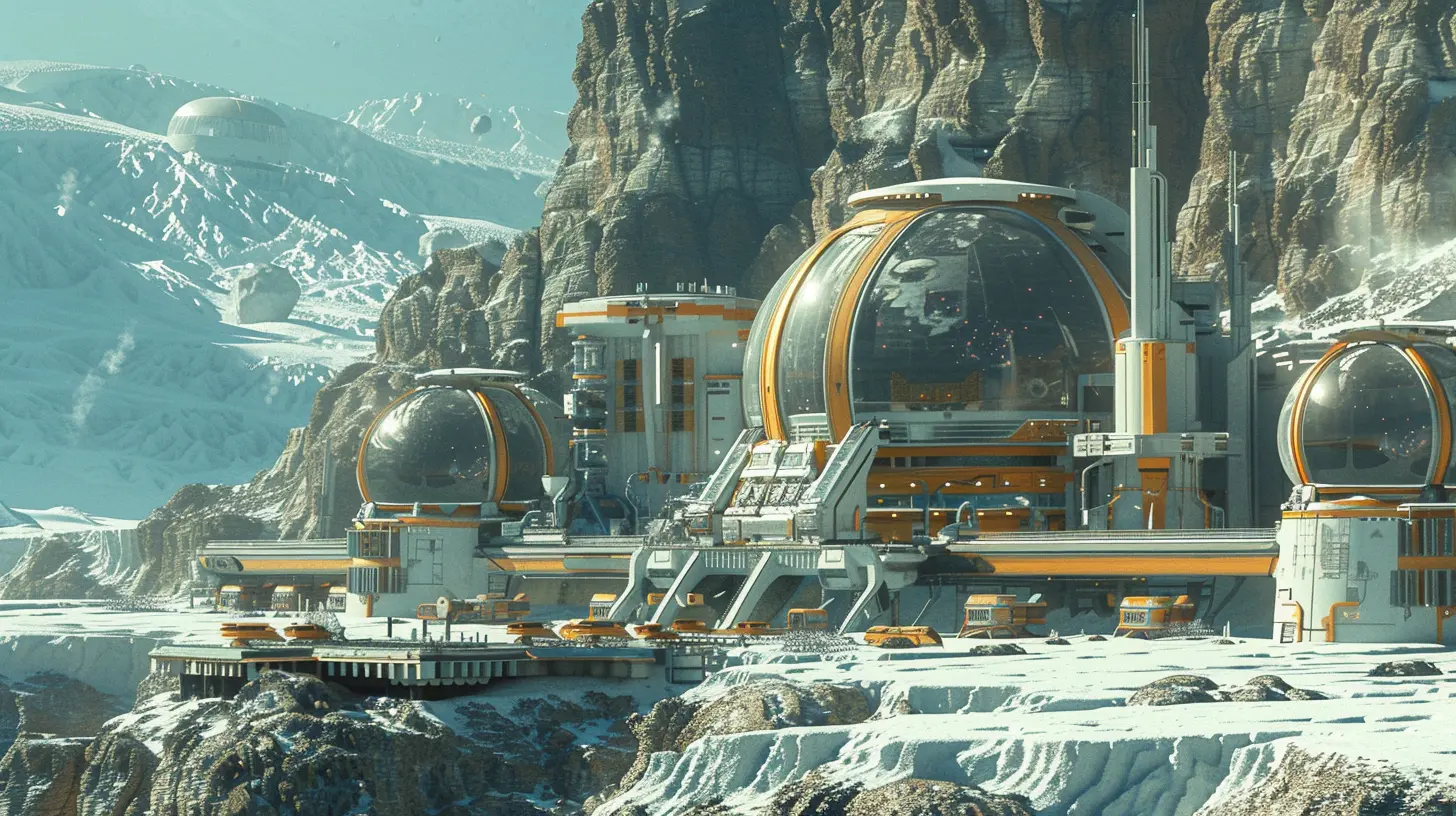
The Future of Asteroid Colonization
If we successfully colonize asteroids, what comes next?1. Space Mining Industry Boom
Mining asteroids could revolutionize the global economy. The abundance of metals could end Earth's resource shortages, drive down costs, and create new job opportunities in space. Companies like SpaceX, Blue Origin, and Planetary Resources are already eyeing space mining as the next big industry.2. Human Settlements Beyond Earth
Colonizing asteroids is just the beginning. If we can make asteroid settlements work, it could pave the way for colonies on Mars, the moons of Jupiter and Saturn, and possibly beyond our solar system. Asteroids act as stepping stones for humanity's expansion into deep space.3. Interstellar Travel Becomes Possible
One of the biggest benefits of asteroid colonies is their role in interstellar travel. Think of them as rest stops on a cosmic highway. By establishing bases on asteroids, we could eventually develop technology to send humans to exoplanets in nearby star systems. The dream of becoming a multi-planetary—and even multi-stellar—species could become a reality.Conclusion
Colonizing asteroids is not just a wild fantasy—it’s a practical step toward humanity's expansion into space. With resources waiting to be tapped, the potential for space travel improvements, and the promise of securing our species' long-term survival, asteroid colonies make a compelling case for the future of space exploration.Sure, challenges exist. But history has shown that humans are problem solvers. If we can land on the Moon and send rovers to Mars, then one day, we might just call an asteroid home. The universe is vast, and our journey has only just begun.
all images in this post were generated using AI tools
Category:
Space TechnologyAuthor:

Ugo Coleman
Discussion
rate this article
1 comments
Myles Wolfe
Colonizing asteroids presents exciting opportunities for resource extraction and scientific advancement. It could pave the way for sustainable space travel and provide vital materials for future missions. The potential is immense and worth exploring.
July 10, 2026 at 3:16 AM
Ugo Coleman
Absolutely, the potential of asteroid colonization is vast. It could revolutionize our approach to resource utilization and deepen our understanding of the universe. Exciting times ahead!