Essential Smart Home Features Every New Home Should Have by 2027
27 April 2026
Let’s be honest: building or buying a new home in 2027 without smart features is like buying a smartphone that can only make calls. Sure, it works—but you’re missing the whole point. The smart home isn’t a futuristic gimmick anymore; it’s the new baseline. By 2027, the tech won’t just be nice-to-have—it’ll be as essential as plumbing or electricity. So, what should you absolutely demand in your new home? I’ve dug into the trends, the hardware, and the real-world headaches to give you a no-BS list of essentials. Let’s walk through it together.
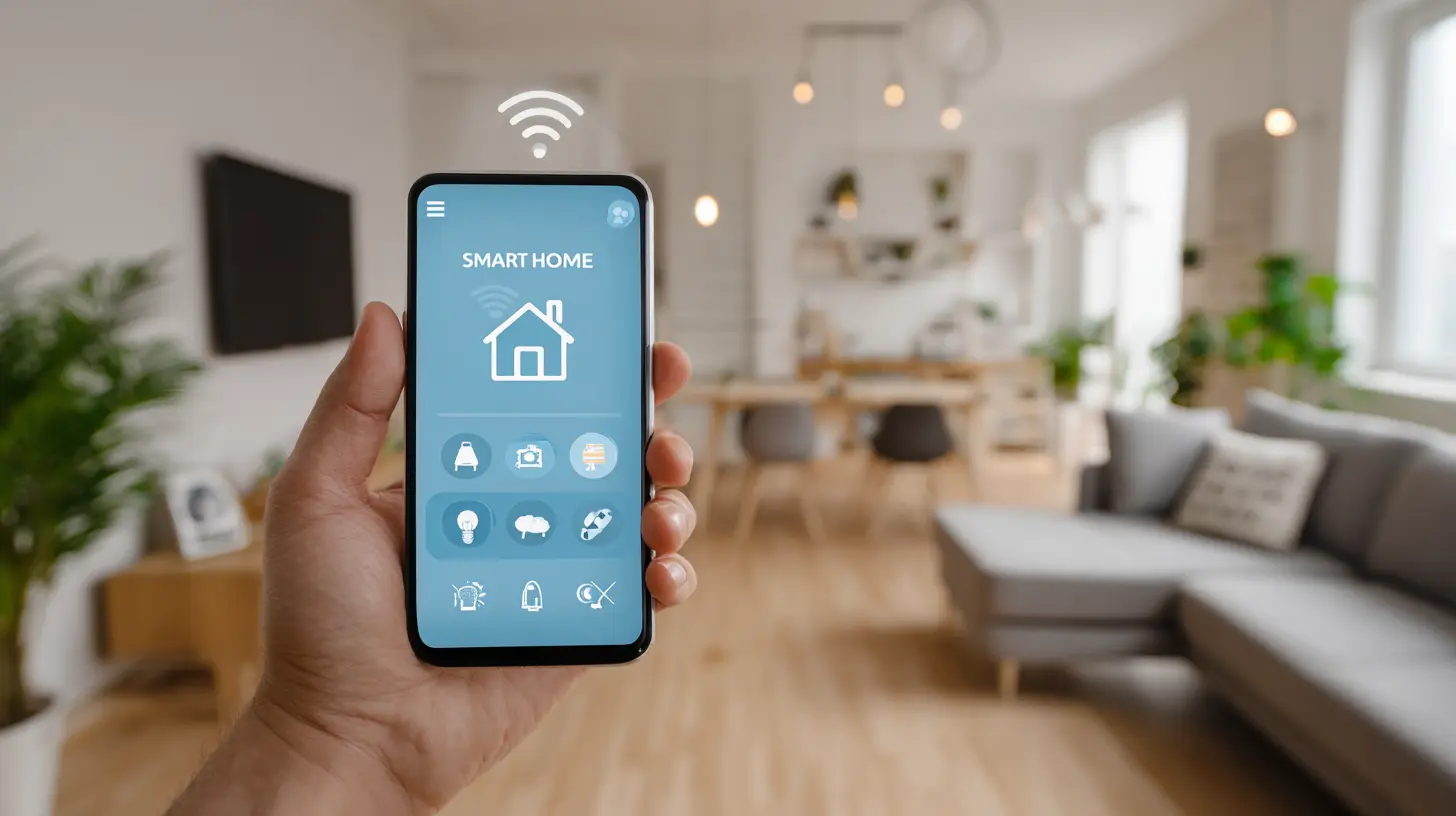
Why 2027 Is the Tipping Point for Smart Homes
Think about how fast tech moves. In 2020, smart speakers were a novelty. By 2023, they were in 50% of U.S. homes. By 2027, the infrastructure will be so embedded that a “dumb” house will feel like a relic. Why? Three reasons: chip costs are plummeting, AI is getting scarily good, and energy regulations are pushing efficiency. Your new home won’t just connect devices—it’ll think for you. Imagine a house that knows when you’re coming home, adjusts your thermostat, preheats your oven, and even checks if you left the garage door open. That’s not magic; it’s the new normal. So, let’s break down the features you can’t skip.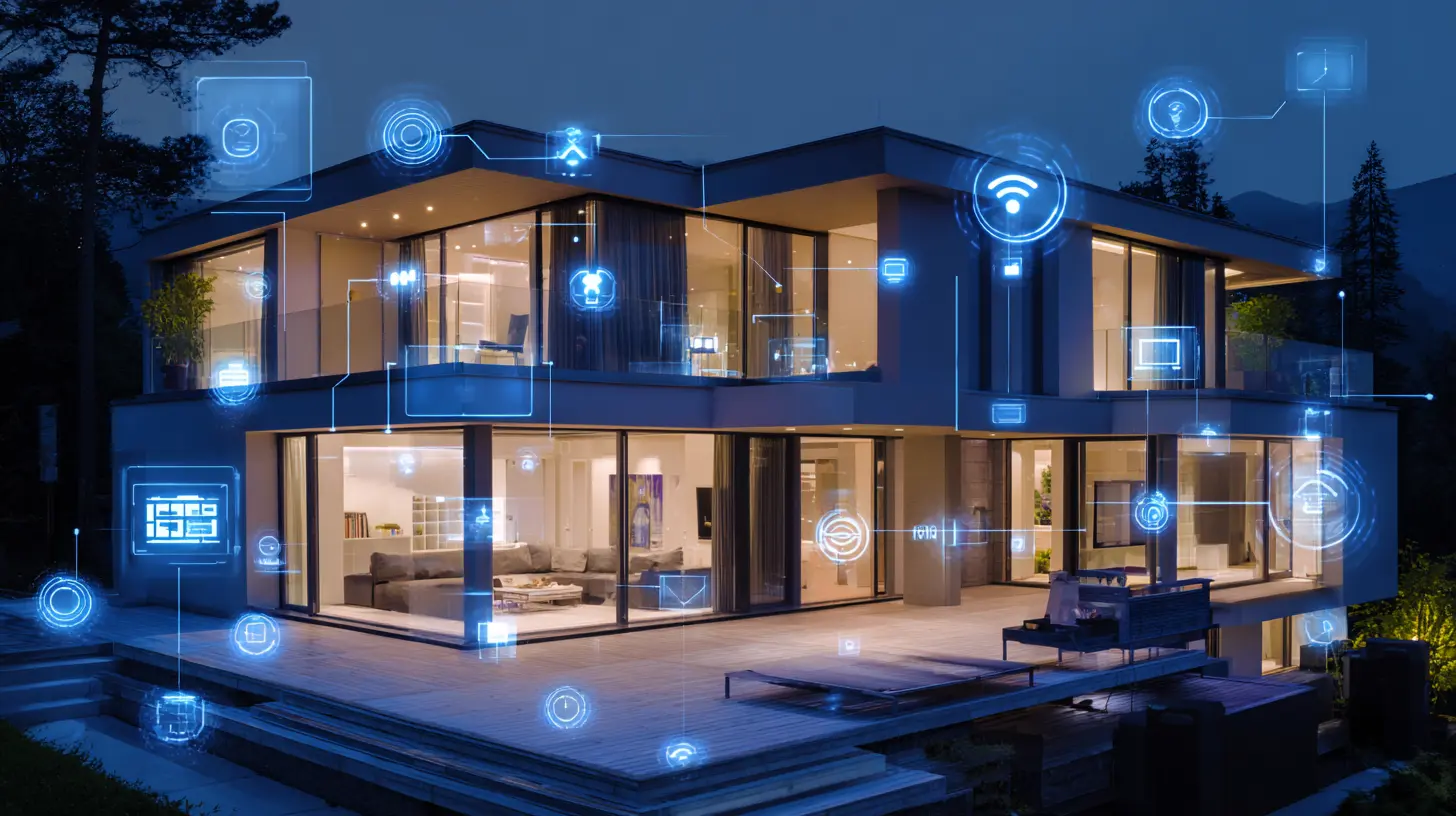
1. Whole-Home Mesh Wi-Fi 7: The Nervous System
You wouldn’t build a house without a solid foundation, right? Well, your smart home’s foundation is Wi-Fi. By 2027, Wi-Fi 7 will be the standard, offering speeds up to 46 Gbps and latency under 1 millisecond. But here’s the kicker: you need a mesh system—not a single router in a corner. Why? Because your smart doorbell, thermostat, lights, fridge, and security cameras will all be screaming for bandwidth. A mesh network with three or four nodes ensures every square foot has a strong signal. Don’t cheap out on this. If your Wi-Fi stutters, your whole house feels dumb. Install Ethernet backhaul if possible—it’s overkill now, but future-proof.What to Look For
- Wi-Fi 7 certification (backward compatible, but ready for 2027 devices).- Tri-band or quad-band to separate traffic (IoT devices on one band, streaming on another).
- Integrated Thread border router—this is key for Matter protocol (more on that later).
2. Matter Protocol Compatibility: The Universal Translator
Remember when you bought a smart bulb that only worked with Alexa, but your switch only worked with Google? Total nightmare. By 2027, Matter will be the universal language for smart home devices. It’s an open standard backed by Apple, Google, Amazon, and Samsung. Every new home should have a Matter-compatible hub (or no hub at all, since Matter works locally). This means your light switch from one brand will talk to your thermostat from another without drama. When you’re choosing devices for your new home, look for the Matter logo. If it’s not Matter-compatible, don’t buy it. Seriously. It’s like buying a VHS player in 2025.Why It Matters (Pun Intended)
- No vendor lock-in—you can switch ecosystems later.- Local control—no internet? No problem. Your lights still work.
- Simpler setup—one app to rule them all.
3. Smart Electrical Panel with Energy Monitoring
Here’s a feature most people overlook until their first $500 electric bill. A smart electrical panel (like Span or Leviton) replaces your old breaker box. It gives you real-time energy usage per circuit. In 2027, with AI, it’ll do more than track—it’ll optimize. For example, if you have solar panels, the panel will automatically shift heavy loads (like your EV charger or AC) to peak solar hours. It can even shed non-critical loads during a grid outage to keep your fridge and router alive. This isn’t a luxury; it’s a money saver. Plus, it’s the backbone for integrating battery storage.Must-Have Features
- Circuit-level monitoring via an app.- Automatic load shedding during blackouts.
- Solar and battery integration out of the box.
4. Adaptive Lighting System (Not Just Smart Bulbs)
Forget screwing in a smart bulb and calling it a day. By 2027, lighting will be adaptive—meaning it mimics natural daylight to support your circadian rhythm. Think of it like a sunrise alarm clock for your whole house. In the morning, lights shift to cool blue tones to wake you up. By evening, they warm to amber to help you wind down. This isn’t woo-woo science; it’s proven to improve sleep and mood. For a new home, install smart switches and dimmers (Lutron Caséta or similar) that control all your lights, not just lamps. Pair them with tunable white bulbs (like Philips Hue or Nanoleaf) that change color temperature.Why You’ll Love It
- Saves energy—lights dim automatically when natural light is abundant.- Boosts productivity—cool light in your home office keeps you alert.
- Enhances security—randomized schedules make it look like you’re home.
5. Climate Control with Zoning and AI
Your old thermostat just turns the AC on and off. By 2027, your home will have zoned HVAC with AI that learns your habits. Imagine this: your bedroom stays cool at night, your office warms up just before your morning meeting, and the living room doesn’t waste energy when you’re gone. New homes should come with motorized dampers in the ductwork, controlled by a smart thermostat like Ecobee or Nest. But the real magic is AI that factors in weather forecasts, your calendar, and even your heart rate (via a wearable). It’s not creepy; it’s efficient. Expect 20-30% savings on energy bills.What to Insist On
- Multi-zone capability (at least 4 zones for a typical house).- Temperature and humidity sensors in every room.
- Integration with your smart panel for load balancing.
6. Integrated Security with Computer Vision
Old-school security cameras just record. By 2027, they’ll understand what they see. Computer vision—powered by on-device AI—can distinguish between a delivery person, a stray cat, and an intruder. No more false alarms from swaying trees. Your new home should have PoE (Power over Ethernet) cameras wired into the walls, not battery-powered ones that die at 2 AM. Pair them with a video doorbell that uses facial recognition (with privacy controls) to greet family members and alert you to strangers. And don’t forget smart locks with geofencing—your door unlocks automatically when you arrive. But here’s the critical part: local processing. You don’t want your security footage sent to a cloud server in another country. Look for cameras with edge AI (like those from Ubiquiti or Reolink).Privacy First
- End-to-end encryption for all video feeds.- Local storage (SD card or NVR) as default.
- No subscription required for basic features.
7. Smart Water Management System
Water damage is a silent killer of homes. By 2027, every new home should have a smart water shutoff valve and leak detectors. Imagine this: a pipe bursts in your basement at 3 AM. Your system detects the sudden flow, shuts the main valve, and sends an alert to your phone. No flood, no $10,000 repair. Leak sensors under sinks, behind toilets, and near the water heater are cheap insurance. Also, look for smart irrigation controllers that adjust watering based on rain forecasts. They’ll save you 40% on outdoor water usage.What’s Non-Negotiable
- Automatic shutoff with manual override.- Water flow monitoring (detects running toilets or dripping faucets).
- Freeze protection—pipes drip automatically when temps drop.
8. Voice-Agent Hub with Local AI
Alexa and Google Assistant are fine, but they’re cloud-dependent. By 2027, your home should have a local AI voice agent that processes commands on-device. No lag, no privacy leaks. Think of it as a butler who never leaves the house. This hub should control everything: lights, locks, blinds, music, and even your coffee maker. It should understand context—like “I’m going to bed” turning off all lights, locking doors, and setting the alarm. The best part? It works offline. No internet? Your voice still works. Look for hubs that support open-source platforms like Home Assistant or Hubitat, not just proprietary ones.Why Local Matters
- Instant response—no waiting for cloud servers.- Privacy—your voice commands stay in your home.
- Reliability—even if your ISP goes down.
9. EV-Ready Garage with Smart Charging
If you’re building a new home in 2027, your garage is an energy hub. Even if you don’t own an EV yet, pre-wire for Level 2 charging. But don’t stop there—install a smart EV charger that communicates with your electrical panel. It’ll automatically charge your car when solar production peaks or when electricity rates are lowest (time-of-use tariffs). This isn’t just convenience; it’s economics. With bidirectional charging (V2G), your car could even power your home during an outage. That’s a game-changer.Essentials
- NEMA 14-50 outlet or hardwired charger.- Load management to avoid tripping your main breaker.
- App integration for scheduling and monitoring.
10. Smart Blinds and Windows
Windows are energy vampires. By 2027, motorized blinds will be standard, not a premium upgrade. They’ll automatically close during the hottest part of summer and open in winter to capture passive solar heat. Pair them with smart glass (electrochromic windows) that tint on demand—no curtains needed. This is a luxury now, but by 2027, it’ll be affordable. The result? Lower energy bills and better comfort. Plus, you can schedule them to wake you up with natural light instead of an alarm.What to Ask For
- Zigbee or Matter-compatible blinds.- Sun-tracking sensors for automatic adjustment.
- Privacy modes that tint instantly.
The 2027 Smart Home: A Living Ecosystem
Here’s the thing: these features aren’t just gadgets—they’re a system. Think of your home like a living organism. The mesh Wi-Fi is the nervous system, the smart panel is the brain, the sensors are the senses, and the AI hub is the consciousness. When everything works together, your home anticipates your needs. You don’t “control” it; you interact with it. By 2027, that’s not sci-fi. It’s standard.A Quick Reality Check
You might be thinking, “This sounds expensive.” And yes, some of these features add upfront costs. But consider this: a smart water shutoff valve costs $200 and can save you $10,000 in damage. A smart thermostat saves $150/year on energy. Over 10 years, these features pay for themselves. Plus, homes with smart infrastructure sell for 5-10% more. It’s not an expense; it’s an investment.How to Future-Proof Your New Home
If you’re building or buying in 2027, here’s your checklist:1. Wiring matters—run Cat6 Ethernet to every room, plus conduit for future upgrades.
2. Choose open standards—Matter and Thread over proprietary protocols.
3. Prioritize local control—avoid cloud-dependent devices for critical functions.
4. Plan for energy—solar-ready, battery-ready, EV-ready.
5. Don’t over-automate—start with the essentials (security, climate, water) and add later.
The Bottom Line
Your new home should feel like it’s working for you, not the other way around. By 2027, the essential smart home features aren’t about showing off—they’re about saving money, time, and sanity. Whether it’s a leak sensor that prevents a flood or a smart panel that slashes your electric bill, these technologies are becoming as basic as indoor plumbing. So, when you’re picking out countertops and paint colors, don’t forget the invisible infrastructure. Trust me, your future self will thank you.
all images in this post were generated using AI tools
Category:
Smart Home TechnologyAuthor:

Ugo Coleman
Discussion
rate this article
2 comments
Sara McKnight
Great insights! This forward-thinking guide is exactly what we need to plan smarter, more efficient homes for the near future.
April 30, 2026 at 3:58 AM
Ugo Coleman
Thank you! I'm glad you found it helpful. Excited to see how these features shape our homes soon.
Alisha Mendez
Great insights! Future-ready homes indeed!
April 28, 2026 at 3:51 AM
Ugo Coleman
Thanks for your feedback! Exciting times ahead for smart homes.