How Advances in Space Suits Are Enhancing Safety for Astronauts
6 June 2026
Alright, space fans, buckle up (pun 100% intended). Because we’re diving headfirst into the stylish, high-tech, actually-kind-of-life-saving world of space suits. You know, those bulky astronaut outfits that look like something out of a low-budget sci-fi flick from the '70s? Yeah—well, spoiler alert—they’ve had one heck of a glow-up.
Gone are the days of those stiff, marshmallow-man moon boots. Today’s space suits look more like Iron Man met IKEA: sleek, modular, lightweight, and terrifyingly clever. But here’s the kicker—they’re not just built to make astronauts look cool on Instagram. These fancy suits are literally walking (okay, floating) life support systems. And the upgrades? Oh, they’re all about safety. Because let’s face it, space is essentially a vacuum of nope.
So, grab your freeze-dried ice cream and let’s get into how technological wizardry in modern space suits is helping astronauts not die in one of the deadliest environments known to humankind.
From Tinfoil to Tech Armor: A Laughable History of Space Suits
Before we geek out over the current Marvel-tier suits, let’s rewind a bit. The early space suits? They were basically padded jumpsuits with duct tape and prayers. (Okay, slight exaggeration… but only slight.)The Mercury era suits? Cute, but not built for moonwalks. The Apollo suits? Better, but still felt like wearable tents. You try climbing lunar rocks in a 180-pound outfit and tell me how that goes.
Fast forward a few decades and you’ve got the Extravehicular Mobility Unit (EMU)—NASA’s go-to since the '80s. It’s reliable and has helped astronauts survive spacewalks, but let’s be honest, it’s kind of the flip phone of space suits now. Functional, yes. Cool and cutting-edge? Not even close.
So what changed? Literally everything.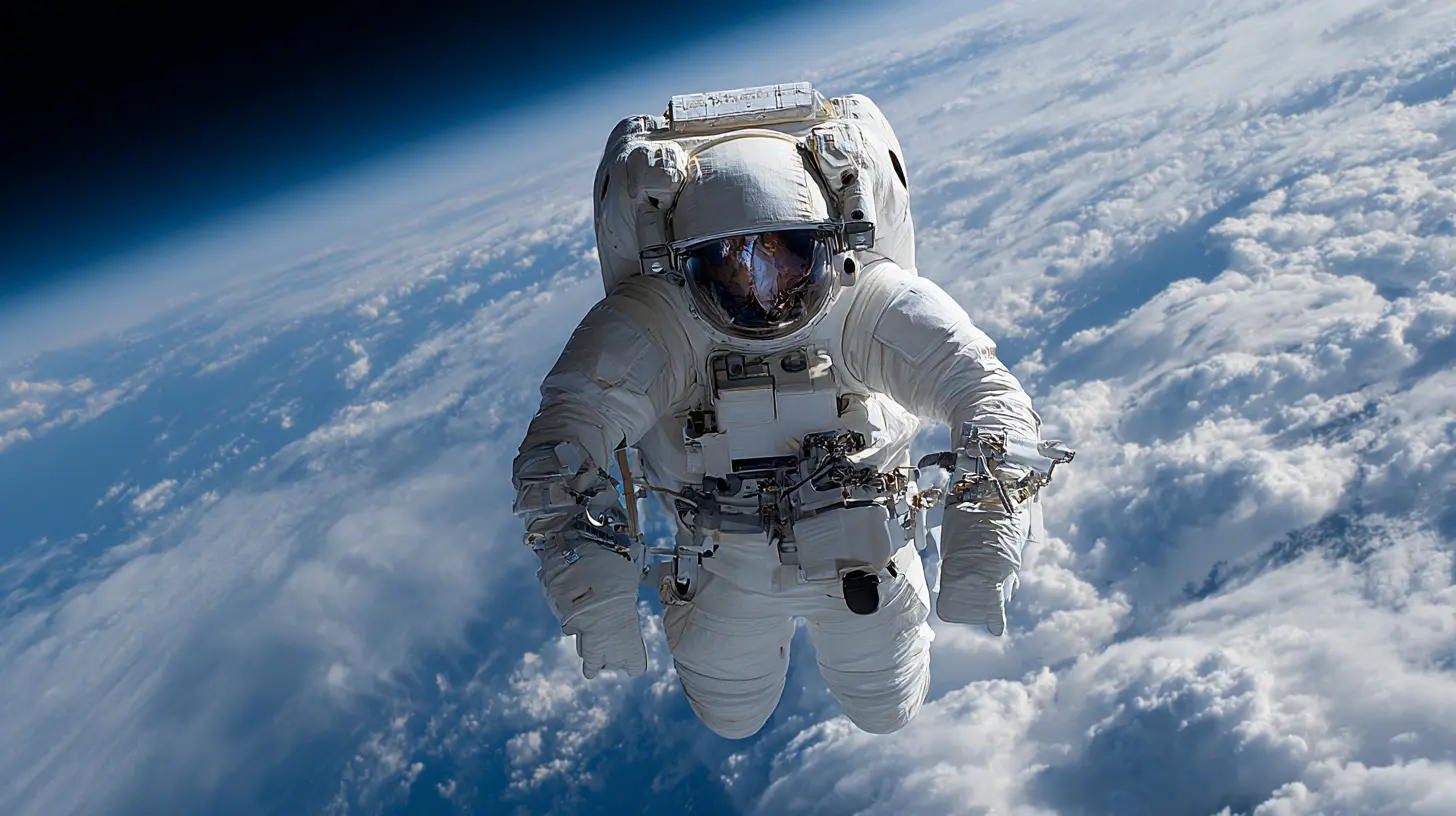
So, What’s New? The Sci-Fi Stuff That Actually Exists
Smart Materials: Because Duct Tape Only Gets You So Far
Let’s start with what the suits are made of. We're talking multiple layers of high-tech fabrics that laugh in the face of micrometeoroids and temperature swings of 500°F.Modern suits are like the onion of clothing. They have layers upon layers—from insulation to impact protection to thermal control and oh yeah, flame-resistant fabric. Because apparently, fire is still a thing… even in space.
Some companies are even working on self-healing materials. Yep, suits that fix themselves. Tony Stark, eat your heart out.
Flexibility: Finally, You Can Scratch Your Nose… Almost
Old space suits = stiff as a board. Movement was basically a game of “how NOT to snap a femur.”Today’s suits are like yoga pants for the cosmos. Engineers are building in joints designed for actual human motion. Want to reach forward without doing the robot? Now you can. Advanced bearings, soft robotics, and better geometry are giving astronauts freedom of motion without compromising safety.
It’s like going from medieval armor to Under Armour.
Heads-Up Displays: Because NASA Loves a Good Augmented Reality Moment
You remember that Iron Man HUD? The one with all the data flying around while he flies through space? That’s not just movie magic anymore.NASA and commercial entities are toying with AR inside helmet visors—think real-time data, navigation cues, oxygen levels, and maybe even Space Spotify (okay, that last one’s a dream). These heads-up displays let astronauts stay informed without having to glance at a clunky wrist panel while floating 250 miles above Earth.
It’s either that or yelling “Hey Siri, what’s my oxygen level?” which, fun fact, doesn’t work so well in vacuum.
Life Support Upgrades: Because Breathing Is Kind of Important
Space suits basically double as personal spacecraft. They provide air, regulate temperature, filter out carbon dioxide, and generally try really hard not to let the person inside turn into a frozen popsicle.Recent advancements in the Primary Life Support System (PLSS) are game changers. Think better CO₂ scrubbers, longer battery life, and even backup systems for backup systems. They're designed to handle emergencies like suit punctures or failing components with so much redundancy you’d think they were built by overprotective space moms.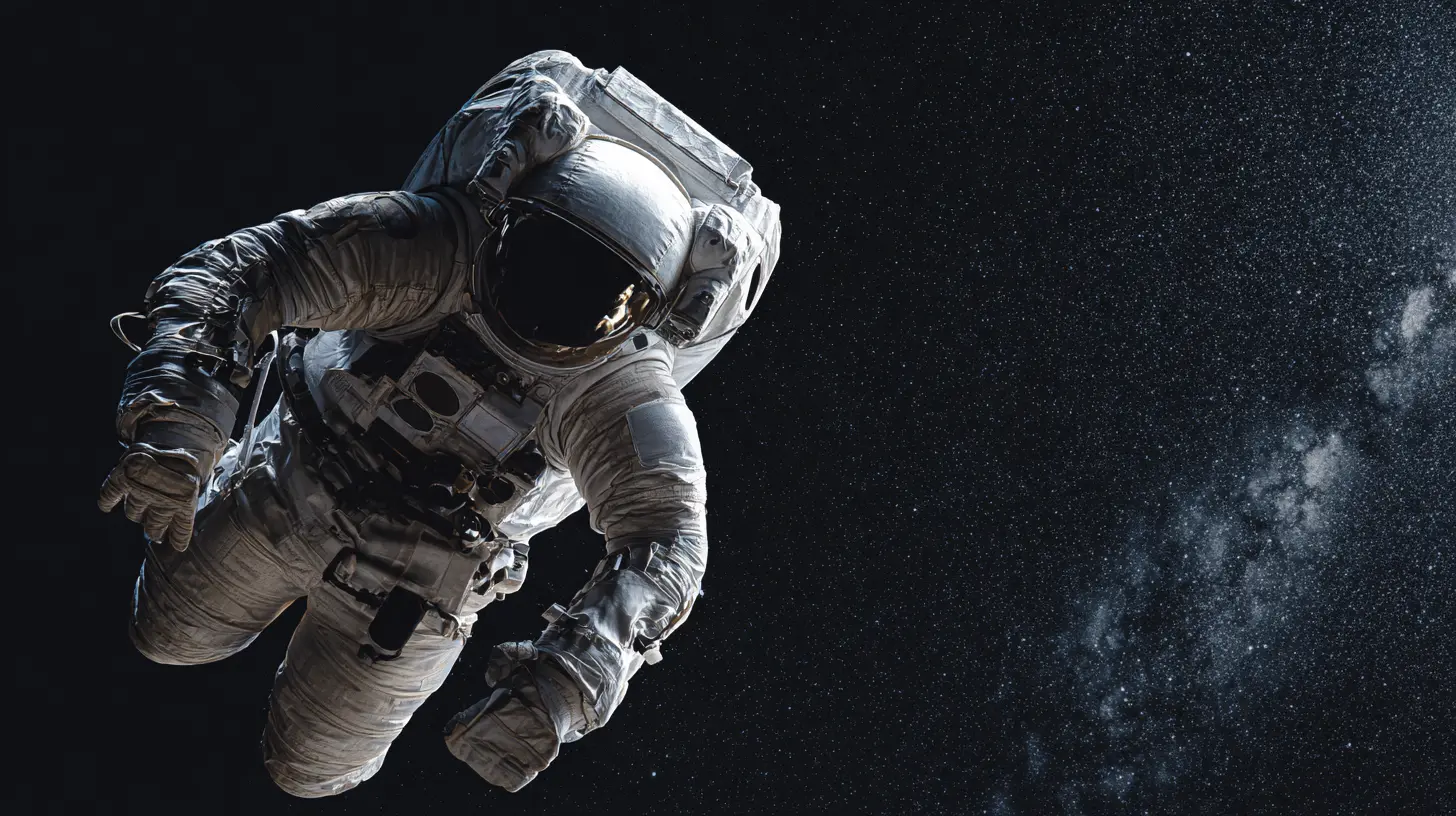
XEMU, Spacesuits by SpaceX, and Other Letters That Shouldn't Make Sense but Do
NASA’s xEMU: Fancy Acronym, Serious Upgrades
The xEMU (Exploration Extravehicular Mobility Unit) is NASA’s next-gen pride and joy. Designed for Moon, Mars, and maybe your dreams if you’re into that, it improves on everything from mobility to communication.Think better shoulder and hip mobility, easier donning/doffing (that's space speak for putting it on and taking it off), and improved dust resistance. Lunar dust, by the way, is like glitter from hell—it gets everywhere.
And yes, the xEMU is being designed with safety front and center. It can handle 8+ hours of EVA (that’s Extra Vehicular Activity for Earthlings), extreme temperature shifts, and even radiation exposure better than ever before.
SpaceX’s Starship Suits: Sleek AF But Still Learning
Elon Musk didn’t just want to make electric cars and tweet questionable things—he wanted to put humans in space dressed like they’re headed to a Vogue shoot.The SpaceX suits are lightweight and clean-looking. They’re designed for spacecraft use, not spacewalks, but safety wasn’t skimped on. They’re pressure-regulated, flame-retardant, and even integrated with the ship’s life support system.
Plus, they look cool. Don’t lie—you know you'd post a selfie.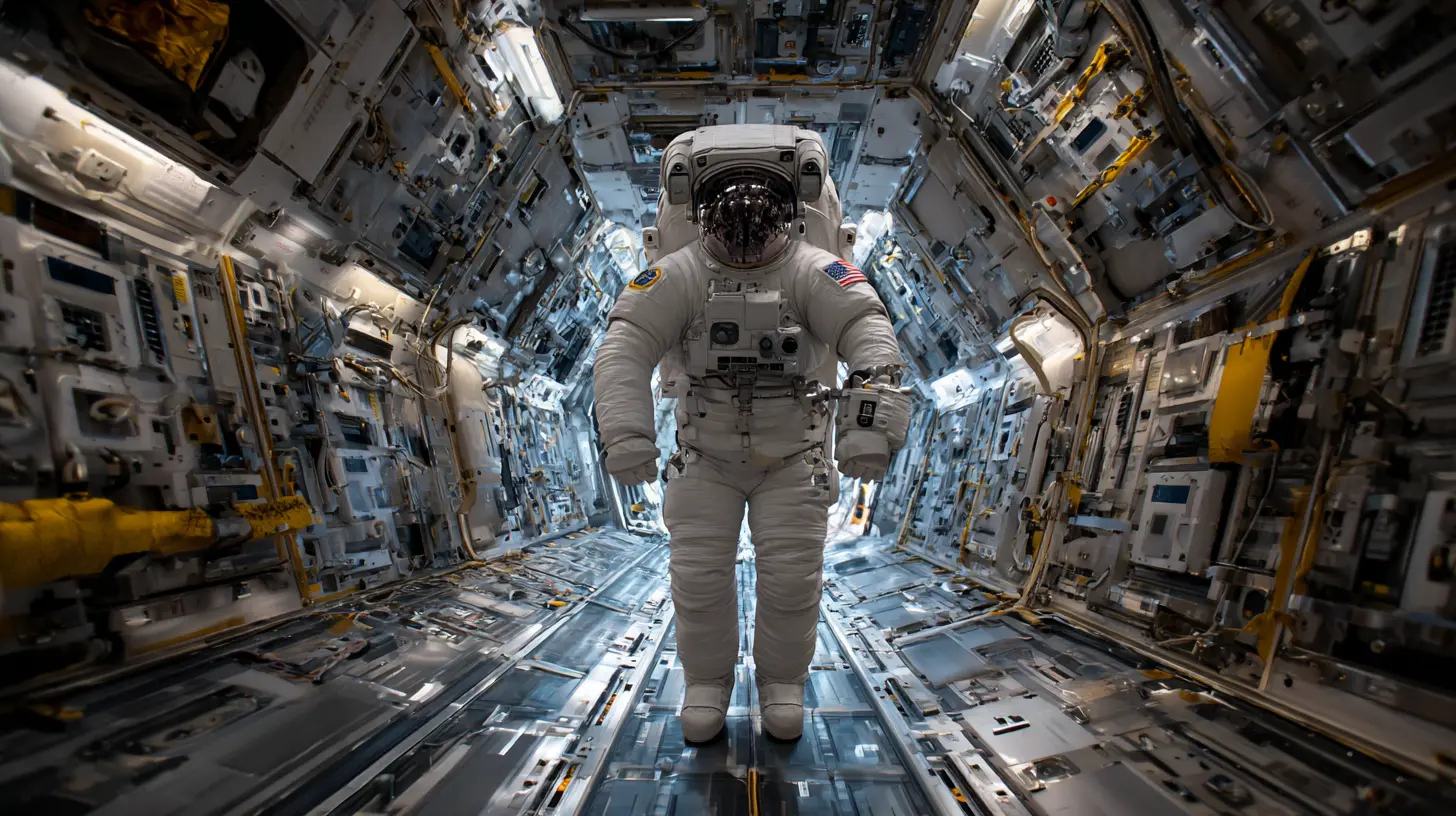
Safety First, Ego Later: Why These Upgrades Really Matter
Radiation Protection: Because Getting Microwaved Isn’t Fun
Let’s talk cosmic radiation. No ozone. No magnetosphere. Just you, your suit, and rays that would love to scramble your DNA.Modern suits are using radiation-resistant layers and materials designed to reflect or absorb much of this cosmic bath. While it’s not full immunity (we’re working on it!), it’s a solid step up from “I hope this canvas stops the gamma rays."
Let’s just say astronauts are slightly less likely to come back from missions looking like a Marvel origin story.
Micrometeoroid Defense: Space Has Shrapnel. Yes, Really.
Space is full of stuff. Some of it is tiny, flying faster than a bullet, and completely invisible. So yeah, suits need to stop that.Multi-layered outer shells with materials like Kevlar and specialty polymers are now standard. They’re designed to absorb and disperse impacts before they turn astronauts into swiss cheese.
NASA does rigorous testing, simulating impacts to ensure the suits can survive the worst-case scenarios. Basically, your suit has better armor than most cars.
Pressure Systems: No One Likes Imploding
Imagine one pinhole in your suit. One. Tiny. Leak. Guess what? Instant decompression.To prevent that, modern suits have layered fail-safes, pressure systems that auto-adjust, and seams that can handle enormous stress without giving out. It’s engineering overkill in the best way.
Honestly, it’s like wearing a submarine on your body. But cooler.
The Commercial Space Suit Race: Because NASA Shouldn’t Have All the Fun
Let’s not forget the private players now getting cozy with low Earth orbit. SpaceX, Blue Origin, Boeing, and even startups like Axiom Space are saying "We’ll take it from here" and designing their own suits.Competition means innovation (and cooler Instagram content). These new players are pushing the envelope with custom fits, personalized displays, lighter materials, and yes—safety features that actually evolve as missions do.
Space tourism is on the horizon, folks, and your average billionaire is going to need something safer than a ski jacket. So far, all signs point to space suits becoming accessible, modular, and wildly safe. And yes, probably with Wi-Fi.
Final Thoughts: From Bubble Wrap to Battle Armor
Let’s be honest—astronauts are basically space daredevils with PhDs. What they do is amazing, brave, and just a little insane. But that insanity is wrapped in some of the most advanced, innovative tech we’ve ever created.These new space suits? They’re lightyears (pun again, sorry not sorry) beyond what anyone thought possible back when landing on the moon was new. And they’re only getting better.
So the next time you see some astronaut floating in zero gravity wearing a sleek, high-tech suit, remember: you’re looking at the result of decades of engineering, billions in R&D, and maybe just a touch of fashion sense.
Because if you’re going to defy death in the vacuum of space, you might as well look good doing it.
all images in this post were generated using AI tools
Category:
Space TechnologyAuthor:

Ugo Coleman
Discussion
rate this article
1 comments
Sabrina Webster
Space suits are the unsung heroes of the cosmos. With each upgrade, they transform from bulky outerwear to high-tech life savers, ensuring astronauts are truly out of this world.
June 9, 2026 at 4:05 AM
Ugo Coleman
Absolutely! Space suits are vital for astronaut safety, evolving with technology to provide better protection and mobility in the harshness of space.