How AI Will Transform Your Living Space by 2027
26 April 2026
Picture this: You walk through your front door after a brutal day, and your home greets you. Not with a pile of mail and a blinking answering machine, but with the perfect temperature, the scent of your favorite essential oil, and a soft voice saying, “Rough day? I made your favorite playlist. Also, the fridge ordered kale—don’t be mad.”
Sound like sci-fi? It’s not. By 2027, AI won’t just live in your pocket or your laptop. It’ll live in your walls, your furniture, and your appliances. And I’m not talking about a soulless robot vacuum bumping into your table leg. I’m talking about a living space that thinks, adapts, and maybe even cracks a joke.
Let’s walk through the next few years, room by room, and see how your home is about to get a serious upgrade. 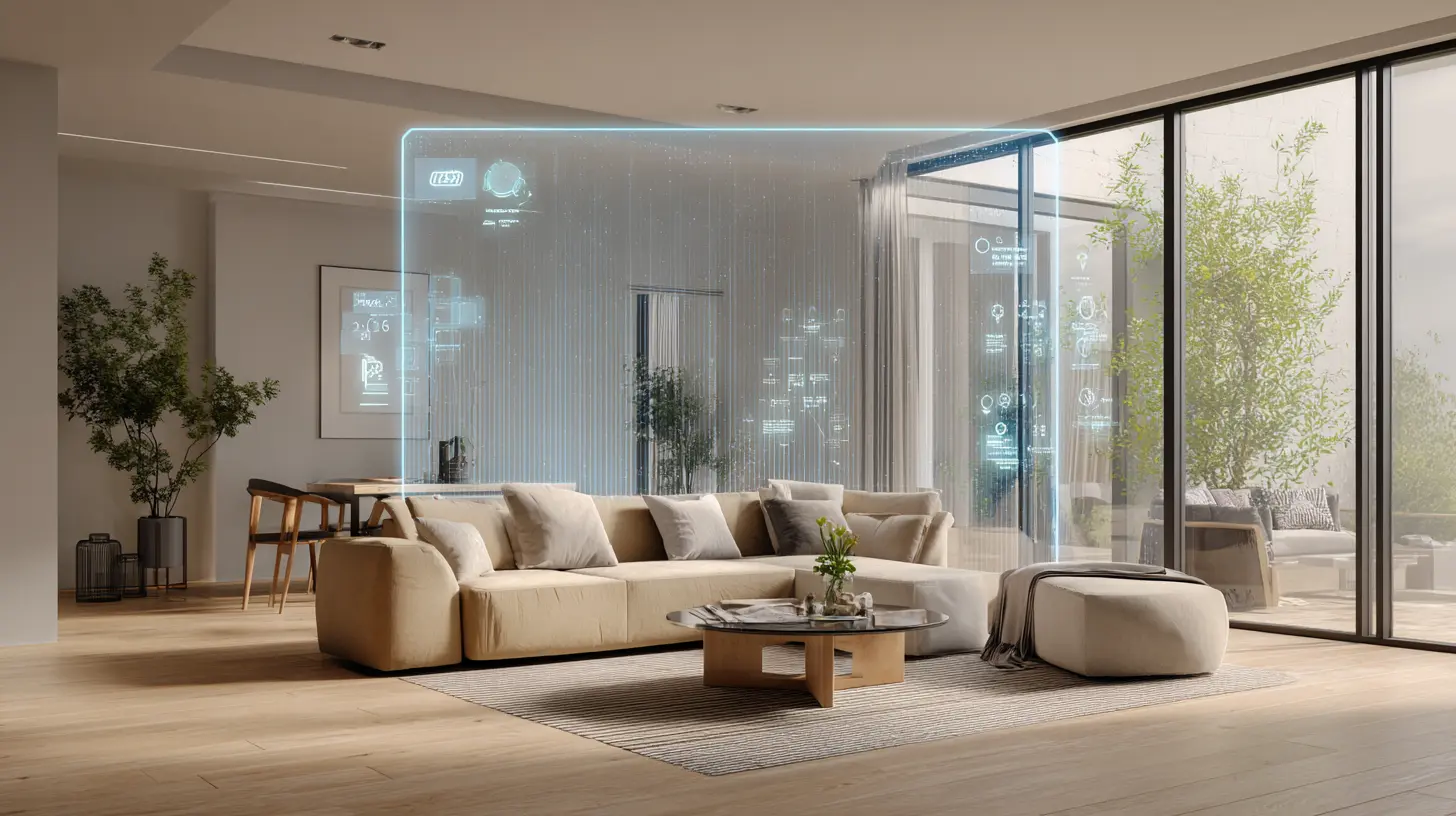
The Living Room: From Static to Sentient
Your living room is about to become the smartest square footage in your life. Forget the “smart TV” that still requires three remotes and a prayer to change inputs. By 2027, your living room will understand you.Walls That Listen (But Don’t Judge)
Imagine ambient sensors embedded in your walls—no cameras, no creepy eyeballs—that can detect your mood from your voice tone and body language. If you’re slouching and sighing, the lights dim to a warm amber, and the sound system plays lo-fi beats. If you’re bouncing with excitement, the room brightens and your favorite podcast starts.It’s like having a roommate who actually pays attention, except this one never eats your leftovers.
Furniture That Moves for You
Modular furniture powered by AI will rearrange itself based on your activity. Hosting a movie night? The sofa reconfigures into a recliner formation. Working from home? The coffee table rises to desk height, and a privacy partition slides out from the ceiling.This isn’t a gimmick. For anyone living in a small apartment—and let’s be honest, that’s most of us by 2027—this is a game-changer. Your living room will shape-shift like a Transformer, but without the explosions.
The Kitchen: Your Personal Chef (and Nutritionist)
The kitchen is where AI will truly flex its muscles. By 2027, cooking won’t be a chore—it’ll be a collaboration.The Fridge That Talks Back
Your smart fridge won’t just tell you when the milk is expired. It’ll scan the barcodes and expiration dates of everything inside, cross-reference your calendar, and suggest meals based on what you’ll actually eat this week.But here’s the kicker: It’ll also connect to your fitness tracker. If you skipped your run, it might suggest a lighter dinner. If you crushed a workout, it’ll recommend a protein-packed stir-fry.
“But what if I want pizza?” you ask. The fridge will sigh—digitally, of course—and order the healthiest frozen pizza it can find. It’s a nag, but a gentle one.
Stoves That Cook While You Nap
AI-powered induction cooktops will use computer vision to monitor your pan’s temperature and contents. You can literally walk away. No more burnt garlic. No more overcooked pasta.By 2027, you’ll be able to say, “Hey, cook this chicken breast to 165°F with a crispy skin,” and the stove will handle the rest. You’ll just chop veggies and sip wine.
Think of it as a sous-chef who never calls in sick.
The Bedroom: Sleep, Sex, and Serenity
Your bedroom is about to become a sanctuary—and I mean actually sanctuary, not just a room with a “Live, Laugh, Love” sign.The Mattress That Knows You’re Stressed
Smart mattresses aren’t new, but by 2027, they’ll be clairvoyant. Using pressure sensors, temperature mapping, and even heart-rate variability, your bed will adjust its firmness, warmth, and even incline to match your sleep cycle.If you’re tossing and turning, it’ll gently cool down one side of the bed and play white noise. If you’re having a nightmare (yes, AI can detect REM sleep disturbances), it’ll subtly increase lavender scent diffusion.
Your bed will care about your sleep more than you do.
The Closet That Dresses You
AI-powered closets will use RFID tags and computer vision to catalog every piece of clothing you own. In the morning, you’ll step in front of a mirror that suggests outfits based on the weather, your schedule, and even your mood.“You have a presentation today, so I’d recommend the navy blazer. Also, that shirt is wrinkled—I’ve already steamed it.”
This isn’t just convenient. It’s a time-saver that could give you back 15 minutes every morning. That’s 91 hours a year. Imagine what you could do with that.
The Bathroom: Where AI Gets Personal (Maybe Too Personal)
Yeah, the bathroom. By 2027, your bathroom will be more diagnostic than a yearly physical.The Mirror That Sees Inside You
Smart mirrors with spectral cameras will analyze your skin for UV damage, hydration levels, and even early signs of melanoma. They’ll also scan your eyes and face for signs of fatigue, dehydration, or illness.Your mirror will tell you to drink more water. And you’ll listen, because it’s also tracking your urine color via the toilet. (Yes, that’s a real thing in development.)
The Toilet That Tests Your Health
Your toilet will become a non-invasive health monitor. It’ll analyze your waste for biomarkers (sugar levels, infection markers, even early cancer signs) and send a report to your phone.It sounds weird, I know. But ask anyone who’s missed a health warning until it was too late—this could save lives. And it’s way less awkward than a doctor’s visit.
The Home Office: Your Virtual Assistant Becomes a Colleague
By 2027, remote work isn’t going anywhere. But your home office will evolve from a desk in the corner to a full-on productivity hub.AI That Manages Your Distractions
Your workspace will use AI to monitor your focus. If you’re distracted—scrolling social media, staring out the window—a gentle chime will remind you to refocus. If you’ve been in a deep-focus flow for two hours, it’ll suggest a break and order your coffee.It’s like having a manager who cares about your well-being, not just your output.
Noise Cancellation That Adapts
Forget noise-canceling headphones. By 2027, your room itself will cancel noise. Acoustic panels with AI-driven microphones will detect outside sounds—traffic, a neighbor’s barking dog—and emit anti-noise frequencies.You’ll be able to work in silence even if your neighbor decides to practice the bagpipes at 2 PM. (We’ve all been there.)
The Garden: AI Goes Green
Even your outdoor space won’t escape the AI revolution.The Garden That Waters Itself (and Talks to Plants)
Smart irrigation systems will use weather forecasts, soil sensors, and plant recognition to water your garden with surgical precision. But by 2027, they’ll go further: They’ll use AI to detect pests, nutrient deficiencies, and even fungal infections before they’re visible.Your garden will send you a text: “The tomatoes are thirsty, and the basil has a minor aphid problem. I’ve already released predatory ladybugs.”
Yes, your AI will deploy an army of ladybugs on your behalf. That’s the future I want to live in.
The Bigger Picture: How AI Will Change Your Relationship with Home
Here’s the thing: All this technology isn’t about making you lazy. It’s about making your home responsive to your life, rather than a static box you have to manage.The Death of “Smart Home” Setup Hassle
By 2027, you won’t need to install five different apps, buy a hub, and spend a weekend configuring everything. AI will self-configure. You’ll plug in a device, and your home’s central AI will identify it, pair it, and integrate it into your existing routines.It will be as easy as plugging in a toaster. And about as frustrating when it breaks—but that’s a topic for another day.
Privacy: The Elephant in the Room
I can’t talk about a home that watches, listens, and analyzes without addressing the privacy concerns. By 2027, local AI processing will be the norm. Your data won’t leave your home. All the analysis—mood detection, health tracking, sleep monitoring—will happen on a local server in your basement or closet.Think of it as a home brain that never phones home. You’ll own your data, and you’ll control who has access. That’s the only way this works.
The Unexpected Side Effects
AI in your living space will also change your behavior in subtle ways. For example:- You’ll waste less food. The fridge will track expiration and suggest recipes using what’s about to go bad.
- You’ll save energy. The home will learn your patterns and adjust heating, cooling, and lighting to minimize waste without you noticing.
- You’ll argue less with family members. The thermostat wars will end. The AI will find the compromise temperature based on everyone’s preferences and body temperature.
Your home will be a diplomat.
What Won’t Change (And Shouldn’t)
Let’s be real: No amount of AI will make your home feel like a home if you don’t put love into it. The AI won’t replace the smell of fresh cookies, the warmth of a hug, or the joy of a shared movie.AI is the stage, not the play. It sets the lighting, adjusts the temperature, and helps you remember the lines. But the story? That’s still yours to write.
The 2027 Home: A Summary
By 2027, your living space will:- Adapt to your mood, schedule, and health.
- Anticipate your needs before you articulate them.
- Protect your privacy while helping you live better.
- Simplify the mundane so you can focus on what matters.
It won’t be perfect. There will be glitches, updates, and the occasional “Why did my toilet just send me a meme?” But overall, your home will feel less like a machine and more like a partner.
So, are you ready to live in a space that actually lives?
Because the future isn’t coming to your doorstep—it’s already knocking on your walls.
all images in this post were generated using AI tools
Category:
Smart Home TechnologyAuthor:

Ugo Coleman
Discussion
rate this article
2 comments
Xeno Hernandez
This is such a realistic take—finally! I’d love a home that anticipates my coffee needs before I even yawn. Just promise me the toaster and thermostat won’t start arguing about my schedule. 😅
April 30, 2026 at 3:58 AM
Ugo Coleman
Thanks for the comment! Imagine a home that knows you better than you know yourself. Let's hope the toaster and thermostat can play nice.
Soren Robinson
By 2027, your living space might just have more AI than furniture! Get ready for a coffee machine that knows your mood better than your partner and a vacuum that not only cleans but also judges your snack choices. Who knew home could be this smart—and sassy?
April 26, 2026 at 3:34 AM
Ugo Coleman
Absolutely! The future of smart homes is not just about convenience; it's about creating personalized and engaging environments that enhance our daily lives. Exciting times ahead!