How Augmented Reality is Making Learning More Interactive
3 March 2026
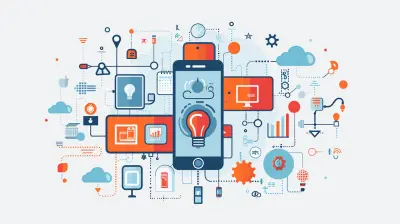
Technology is evolving faster than ever, and its impact on our daily lives is undeniable. But one area where it’s making an especially significant difference is education. The way we learn is changing, and it's all thanks to Augmented Reality (AR). If you think AR is just for video games or Snapchat filters, think again. This cutting-edge tech is revolutionizing classrooms, making the learning process more engaging, interactive, and, quite frankly, a lot more fun!
In this article, we’ll dive deep into how augmented reality is transforming education and making learning more interactive. Spoiler alert: It’s as cool as it sounds!
What is Augmented Reality?
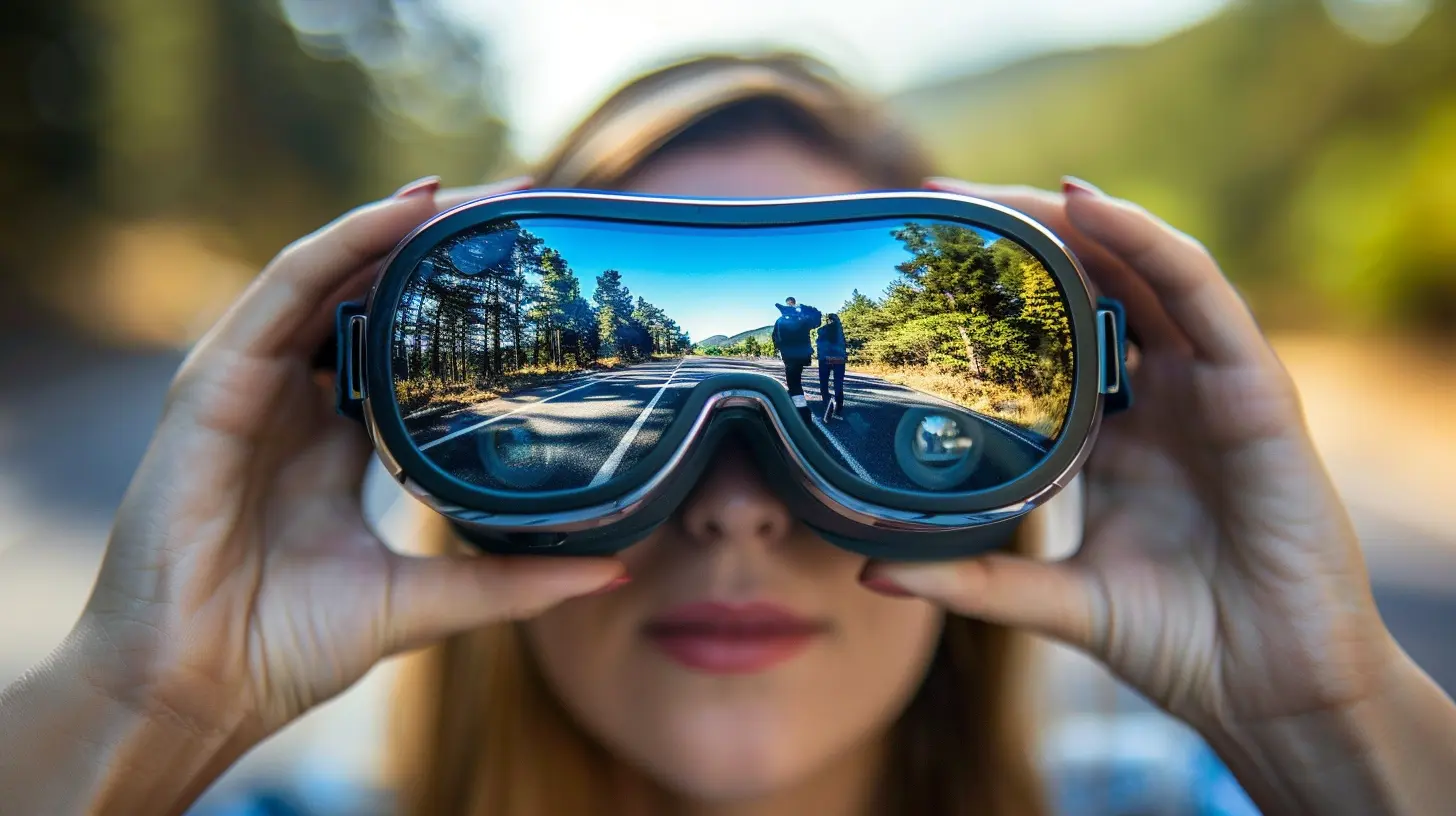
Before we get into the nitty-gritty of how AR is reshaping education, let's first take a step back and understand what augmented reality actually is.Augmented reality (AR) is a technology that overlays digital content—such as images, sounds, or other forms of media—onto the real world through a device, usually a smartphone, tablet, or AR headset. Unlike virtual reality, which completely immerses you in a digital world, AR enhances the real world by adding layers of information to it.
Imagine pointing your phone at a historic building and suddenly seeing facts, figures, and 3D models pop up on your screen. That’s augmented reality at work. And when applied to education, the possibilities are endless.
Why is AR Important in Education?
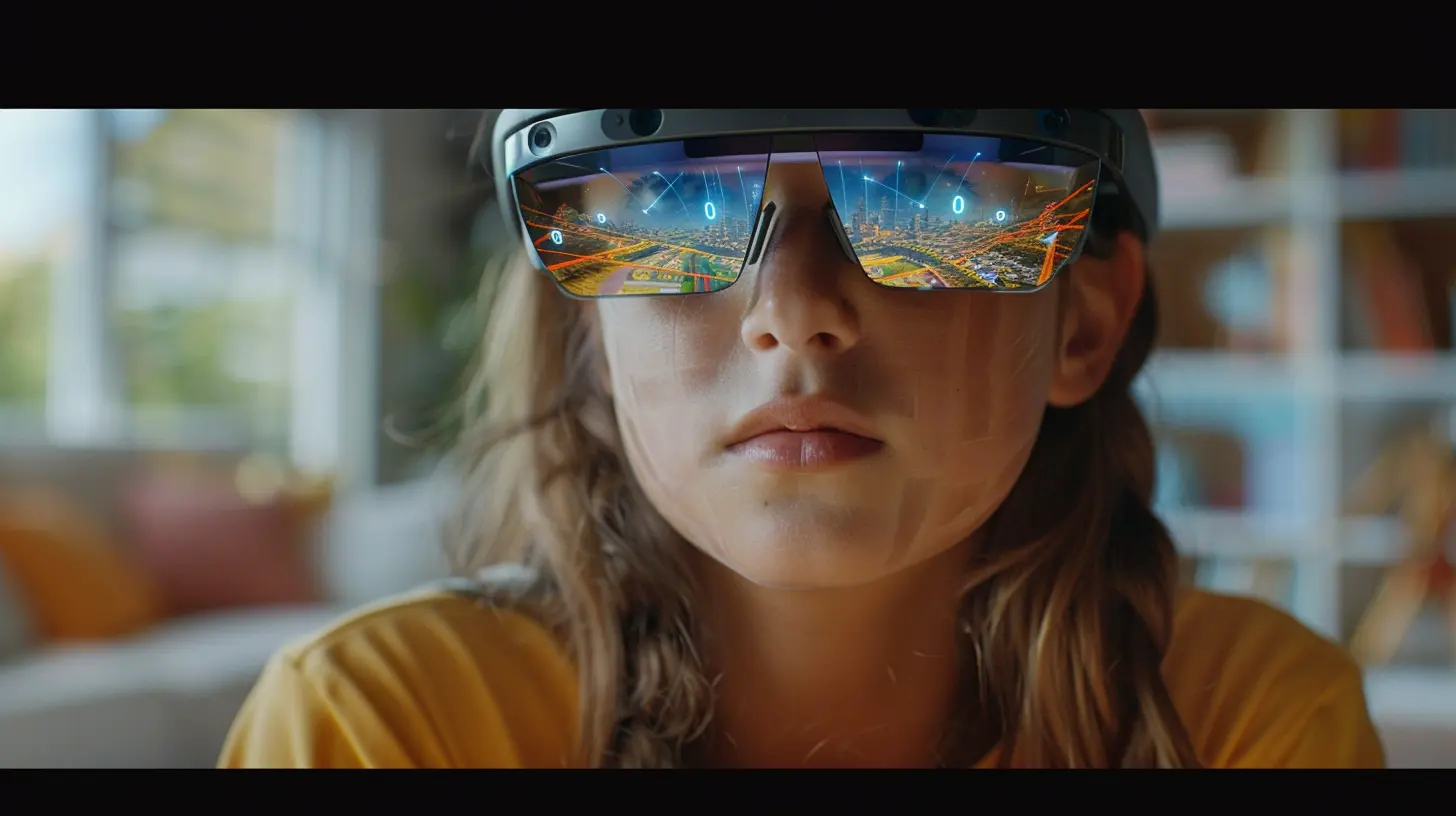
Let’s be real: traditional methods of learning can sometimes feel...well, a bit stale. Lectures, textbooks, and PowerPoints may not always capture students' attention, especially in a world where everyone’s used to quick, immersive, and visually appealing content. AR has the potential to change that by making learning a multi-sensory experience.1. Increased Engagement
When students can interact with the material in a 3D space, they’re more likely to engage with it. Think about it—what would be more captivating: reading about the solar system from a textbook or holding a smartphone up to see planets orbiting around the sun in real-time? The latter, right?Using AR, students can visualize complex concepts in a way that’s not possible with traditional methods. This keeps them engaged and more likely to retain the information.
2. Learning by Doing
We all know that hands-on learning is one of the most effective ways to teach. With AR, students can experience "learning by doing" without needing to leave the classroom. Whether it's dissecting a frog in biology or experimenting with a chemical reaction in chemistry, AR allows students to interact with these processes without the risks and costs associated with real-world experiments.3. Personalized Learning
AR also allows for more personalized learning experiences. Different students learn differently—some are visual learners, while others may prefer auditory or kinesthetic approaches. AR can cater to all these learning styles. For instance, students struggling with a concept can use AR to see the material presented in various formats, ensuring they’re not left behind.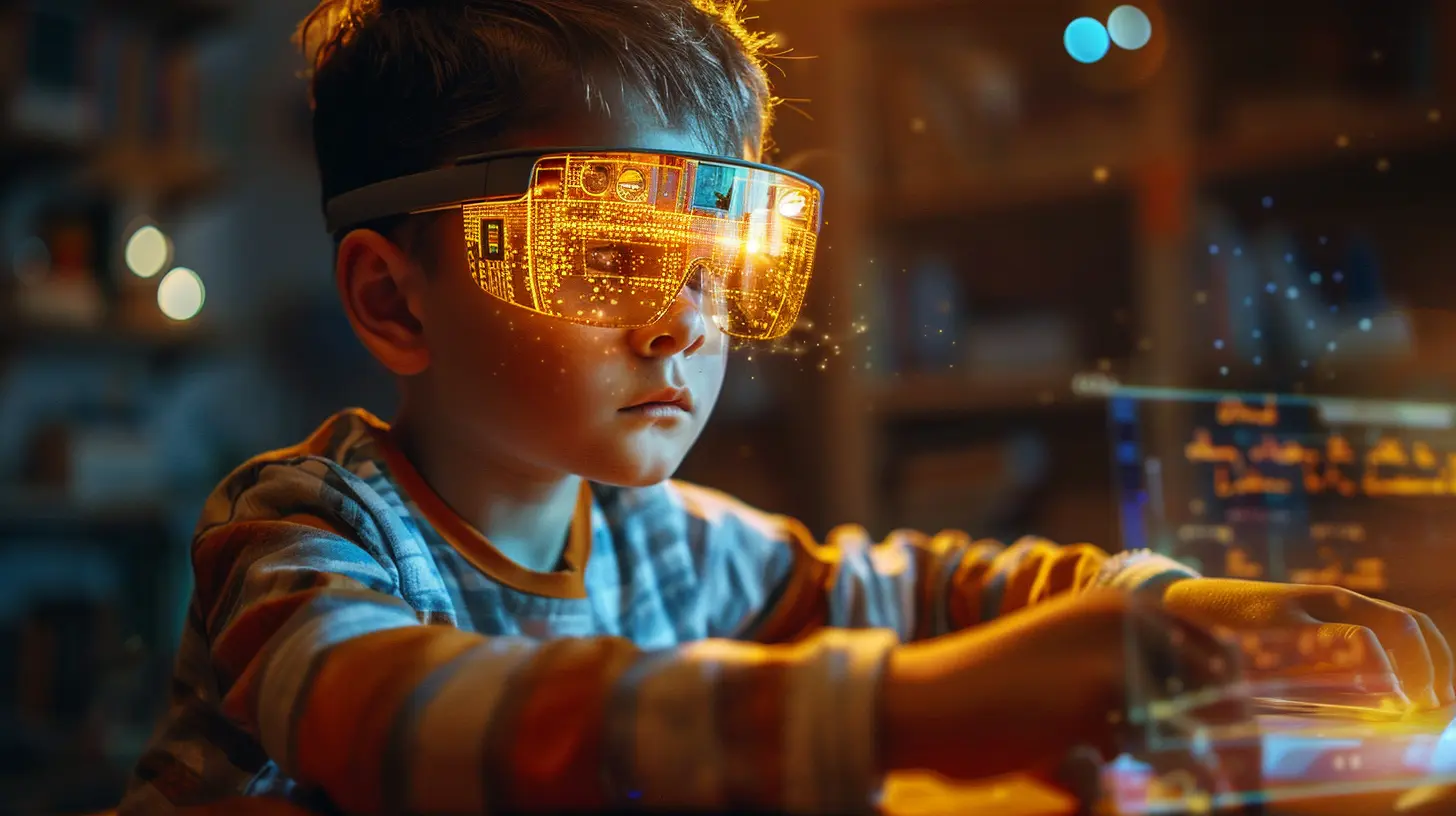
How AR is Being Used in Various Educational Fields
Now that we’ve established why AR is so important, let’s look at how it’s being applied in different educational settings. From elementary schools to universities, AR is finding its way into classrooms across the globe.1. Science Classes
When it comes to subjects like biology, chemistry, and physics, AR is a game-changer. Science is full of abstract concepts that can be difficult to grasp when explained in two dimensions. AR allows students to interact with 3D models of molecules, cells, or even the human body.For example, students can use AR to explore the layers of the Earth or examine the anatomy of animals in a way that feels almost tangible. No more struggling to understand the structure of a DNA strand from a flat diagram—students can now manipulate a 3D model on their screens.
2. History Lessons
History lessons have traditionally relied on textbooks and documentaries. While those are useful tools, they often fail to bring history to life in a way that captivates students. But with AR, students can literally "step into" historical events. Imagine walking through ancient Rome or standing on the battlefield of the American Civil War—AR can make these experiences a reality.By adding an interactive layer to historical content, AR helps students better understand and remember the events they’re studying. It’s one thing to read about the construction of the Great Wall of China, but it’s an entirely different experience to see a 3D animation of the wall being built right in front of you.
3. Mathematics
Math has always been a bit of a struggle for many students. Understanding abstract concepts like geometry or calculus can be daunting. But AR can help bridge the gap between theory and practice.For example, students learning geometry can use AR apps to visualize 3D shapes and understand how formulas apply to real-world objects. Instead of imagining a cube or pyramid, they can see it in front of them, rotate it, and even break it down into smaller parts. This makes abstract concepts more concrete, which is crucial for comprehension.
4. Language Learning
Learning a new language requires immersion, and AR can provide just that. AR apps can help students learn new vocabulary by overlaying translations and definitions onto real-world objects. Imagine holding your phone over a chair and seeing the word "silla" (Spanish for chair) pop up. This type of contextual learning helps students retain new vocabulary faster.In addition, AR can simulate real-life conversations, allowing students to practice their language skills in a low-pressure environment. By interacting with virtual characters or environments, students can build their confidence and fluency without the fear of making mistakes.
5. Medical Education
AR is making waves in the field of medical education as well. Medical students can use AR to simulate surgeries, allowing them to practice procedures without the need for a cadaver or a real patient. This not only reduces costs but also improves safety, as students can make mistakes and learn from them without real-world consequences.Medical professionals can also use AR to stay current with the latest technologies and procedures. For example, surgeons can use AR glasses to overlay important information onto a patient’s body during surgery, ensuring they make precise incisions and avoid critical structures.

The Future of AR in Education
It’s clear that AR is already having a significant impact on education, but what does the future hold? Will AR become a standard tool in every classroom, or is it just a passing trend?1. AR and Remote Learning
With the rise of remote learning, AR could become an even more vital tool for educators. As more students turn to online education, AR can help bridge the gap between physical and virtual learning environments. Picture this: a student learning biology from home could use an AR app to explore the human body in 3D, just as they would in a physical classroom.2. Affordable AR Solutions
One of the current barriers to widespread AR adoption in education is the cost of the technology. High-quality AR headsets and apps can be expensive, making them inaccessible for some schools. However, as AR technology continues to evolve, we can expect to see more affordable solutions that will make AR accessible to more students and educators.3. Gamification of Learning
Another exciting future trend is the gamification of education through AR. By incorporating AR into educational games, students can learn while having fun. Imagine a treasure hunt where students need to solve math problems or identify historical landmarks to advance to the next level. This type of interactive learning is more likely to keep students engaged and motivated.Challenges and Limitations of AR in Education
While AR offers many benefits, it’s not without its challenges. Some of the main hurdles include:1. Technology Limitations
Not all schools have access to the latest technology required for AR. While smartphones and tablets are becoming more common, not every student has access to these devices, which could create a digital divide.2. Content Availability
AR is still relatively new, and there’s a limited amount of high-quality educational content available. While there are some great apps out there, the range of subjects covered is still somewhat narrow. This is likely to change as more developers enter the AR space, but for now, it’s a limitation.3. Teacher Training
For AR to be used effectively in the classroom, teachers need to be trained on how to integrate it into their lesson plans. This can be a time-consuming process, and not all educators may be comfortable with the technology.
Conclusion
There’s no doubt about it—augmented reality has the potential to make learning more interactive, engaging, and personalized. From science to history to mathematics, AR is transforming the way students learn by making abstract concepts more tangible and easier to understand.While there are still some challenges to overcome, the future of AR in education looks incredibly promising. As the technology becomes more affordable and accessible, we can expect to see even more innovative applications that will continue to reshape the classroom experience.
So, next time you think about AR, don’t just think of Pokémon Go or Snapchat filters—think about how it’s helping the next generation of students learn in ways we could have never imagined.
all images in this post were generated using AI tools
Category:
Augmented RealityAuthor:

Ugo Coleman
Discussion
rate this article
2 comments
Halle Phelps
Augmented reality transforms education, making learning immersive and engaging—an exciting future awaits!
March 9, 2026 at 7:34 PM
Ugo Coleman
Thank you! I completely agree—augmented reality is revolutionizing education by creating immersive experiences that enhance engagement and learning outcomes. Exciting times ahead!
Rory Alvarez
This article highlights the transformative impact of augmented reality on education, enhancing engagement and interactivity. It's exciting to see how technology is reshaping the learning experience!
March 9, 2026 at 5:57 AM
Ugo Coleman
Thank you for your insightful comment! I’m glad you found the article highlights the positive changes AR is bringing to education.