How Bluetooth is Being Used in the Latest Fitness Trackers
14 December 2025
Gone are the days when fitness meant just a pair of running shoes and a stopwatch. Today, we’re living in an age where tiny devices on our wrists can tell us everything from how many steps we've taken to how well we slept last night. But have you ever wondered how all this data gets from that sleek gadget on your wrist to your smartphone in real time? The answer is Bluetooth.
Bluetooth technology has become the silent backbone of modern fitness trackers. It’s the magic that allows your tracker to communicate with your phone, sync data, and even send notifications. But it’s more than just a wireless connection. It’s evolving and expanding, enabling fitness trackers to become smarter, more efficient, and incredibly useful in ways we couldn't have imagined just a few years ago.
In this article, we're diving deep into how Bluetooth is being used in the latest fitness trackers and why this seemingly simple technology is revolutionizing the way we monitor our health and fitness.
What is Bluetooth and How Does It Work?
Before we dive into the fitness tracker world, let's quickly cover what Bluetooth actually is. Bluetooth is a short-range wireless communication technology that allows devices to exchange data over short distances. Think of it like a digital handshake between your fitness tracker and your smartphone.It operates on radio frequencies, typically in the 2.4 GHz range, and allows devices to talk to each other without the need for cables or a Wi-Fi connection. This is exactly why Bluetooth is perfect for fitness trackers—it’s low-power, efficient, and can transfer data seamlessly.
Why Bluetooth is Perfect for Fitness Trackers
Fitness trackers are designed to be lightweight, low-power, and constantly on. Bluetooth Low Energy (BLE), a variant of the standard Bluetooth, fits the bill perfectly. BLE consumes a fraction of the energy compared to standard Bluetooth, which is why your fitness tracker can last for days or even weeks on a single charge.Imagine if your fitness tracker had to rely on Wi-Fi or cellular data to sync your steps or heart rate data. It would drain the battery in no time, not to mention make the device bulkier. Bluetooth allows fitness trackers to remain sleek, energy-efficient, and always connected.
How Bluetooth Enables Real-Time Data Syncing
When you’re wearing a fitness tracker, you don’t want to wait until the end of the day to see how many calories you’ve burned or how your heart rate fluctuated during that morning run. That’s where Bluetooth comes in.With Bluetooth, your fitness tracker can sync data with your smartphone or tablet in real time. Whether you're looking at your step count, heart rate, or sleep data, Bluetooth ensures that everything is delivered instantly to your mobile device. No wires, no hassle—just instant, wireless syncing.
Pairing Your Fitness Tracker via Bluetooth
When you first get a fitness tracker, one of the initial steps is pairing it with your smartphone. This process is made seamless through Bluetooth technology. Here’s how it usually works:1. Enable Bluetooth: On your smartphone, make sure Bluetooth is turned on.
2. Open the App: Most fitness trackers come with a dedicated app. Open the app and follow the on-screen instructions to pair your device.
3. Syncing: Once paired, your fitness tracker and phone will start talking to each other via Bluetooth. Data will now sync automatically when both devices are within range.
It’s as simple as that. And once your devices are paired, you don’t have to repeat this process every time. They will remember each other and reconnect automatically whenever they’re in range.
Bluetooth and Health Monitoring
Fitness trackers have evolved from simple step counters to full-fledged health monitoring devices. Thanks to Bluetooth, fitness trackers can now keep track of a wide range of health metrics, including:- Heart Rate Monitoring: Most modern fitness trackers have built-in heart rate sensors. This data is sent to your phone via Bluetooth, allowing you to track your heart rate in real-time during workouts or daily activities.
- Sleep Tracking: Fitness trackers monitor your movement and heart rate while you sleep. They then use Bluetooth to sync this data with your phone, providing you with insights into how long you slept and how much time you spent in deep or light sleep stages.
- Blood Oxygen Levels (SpO2): High-end trackers now come with sensors that measure your blood oxygen levels. This data is crucial for athletes and anyone monitoring their overall health, and it’s all transmitted wirelessly via Bluetooth.
Continuous Data Transmission
One of the coolest things about Bluetooth in fitness trackers is its ability to transmit data continuously without you even realizing it. Whether you're on a run or sitting at your desk, your fitness tracker is constantly collecting and sending data to your phone.This continuous data transmission allows you to get real-time feedback on your health. For instance, if your heart rate spikes unexpectedly, your tracker will instantly notify you through your phone’s app. Or, let’s say you’ve been inactive for too long—your fitness tracker can send a gentle nudge, encouraging you to move.
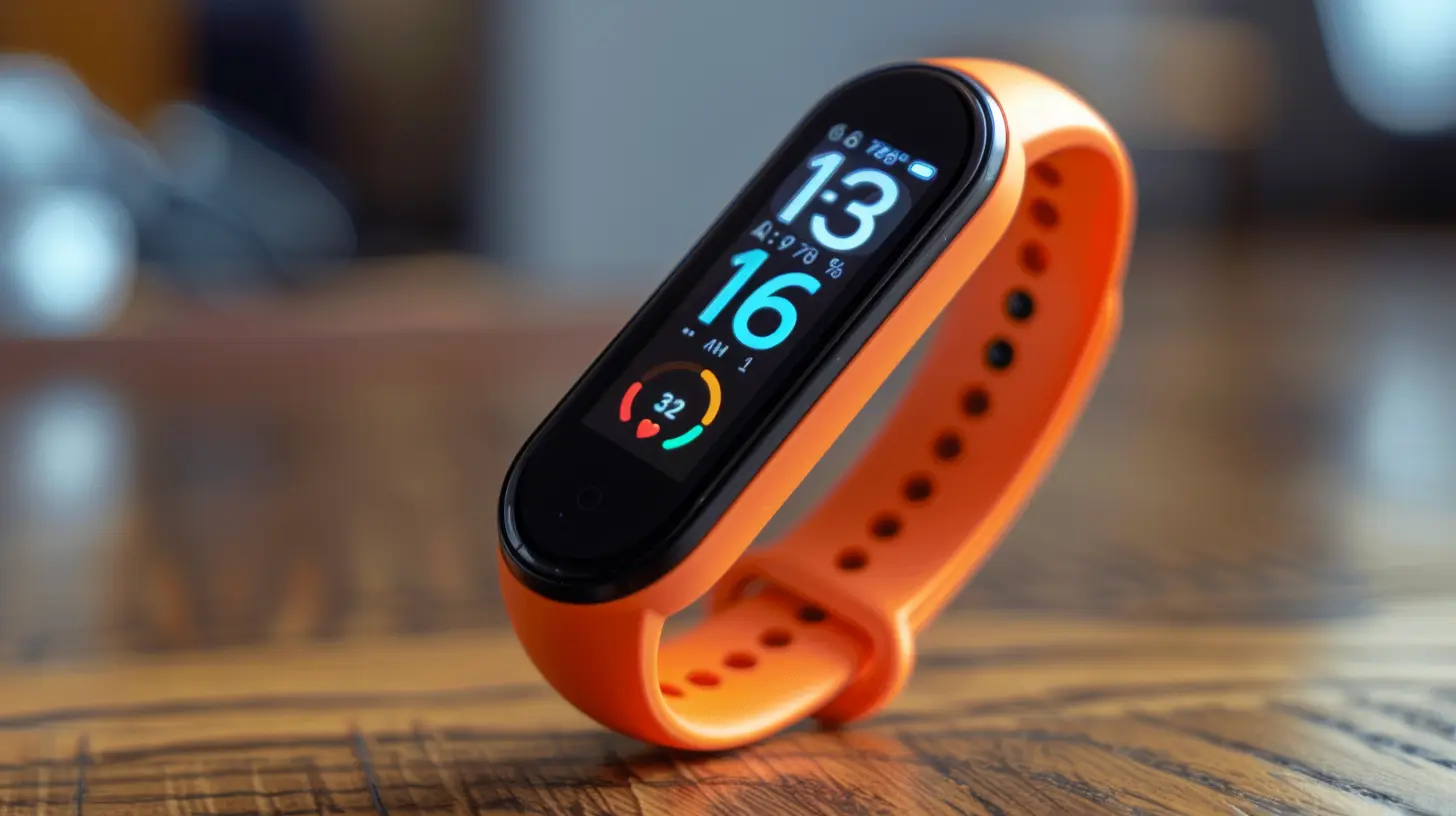
Bluetooth Notifications
Another awesome feature that fitness trackers offer, thanks to Bluetooth, is smartphone notifications. Fitness trackers can now do more than just track your steps—they can act as an extension of your smartphone.Through Bluetooth, fitness trackers can deliver notifications like incoming calls, text messages, calendar alerts, and even social media updates directly to your wrist. It’s like having a mini smartphone on your arm, without the distraction of constantly checking your phone.
Call and Message Alerts
Ever been in the middle of a workout and missed an important call or text? With Bluetooth, that’s a thing of the past. Most fitness trackers can alert you when you receive a call or message, allowing you to stay in the loop without interrupting your workout. Some advanced models even allow you to answer or reject calls directly from the tracker.App Notifications
Want to stay on top of your social media notifications or calendar reminders? Bluetooth makes it possible. Fitness trackers can now push notifications from apps like Instagram, WhatsApp, or Google Calendar straight to your wrist, allowing you to stay updated without reaching for your phone.Bluetooth and GPS Integration
Many fitness trackers now come equipped with GPS functionality. Bluetooth plays a key role in this by allowing your tracker to use your smartphone’s GPS for outdoor activities like running, cycling, or hiking.Why Not Built-In GPS?
You might be wondering why not just include built-in GPS in every fitness tracker. Well, built-in GPS can be a battery hog. By using Bluetooth to connect to your smartphone’s GPS, fitness trackers can provide accurate location data without significantly draining the battery. This results in longer-lasting battery life while still providing you with all the information you need.
Bluetooth and Fitness Apps
One of the most significant ways Bluetooth is used in fitness trackers is through integration with fitness apps. Whether you’re using the tracker’s native app or third-party apps like Strava, MyFitnessPal, or Apple Health, Bluetooth seamlessly transfers all your data to these platforms.App Compatibility
Almost all fitness trackers come with their own app, but many also allow you to connect with popular third-party apps. This is where Bluetooth is essential. Without it, you’d have to manually input your data, which would be a total hassle. Instead, Bluetooth ensures that all your metrics—steps, calories burned, heart rate, and more—are automatically synced with your app of choice.Real-Time Coaching
Some apps offer real-time coaching based on your fitness data. For example, if your heart rate drops below a certain level during a workout, the app might prompt you to push harder. Conversely, if your heart rate is too high, the app might suggest easing up. Bluetooth enables this real-time feedback loop between your fitness tracker and your phone, ensuring you get the most out of your workouts.The Future of Bluetooth in Fitness Trackers
Bluetooth technology isn’t standing still, and neither are fitness trackers. As Bluetooth continues to evolve with newer versions like Bluetooth 5.2 and beyond, we can expect even greater advancements in fitness tracking technology.Longer Battery Life
One of the primary benefits of newer Bluetooth versions is improved energy efficiency. This means that future fitness trackers will be able to run even longer on a single charge, making them more convenient for users who don’t want to worry about charging their device every few days.Enhanced Data Transfer Speeds
Future versions of Bluetooth will likely offer faster data transfer speeds, which means syncing your fitness tracker with your phone will be even quicker. This will be particularly useful for devices that track more complex metrics like ECG readings or VO2 max, where larger amounts of data are involved.
Conclusion
Bluetooth isn’t just a convenient feature in fitness trackers—it’s the unsung hero that makes these devices work seamlessly. Whether it’s real-time data syncing, notifications, GPS integration, or app compatibility, Bluetooth is at the heart of it all. And as Bluetooth technology continues to improve, so will the capabilities of fitness trackers, making them even more indispensable in our pursuit of a healthier lifestyle.So, the next time you glance at your fitness tracker, remember that it’s not just counting your steps; it’s silently communicating with your smartphone, thanks to Bluetooth. Pretty amazing, right?
all images in this post were generated using AI tools
Category:
Bluetooth DevicesAuthor:

Ugo Coleman
Discussion
rate this article
2 comments
Stacey Simmons
Bluetooth technology is revolutionizing fitness trackers, enabling seamless connectivity and personalized health insights. As we embrace this innovation, we're not just tracking steps—we're empowering ourselves to achieve our fitness goals and transform our lives, one Bluetooth sync at a time!
December 18, 2025 at 1:08 PM
Ugo Coleman
Absolutely! Bluetooth technology is indeed transforming fitness trackers by enhancing connectivity and providing tailored health insights, empowering users to effectively reach their fitness goals.
Camden Roth
Bluetooth isn’t just a convenience; it's revolutionizing fitness tracking. Real-time data syncs, effortless sharing, and seamless app integration are game changers. If you’re not leveraging Bluetooth in your workouts, you're seriously missing out on maximizing your potential.
December 14, 2025 at 1:32 PM
Ugo Coleman
Thank you for your insight! You're absolutely right—Bluetooth technology is a game changer in fitness tracking, enhancing our ability to monitor progress and optimize workouts efficiently.