How Edge Computing Will Affect Digital Nomad Lifestyles
30 August 2026
If you have been working from coffee shops, co-living spaces, or beachside bungalows for the last few years, you already know the struggle. The connection drops. The video call freezes. The cloud-based design tool takes thirty seconds to save a single file. You blame the Wi-Fi, the router, or the remote island's infrastructure. But the real culprit is often distance. Your laptop is sending data to a server hundreds or thousands of miles away, and that round trip takes time. Edge computing is about to change that, and for digital nomads, the shift will be more significant than most people realize.

What Edge Computing Actually Means for Someone Working on a Laptop
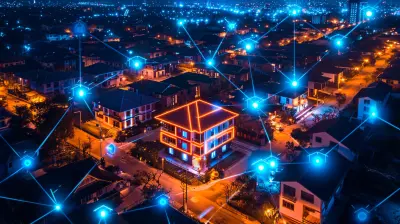
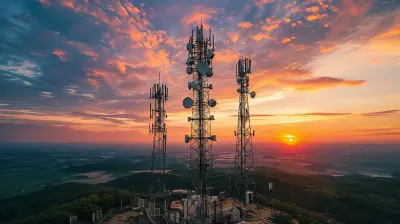
Let's start with a clear picture. Traditional cloud computing centralizes data processing in massive data centers. When you upload a photo or run a script, your request travels to a regional server, gets processed, and comes back. If you are in Bangkok and the server is in Singapore, that is fine. If you are in a small town in Portugal and the server is in Frankfurt, the latency becomes noticeable. Edge computing moves processing closer to the data source. Instead of one distant brain, you have many smaller brains located at the edge of the network, near routers, cell towers, and local data centers.For a digital nomad, this means your device will not have to wait for a round trip to a centralized cloud. The data will be processed in a nearby edge node. Think of it like having a local assistant who handles routine tasks instantly, while only sending complex or long-term storage questions to the main office. The practical result is lower latency, better reliability, and the ability to work in places that were previously too slow or unstable for serious professional work.

The Latency Problem That Nomads Know Too Well
Latency is not just about speed. It is about the feel of your work. When you type in a Google Doc, every keystroke goes to the cloud and comes back. With a round trip of 200 milliseconds, typing feels slightly mushy. With 50 milliseconds, it feels natural. Edge computing can bring that down to near zero for many tasks because the processing happens physically closer to you.Consider a video editor working in Bali. They are cutting 4K footage stored in a cloud bucket. Every preview frame requires streaming data from a server in Sydney or Tokyo. With edge nodes in Jakarta or even on the island itself, the preview renders much faster. The same applies to software developers pushing code, data analysts running queries, or designers using browser-based tools like Figma. The response time improves, and the frustration of waiting for a spinner disappears.
But latency is not the only issue. Bandwidth and data caps matter too. Edge computing can reduce the amount of data sent to central servers by processing and filtering it locally. A security camera system, for example, can analyze motion at the edge and only send clips when something happens. For a nomad running a small business from a van with a mobile hotspot, that means less data usage and fewer overage charges.
How Edge Computing Changes Where You Can Live and Work
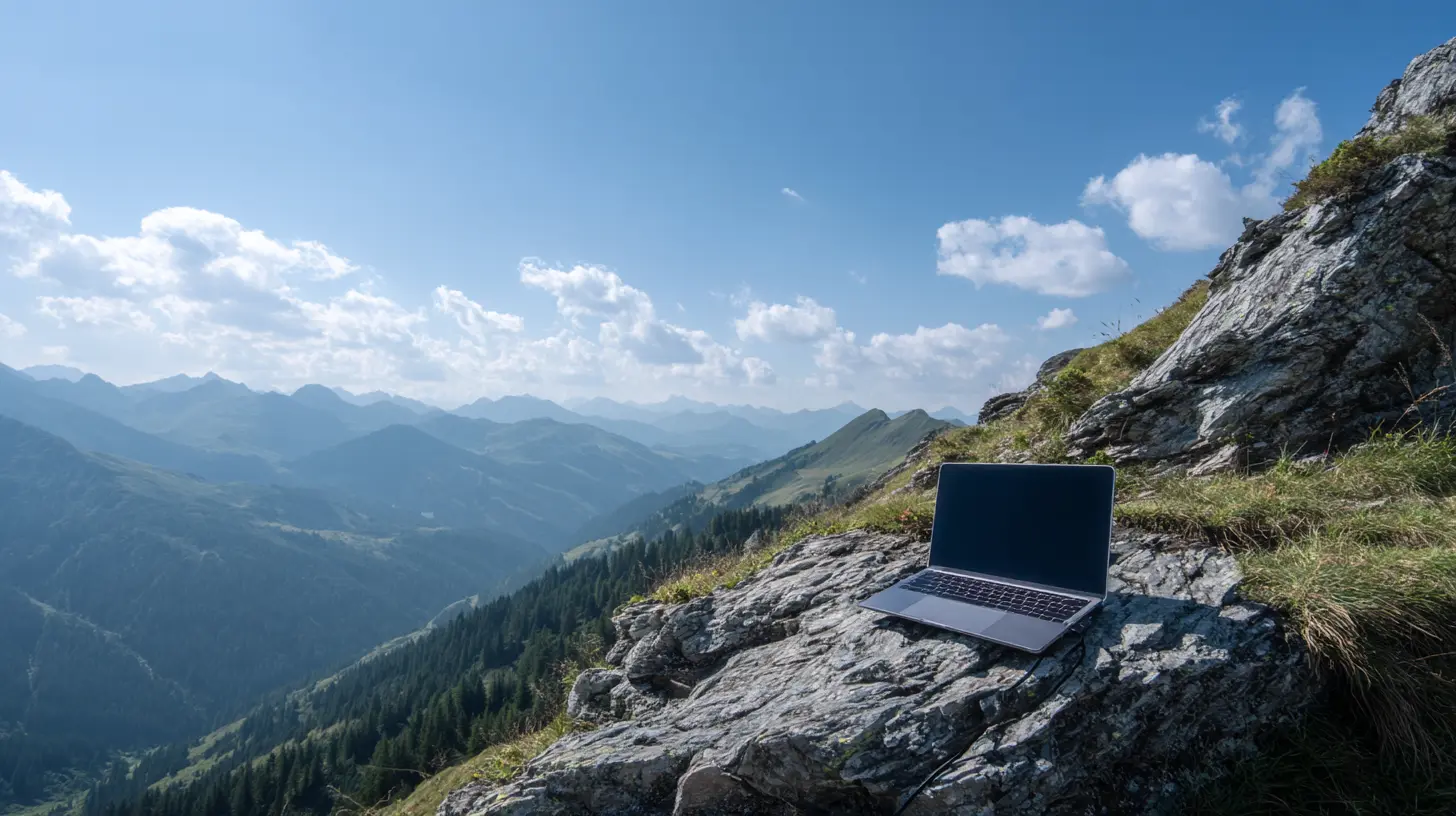
The biggest shift will be the expansion of viable work locations. Right now, digital nomads cluster in a few dozen cities with proven infrastructure. Chiang Mai, Lisbon, Medellin, and Ubud are popular because they have decent internet and co-working spaces. But many beautiful, affordable places remain off-limits because the connection is too slow for real-time work.Edge computing will not fix a complete lack of fiber optic cables. You still need a physical connection to the internet. But it can make existing connections work much better. If a local mobile tower has an edge server attached, then even a 4G connection can handle latency-sensitive tasks like video calls, online gaming, or collaborative coding. This opens up smaller towns, rural areas, and developing regions where the backbone is decent but the distance to a major cloud region is large.
Imagine living in a coastal town in Mexico, two hours from the nearest city. The internet is a fixed wireless connection with 20 Mbps down and 30 milliseconds of latency to a local tower. Today, that is barely workable for Zoom meetings. With edge computing at the tower, the latency drops to 5 milliseconds for local processing, and the video call becomes crystal clear. You no longer need to be near a major city to have a professional-grade connection.

The Real Trade-Offs and Limitations You Should Know
It is tempting to think edge computing solves everything. It does not. Edge nodes have less computational power than central data centers. They are designed for quick, focused tasks, not heavy number crunching. If you are training a machine learning model or rendering a 3D animation, you still need the big cloud. Edge computing is about distributing the load, not replacing the core.There is also a consistency issue. When you move from one city to another, you will connect to different edge nodes. Each node may have different software versions, caching policies, or even different providers. This can cause inconsistent behavior in applications. A file that was instantly available in one location might take a moment to fetch in another because the edge cache is cold. For nomads who hop between countries frequently, this means your apps might behave slightly differently depending on where you are.
Another limitation is offline capability. Edge computing still requires a network connection. It is not like having the data on your laptop. If you are in a truly remote area with no signal, edge computing does nothing for you. The solution for that is local-first software, which stores data on your device and syncs when you have a connection. Edge computing and local-first are complementary, but they are not the same thing.
Practical Examples of Edge Computing in Nomad Workflows
Let's look at specific use cases where edge computing will make a tangible difference.Video conferencing is the obvious one. Tools like Zoom and Google Meet already use some edge features, but the next generation will process video streams locally. Background blur, noise cancellation, and even real-time translation will happen on the edge node near you, not in a central server. This reduces the bandwidth needed and improves quality on weak connections. For a nomad in a noisy cafe, the background noise will be stripped out before it even leaves the edge node.
Collaborative document editing is another area. When you and a client in another country edit the same document, the conflict resolution and version history can be handled by an edge node in your region. This reduces the sync time and makes the collaboration feel instantaneous. The same goes for project management tools like Trello or Asana. The board updates will appear faster because the edge node processes the changes locally before syncing globally.
For developers, edge computing means faster CI/CD pipelines. If you push code to a repository, the build and test stages can run on edge nodes closer to your location. This cuts down the feedback loop from minutes to seconds. Small startups and freelancers will benefit the most because they often cannot afford dedicated build servers.
The Impact on Cloud Costs and Nomad Budgets
Money matters for digital nomads. Many are freelancers or run small businesses with tight budgets. Edge computing has the potential to lower costs, but it is not guaranteed. The pricing model is different. Central cloud providers charge for compute hours and data transfer. Edge providers may charge per request or per device. For a nomad who is not processing massive amounts of data, the cost difference might be negligible. But for those who rely on heavy data processing, edge computing can reduce transfer fees significantly.Consider a photographer who uploads 50 gigabytes of raw images every week. Sending all of that to a central server incurs egress fees. With edge computing, the initial processing, like generating previews and thumbnails, happens locally. Only the final files and metadata are sent to the cloud. This can cut data transfer costs by half or more. Over a year, that is a meaningful saving for someone on a modest income.
However, there is a hidden cost. Edge computing often requires you to use specific SDKs or APIs from the edge provider. This can lock you into a particular ecosystem. If you change providers, you might need to rewrite parts of your application. For a nomad running a small SaaS product, this technical debt is a real consideration. Do not switch to edge computing just because it is trendy. Evaluate your actual data flow and see if the cost savings justify the complexity.
Misconceptions That Lead to Bad Decisions
A common misconception is that edge computing is only for large enterprises with IoT fleets. Not true. Individual developers and small businesses can use edge functions for everything from image resizing to form validation. Many edge platforms allow you to deploy code without managing servers, and the pricing is often pay-as-you-go. A solo developer can build a simple API on an edge network and serve users globally with low latency.Another misconception is that edge computing means your data is less secure. In some ways, it is more secure because data is processed closer to the source and less of it is transmitted over the internet. But there are risks. Edge nodes are physically distributed, which means more points of attack. A compromised edge node could expose data. For a nomad handling client data, you need to understand where your data is processed and what compliance requirements apply. If you work with European clients, GDPR applies regardless of where the edge node is located. You cannot hide behind the excuse that the data is "just at the edge."
There is also the misconception that edge computing is a replacement for a good VPN. It is not. A VPN encrypts your traffic and hides your location. Edge computing does not do that. You should still use a VPN when working on public Wi-Fi, especially in countries with surveillance concerns. Edge computing and VPNs are complementary tools, not substitutes.
How to Prepare Your Workflow for Edge Computing
You do not need to wait for the future. You can start adjusting your workflow now to take advantage of edge computing as it rolls out. The first step is to reduce your dependence on central cloud services for latency-sensitive tasks. For example, use local-first note-taking apps like Obsidian or Logseq instead of cloud-only tools. The data lives on your device, and sync happens in the background. This gives you a fast experience today and will only get better as edge sync becomes standard.Next, choose cloud providers that offer edge functions. Major providers like AWS, Cloudflare, and Google Cloud all have edge computing products. If you are building a portfolio website or a small API, deploy it on an edge platform. You will see lower latency for your visitors, and you will learn the workflow early. This knowledge will be valuable as more services adopt edge computing.
Also, pay attention to your hardware. Edge computing shifts some processing to the network, but it still relies on your device for input and output. A laptop with a fast SSD and plenty of RAM will handle local processing better. If you are using an older machine, the bottleneck will be your device, not the network. Upgrading to a modern laptop with a good processor will make a bigger difference than any network change.
The Future of Digital Nomad Hubs
As edge infrastructure spreads, the geography of digital nomad hubs will change. Currently, the best cities for nomads are those with strong central cloud access. With edge computing, the requirement shifts to having any stable internet connection, even if it is not fiber. This will benefit smaller cities and rural areas, which often have better affordability and quality of life.Places like the Algarve in Portugal, the Yucatan Peninsula in Mexico, and the islands of Thailand could become more attractive. The cost of living is lower, the weather is better, and with edge computing, the internet is good enough for professional work. This could ease the overcrowding in current hotspots and spread the economic benefits of remote work to more regions.
But there is a downside. Edge computing will not solve the digital divide. It requires investment in infrastructure, and that investment will go to areas with enough users to justify it. A tiny village in the mountains of Nepal will not get an edge node anytime soon. The gap between well-connected and poorly connected areas might even widen, as the well-connected areas get faster and faster while the poorly connected stay stagnant.
What Nomads Should Do Right Now
If you are a digital nomad, the best thing you can do is stay adaptable. Do not lock yourself into a single tool or workflow that depends on central cloud latency. Test your critical apps in different locations and see how they behave. If a video call app performs poorly in a remote area, look for alternatives that use local processing or P2P connections.Also, keep an eye on your data usage. Edge computing will not automatically reduce your data consumption unless you configure your apps to use it. Some apps will have settings for "edge processing" or "local processing." Turn those on. Monitor your monthly usage and see where the data is going. You might be surprised to find that a lot of your bandwidth is wasted on redundant cloud syncs.
Finally, do not overthink the technology. Edge computing is a tool, not a magic solution. The core of a digital nomad lifestyle is freedom and flexibility. If the internet is bad, you move. If the cost is high, you adjust. Edge computing will make more places viable, but it will not make every place viable. Your ability to adapt remains your greatest asset.
The Bottom Line
Edge computing will be a quiet revolution for digital nomads. It will not make headlines like a new gadget, but it will change the texture of daily work. Video calls will be smoother. File uploads will be faster. Remote development will feel more local. And the range of places where you can live and work will expand.The transition will not be overnight. Edge infrastructure is being built right now, and it will take years to become universal. But you can start preparing today. Understand what edge computing does and does not do. Experiment with edge-based tools. Keep your workflow flexible. And when you find a beautiful, affordable town with a decent internet connection, you will know that edge computing is working for you, even if you cannot see it.
all images in this post were generated using AI tools
Category:
Digital Nomad TechAuthor:

Ugo Coleman
Discussion
rate this article
2 comments
Talia Spencer
So, finally, digital nomads can work from a beach without worrying about slow Wi-Fi. Who needs a stable job when you have edge computing to enhance your sunbathing, right?
September 6, 2026 at 2:57 AM
Ugo Coleman
Absolutely! Edge computing is a game changer for digital nomads, making working from paradise a reality without the usual tech hassles. Enjoy that sunbathing!
Rocket King
Edge computing will empower digital nomads by enhancing connectivity and reducing latency, enabling seamless remote work and access to data regardless of location. This transformation redefines where and how we work.
August 31, 2026 at 12:30 PM
Ugo Coleman
Absolutely. Edge computing opens up new possibilities for digital nomads, making it easier to work from anywhere while staying connected and efficient. It's a game changer for remote work.