How Telecom Is Shaping the Future of Smart Homes
9 June 2026
Smart homes were once something you’d only see in sci-fi movies, but here we are—technology has caught up, and smart homes are now a reality for many. But here’s the thing… it’s not just about cool gadgets like voice-activated lights or smart thermostats. The real magic behind it all? Telecommunications.
Yep, that same telecom industry that brought us mobile phones and broadband is now the secret sauce shaping the smart homes of tomorrow. From faster internet connections to next-gen mobile networks and IoT integration, telecom’s role in the smart home evolution is way bigger than most think.
Let’s break it down and see just how telecom is transforming your home into a tech-savvy haven.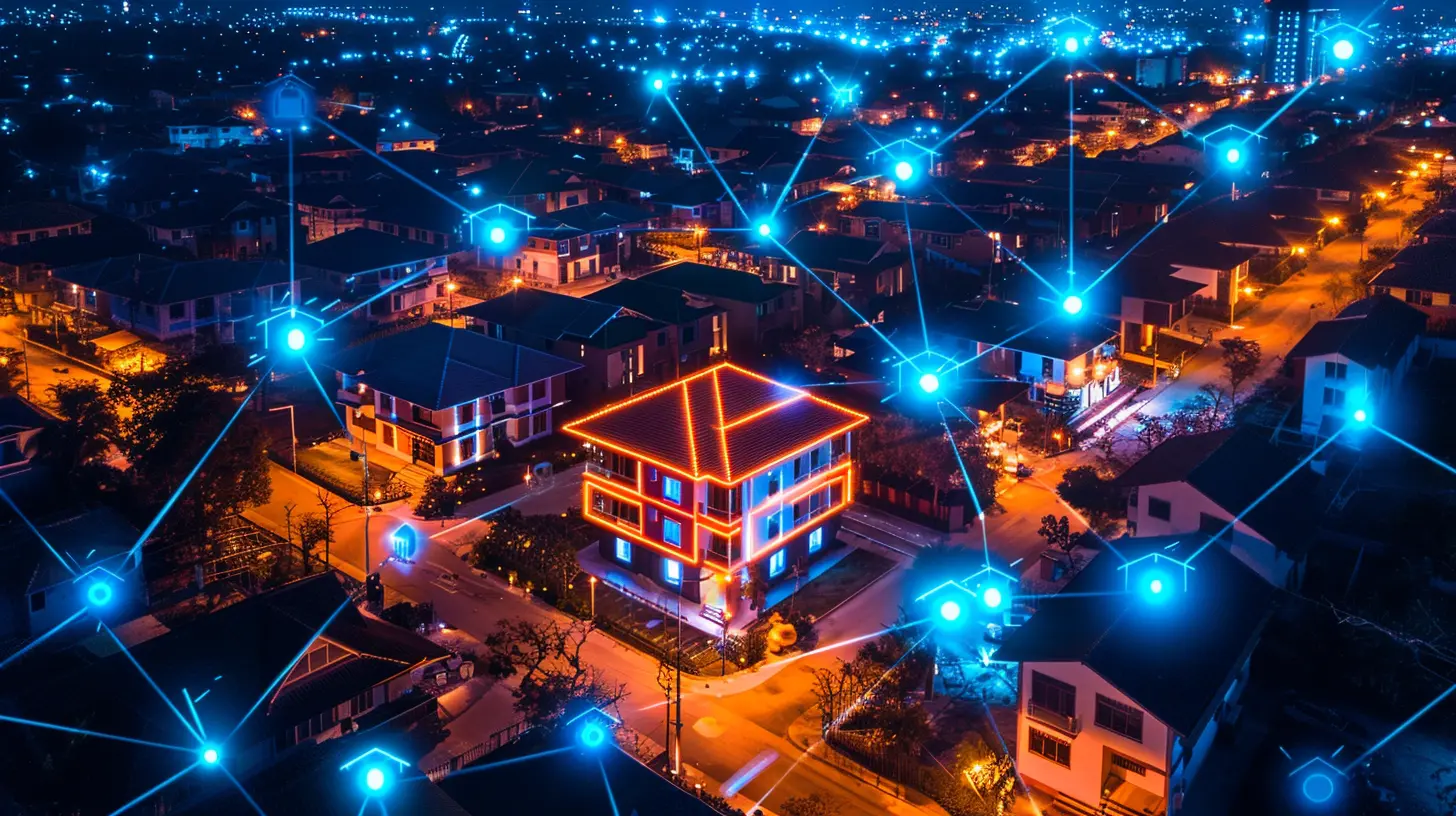
The Smart Home Revolution: A Quick Look Back
Before we dive deeper, let’s rewind for a second. Remember when the idea of controlling lights or your thermostat from your phone felt like a luxury? That was just the beginning.A smart home is basically a setup where appliances and devices can be controlled remotely through the internet. Think smart speakers, security systems, lighting, fridges, even your coffee maker. What’s changed recently is how these devices all communicate—and that’s where telecom comes in.
Why Connectivity Is the Real MVP in Smart Homes
Let’s face it: none of your smart devices are very smart without a solid connection. That’s where telecom flexes its muscles.1. High-Speed Internet as the Backbone
If the smart home was a human body, the internet would be its nervous system. It’s what keeps everything connected and responsive.Telecom companies have consistently pushed the envelope, rolling out fiber-optic networks, 5G, and even satellite internet solutions like Starlink. Why does that matter? Because the more devices you hook into your smart home, the more bandwidth you need.
Let’s say you’ve got smart cameras, voice assistants, a Wi-Fi-enabled fridge, and a fleet of smart bulbs. Each one eats a slice of your bandwidth pie. High-speed internet ensures that these devices don’t lag, buffer, or drop connections—especially when they’re supposed to be keeping your home secure or helping you multitask.
2. 5G: The Game-Changer
If you’ve been hearing the buzz about 5G, it’s for a good reason. Compared to 4G, 5G offers significantly faster speeds and lower latency. For the smart home ecosystem, this is huge.Here’s why: imagine your smart doorbell sending HD video to your phone in real-time, even when you’re halfway across the world. That kind of performance depends on almost-zero lag, something 5G delivers beautifully.
And as telecom providers continue to expand 5G infrastructure, smart homes will become even more responsive, seamless, and… well, smart.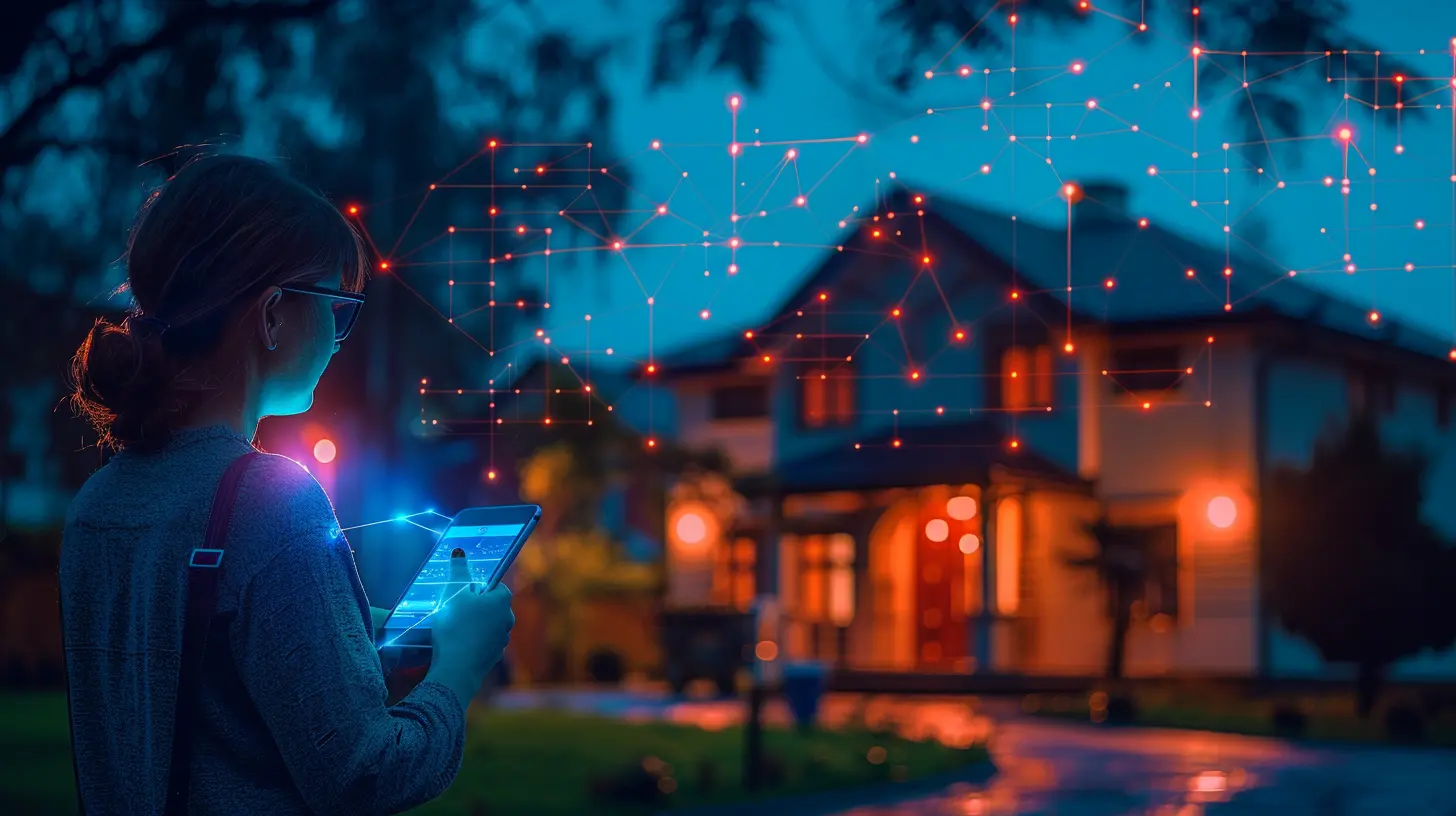
IoT + Telecom = A Match Made in Home Automation Heaven
Ah, the Internet of Things (IoT)—the fancy term for all those internet-enabled devices in your home. From smart thermostats that learn your preferences to sensors that detect water leaks, IoT devices are only as good as their network.1. Seamless Communication Between Devices
Telecom networks provide the framework for devices to talk to each other. Whether it’s via Wi-Fi, Bluetooth, Zigbee, LoRaWAN, or cellular networks, telecom services enable real-time communication.Imagine your alarm clock telling your coffee maker to start brewing the moment you hit snooze. Or your washing machine sending you a text when the cycle’s done. That seamless integration is powered by stable, fast connections that telecom makes possible.
2. Cloud Integration and Edge Computing
As smart homes get more complex, they’re leaning heavily on cloud computing. Telecom companies are stepping into this space by offering edge computing services. That means data processing happens closer to your devices, reducing lag and improving speed.This leads to quicker voice assistant responses, faster software updates, and an overall smoother experience. It’s like giving your home a faster brain.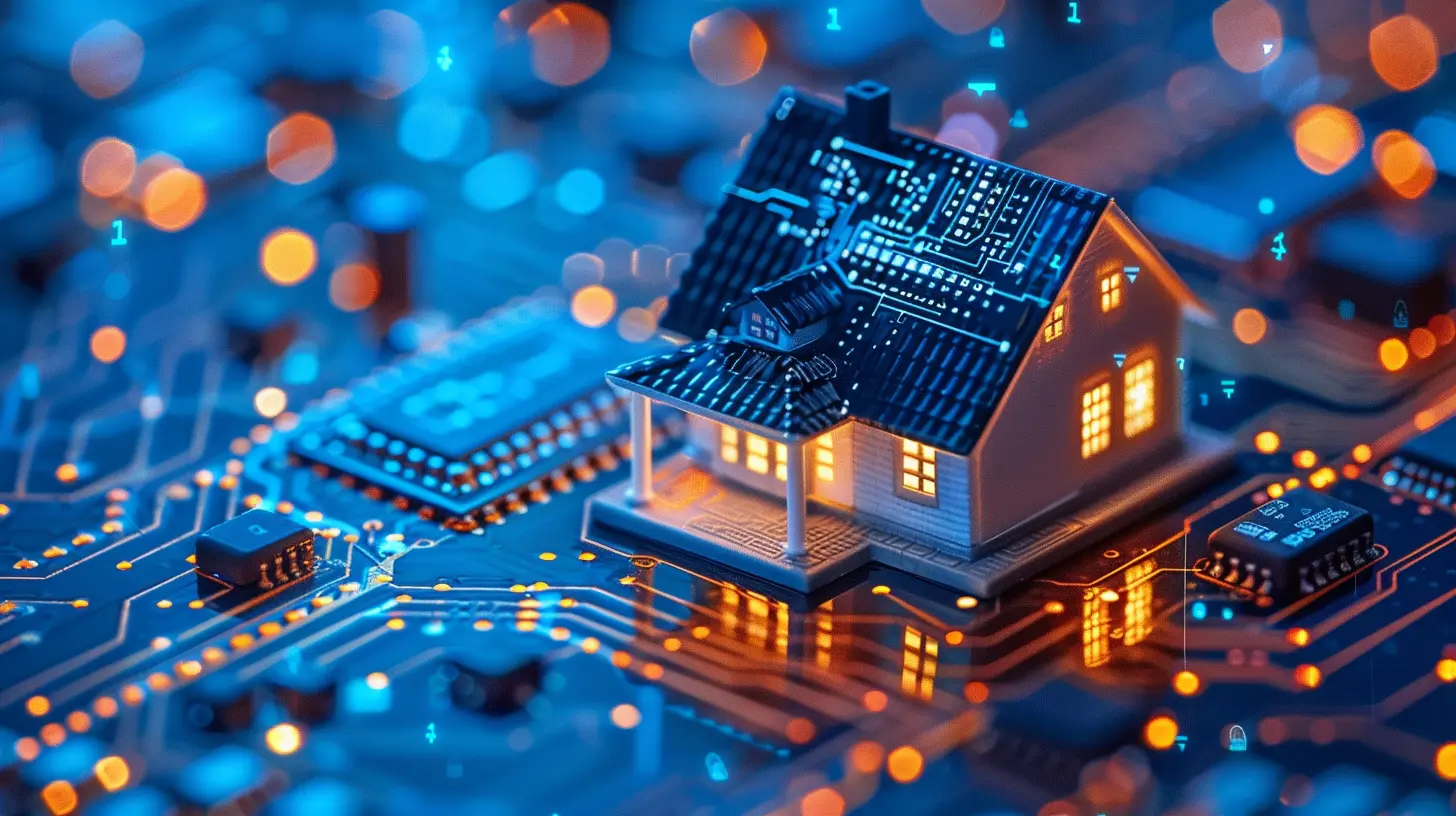
Telecom and Home Security: A Dynamic Duo
For many users, the gateway into smart homes is security. Think motion detectors, smart locks, surveillance cams, and door sensors.Telecom solutions here are doing more than just keeping you online—they’re actively keeping you safe.
1. Real-Time Monitoring
Smart cameras need to send high-res video without delay. Telecom’s robust networks ensure that feeds are not choppy or delayed. This is especially important if you’re monitoring your home while on vacation or getting live feeds from your smart doorbell.2. Instant Alerts and Two-Way Communication
With telecom-enabled devices, your smart home can send you real-time alerts the moment something goes wrong. Whether it’s a break-in, smoke detection, or even an appliance malfunction, you get notified instantly.Some devices also offer two-way communication, allowing you to talk to whoever’s at your door—even if you’re chilling on a beach halfway across the world.
Smart Entertainment: Powered by Telecom
Streaming, gaming, and multimedia—this is where smart homes get fun.1. 4K and 8K Streaming Support
Gone are the days of fuzzy video and long buffering times. Telecom networks now support high-speed, high-bandwidth connections that make 4K and even 8K streaming look effortless.So whether you’re binge-watching your favorite show or hosting a Netflix party, the experience is smooth as butter.
2. Smart Speakers and Voice Assistants
Voice-controlled tech like Alexa, Google Assistant, and Siri aren’t just party tricks anymore. They’re integral to smart home automation—from playing music and setting reminders to controlling lights and reading news. The catch? They need a strong, reliable connection. Without it, you’d be yelling into the void.Telecom’s Role in Energy Efficiency
Here’s a cool thought: telecom is helping you save on your energy bills. How? By enabling automation and real-time monitoring.1. Smart Meters and Real-Time Usage Tracking
Telecom networks support smart meters that give you insights into your energy usage. You can see which appliances are energy hogs and make smarter choices on the fly.2. Automated Energy Management
Got solar panels? A smart thermostat? These devices, connected through telecom networks, can adapt to your habits, the weather, or even dynamic electricity pricing. They optimize your energy usage automatically, which means less waste—and smaller bills.The Rise of Smart Appliances and How Telecom Makes Them Work
Smart fridges that tell you when you’re out of milk. Ovens you can preheat from your car. Washers that pick the best cycles for your clothes. It sounds like the Jetsons, but it's our new reality.And none of these smart appliances work well without a solid data pipe. Telecom ensures that these appliances stay connected to both your devices and their cloud-based brains.
As telecom companies continue to improve network stability and range, the capabilities of these appliances expand too. It’s like upgrading your kitchen’s IQ.
What’s Ahead: Telecom’s Future in Smart Homes
The telecom industry is evolving fast, and that means smart homes will continue to get smarter, more efficient, and more secure.1. The Impact of 6G and Beyond
While most of the world is still adopting 5G, industry experts are already talking about 6G. It promises even faster speeds, ultra-low latency, and more reliable connections. Think of it as moving from lightning speed to warp speed.For smart homes, this will mean real-time holographic calls, AI-driven appliances, and even smarter automation.
2. Hyper-Connected Communities
Telecom providers are already looking at entire smart neighborhoods and cities. Think streetlights that communicate with your smart car or electricity grids that adapt to collective energy demands. Your home will be just one node in a much larger, connected ecosystem.The Bottom Line
Telecom isn’t just the invisible thread connecting your devices—it’s the powerhouse making smart homes possible. From blazing-fast internet and 5G networks to enabling IoT communication and cloud processing, telecom is laying the foundation of tomorrow’s fully automated, intelligent homes.As technology continues to evolve, expect telecom to play an even bigger role, bringing innovations we haven’t even dreamed of yet.
So next time you dim the lights with your voice or get a notification from your fridge, give a little nod to the unsung hero behind it all—telecom.
all images in this post were generated using AI tools
Category:
TelecommunicationAuthor:

Ugo Coleman
Discussion
rate this article
1 comments
Spencer McNulty
Great insights! Excited to see how telecom will enhance our smart home experiences.
June 14, 2026 at 11:27 AM
Ugo Coleman
Thanks for your enthusiasm! Exciting times ahead for smart homes and telecom. Stay tuned!