How Future Operating Systems Will Handle Space-Based Computing
2 October 2026
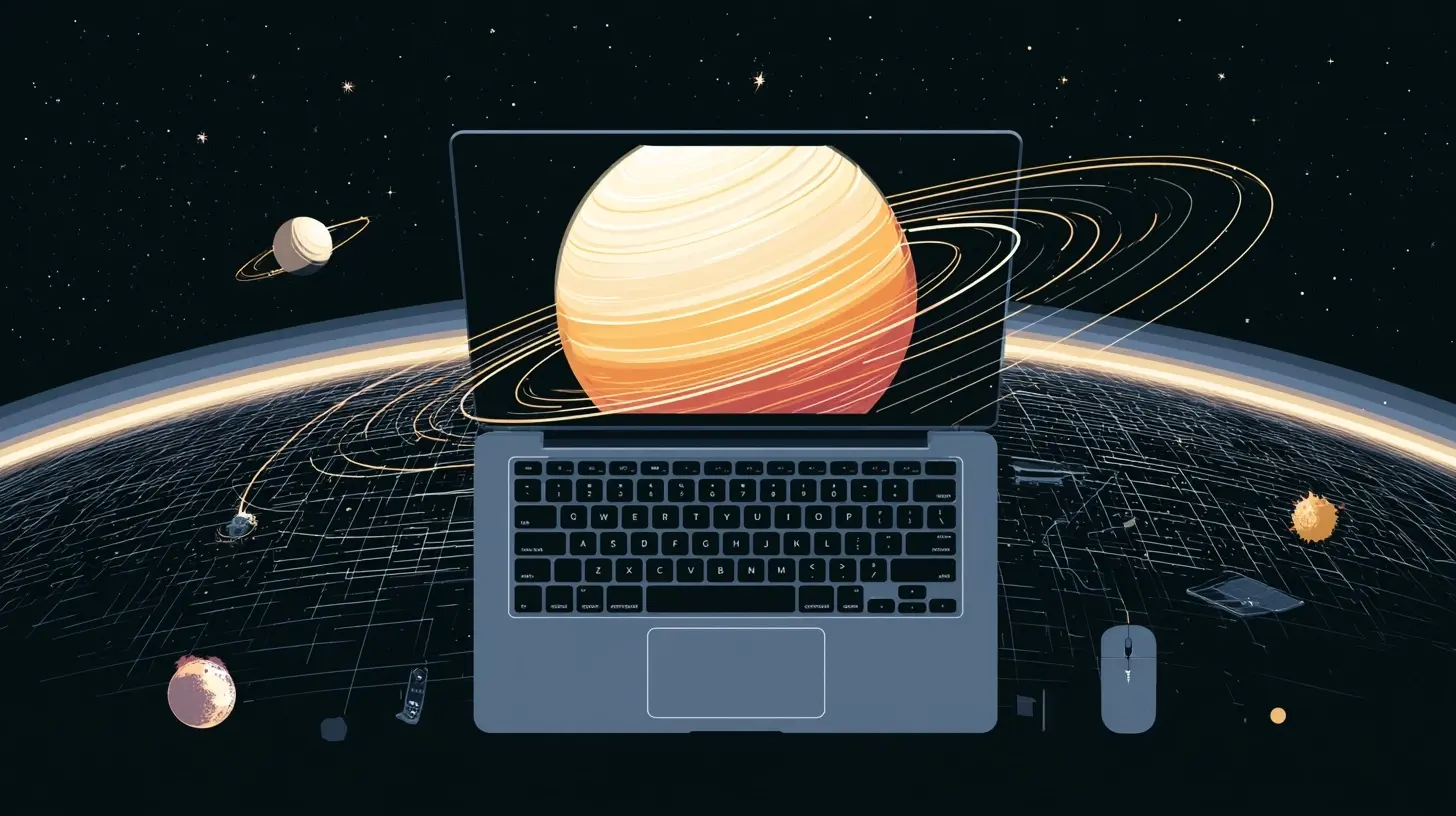
As we stand on the brink of an era where space-based computing is not just a dream but an emerging reality, it's essential to consider how operating systems will evolve to meet the unique challenges posed by this frontier. As technology advances, our understanding of computing expands beyond the terrestrial bounds of Earth, ushering in a new age of innovation. This article delves into the future of operating systems in the context of space-based computing, analyzing the intricacies, challenges, and potential solutions that will shape how we interact with technology in space.
The Current Landscape of Space-Based Computing
Before we can speculate on future developments, it's crucial to understand the current state of space-based computing. Today, many satellites and space missions rely on specialized operating systems tailored for specific tasks. These systems often prioritize stability, reliability, and low power consumption. For instance, the RTEMS (Real-Time Executive for Multiprocessor Systems) is widely used in critical space applications due to its deterministic behavior and compliance with space standards.However, existing systems have limitations when it comes to scalability, adaptability, and user interaction. As we aim to establish permanent bases on the Moon and potentially colonize Mars, the need for more sophisticated operating systems becomes evident.
Challenges of Space-Based Computing
Operating in space presents unique challenges that traditional computing environments do not face:1. Radiation: Space is filled with cosmic radiation, which can corrupt data and damage hardware. Future operating systems must incorporate error correction and fault tolerance to maintain functionality.
2. Latency: Communication between Earth and distant space missions can suffer from significant lag. Operating systems must be designed to handle these delays gracefully, perhaps utilizing local processing power to minimize reliance on Earth-based commands.
3. Resource Constraints: In space, every ounce of hardware matters. Operating systems need to optimize resource usage without sacrificing performance, often requiring a rethinking of how tasks are prioritized and executed.
4. Autonomy: As missions become more distant, the need for autonomous systems that can make decisions without real-time input from Earth becomes paramount. This autonomy will shape how future operating systems are designed.
The Evolution of Operating Systems for Space
Modular Architectures
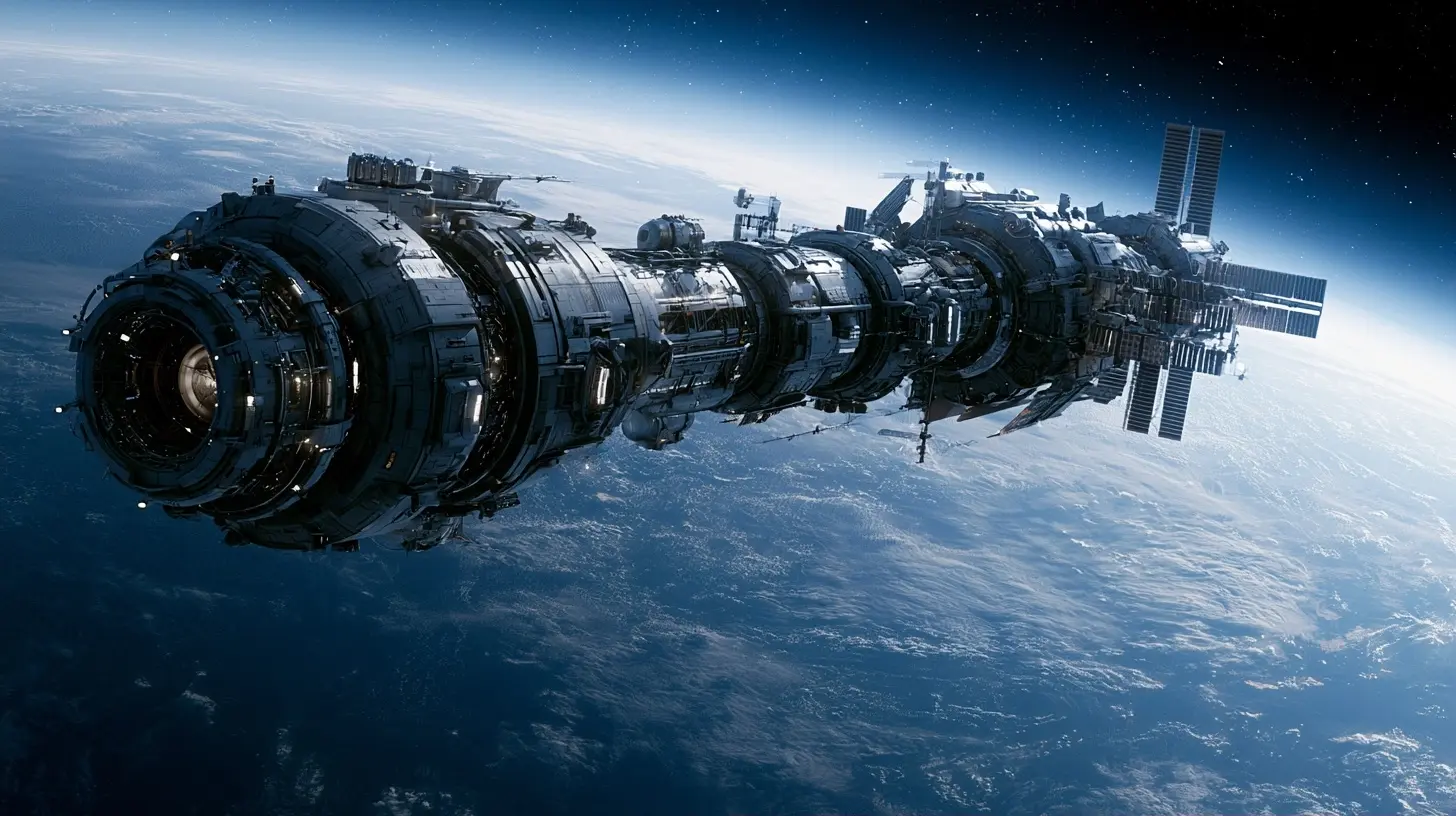
One promising approach for future space-based operating systems is the adoption of modular architectures. This design allows for greater flexibility and adaptability by enabling components to be added, removed, or updated without overhauling the entire system. In space, modularity will facilitate rapid deployment of new features and fixes, accommodating the evolving needs of missions.Example: The Linux Kernel
The Linux kernel exemplifies modular architecture in practice. Its ability to load and unload modules at runtime showcases the potential for dynamism in operating systems. Space-based systems could benefit from similar structures, allowing for easy integration of new functionalities tailored to specific missions or environments.Real-Time Processing Capabilities
Future operating systems must prioritize real-time processing capabilities to handle the demands of space missions. This involves not just speed but also the ability to make quick decisions based on incoming data. For example, autonomous rovers on Mars will require rapid analysis of environmental conditions to navigate and perform tasks effectively.Trade-offs in Real-Time Systems
While real-time systems are essential, they come with trade-offs. Increased complexity can lead to potential points of failure, and maintaining predictability in highly dynamic environments can be challenging. Therefore, a balance must be struck between real-time processing capabilities and system stability.Enhanced Security Features
With the rise of space-based computing, security becomes a paramount concern. Future operating systems will need to implement robust security protocols to protect sensitive data from cyber threats. This includes not only traditional security measures but also innovative approaches to ensure data integrity and privacy in an environment where the risk of interception is high.Best Practices for Security in Space
1. Encryption: All data transmitted between Earth and space should be encrypted to prevent unauthorized access.2. Redundancy: Implementing redundant systems can help mitigate the impact of a cyber attack. If one system is compromised, others can take over.
3. Regular Updates: Just like terrestrial systems, space-based operating systems will require regular updates to address new vulnerabilities. Automated update mechanisms may be necessary to maintain security in remote environments.
Interoperability Across Platforms
As space missions become more complex, interoperability between different operating systems and platforms will be critical. Future systems should be able to communicate seamlessly, whether they are running on satellites, rovers, or space stations. This interoperability will facilitate data sharing and collaboration across various missions and agencies.Common Mistakes in Interoperability
One common mistake in developing interoperable systems is neglecting standardization. Without agreed-upon protocols and formats, integrating disparate systems becomes cumbersome and error-prone. Future operating systems must prioritize compatibility and follow industry standards to streamline communication.
The Role of Artificial Intelligence
AI-Driven Decision Making
Artificial intelligence (AI) will play a pivotal role in the future of space-based operating systems. The increasing complexity of missions necessitates intelligent systems capable of analyzing vast amounts of data and making decisions in real time. For instance, AI can optimize resource usage, predict equipment failures, and enhance autonomous navigation.Challenges of AI in Space
While AI offers numerous advantages, it also presents challenges. The unpredictability of space environments can lead to situations where AI systems must make critical decisions without complete information. Developers must create robust algorithms that can handle uncertainty while ensuring safety and reliability.Machine Learning for Predictive Maintenance
Machine learning algorithms can be employed for predictive maintenance, allowing systems to anticipate failures based on historical data. By identifying patterns and anomalies, future operating systems can proactively address potential issues, minimizing downtime and enhancing mission success.Practical Implementation of Machine Learning
For example, NASA has already begun utilizing machine learning for analyzing data from the Mars rovers. By applying these techniques, future missions can become more resilient and efficient, reducing the need for human intervention.
Human-Computer Interaction in Space
User Interfaces for Astronauts
As we consider the future of operating systems in space, we must also think about human-computer interaction. Astronauts will need intuitive user interfaces that allow them to navigate complex systems with ease. Future operating systems should prioritize usability, ensuring that astronauts can focus on their tasks rather than grappling with cumbersome technology.Best Practices for Designing User Interfaces
1. Simplicity: User interfaces should be straightforward and uncluttered, allowing for quick access to essential functions.2. Feedback: Providing clear feedback can help users understand the status of the system and their actions, contributing to smoother operations.
3. Training: Incorporating training modules into the operating system can prepare astronauts for unexpected situations, enhancing their ability to respond effectively.
Augmented Reality for Enhanced Operations
Augmented reality (AR) has the potential to revolutionize how astronauts interact with their environments. By overlaying digital information on the physical world, AR can provide real-time data and guidance, enhancing situational awareness. Future operating systems could integrate AR capabilities to support astronauts in various tasks, from maintenance to scientific research.Trade-offs of Augmented Reality
While AR offers exciting possibilities, it also presents challenges. High dependency on AR systems may lead to reduced situational awareness if users become too focused on digital overlays. Designers must ensure that AR enhances rather than detracts from the overall experience.The Future of Distributed Computing in Space
Decentralized Systems
As missions become more ambitious, the concept of decentralized computing will gain traction. Rather than relying on a central hub, decentralized systems can distribute processing tasks across multiple nodes. This approach can enhance resilience and efficiency, particularly in scenarios where communication with Earth is limited.Advantages and Disadvantages
The primary advantage of decentralized systems is their ability to operate independently, reducing the risk of a single point of failure. However, managing distributed resources can be complex, requiring sophisticated algorithms to ensure seamless coordination.Edge Computing in Space
Edge computing, which involves processing data closer to where it is generated, will become increasingly relevant in space applications. By minimizing the need to transmit large datasets back to Earth, edge computing can reduce latency and improve response times.Real-World Applications of Edge Computing
One application of edge computing in space could be on-board data analysis for scientific experiments. Instead of sending raw data back to Earth for processing, future systems could analyze the data in real time, allowing astronauts to make immediate decisions based on findings.
Conclusion
The future of operating systems in space-based computing is poised for transformation. As we venture into new frontiers, operating systems will need to adapt to unique challenges and opportunities presented by the space environment. From modular architectures to AI-driven decision-making, the innovations we envision today will shape how we explore and utilize space in the coming decades.As this evolution unfolds, it is essential to maintain a focus on user experience, security, and interoperability. By addressing these critical areas, we can create operating systems that not only facilitate exploration but also enhance the overall effectiveness of space missions. The journey ahead is undoubtedly complex, but the potential rewards are limitless.
all images in this post were generated using AI tools
Category:
Operating SystemsAuthor:

Ugo Coleman