How Machine Learning is Driving Innovation in Wearable Technology
23 December 2025
Let’s be real—wearables are no longer just fancy step counters. The game has changed, big time. From smartwatches that practically act as personal health assistants to fitness trackers that predict your next PR, machine learning (ML) is the secret sauce making all this possible.
But wait, how exactly is ML revolutionizing wearable technology? Buckle up, because we’re about to dive deep into the AI-fueled magic that’s shaping the future of wearables.
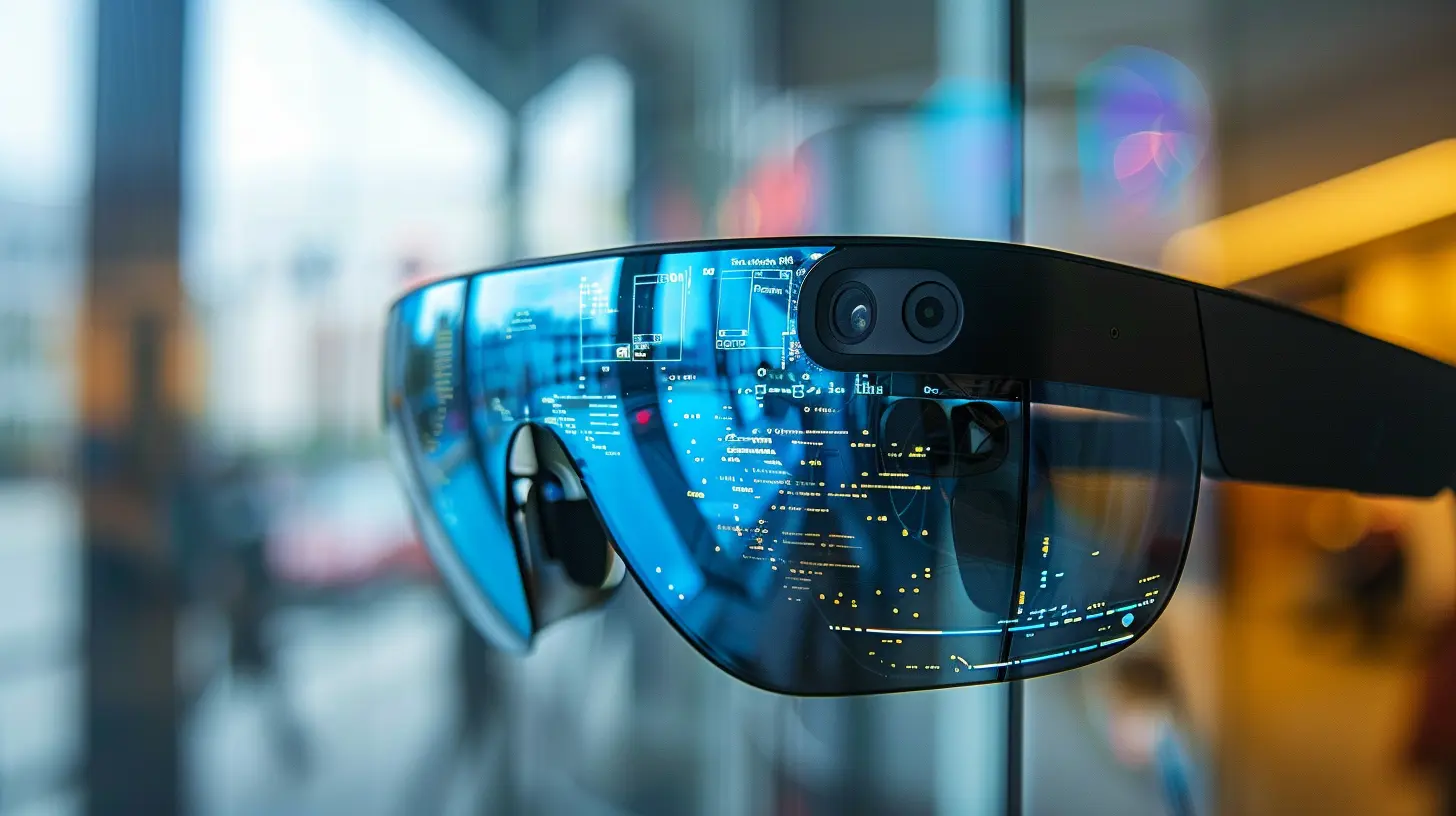
The Role of Machine Learning in Wearables
Machine learning is the brain behind today’s smartest wearables. Unlike traditional rule-based programming (which is about as flexible as a brick wall), ML thrives on adaptability. It allows wearables to analyze patterns, learn user behaviors, and improve over time—without needing a manual update.Think of it like your gym buddy who remembers all your workouts and subtly pushes you harder each time. Except this buddy is on your wrist, always tracking, recommending, and improving your experience.
How Machine Learning is Elevating Wearable Tech
Let’s break it down. Machine learning is shaking things up in wearable technology across multiple areas. Here’s how:1. Health Monitoring That’s Smarter Than Ever
Gone are the days when wearables just tracked steps and heart rates. Thanks to ML, today’s devices monitor health parameters with staggering accuracy.- ECG & Blood Oxygen Monitoring – Apple Watch can now detect atrial fibrillation (AFib), while other devices provide SpO2 readings, helping users keep an eye on their oxygen levels.
- Predictive Health Alerts – ML-powered wearables can predict potential issues, like stress-related heart rate spikes or irregular rhythms, before you even feel them.
- Diabetes Management – Continuous glucose monitors (CGMs) learn from user data and predict glucose trends, warning diabetics about potential highs and lows before they happen.
This isn't just cool—it’s life-saving.
2. Personalized Fitness and Training
Sure, your fitness tracker used to count steps. Now? It’s practically your personal coach.- Workout Customization – Devices like WHOOP and Fitbit analyze workout intensity and recovery needs using ML to suggest optimized training plans.
- Form Correction – Wearables equipped with motion sensors and AI can analyze your squat depth or running gait, offering real-time corrections.
- Fatigue Prediction – By analyzing sleep, heart rate variability (HRV), and workout history, ML can help prevent overtraining and injuries.
It’s like having an AI personal trainer—minus the guilt trips when you skip leg day.
3. Sleep Optimization: Because Rest Matters
If you think your smartwatch is just tracking sleep duration, think again. ML takes sleep monitoring to a whole new level.- Sleep Stage Detection – ML-powered wearables analyze heart rate, movement, and temperature to accurately determine sleep cycles.
- Smart Alarm Systems – Ever woken up groggy even after a full 8 hours? ML uses sleep cycle predictions to wake you up at the right moment.
- Personalized Sleep Tips – Wearables don’t just tell you how you slept—they suggest hacks based on your data, like adjusting your bedtime or avoiding late-night caffeine.
It’s like having a sleep scientist on your wrist.
4. Smarter AI Assistants on Your Wrist
Voice assistants like Siri, Alexa, and Google Assistant are embedded in smartwatches, but thanks to ML, they’re evolving into something... smarter.- Enhanced Voice Recognition – ML helps assistants better understand accents, speech patterns, and even user moods.
- Proactive Suggestions – ML analyzes your habits and offers reminders before you ask, like suggesting a break when your stress levels peak.
- Gesture-Based Control – Some wearables are even experimenting with ML-driven gesture recognition, so you can control devices with a mere flick of your wrist.
Your smartwatch might just know you better than you know yourself.
5. Adaptive Noise Cancellation in Smart Earbuds
You know when your earbuds suddenly block out the annoying background noise in a crowded café? That’s ML, baby.- Personalized Sound Profiles – Your earbuds learn what noise frequencies you find annoying and adjust cancellation based on your surroundings in real time.
- Automatic Mode Switching – Some ML-powered earbuds detect when you're in a conversation and automatically lower volume or pause playback.
- Hearing Assistance – For those with hearing impairments, ML-enhanced wearables can filter out background noise and amplify important sounds.
Your ears will thank you.
6. Real-Time Translation & Communication
Imagine traveling abroad and having your smartwatch instantly translate conversations in real time. Sounds futuristic? Well, thanks to ML, it’s already happening.- Instant Language Translation – ML-powered wearables like Google Pixel Buds can translate conversations on the go.
- Sign Language Recognition – Some experimental wearables are even working on translating sign language into spoken words in real-time.
It’s like having a personal interpreter with you 24/7.
7. Mental Health & Stress Tracking
Machine learning isn’t just about fitness and health—it’s also making a serious impact on mental well-being.- Stress Detection – Wearables use HRV, skin temperature, and movement patterns to detect stress levels.
- Mindfulness Coaching – ML analyzes your stress triggers and sends reminders for deep breathing exercises or meditation sessions.
- Depression & Anxiety Monitoring – Some advanced wearables are using ML to detect early signs of depression based on sleep patterns, activity levels, and even social engagement.
Your smartwatch might just be your new therapist.
The Future of ML in Wearables: What’s Next?
Machine learning in wearables is only scratching the surface. Here’s a peek into what’s coming next:- AI-Powered Virtual Personal Trainers – Fully immersive coaching with real-time biomechanics analysis.
- Wearables That Predict Illnesses – Imagine getting an early warning about potential illnesses based on physiological data before you ever feel sick.
- Non-Invasive Biometrics – Advances in ML could lead to wearables that monitor blood glucose, hydration levels, and even nutritional deficiencies—without a single needle prick.
- Brain-Computer Interfaces (BCI) – ML-powered wearables could interact with your thoughts, opening the door to controlling devices through brain signals.
The future is looking insanely futuristic.
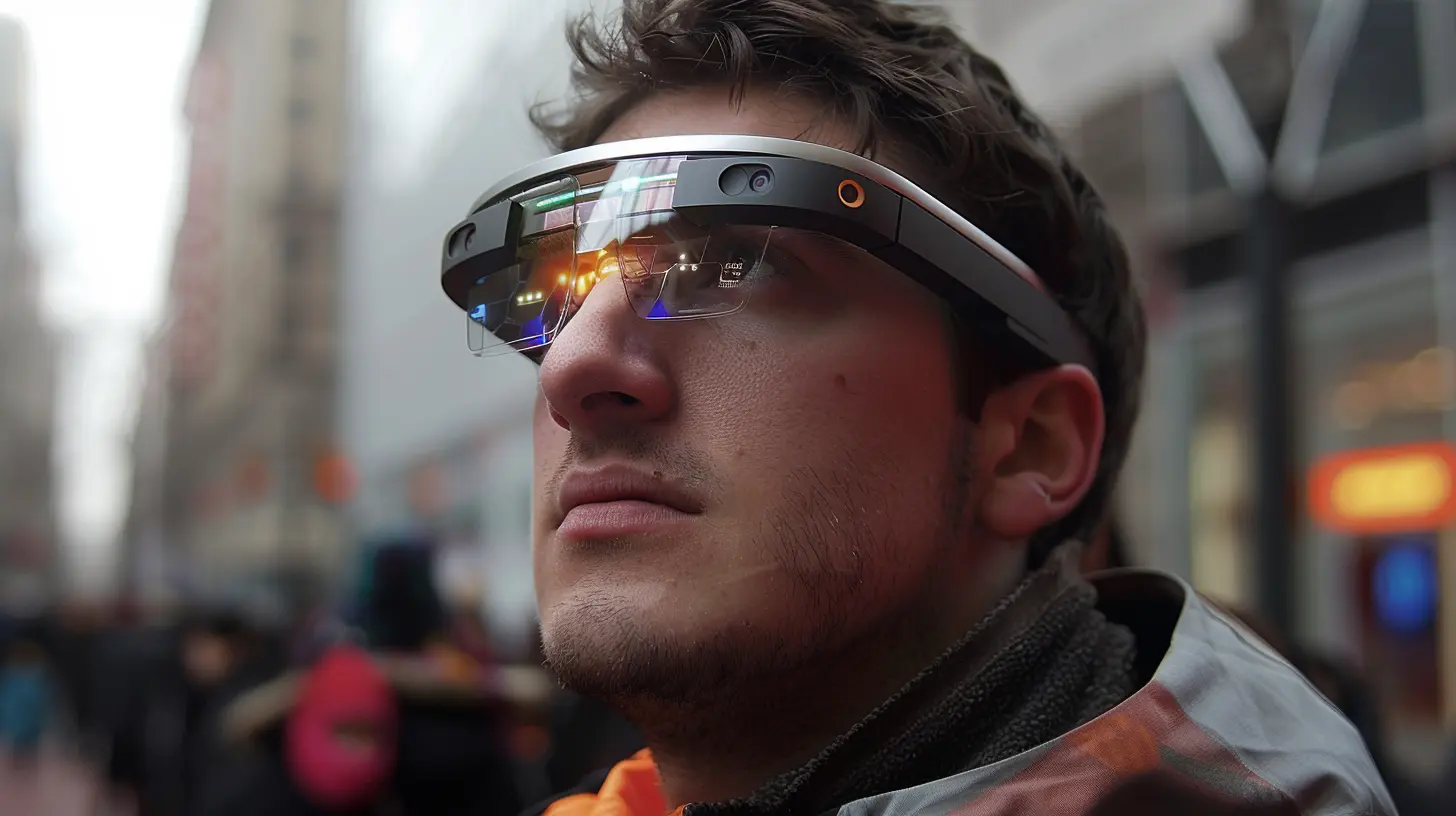
Final Thoughts: ML is Transforming Wearable Tech
Machine learning is the reason your smartwatch is more than just an overpriced timepiece. It’s the brains behind smarter health tracking, fitness coaching, sleep optimization, and even real-time language translation.As ML continues to evolve, so will wearables—helping us live healthier, smarter, and more connected lives. The only question left is: Are you ready to embrace the future on your wrist?
all images in this post were generated using AI tools
Category:
Machine LearningAuthor:

Ugo Coleman
Discussion
rate this article
2 comments
Selena Anderson
Machine learning isn't just enhancing wearables; it’s revolutionizing them. From health monitoring to personalized experiences, the fusion of AI with wearables is setting the stage for a smarter future.
December 27, 2025 at 6:05 AM
Ugo Coleman
Absolutely! Machine learning is indeed transforming wearables, enabling smarter health tracking and personalized user experiences that pave the way for a revolutionary future in technology.
Blaze McKinley
This article effectively highlights the transformative role of machine learning in wearable technology. From health monitoring to personalized user experiences, these advancements not only enhance functionality but also pave the way for innovative solutions in fitness, healthcare, and beyond. Exciting times ahead for tech enthusiasts!
December 24, 2025 at 1:18 PM
Ugo Coleman
Thank you for your insightful comment! I'm glad you found the article highlights the potential of machine learning in wearable tech. Exciting times indeed!