How Machine Learning is Powering Smart Home Technologies
24 December 2025
Smart homes aren’t just a fantasy from futuristic movies anymore—they're here, and they’re smarter than ever before, thanks to machine learning (ML). From smart thermostats that adjust themselves without you lifting a finger, to security systems that can tell the difference between your dog and a potential intruder, ML is the secret sauce behind the magic.
So, how exactly does machine learning power all this home automation goodness? Let’s dive deep (without getting too geeky!) and uncover how ML is making our homes safer, more efficient, and just plain cooler.
What is Machine Learning, Really?
Before we get into the smart home stuff, let's quickly unpack what machine learning means.At its core, machine learning is a type of artificial intelligence (AI) that enables systems to learn from data and make decisions without being explicitly programmed. It's like teaching a kid through examples instead of giving them a rulebook.
In other words, instead of you telling a device what to do, it learns your habits, preferences, and patterns on its own. The more it observes, the better it gets. Neat, right?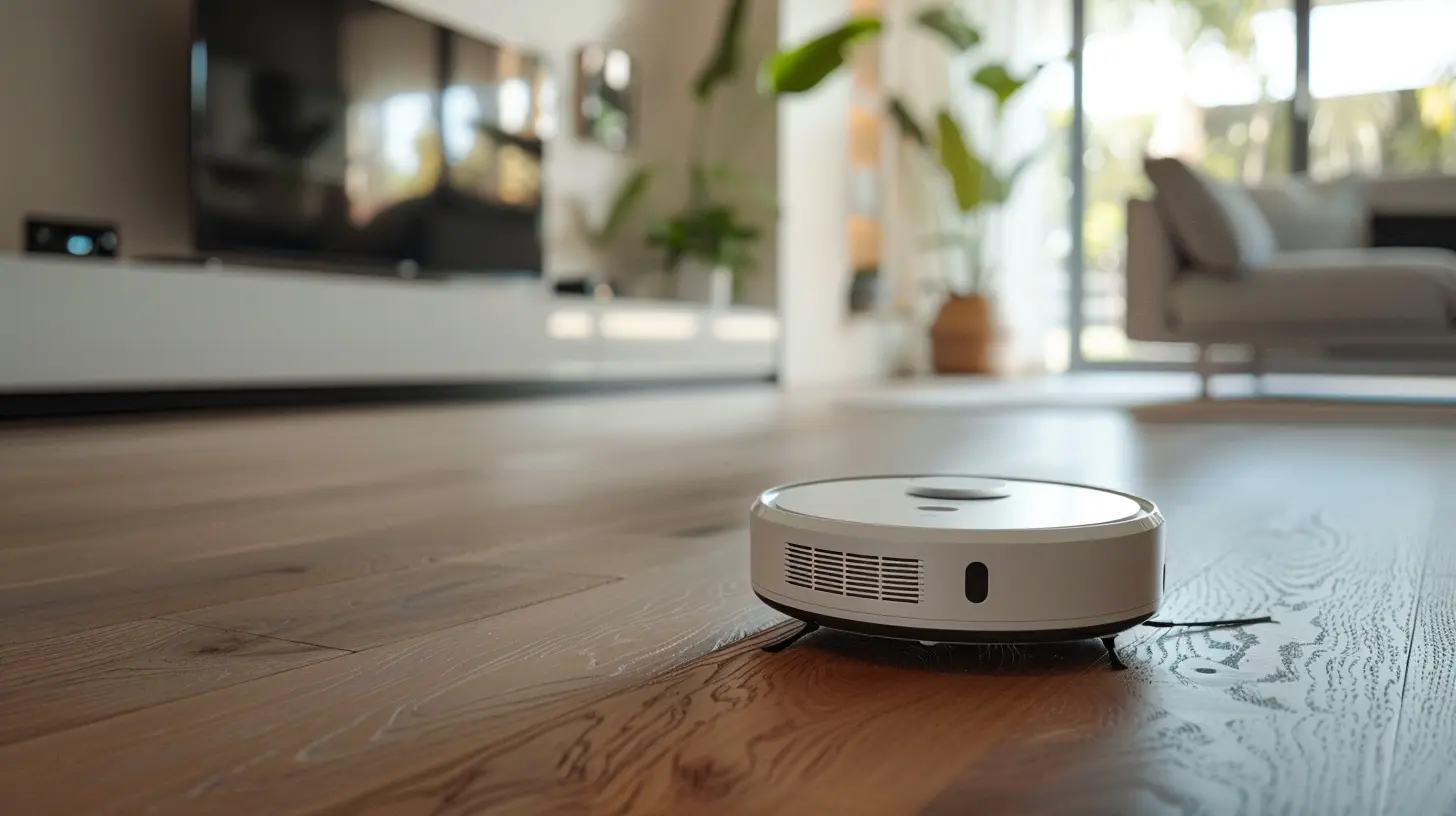
The Smart Home Boom: Why Now?
You’re probably wondering, “Why is everyone suddenly obsessed with smart homes?” The answer is simple: better tech and more data.Three things are driving the smart home revolution:
1. Affordable hardware – Sensors, cameras, and processors have become way cheaper.
2. Cloud computing – Devices don’t need to be powerful themselves; they can rely on the cloud.
3. Machine learning – The brains behind the scenes, making everyday automation possible.
Put these together, and you've got smart homes that aren't just connected, they're intelligent.
How Machine Learning Powers Smart Home Devices
Let’s break down some real-life examples of how ML is shaping your home—from the front door to the coffee maker.1. Smart Thermostats: Personalized Comfort, Energy Savings
Ah, the smart thermostat. Probably the poster child of smart home tech.Thermostats like Nest or Ecobee don’t just let you adjust the temperature from your phone. They learn your schedule—when you’re home, when you sleep, when you’re away—and adjust the temperature accordingly.
But how?
Machine learning algos analyze your habits, local weather patterns, and energy usage. Over time, the thermostat predicts when to cool or heat your home for max comfort and efficiency.
Result? Lower energy bills without sacrificing comfort. Win-win.
2. Intelligent Lighting: Lights That Know You Better Than You Do
Ever wished your lights could just turn on when you walk into a room or dim themselves at night? With ML, that’s totally doable.Smart lighting systems use occupancy sensors, time-based rules, and—you guessed it—machine learning to figure out your lighting preferences.
For example:
- It learns you usually dim the lights while watching Netflix in the evening.
- It figures out which rooms you spend the most time in.
- It starts to adjust light automatically based on your behavior and even the time of day.
Like living with a lighting assistant that never needs reminding.
3. Voice Assistants: Alexa, Google, and Siri Got Smarter
If you’ve ever talked to a virtual assistant, you’ve seen ML at work, even if it didn’t feel like it.Natural Language Processing (NLP), a type of ML, helps these devices understand your commands—even if you’re mumbling or using slang.
Over time, they "get" your way of speaking, accents, and even your most-used phrases.
That’s why when you say, “Hey Google, play my favorite workout playlist,” it knows exactly what you mean, even if you’ve never explicitly set one.
4. Smarter Security Cameras: No More False Alarms
Old-school security cameras just record and maybe alert you when motion is detected. But ML-powered security systems? Total game changers.How?
- They analyze patterns of motion and distinguish between animals, vehicles, and people.
- You can train them to recognize familiar faces.
- They reduce false alerts and improve real-time monitoring.
Brands like Arlo and Ring now offer features like “package detection” or “stranger alerts,” which wouldn't be possible without ML.
Think of it like a guard dog with a photographic memory—always watching, always learning.
5. Robot Vacuums: Clean Smarter, Not Harder
Remember when robot vacuums used to bounce around wasting battery? Not anymore.Modern robot vacuums (like iRobot’s Roomba) use machine learning to map your home, understand layout changes, and avoid obstacles.
They learn your home’s layout, busiest areas, and even preferred cleaning times. And yes—they’ll avoid your pet’s "surprises" on the rug (you know what we mean).
6. Smart Appliances: Kitchen Helpers That Get You
Imagine a fridge that suggests recipes based on what’s inside or a coffee machine that brews your perfect cup before you’re out of bed.ML is making ordinary appliances smarter by:
- Learning your usage habits.
- Integrating with your calendar or fitness app.
- Predicting when groceries need replenishing.
Samsung’s Family Hub and LG’s smart kitchen lineup are already pushing these boundaries.
Behind-the-Scenes: How Smart Homes Use Data
Let’s talk about the elephant in the room—data.For ML to work, it needs data. Tons of it.
Smart home devices constantly collect information:
- When you turn lights on/off
- When you adjust the thermostat
- What music you play and when
This data feeds into ML models that keep improving device behavior. The more you use them, the “smarter” they get.
But don’t worry—most manufacturers are beefing up security and giving users more control over what’s shared and stored.
Why ML Makes Smart Homes Truly “Smart”
Connectivity alone doesn’t make a home smart. You can have every device under the sun, but if they don’t learn, they’re just fancy remotes.Machine learning is what transforms automation into intelligence. It’s the difference between a light that turns off on a timer... and one that learns your routine and adjusts itself.
And as these systems keep learning and integrating, your home starts to feel like it knows you.
Challenges and Ethical Concerns
Alright, it’s not all sunshine and roses.1. Privacy Worries
With all this data flying around, privacy is a big issue. Who owns your data? How is it stored? Who's snooping?Consumers need transparency and control over what’s collected, when, and why.
2. Security Risks
More smart devices = more entry points for hackers. If your smart door lock gets hacked... yikes.Brands are responding with encryption, two-factor authentication, and more secure cloud systems, but vigilance is key.
3. Bias in Algorithms
Machine learning models are only as good as the data they're trained on. Bad data? Bad predictions.So inclusivity, fairness, and regular auditing of ML models are becoming crucial in developing smart home technologies.
The Future: What’s Next in ML-Powered Smart Homes?
So what’s on the horizon?- Predictive maintenance: Your devices will alert you before they break.
- Emotion-sensing tech: Mood lighting that matches your feelings? It’s coming.
- Hyper-personalization: Smart homes tailored to every individual’s habits—even pets!
More importantly, as 5G and edge computing grow, smart home devices will become faster and more responsive, making real-time ML decisions even quicker.
Final Thoughts
Machine learning is quietly turning dumb homes into intuitive, responsive spaces that adapt to our lives. It’s not just about convenience—it’s about creating environments that are safer, more efficient, and way more enjoyable.The best part? We’re just getting started.
So the next time your lights dim, your coffee brews itself, or your thermostat adjusts without a word—remember, that’s not magic. That’s machine learning doing its thing.
all images in this post were generated using AI tools
Category:
Machine LearningAuthor:

Ugo Coleman
Discussion
rate this article
2 comments
Merida Palmer
Great article! It's fascinating to see how machine learning is transforming our homes into smart spaces. The convenience and efficiency it brings to everyday tasks is impressive. Can't wait to see what innovations are next—imagine a home that learns your habits even better! Keep up the good work!
January 14, 2026 at 5:28 AM
Ugo Coleman
Thank you! I'm glad you enjoyed the article. The future of smart homes is indeed exciting, and I appreciate your enthusiasm for upcoming innovations!
Sera Lane
Who knew a fridge could be smarter than me? With machine learning powering smart homes, your toaster might start giving life advice next! Bring on the futuristic kitchen!
December 31, 2025 at 3:30 AM
Ugo Coleman
Absolutely! It's amazing how technology is evolving—who knows what our smart appliances will be capable of next? The future of the kitchen looks exciting!