How Magnetic Propulsion Could Revolutionize Space Travel
26 July 2026
Space—the final frontier. For decades, humanity has been obsessed with the idea of exploring the vast unknown, reaching for the stars, and maybe even calling another planet home one day. But if we're being honest, traditional space travel tech is kind of...meh. It’s expensive, it’s slow, and let’s not forget the astronomical amount of fuel it gulps down just to launch a single rocket.
Now, imagine swapping those old-school rockets for something sleek, fast, efficient, and—here's the real kicker—almost limitless. That’s where magnetic propulsion swoops in, like a superhero in the world of space innovation.
In this article, we're diving deep into how magnetic propulsion could revolutionize space travel as we know it. Buckle up—it’s going to be one heck of a ride.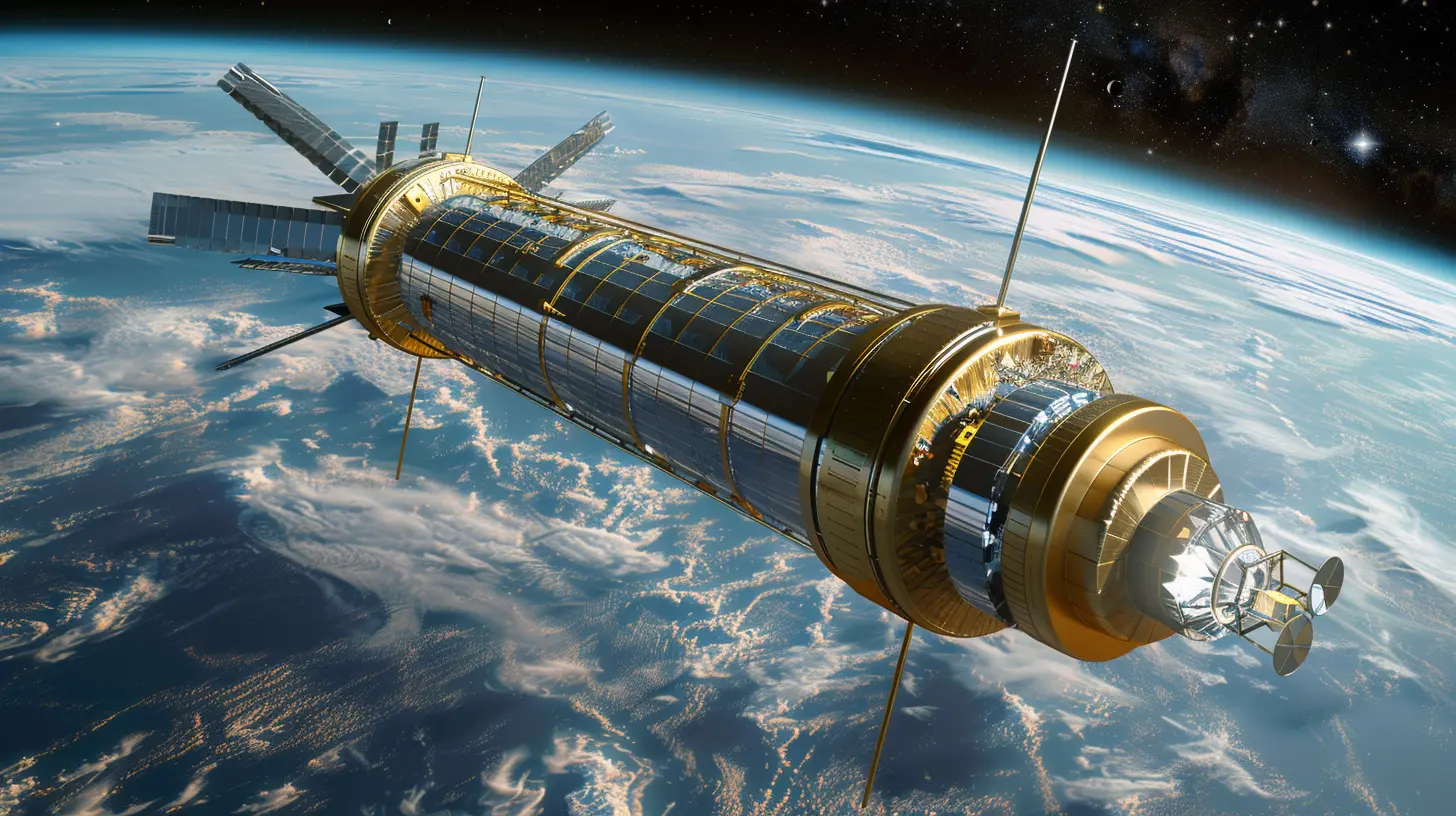
? What Exactly Is Magnetic Propulsion?
Let’s break it down without getting too sciencey.At its core, magnetic propulsion is all about using magnetic fields to push or pull an object forward. Think of two magnets: when you bring like poles together, they repel, right? That repelling force is essentially what magnetic propulsion relies on. Instead of combustion and noisy rocket thrusters, you're using invisible fields of force to create motion.
It's like giving your spaceship a powerful shove—without lighting it on fire every time you want to move.
Now, you’ve probably heard of maglev trains, right? You know, those ultra-fast trains in Japan that float above the tracks? That same concept—magnetic levitation—is what magnetic propulsion in space is loosely based on. Only, instead of hovering over rails, we’re hovering over, well, nothing. Just the vast void of space.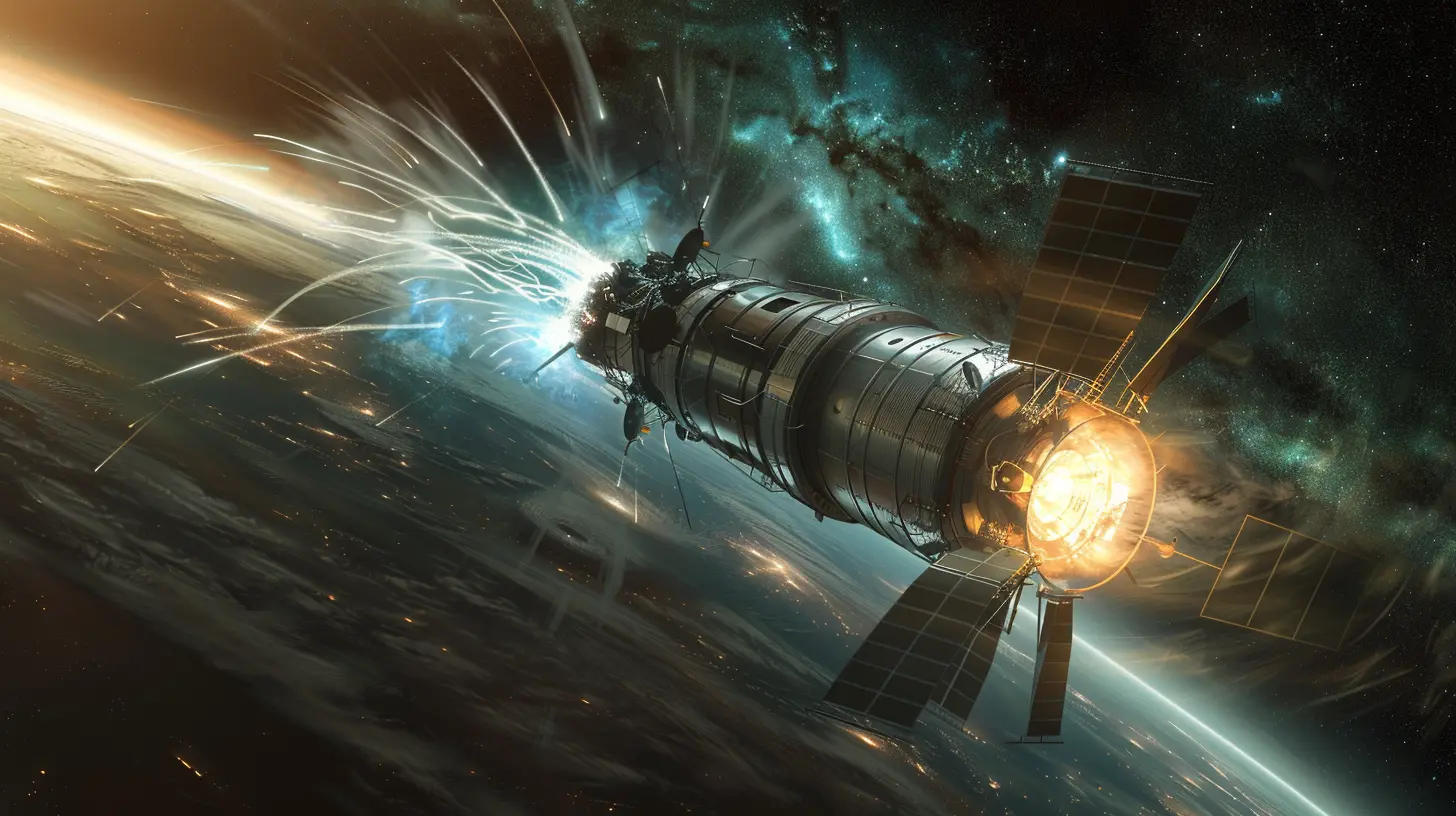
?️ Why Our Current Space Travel Tech Is Holding Us Back
Before we talk about how awesome magnetic propulsion is, let’s quickly look at why our current systems are in desperate need of an upgrade.1. Fuel Dependency
Traditional rockets eat through fuel like there’s no tomorrow. Every extra pound of fuel means more weight, which then requires more fuel, which adds more weight… see the vicious cycle? Not to mention the cost—space missions are wildly expensive partly because of fuel alone.2. Speed Limitations
Sure, hitting Mach 25 sounds fast. But in the vastness of space, it's not exactly lightning speed. With traditional engines, even reaching the nearest star would take thousands of years. That makes interstellar travel a dream that's just out of reach.3. Environmental Impact
Rocket launches are not friendly to Earth’s atmosphere. The chemicals and emissions are harsh, and the potential for pollution is high. As we launch more missions, the environmental toll only grows.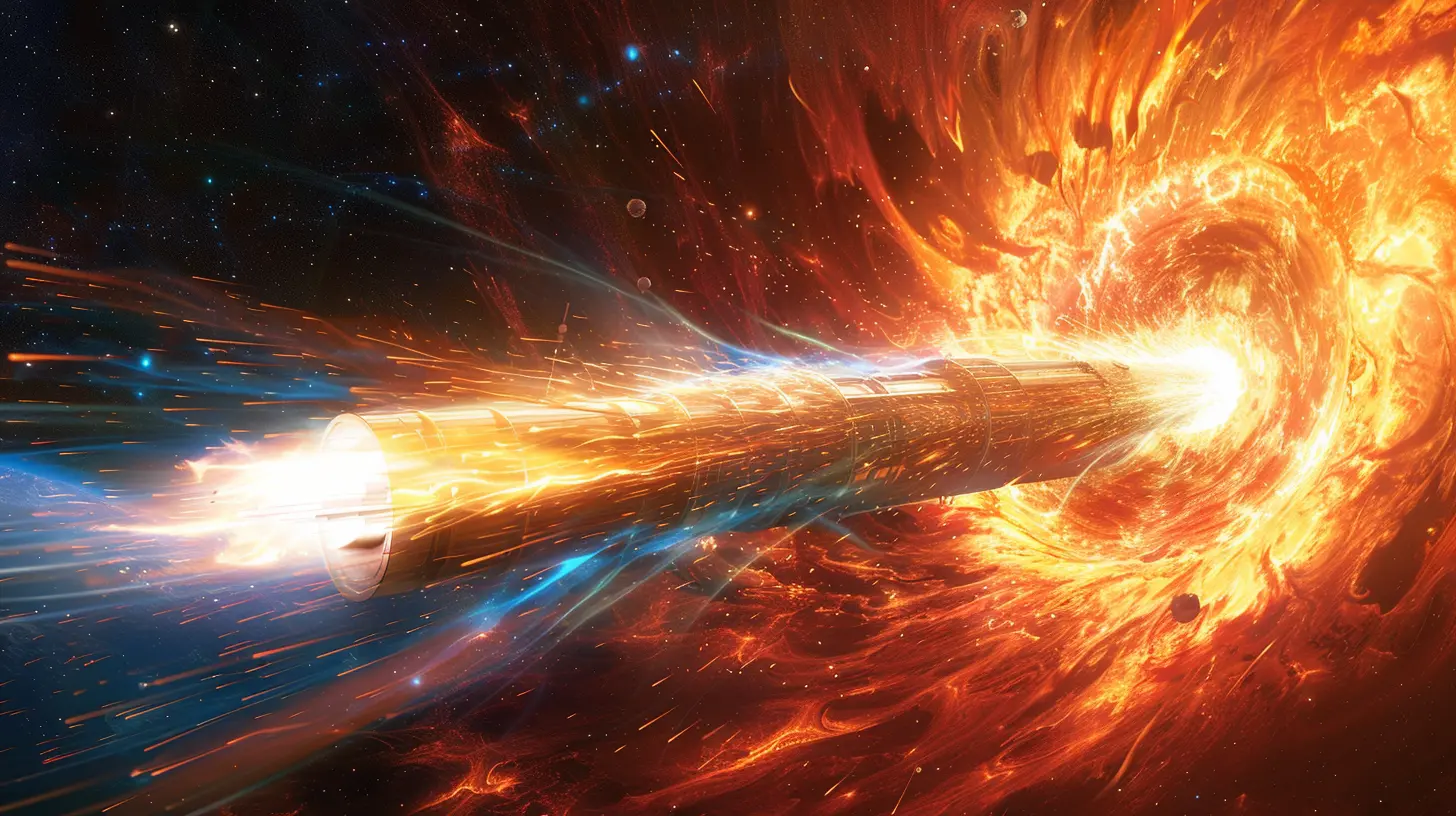
? The Game-Changer: How Magnetic Propulsion Steps In
Okay, now on to the exciting stuff.Magnetic propulsion offers a solution to nearly all these limitations. Let’s break down how.
1. It’s Way More Efficient
One of the most jaw-dropping benefits of magnetic propulsion is its efficiency. Since it doesn’t rely on traditional fuel (or only uses a minimal amount), it opens up possibilities for lighter spacecraft. And lighter crafts mean faster speeds and longer missions.2. Clean and Green
Magnetic propulsion doesn’t produce the same kind of emissions as chemical rockets. This means we could drastically reduce the environmental impact of space travel. It’s like switching from a gas-guzzling truck to a Tesla—smooth, silent, and sustainable.3. Near Limitless Power? Yes, Please.
When paired with solar or nuclear energy, magnetic propulsion systems can theoretically run almost indefinitely. That’s a big deal. Imagine heading to Mars without worrying about refueling or running out of power halfway there.4. Mind-Blowing Speeds
Although we’re still in the early days, magnetic propulsion has the potential to reach mind-numbing speeds. Think faster-than-anything-we-have speeds. That means shorter travel times to the Moon, Mars, and beyond.
? Different Types of Magnetic Propulsion
Great, so magnetic propulsion rocks. But how does it actually work in practice? There are a few variations currently being explored.1. Electromagnetic Thrusters (Ion Drives)
These bad boys use electricity to ionize a gas (like xenon), then use magnetic fields to shoot those ions out the back of the spacecraft at high speeds. The result? A gentle but constant push that can get a spaceship moving faster the longer it’s in space.It’s kind of like the space equivalent of pushing a shopping cart with one finger until it’s flying down the aisle at breakneck speeds.
2. Magnetic Sails (MagSails)
This one almost sounds like science fiction. MagSails use giant magnetic fields to catch solar wind—streams of charged particles from the sun—and use them like wind in a traditional sailboat. It’s elegant, silent, and requires virtually no fuel.3. Plasma Propulsion
This is where things really get spicy. Plasma propulsion systems use superheated ionized gas (plasma) and magnetic fields to propel the spacecraft. It’s cutting-edge tech, and companies like NASA and private startups are throwing serious money at it.? What This Means for the Future of Space Travel
Let your imagination run wild for a second.With magnetic propulsion, colonizing Mars doesn’t sound as far-fetched. Sending astronauts to Saturn? Plausible. Sending robotic explorers into deep space and getting data back within a human lifespan? Absolutely on the table.
But here’s the kicker: this tech doesn’t just benefit astronauts and space agencies—it can benefit all of us.
1. Lower Launch Costs = More Access
With more efficient propulsion, space travel becomes cheaper. That democratizes access to space. Private companies, universities, and even hobbyists could send their own small satellites into orbit.2. Faster Rescue Missions
Imagine a scenario where astronauts on a Mars outpost need emergency supplies. With faster, magnetic-propelled crafts, we could respond in days or weeks instead of months. That could be the difference between life and death.3. Long-Term Missions Become Reality
Think habitats on the Moon, mining missions on asteroids, or deep-space observatories powered by magnetic propulsion. This tech makes long-term, large-scale space missions logistically and financially feasible.? The Challenges Ahead
Okay, let’s not get carried away without acknowledging the hurdles.1. Expensive R&D
Right now, building and testing magnetic propulsion systems isn’t cheap. It requires advanced materials, complex electronics, and a whole lot of trial and error.2. Space Infrastructure
Most of these systems are better suited for space-to-space travel, not necessarily Earth-to-space launches (at least for now). We’d need orbital stations or lunar bases equipped to recharge or refuel magnetic ships.3. Public and Political Will
Like with any revolutionary tech, public perception and political willpower can either speed things up or slam the brakes. We need visionaries with influence to keep pushing the boundaries.? The Momentum is Building
Here’s the exciting part—this isn't just theory anymore. Companies like NASA, SpaceX, and several European and Asian space agencies are all investing time and resources into developing and testing magnetic propulsion systems.More startups are popping up with bold claims and even bolder prototypes. And every new test brings us one step closer to making this dream a reality.
? Final Thoughts: A Giant Magnetic Leap for Mankind
Let’s face it—we’re all dreamers when it comes to space. The child in us wants to see rocket ships, alien planets, and epic adventures beyond our solar system.Magnetic propulsion has the power to take those dreams and turn them into reality.
It’s not just a new engine. It’s a new approach. A cleaner, faster, smarter way to explore the cosmos. It flips the script on how we think about motion, energy, and the universe itself.
Sure, we’re not there yet. But the path is being paved. And if there’s one thing human history teaches us, it’s that technology doesn’t just evolve—it leaps forward.
So here’s to the future of spaceflight. Powered not by fire and smoke, but by magnets and imagination.
The stars are calling… and now, we might actually get there.
all images in this post were generated using AI tools
Category:
Space TechnologyAuthor:

Ugo Coleman
Discussion
rate this article
1 comments
Kennedy Benton
Magnetic propulsion for space travel sounds amazing. Finally, a way to get to Mars without the 26-hour TSA line. Just imagine floating through space, sipping zero-gravity coffee. Count me in!
August 4, 2026 at 4:47 AM
Ugo Coleman
Glad you're excited! Magnetic propulsion could definitely change the game for space travel, making those long journeys much more enjoyable. Imagine the possibilities!